
Portland Thorns vs Houston Dash: A Tactical Battle in NWSL
Providence Park under the lights, a Group Stage night in the NWSL Women, and a matchup that felt like a study in contrasts: a Portland Thorns W side built on front‑foot dominance at home, and a Houston Dash W team trying to survive – and steal – games on their travels. The scoreboard eventually froze at 1–1, but the story of this fixture runs deeper than the final line.
I. The Big Picture – Styles Colliding in a Tight Table
Following this result, Portland remain the archetype of a home fortress. Across the season they have played 26 league matches, winning 12, drawing 7 and losing 7 overall. Their goal difference of 8 is clean arithmetic: 43 scored and 35 conceded. The spine of that success is Providence Park itself. At home they have played 13 times, winning 7, drawing 5 and losing just once, with 22 goals scored and only 9 conceded.
Houston arrive from the opposite end of the spectrum. Also on 26 matches played, they sit 12th with 30 points, their overall goal difference at -4 (32 for, 36 against). On their travels they have played 14 times, winning 3, drawing 3 and losing 8, with 13 goals scored and 22 conceded. Where Portland average 1.7 goals overall and 1.7 at home, Houston’s attack drops to 0.9 goals on their travels, a stark indicator of how much they struggle to impose themselves away from Texas.
Both managers rolled out a 4‑2‑3‑1, but the formations told different stories. Robert Vilahamn (Karlsson) leaned into Portland’s attacking DNA, while Juan Carlos Amorós set Houston up to be compact, direct and opportunistic.
II. Tactical Voids and Discipline – Edges and Exposures
Neither side had a published list of absentees, so the tactical voids here are more structural than personnel‑driven.
For Portland, the primary “absence” is actually positional: they are an aggressive side whose biggest defensive wobble comes late in halves. Overall this campaign, 23.53% of their goals conceded arrive between 31–45 minutes, and another 20.59% in the 76–90 window. That means almost 44% of their concessions cluster at the end of halves, a vulnerability that invites counter‑punches against their high‑energy pressing.
Disciplinary trends shape how Vilahamn can manage that risk. Portland’s season card map is skewed towards chaos in the closing stages: 25.81% of their yellow cards arrive between 76–90 minutes, and 19.35% between 61–75. Red cards have been scattered but costly – one each in the 0–15, 46–60 and 61–75 ranges. In other words, as the game stretches, Portland become both more dangerous and more volatile.
That volatility is personified by defenders like J. Perry and R. Reyes. Perry has taken 6 yellows and 1 red in 19 appearances, yet also blocked 5 shots and made 13 interceptions, the classic high‑risk, high‑engagement defender. Reyes has a red card to her name as well, with 9 blocks and 15 interceptions. Both started here, and their willingness to step in aggressively underpins Portland’s front‑foot line but also raises the chance of late‑game disciplinary drama.
Houston’s discipline profile is different but equally telling. Across the season, 20.00% of their yellow cards land in the 76–90 window, with significant spikes also in the 16–30 and 46–60 ranges (17.14% each). They have not seen a red card in league play, but the tone of their back line is set by Avery Patterson. With 7 yellow cards, 54 tackles, 6 blocked shots and 26 interceptions, Patterson is both Houston’s primary ball‑winner and their disciplinary tightrope walker. Her duels (209 contested, 120 won) show she is constantly in the firing line.
III. Key Matchups – Hunter vs Shield, Engine Room vs Enforcer
The headline duel was always going to be “Hunter vs Shield”: S. Smith against a Houston defence that concedes 1.6 goals per game on their travels. Smith’s season reads like a star’s dossier: 11 goals and 4 assists in 26 appearances, 81 shots with 46 on target, 67 dribbles attempted with 33 successful, and 37 key passes. She is not just a finisher but the tip of Portland’s creative spear.
Behind her, P. Tordin is the league’s second‑ranked provider, with 6 goals and 7 assists, 44 key passes and 54 dribble attempts. As the central figure in the line of three behind Smith in this 4‑2‑3‑1, Tordin is the connector between Portland’s double pivot and their front line. With 37 tackles, 6 blocked shots and 7 interceptions, she also leads the press from the front, turning defensive actions into immediate attacking transitions.
Houston’s answer in the “Engine Room” is K. Rader. Listed as a midfielder but often operating between the lines, Rader has 9 goals and 1 assist in 26 appearances, with 42 shots (26 on target) and 30 key passes. She is Houston’s most reliable attacking threat, particularly important for a team that averages only 1.2 goals overall and 0.9 away. Her duel count (143 contested, 69 won) and 27 tackles show a two‑way profile similar in spirit, if not in volume, to Tordin’s.
In this fixture, Rader’s starting position in the central band of the three behind K. Faasse was crucial. With Portland’s goals conceded peaking at 31–45 minutes and 76–90, Houston’s own scoring pattern dovetails menacingly: 20.59% of their goals arrive between 31–45 minutes and a league‑high 29.41% between 76–90. This is the critical intersection: Houston’s late‑game surge against Portland’s late‑half vulnerability.
Out wide, Caiya Hanks and M. Weaver offered Portland verticality and width, while L. Boattin and Patterson had to manage both the channels and the threat of Smith drifting wide. Every time Portland pushed full‑backs high, Houston looked to release Rader or Faasse into the vacated spaces.
IV. Statistical Prognosis – A Draw That Fits the Numbers
From a season‑long lens, a 1–1 feels almost pre‑written by the underlying trends.
Portland, at home, average 1.7 goals scored and 0.7 conceded. Houston, away, average 0.9 scored and 1.6 conceded. Layer those together and the expectation sits roughly around a narrow Portland win in a low‑to‑mid scoring game. But Portland’s late‑half defensive softness, combined with Houston’s late‑game scoring peak, tilts the probability towards at least one Dash goal.
Portland’s defensive profile – 35 conceded overall at 1.3 per match, with only 9 at home – suggests that when they are breached at Providence Park, it tends to be by well‑timed counters rather than sustained pressure. Houston’s 5 clean sheets overall (just 1 on their travels) and 9 matches failed to score underline how much they rely on individual quality from Rader and transitions to punch above their weight.
Set‑piece and penalty narratives add nuance. Portland have taken 6 penalties this season and scored all 6, with no misses. Houston, by contrast, have 5 penalties, 4 scored and 1 missed; that 20.00% miss rate matters in tight games like this, where a single spot‑kick can tilt the balance.
In tactical terms, this match became a negotiation between Portland’s territorial dominance and Houston’s capacity to survive and strike in the windows where Portland are most open. The Thorns’ double pivot of N. Nijstad and J. Fleming provided structure, while the back four – M. Vignola, Perry, Carolyn Lisette Calzada and Reyes – had to constantly manage Houston’s attempts to spring Rader and Faasse in behind.
The 1–1 outcome, following a first half where Houston were willing to absorb and then a second half in which Portland’s pressure finally told, is a fair reflection of both teams’ seasonal DNA. Portland remain a top‑five side with a strong home platform and a front line capable of carrying them deep into the play‑offs. Houston, even from 12th, showed that their best route to points on their travels is to lean into their late‑game scoring surge and the combative work of Patterson and Rader.
On a cool night in Portland, the numbers and the narrative converged: a home powerhouse checked, an away underdog rewarded for resilience, and a Group Stage draw that felt exactly as tight – and as tactical – as the data had promised.
Related News
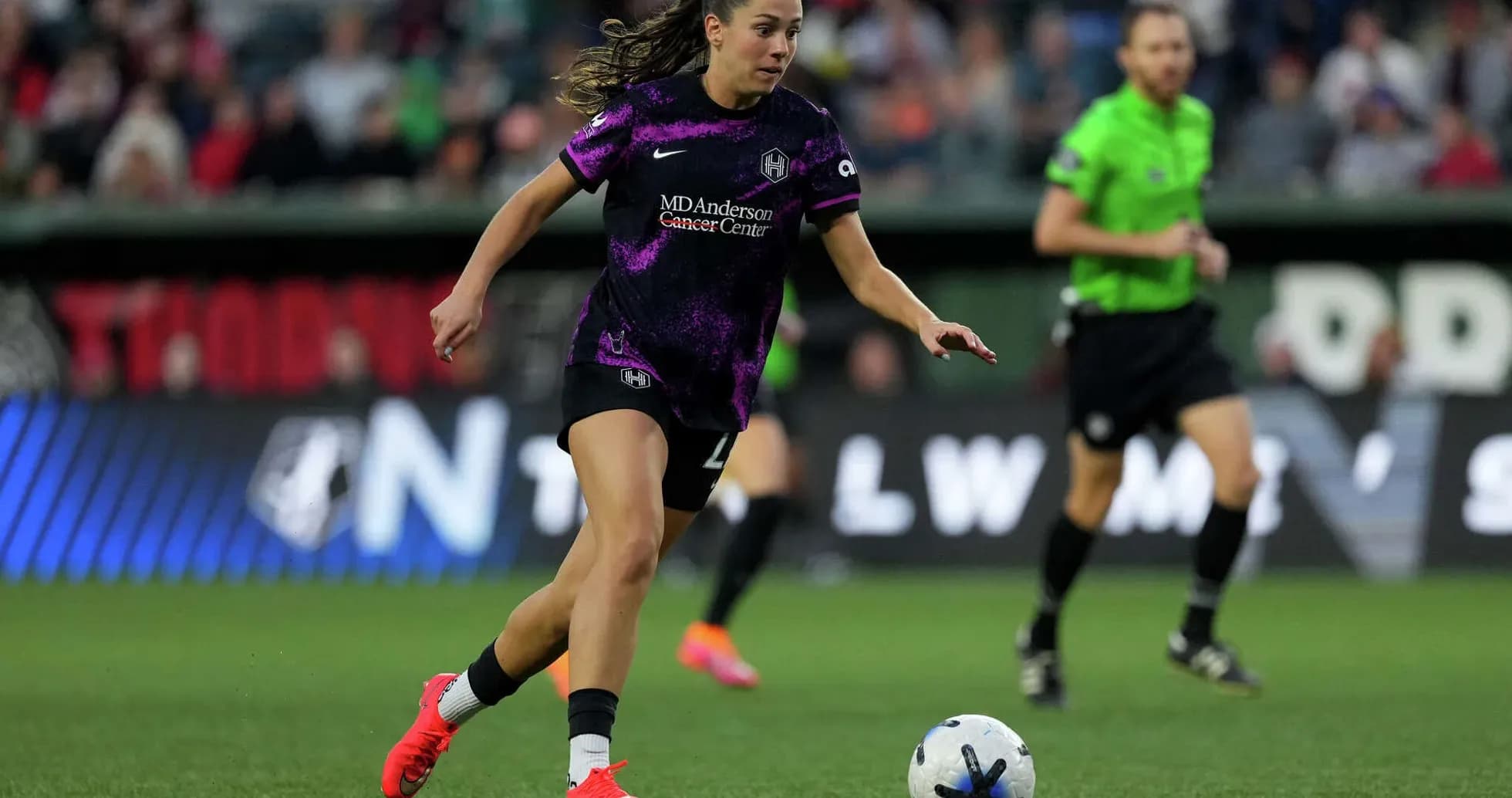
Portland Thorns vs Houston Dash: A Tactical Battle in NWSL
Washington Spirit vs Angel City: Tactical Analysis of NWSL Showdown

Kansas City W Dominates Denver Summit W 4–1 at CPKC Stadium
Racing Louisville vs San Diego Wave: Tactical Analysis of NWSL Clash
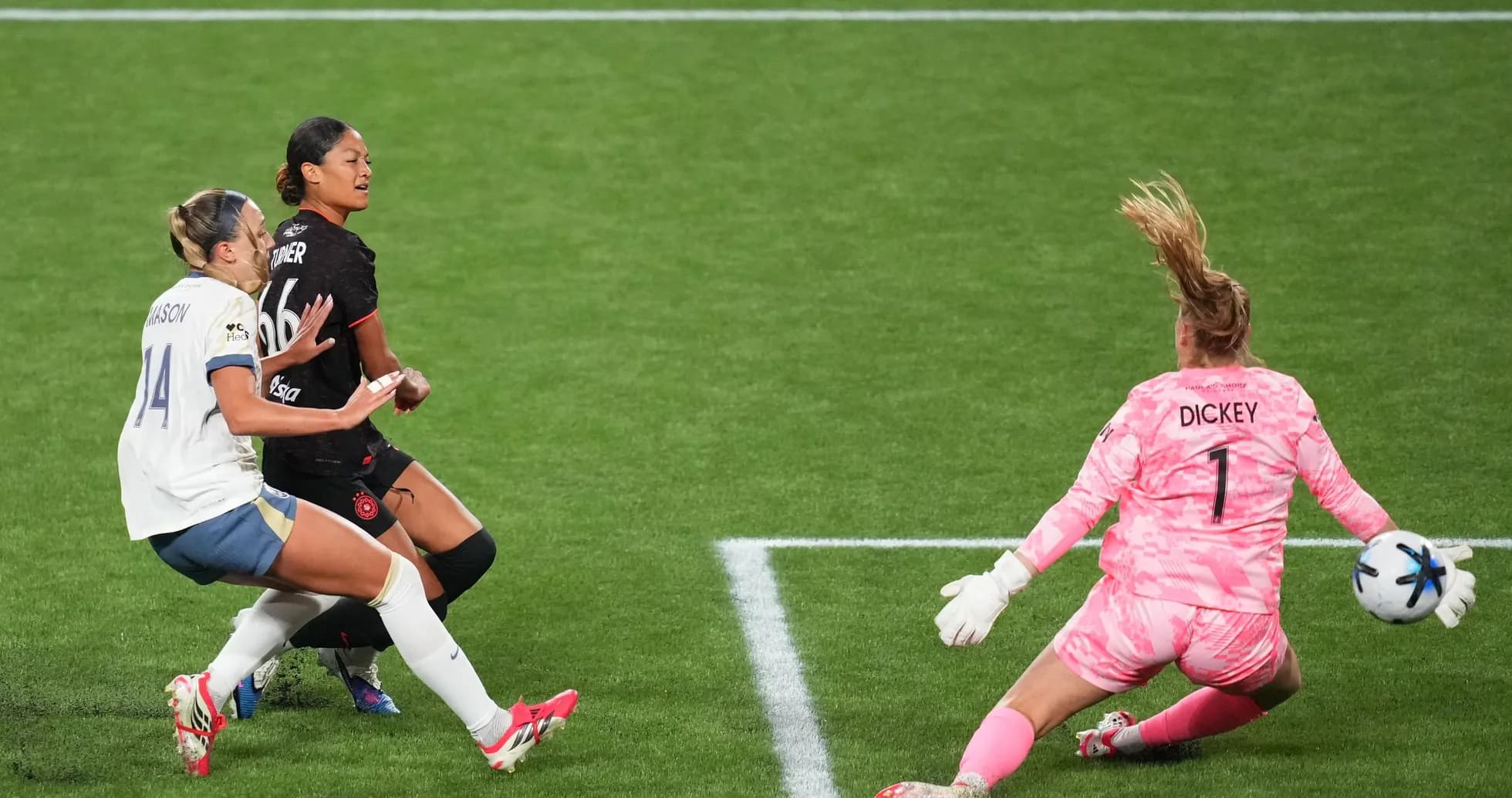
Portland Thorns Draw 1-1 Against Houston Dash in NWSL Clash

Kansas City W Dominates Denver Summit W in 4-1 Victory