
Washington Spirit vs Angel City: Tactical Analysis of NWSL Showdown
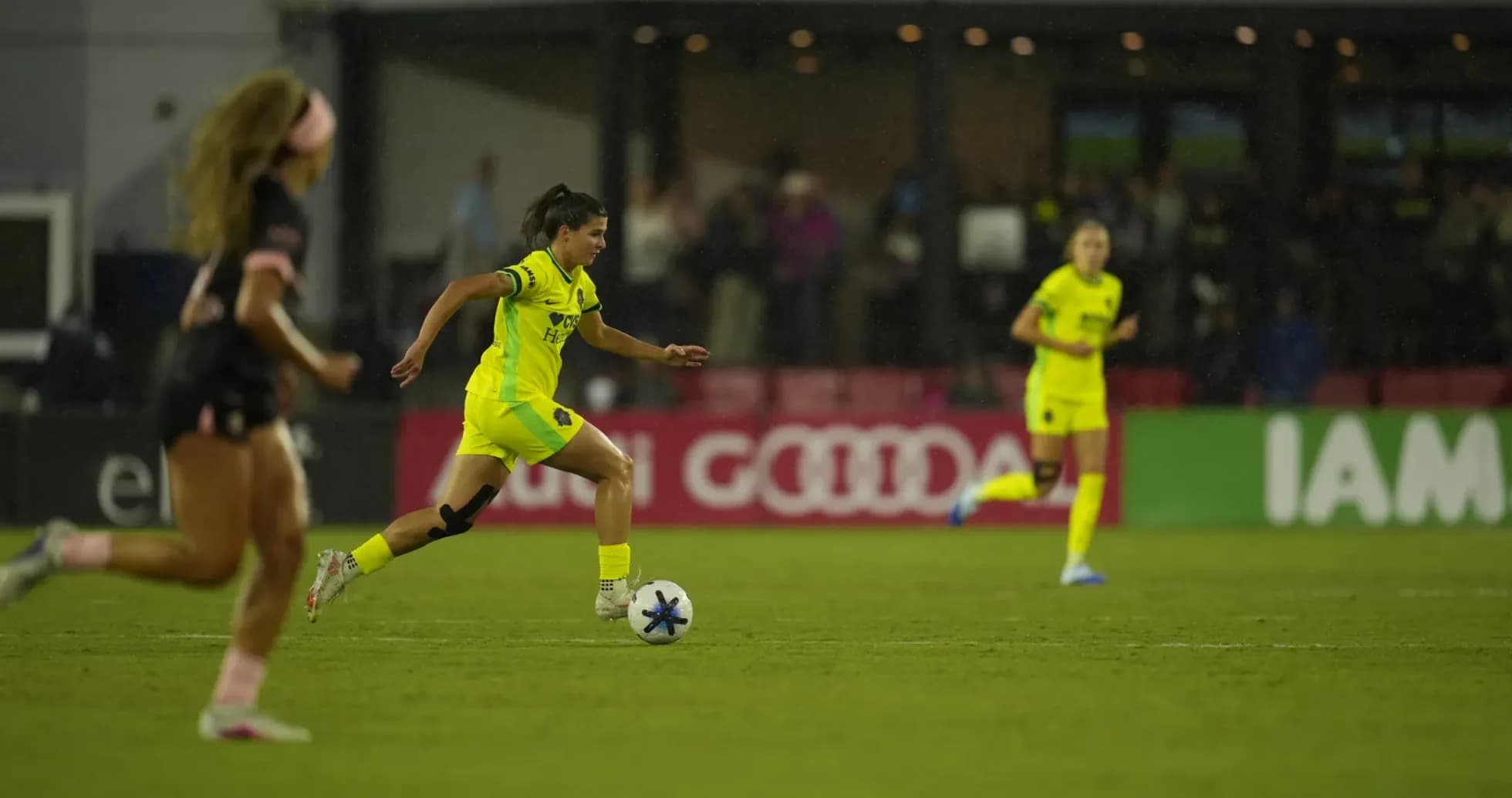
Audi Field under the lights, the Group Stage of the NWSL Women already shaping the playoff picture, and two teams who know exactly what is at stake. Washington Spirit W, sitting 3rd with 46 points and a goal difference of 12 (36 scored, 24 conceded overall), welcomed an Angel City W side in 6th on 42 points, boasting an even stronger goal difference of 16 (44 scored, 28 conceded overall). On paper it was a meeting of equals; on the pitch, it became a study in contrasting identities, decided by a single Angel City goal in a 1–0 away win.
I. The Big Picture – Styles Colliding
Heading into this game, Washington’s season-long profile was clear: a high-ceiling, occasionally volatile contender. Overall they had 14 wins, 4 draws and 8 defeats from 26 matches, with an overall scoring rate of 1.4 goals per game and 0.9 conceded. Yet that solidity frayed at Audi Field. At home they had 6 wins, 1 draw and 6 losses from 13, scoring 15 and conceding 14 – almost balanced, but with enough defensive leaks and attacking off-days to keep any supporter uneasy.
Angel City arrived as one of the league’s most dangerous traveling sides. On their travels they had taken 7 wins, 3 draws and just 3 defeats from 13, scoring 23 and conceding 12 – an away scoring rate of 1.8 against only 0.9 conceded. That is the profile of a side comfortable suffering without the ball and then punishing in transition.
The tactical clash was framed by the formations: Washington in a 4-3-3, Angel City in a 4-4-2. The Spirit’s shape promised width and aggressive pressing from the front three; Angel City’s 4-4-2 offered compact defensive lines and direct vertical outlets.
II. Tactical Voids and Discipline – Margins in a Tight Game
There were no listed injuries or suspensions, so the voids here were structural rather than personnel-based.
For Washington, the choice to shift from their most-used 4-2-3-1 (14 league starts) into a 4-3-3 (used 6 times overall) put more responsibility on Andi Sullivan at the base of midfield. Sullivan, who has already drawn disciplinary attention this season with 2 yellow cards and a yellow-red, was asked to screen the back four and connect to the advanced trio. With Hal Hershfelt and M. Ngock alongside her, the Spirit tried to create a three-player carousel to beat Angel City’s central block.
Angel City’s selection was notable for its balance. The back four of E. Shores, S. Gorden, E. Madril and S. King sat in front of goalkeeper A. Anderson, with a midfield line of G. Thompson, Ary Borges, C. Lageyre and A. Sentnor supporting the front pair P. Chilufya and S. Jónsdóttir. The visitors’ disciplinary profile this season has been spiky in key windows: 20.69% of their yellow cards arrive between 76–90 minutes, and they have already seen a red card in the 46–60 window. Yet they managed this away assignment with controlled aggression, picking their moments without tipping into chaos.
Washington, by contrast, have a card pattern that spikes in two phases: 22.22% of their yellow cards between 31–45 minutes and another 22.22% between 76–90. Those are precisely the periods when emotional control is most tested – just before the interval and in the closing stretch. In a match decided by a single goal, that tendency to grow ragged in the late game loomed over every transition.
III. Key Matchups – Hunter vs Shield, Engine Room vs Enforcer
The headline duel was always going to be Trinity Rodman against Angel City’s defensive unit. Rodman entered this fixture as Washington’s leading attacking force: 9 goals and 5 assists overall, with 64 shots (27 on target) and 25 key passes. Lined up nominally on the right of the 4-3-3, she was the Spirit’s “hunter,” tasked with stretching the visitors’ back line and attacking the space around E. Shores and E. Madril.
Angel City’s “shield” was not a single player but a structure. Shores, one of the league’s standout full-backs with 6 assists and 27 key passes overall, is as much a playmaker as a defender. Yet in this away setting, her first job was to contain Rodman and S. Cantore on Washington’s right side. With 37 tackles, 4 blocked shots and 35 interceptions overall, Shores has shown she can both step out to engage and recover into the defensive line. That blend of anticipation and physicality helped Angel City absorb Washington’s wide attacks and then flip the field quickly.
In the engine room, Ary Borges and C. Lageyre were pitted against Sullivan and Hershfelt. Washington’s midfield needed to progress the ball cleanly and protect their back four; Angel City’s duo needed to disrupt and launch. Borges, with her blend of technical quality and work rate, repeatedly looked to connect with A. Sentnor between the lines. Sentnor, Angel City’s creative hub with 7 goals, 3 assists and 40 key passes overall, floated into pockets just off the front two, dragging Washington’s midfield shape out of alignment.
The second “hunter” for Angel City was S. Jónsdóttir. With 6 goals and 3 assists overall and a rating profile that marks her as one of the league’s most efficient attackers, she occupied the channels between Washington’s centre-backs and full-backs. Her duels and diagonal runs forced L. Di Guglielmo and G. Carle to make constant decisions: step in and risk space behind, or hold the line and allow her to receive between the lines. That persistent stress eventually told in Angel City’s favour.
IV. Statistical Prognosis and What the Result Tells Us
Heading into this game, the numbers hinted at a knife-edge contest. Washington’s overall defensive record of 24 goals conceded in 26 matches (0.9 per game) suggested they could contain even a potent Angel City attack. But the split told a more nuanced story: at home they conceded 14 in 13 (1.1 per game), while Angel City on their travels scored 23 in 13 (1.8 per game). The critical intersection was obvious: Washington’s slightly softer home defence against one of the league’s most ruthless away attacks.
On the other side of the ball, Washington’s home scoring rate of 1.2 per match met an Angel City away defence conceding only 0.9 per game. The visitors’ ability to keep games tight, combined with their 6 away clean sheets overall, made the prospect of a Spirit goal anything but guaranteed. Washington’s 7 matches overall failing to score added another warning sign.
Layer in the penalty data and the margins grow even finer. Washington have taken 3 penalties overall, scoring 2 and missing 1 – a 33.33% miss rate that underscores their vulnerability when the game hinges on a single high-pressure moment. Angel City, by contrast, are perfect from the spot this season, scoring all 5 of their penalties.
In the end, the 1–0 Angel City win at Audi Field felt like the logical expression of these trends. Washington’s 4-3-3 offered ambition and width but left them walking a tightrope between control and exposure. Angel City’s 4-4-2, underpinned by a robust away defensive record and spearheaded by the creativity of Sentnor and the movement of Jónsdóttir, was built to exploit exactly this type of opponent.
From a tactical and statistical standpoint, the prognosis for future meetings is clear: unless Washington can turn Audi Field back into a fortress – improving both their home scoring consistency and their composure in those 31–45 and 76–90 minute windows – Angel City’s traveling blueprint will continue to give them the edge in tight, playoff-style encounters.
Related News

Kansas City W Dominates Denver Summit W 4–1 at CPKC Stadium
Racing Louisville vs San Diego Wave: Tactical Analysis of NWSL Clash
Portland Thorns Draw 1-1 Against Houston Dash in NWSL Clash

Kansas City W Dominates Denver Summit W in 4-1 Victory
San Diego Wave W Secures 0-2 Victory Over Racing Louisville W
Bay FC W vs Orlando Pride W Predicted Lineups and Team News