
The All-Ireland Final Ticket Allocation Process
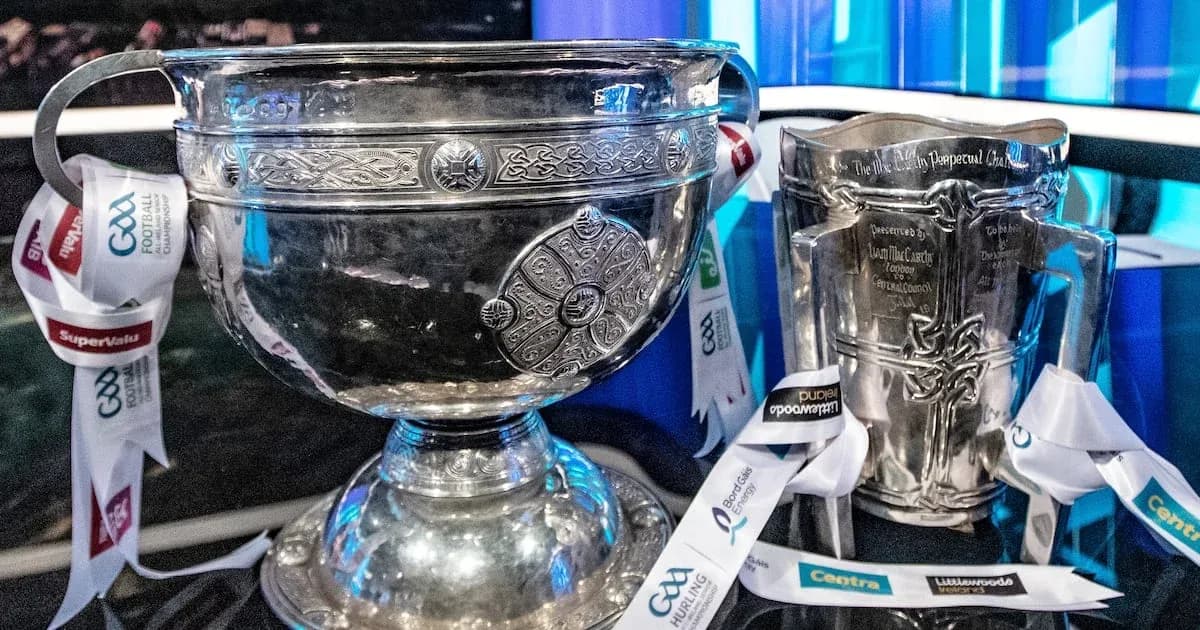
“Anyone buying or selling tickets?”
Outside Croke Park on All-Ireland final week, the old call rings out like a chorus. But behind the tradition, the GAA’s stance is blunt: stay away from unofficial sellers. For the biggest days in the hurling and football calendar, the organisation keeps a tight grip on every seat.
No tickets for the deciders ever hit general sale. None. They move instead through the GAA’s own ticketing office, then into the hands of county boards, and from there into the lifeblood of the association – the clubs. The two counties in the final get the largest slices, but the philosophy is clear: these are national occasions, not private parties.
Every club in the country, whether their county has a horse in the race or not, receives an allocation. Size, membership, and the range of codes played all feed into the formula. The All-Ireland finals are treated as shared property, belonging to every corner of the GAA map.
Croke Park can officially hold 82,300. For each final, 82,006 tickets are actually distributed. That still isn’t nearly enough.
Where the tickets really go
Demand dwarfs supply every year. The scramble is real, and it starts long before the last whistle of the semi-finals.
Of the 82,006 tickets, 71,478 are released for general distribution. Another 10,528 are ring-fenced for premium and corporate holders. The breakdown is laid out in black and white in the director general’s annual report, with the most recent figures – in the 2025 report – covering the 2024 All-Ireland finals.
County allocations dominate the numbers: 59,212 tickets go through county boards. In earlier years, the GAA also published the precise totals for the two finalists, each landing roughly 13,000 tickets. If counties with no skin in that year’s final don’t use their full allocation, those spares don’t sit idle; they’re re-routed back towards the competing counties, where demand is fiercest.
Around that core, the GAA carves out space for the rest of its sprawling community and partners:
- Provinces – 380
- Overseas units – 480
- Ard Chomhairle/Iar Uachtarán – 800
- Camogie – 140
- Ladies football – 100
- Rounders & handball – 212
- Sponsors – 1,250
- Press – 258
- TV & radio – 74
- Schools and education bodies – 1,666
- Third-level (colleges & universities) – 240
- Croke Park residents – 200
- Match officials & national referees panel – 228
- Health bodies & Sport Ireland – 60
- Match Day/Vertigo – 148
- Staff & subcommittees – 820
- Jubilee teams – 70
- Go Games – 188
- Term tickets – 2,358
- Season tickets – 2,594
Every figure has a constituency. Every block of seats has a story.
The rising price of the biggest days
Getting in is one battle. Paying for the privilege is another.
The GAA raised All-Ireland final ticket prices in 2024. A stand ticket now costs €100, a terrace spot €55. The last jump came in 2019, when prices went from €80 to €90 for the stand and from €45 to €50 on the terrace. For many, it’s still the must-have ticket of the year, no matter the cost.
With that backdrop, the question echoes all week.
Any chance of a spare before Sunday?
Officially, no. Realistically, people cling to hope. Tickets have a way of surfacing late, but nothing is guaranteed.
Inside the clubs: raffles, rewards and hard choices
Once the envelopes land in club hands, the real politics begin.
How clubs distribute their allocation is entirely their own business. Some use a chunk of tickets to drive fundraising, turning them into top prizes in raffles and draws. Others get creative. In Limerick, the county board has launched a competition for the most imaginatively decorated homes and businesses ahead of the All-Ireland hurling final against Galway, with two tickets for Sunday’s game as the reward.
Plenty of clubs ringfence tickets for officers, team management and long-serving volunteers – a quiet nod to the people who keep the place running all year. And as the phone calls and messages pile up, one role becomes especially unforgiving.
This is the week when club secretaries truly earn their keep.
What about the players and backroom teams?
While the public wrestles with allocations and raffles, the competing squads have their own arrangements.
Croke Park confirms that anyone on the official county panel is accredited in advance of the game. Where they end up on the day depends on their job. Managers and selectors patrol the sideline. Analysts and statisticians work from a dedicated box in the lower Hogan Stand. More spaces are reserved in the upper Hogan Stand for those handling analysis and recordings.
Every vantage point is accounted for. Every role has its place.
By the time the ball is thrown in, the numbers, the favours and the phone calls all fade. What’s left is what the GAA has always insisted the All-Ireland final should be: a national stage, 82,006 tickets spoken for, and a stadium full of people who know just how hard it is to get there.
Related News
India's Record Chase of 406 Against West Indies Highlighted by Gill's 223 and Rohit's Century

Alex Pereira Hints at Major UFC Bout: 'Big Challenge' Ahead
Three Hall of Famers, Ten Fights, 109 Rounds: The Forgotten Rivalry That Shaped Lightweight Boxing's Golden Era

Khamzat Chimaev and Colby Covington Set for RAF Abu Dhabi Title Clash in November

Thomas Tuchel Confident Harry Kane Will Join 100-Goal Club for England Soon

Cristiano Ronaldo Vows to Reveal Truth After Leaving Portugal Squad Amid Conflict