
Andoni Iraola's Liverpool: Challenges and Opportunities Ahead
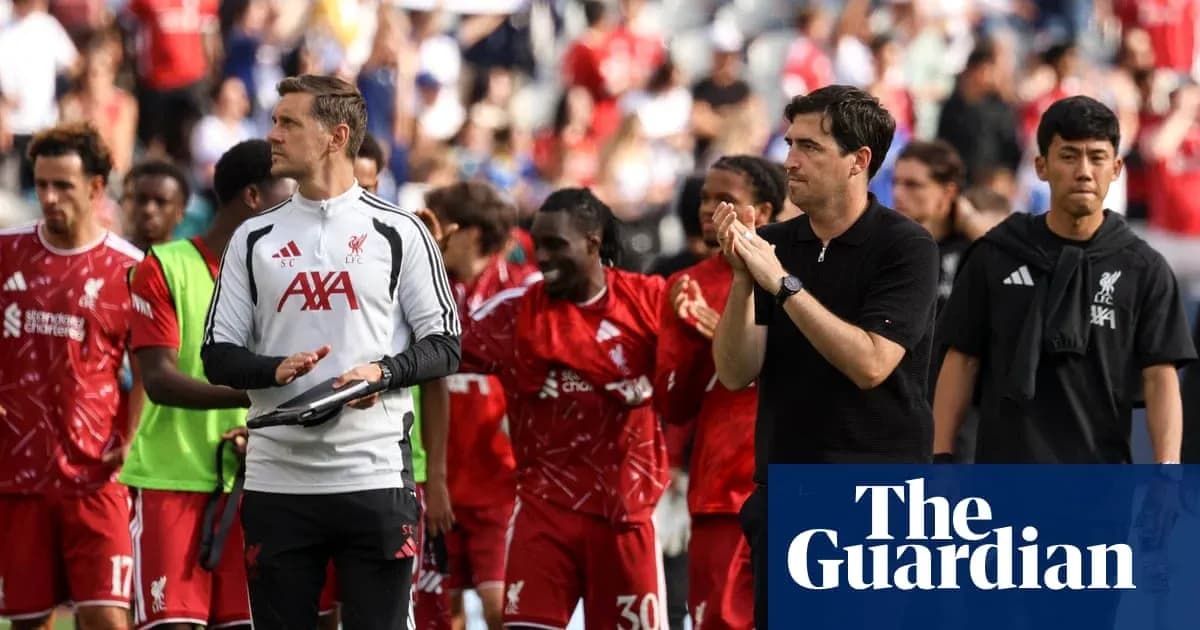
The new Liverpool head coach has barely unpacked his bags and already has a pre-season tour, three games, a minor injury crisis and a few brewing selection dramas behind him. Nashville, New York and Chicago offered a first glimpse of Andoni Iraola’s Liverpool: sharp in flashes, short on numbers, and nowhere near the finished article.
Victories over Sunderland and Wrexham brought noise and optimism. The 4-2 defeat by Leeds in Chicago brought a jolt of reality. Across those 270 minutes, the outlines of Iraola’s vision appeared – and the gaps that still threaten to undermine it were laid bare.
A style that crackles – and a reminder of old problems
For 45 minutes against Leeds, Liverpool looked like a team that had been waiting for this kind of football. The press bit. The tempo rose. With more senior players back in the side, Iraola’s front-foot, high-intensity approach crackled around Soldier Field. Leeds struggled to breathe.
Then the changes came. So did the familiar failings.
Set pieces, Liverpool’s soft underbelly last season, hurt them again. Concentration slipped. Organisation frayed. A bright, aggressive first half dissolved into a second period that will bother Iraola far more than the scoreline itself. The issues were not new; that is precisely the concern.
This is still only the first draft of his Liverpool. Iraola has not yet coached Virgil van Dijk, Cody Gakpo, Alisson, Alexis Mac Allister or new signing Víctor Muñoz. He has not even met some of them in person. They report back to the AXA Training Centre on Wednesday after their extended breaks, with Mac Allister still away following his World Cup exertions.
There are fewer than three weeks to go before Liverpool open their Premier League campaign at Newcastle. Only a double-header against Como at Anfield remains on the friendly schedule. Iraola knows the timeline is unforgiving. He admitted he cannot simply walk into St James’ Park with a perfectly tuned machine. The idea is clear; the execution will take time.
A squad that needs help – and quickly
Time is not the only thing Iraola needs. He needs players.
Across the tour, he operated without eight first‑teamers on post‑World Cup holidays and six more through injury. Joe Gomez even joined the casualty list in the US. Fourteen absentees would stretch any coach’s plans; for a new manager trying to imprint a demanding style, it is a major handicap.
Even when everyone is back, the holes are obvious.
Mohamed Salah’s departure was announced in March. Talks to cut short his final year began even earlier. Five months on, Liverpool still have not replaced one of the most decisive forwards in their history. The right flank, once the most predictable source of goals in Europe, now looks like a puzzle with missing pieces.
Conor Bradley’s serious knee injury leaves Liverpool light at right-back. In central defence, the club are banking on promise rather than proof. Jérémy Jacquet and Giovanni Leoni are highly regarded, with Leoni returning from his ACL layoff in imposing physical shape, but neither has Premier League experience. Ifeanyi Ndukwe impressed in the US yet cannot play this season because of post‑Brexit work permit rules. Mor Talla Ndiaye and other youngsters showed encouraging signs, but potential does not win points in April.
Gomez’s body has been through too much to be counted as a guaranteed, week-in-week-out option. At this stage of his career, he is a bonus when available, not a pillar to build around.
Iraola spoke interestingly about his preference for wingers who can operate on both sides, and the benefit of switching them mid-game to unbalance defences. It is a modern, flexible idea. It will matter little, though, if Liverpool do not solve the basic question of who actually owns the right side of their attack and defence. Even if they succeed in prising Bradley Barcola from Paris Saint‑Germain, that flank remains a delicate construction.
Nyoni forces his way into the picture
The shortage of senior players opened the door for academy talent, and several walked through it with purpose. Lewis Koumas, Kieran Morrison, Luke Chambers, Ndukwe and Talla Ndiaye all did their reputations no harm on tour.
One name, however, refused to fade into the background: Nyoni.
The 19‑year‑old grew with every outing. Last season, he and Rio Ngumoha were regular faces in Arne Slot’s squad, but only Ngumoha saw real league minutes, with 19 Premier League appearances and five starts. Nyoni had to make do with six cameos from the bench.
This summer felt different. Nyoni looked instantly in tune with Iraola’s demand for verticality – find the forward pass early, find it under pressure, and find it again. He received the ball in tight spaces and played through lines, not around them. His movement created angles; his composure sustained attacks.
His involvement in the buildup to Florian Wirtz’s goal against Leeds stood out. The pass that opened the move was weighted and timed to perfection, a moment that summed up his contribution across the tour. After the game, Nyoni spoke about knowing he had to improve this summer. On the evidence of the US, he has delivered on that promise.
When Iraola sits down to map his midfield options for the season, Nyoni will not be a footnote. He will be in the conversation.
Jones drifts towards the exit door
Curtis Jones arrived in America with a chance. He leaves with more questions around his Liverpool future.
With 12 months left on his contract and growing interest from Inter, this pre‑season looked tailor-made for a boyhood Liverpool fan to convince a new manager he belongs at the heart of the project. Instead, Jones often appeared on the periphery, both tactically and emotionally.
Where Nyoni and Dominik Szoboszlai adapted quickly to Iraola’s central‑midfield demands, Jones struggled, particularly in the second half against Leeds. The role requires speed of thought, aggression without the ball and a willingness to play forward under pressure. Jones rarely looked at ease.
His reaction to a symbolic moment did not help. Against Wrexham, Szoboszlai passed the captain’s armband to Kostas Tsimikas rather than Jones. The 25‑year‑old’s petulant response was noticed. The same thing had happened earlier against Sunderland, when Gomez went off and Tsimikas again received the armband.
From Jones’s perspective, the frustration is understandable. He is a long‑serving academy graduate, one of the more senior figures on a youthful touring party, and he sees a reserve left-back who spent last season on loan at Roma wearing the armband ahead of him. For a local lad, that stings.
Jones, Szoboszlai and Tsimikas later played down the incident, laughing it off as social media noise. Yet the optics jarred with Iraola’s public emphasis on the collective during the tour. For a coach determined to build a hard-running, team-first culture, any hint of individual sulking cuts against the grain.
With the clock ticking on his contract and a new regime taking shape, Jones feels closer to the exit than the centre of Iraola’s plans.
Szoboszlai steps into the void
If there was any doubt about who carries the face of this new Liverpool into the season, the US tour answered it.
With Salah, Andy Robertson, Van Dijk and Alisson absent, Dominik Szoboszlai became the main attraction. Every time his name appeared on a teamsheet or he emerged from the dugout, the noise rose. Cameras followed him. Fans wore his shirt. Across three cities, the Hungary captain was the poster figure of the post‑Salah Liverpool.
He justified the attention. Fresh from signing a new five‑year contract, Szoboszlai trained with an intensity that set the standard for a young group. Iraola leaned on his personality as much as his talent. In a squad missing so many senior voices, Szoboszlai’s leadership on the grass and around the camp carried weight.
Given the departures of Salah and Robertson, Liverpool suddenly have vacancies in their leadership group. On and off the pitch, Szoboszlai looks an obvious candidate to step into a vice‑captain role. He already behaves like one.
The tour ends with Iraola back on Merseyside, a notebook full of problems to solve and a handful of answers he did not necessarily expect. His style has landed. His squad has not. The question now is simple: will the club move fast enough in the market – and will the dressing room move fast enough in mentality – to match the demands of the man in the dugout?
Related News
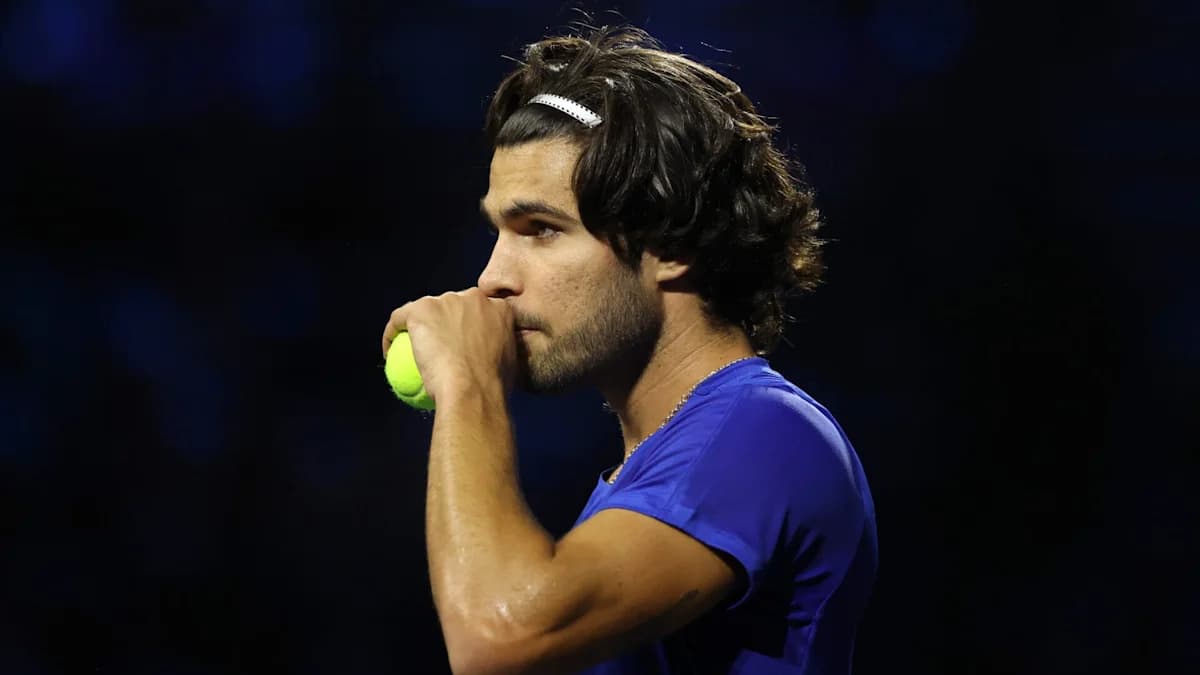
Carlos Alcaraz Calls for Change After Laver Cup Court Conditions
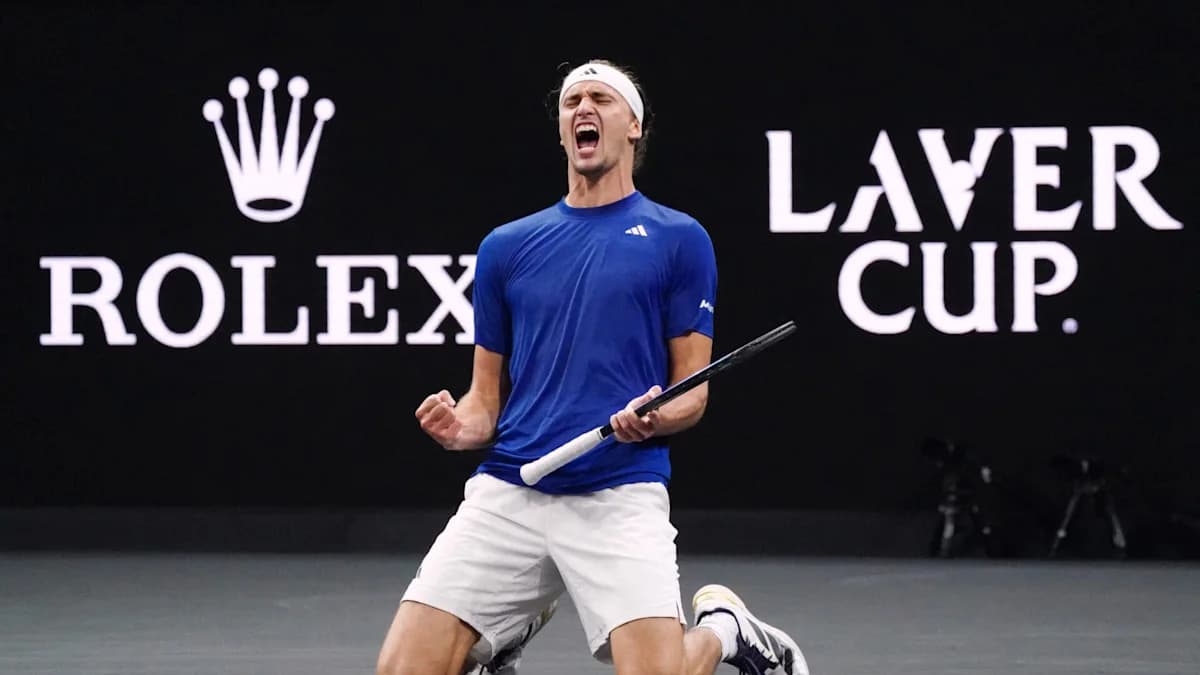
Alexander Zverev Secures Laver Cup Victory for Team Europe with Straight-Set Win Over Learner Tien
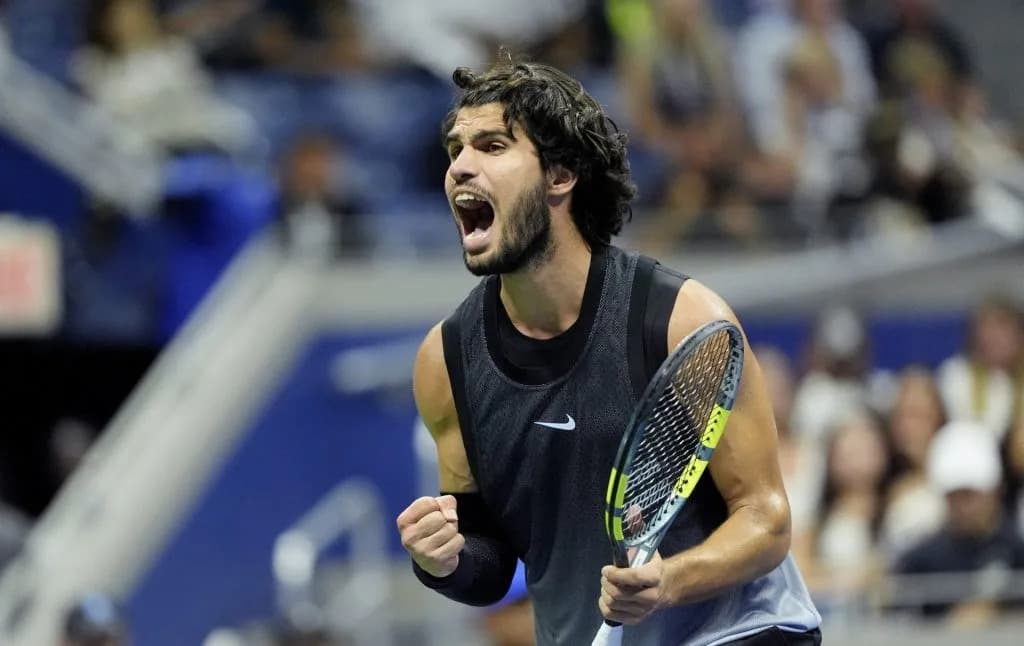
Carlos Alcaraz Urges an End to Matches Ending in the Early Hours
Carlos Alcaraz Criticizes Late US Open Finish After 3:30 a.m. Match
Jannik Sinner Set for ATP 500 Return in Beijing with Novak Djokovic Also Competing

Meet Iva Jovic: The American Tennis Prospect Making Waves