
Argentina's World Cup Exit Casts a Shadow Over Lionel Messi's Farewell
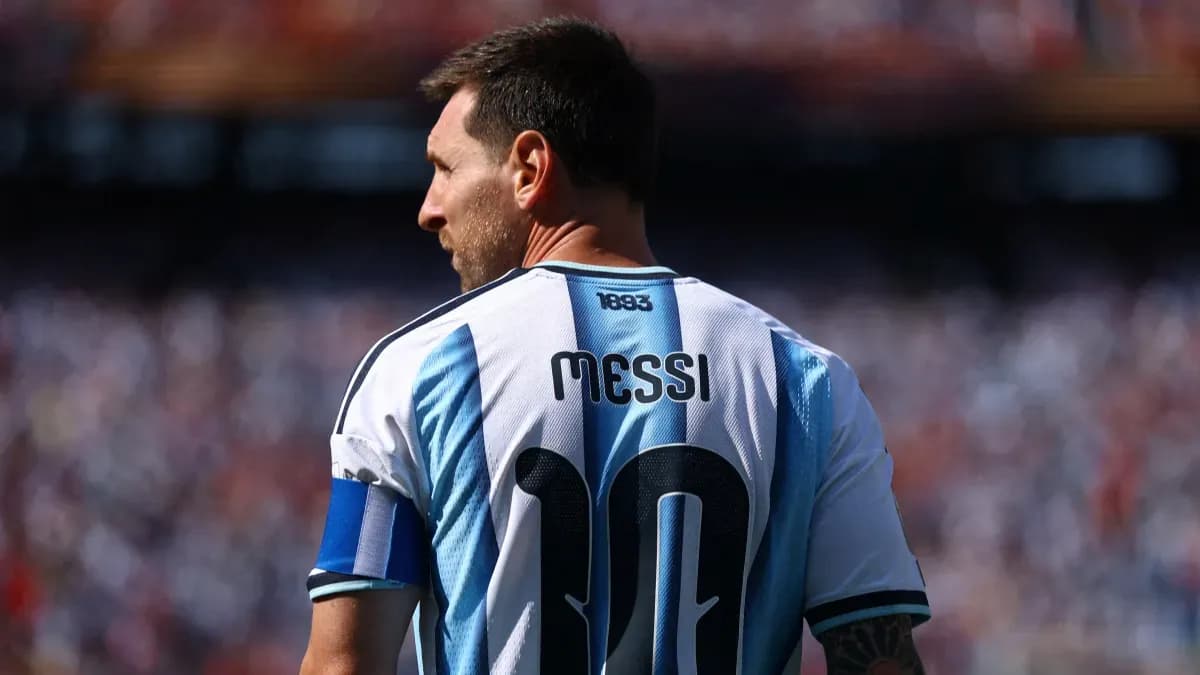
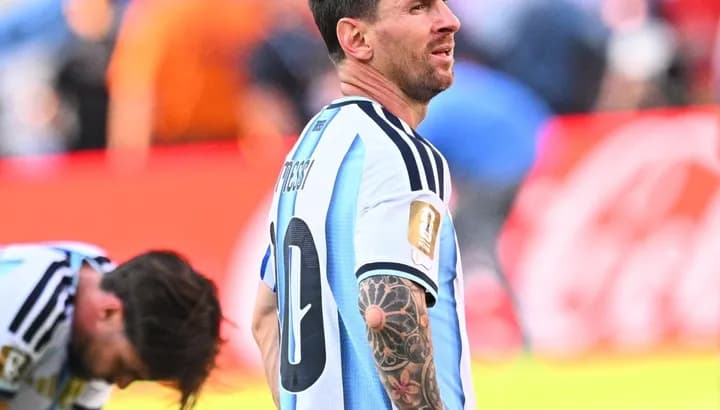
As Spain's players erupted in celebration following Ferran Torres' decisive goal, Lionel Messi stooped down to adjust his socks. This was not the fiery Messi we've witnessed countless times over two decades. Instead, he appeared drained. His third World Cup final turned into a reluctant endurance test under the New Jersey sun.
By extra time in the 2026 World Cup final, Argentina’s last real chance came from Lautaro Martinez’s semifinal-winning goal against England. Messi barely made an impact, his presence on the field reduced to minimal involvement as he trudged along the edges of the action. Perhaps that offers some explanation—after such a storied career, anyone with dignity might want to distance themselves from Argentina’s disgraceful display in their 1-0 loss at MetLife Stadium.
Argentina: Beauty and Brutality Intertwined
Argentine football captivates and confounds simultaneously. Its rich history is woven with legendary tales and conflicting styles. Messi represents the pinnacle of beautiful football, yet many Argentines believe their national style belongs to the people—the passionate, spirited roots from River Plate’s La Maquina in the 1940s to Maradona’s golden era.
The 1957 Copa America team stands out in Argentine lore, featuring a flamboyant forward line known as la nuestra, symbolizing the country’s attacking flair. Federico Vairo famously referred to those players as “sinverguenzas” (shameless ones) and “caras sucias” (dirty faces), acknowledging the cunning and street smarts that have always been part of Argentina’s football identity. Maradona’s infamous Hand of God goal alongside his Goal of the Century epitomizes this blend of artistry and gamesmanship.
Some Argentine teams leaned heavily into toughness, like Estudiantes in the late 1960s, whose physical style earned them Copa Libertadores titles and notorious clashes with European giants. The nation’s first two World Cup triumphs reflected this divide. Cesar Luis Menotti’s attacking approach won in 1978, but by 1986, pragmatist Carlos Bilardo’s tougher tactics powered Maradona to victory. The 1990 final, marked by red cards and a dour 1-0 loss to West Germany, remains one of the ugliest World Cup finals—though Sunday’s match in Meadowlands may rival it.
Messi's Bittersweet End to a Brilliant Era
This constant tension between elegance and grit drives Argentine football. After near misses in recent years, the 2020s arrived with Messi’s career winding down. Coach Lionel Scaloni rebuilt a flawed but effective team, easing the burden on Messi’s shoulders.
Qatar 2022 brought joy amid intense pressure. Young talents Enzo Fernandez and Julian Alvarez added energy, Angel Di Maria shone brilliantly, and Messi dazzled en route to what many consider the best World Cup final ever against France.
Argentina followed their 2021 Copa America win with another title in 2024. Messi stunned fans with six goals in the group stage in the US, including a hat-trick against Algeria. His magical goal versus Cape Verde showcased his unique skill. In the knockout rounds, he scored crucial goals against Egypt and burst into tears after the comeback victory.
Things became tougher facing European sides. Argentina scraped through Switzerland after extra time, edged past England, but then met a fresher, technically superior Spain side in the final.
Argentina Falls Back on Darker Tactics
In the final, Scaloni’s team resorted to darker chapters from their history. Referee Slavko Vincic allowed Argentina some leeway. Alexis Mac Allister avoided a booking for a harsh tackle on Dani Olmo, setting the tone. Argentina then focused on disrupting Spain’s passing rhythm, pushing boundaries aggressively.
There was no counterbalance of beautiful football. Spain’s control forced Argentina to stop trying. Fernandez received a red card for excessive petulance before fulltime. Leandro Paredes entered at halftime, playing more like a thug than a midfielder. Had he been sent off, he wouldn't have joined the post-match chaos when Nahuel Molina charged onto the pitch and clashed with Rodri. Rodri took home the player of the tournament award—a prize many thought should have gone to Messi.
Near the end of regular time, Messi made a brief attempt to influence the referee, accusing Marc Cucurella of unsporting behavior. Even Messi engaged in the petty games, likely because Argentina had little else left.
The atmosphere as Spain celebrated was one of forgettable disappointment. Who would want to recall Messi participating in a team that tried to snatch victory through questionable means? This doesn’t tarnish Messi’s legacy; nothing will. Still, it's a sad way for his chapter with Argentina to close—scrambling desperately in the mud with the very team that helped him reach football’s summit.
Related News

FIFA Opens New Football Arenas in Palestine to Support Youth in the West Bank
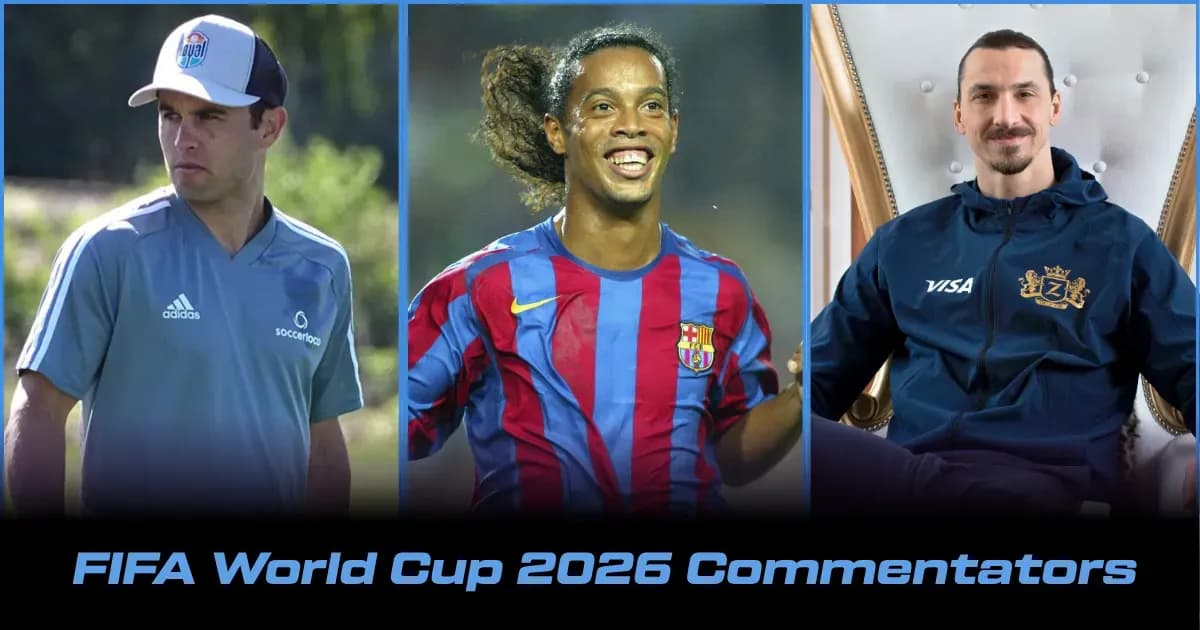
FIFA World Cup 2026: Complete List of Commentators and Presenters
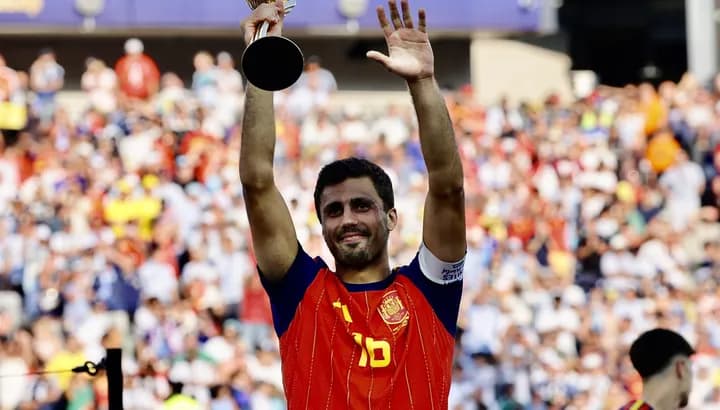
World Cup 2026 Best XI: Messi, Rodri, Mbappe Lead the Team of the Tournament
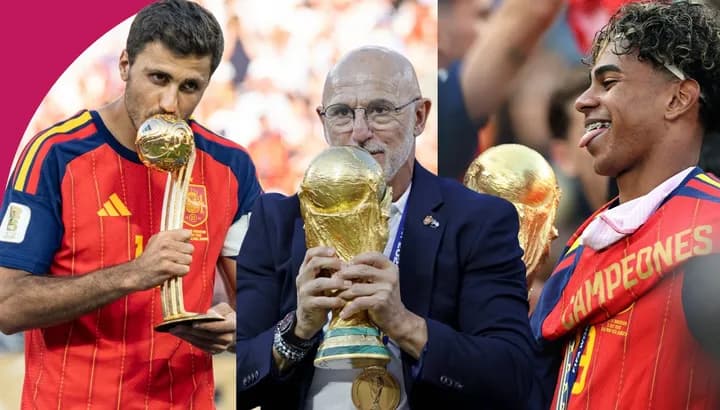
Spain's Tactical Mastery Secures Second World Cup Victory in 2026
Top 10 Players of the 2026 World Cup: Mbappe or Messi at the Summit?
Gianni Infantino Responds to Critics Amid 2026 World Cup Celebrations