
Arsenal vs Manchester City: A Premier League Showdown
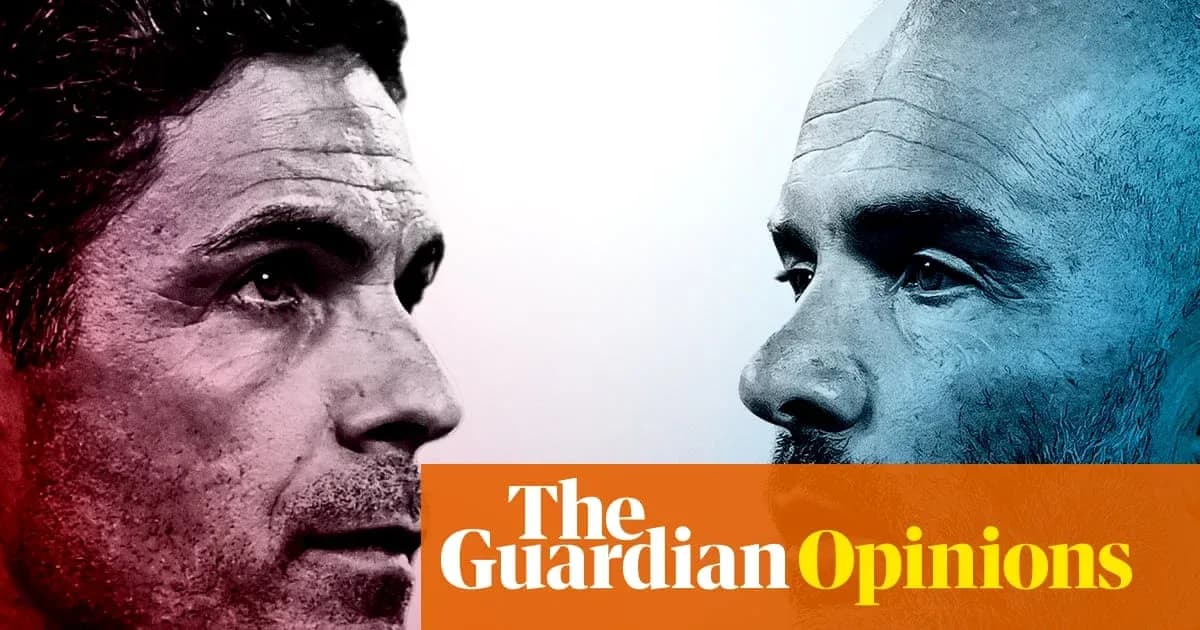
The most awkward question in football rarely arrives during a crisis. It comes after the parade, when the confetti has been swept away and the medals are in a drawer. What now?
Arsenal have waited 22 years to ask it. Twenty-two years for a 14th league title, three straight seasons of finishing second, a relentless climb that finally ended with Mikel Arteta lifting the Premier League trophy in May. The physical toll was obvious by the time the World Cup came around: Declan Rice running on fumes, Bukayo Saka flickering rather than blazing, William Saliba carrying a back problem. The emotional drain was just as heavy.
Now comes the part that can undo champions. Sustaining the edge.
A strange new Premier League landscape
The opening weeks after a World Cup are often scruffy and uneven. Legs are heavy, minds wander, pre-season is chopped up. This year feels even more unstable.
Nine of the 20 Premier League clubs have changed manager. For the first time in four decades, none of the defining coaches of the modern era – Sir Alex Ferguson, Arsène Wenger, José Mourinho, Jürgen Klopp or Pep Guardiola – will stand in a technical area on opening weekend. The league has lost its old landmarks.
Even Arsenal, with the longest-serving manager in the division, sit in a cloud of questions. Can they go again at the same intensity? Will a squad that has finally scaled the mountain accept the grind of another climb? A slow start would surprise nobody.
On the other side of Sunday’s Community Shield, Manchester City arrive from a very different place. Two seasons that fell short of their own extreme standards, a decade under Guardiola brought to an end, a new man in the dugout and a fanbase trying to work out what comes next.
Enzo Maresca steps into the light with a profile that somehow feels both familiar and unproven. He looks like Guardiola, coaches a version of Guardiola’s positional football, and even served as his assistant. His CV is respectable: promotion with Leicester, a Europa Conference League and a Club World Cup with Chelsea. Yet the noise from those clubs was uneasy. Style over substance, some argued. Others wondered whether he maximised the talent at his disposal, even if Chelsea collapsed after he left.
The Community Shield will not answer all of that. It might not answer much. But it will give the first glimpse of how this new City intends to live without the man who defined them.
A trophy that tells the truth only later
The Community Shield has always been a strange barometer. It is a curtain-raiser dressed up as a trophy, a match that looks important on the day and then tends to drift into the background. In one sense, it actively misleads: no winner since 2018 has gone on to lift the Premier League. As a predictor of champions, it has become an anti-bellwether.
Where it does occasionally matter is in what it exposes. Not the polish of a title-winning machine, but the cracks that might later split open.
The classic example remains 1974, when Kevin Keegan and Billy Bremner’s fight on the Wembley turf revealed something deeper. Keegan’s unease at Bill Shankly’s retirement, Leeds United’s fraying belief under Brian Clough – the real story only became clear months later.
Often, the clues are there but ignored. José Mourinho turned up for the 2015 Community Shield in tracksuit bottoms, a baggy T‑shirt and unshaven, then lost to Wenger for the first time. It felt odd at the time, but few grasped how fast things would unravel at Chelsea. By December, he was gone.
Last season’s edition, a 2-2 draw before Crystal Palace beat Liverpool on penalties, offered plenty of hints too. Arne Slot’s Liverpool looked disjointed. Mohamed Salah seemed out of sync with the rest of the front line. The defence creaked and twice surrendered a lead. Those who wanted to see “just pre-season rust” could do so. By autumn, the same issues were still there.
That is the trick with this game. Is it a dress rehearsal, or just a fitness exercise played under bright lights?
Arsenal’s new faces and old dilemmas
This year’s meeting does not come with obvious grand narratives. It is more about details, selection calls, and how both managers juggle World Cup fatigue with the need to sharpen up.
For Arsenal, Bruno Guimarães is the headline name. He came off the bench in Wednesday’s friendly against Como and could feature again at Wembley, likely alongside Myles Lewis-Skelly in midfield. Lewis-Skelly, just 19, has been one of the stories of Arsenal’s pre-season, stepping up while Rice, Martín Zubimendi and Martin Ødegaard enjoyed extended breaks after the World Cup.
His future, though, is not entirely clear. He has been linked with a move away, which is why his celebration against Como – heart-shaped hands, a tap of the badge – carried a little extra weight. Gesture or statement? Arsenal will not answer that this weekend, but his presence on the team sheet will be watched closely.
One area where the questions are more concrete is the left side of the attack. Leandro Trossard has been sold, leaving a gap that Arsenal have tried, and not fully managed, to fill. Morgan Rogers chose Chelsea, Vinícius Júnior stayed put at Real Madrid. So the club turned to Christos Tzolis, the 24-year-old Greece international from Club Brugge.
Sunday offers the first serious look at how Tzolis fits Arteta’s structure. Is he a starter, a rotation piece, or a stepping stone before another signing? If Arsenal look short of incision down that flank against elite opposition, the answer might come quickly.
City’s midfield upheaval
City’s most delicate issue sits in the centre of the pitch. Rodri’s proposed move to Barcelona has yet to be completed, but the possibility hangs over everything. As long as his future remains unresolved, City’s plans for the heart of their team feel half-drawn.
The preferred replacement appears to be Enzo Fernández. Technically gifted, sharp on the ball, but not the same physical presence Rodri provides. City have tried to hedge that risk with the signing of the more robust Elliot Anderson, yet the question remains: can they anchor a midfield with a lighter profile in the Premier League’s most demanding zone?
The rest of the engine room is in flux as well. Tijjani Reijnders, who started friendlies against Inter and Atlético, is heading to Al-Qadsiah. Bernardo Silva has joined Real Madrid. Two intelligent, versatile midfielders gone in quick succession, leaving Maresca to remodel the department that has long been City’s brain.
Where Phil Foden fits into that rebuild is another unknown. Since being named player of the year in 2024, his form has dipped. He started both the Inter and Atlético friendlies, a sign that Maresca still sees him as central to the project. With others still shaking off the World Cup, the next few weeks give Foden a clear runway to reassert himself.
Then there is the quieter loss that might matter more than it looks on paper. John Stones has left after starting only 11 games across the past two seasons. From a purely tactical standpoint, City have already learned to live without him. From a dressing-room perspective, it is different. Stones and Bernardo were part of the core that carried Guardiola’s voice onto the pitch. Remove them, remove Guardiola, and the personality of the squad inevitably shifts.
A glimpse, not a verdict
So Sunday becomes something more subtle than a season-defining clash. It is a first sketch of what the new City might be, and a check on whether Arsenal still play as if they are chasing, not defending.
Arteta will want signs that the edge remains: the press still ferocious, the duels still personal, the celebrations still wild. Maresca will look for patterns, for automatisms, for any sign that his ideas are taking root in a group that has known only one way for ten years.
But it is still only the Community Shield. The pitch will be immaculate, the stands loud, the trophy gleaming – and the conclusions should be handled with care.
The real judgement comes later, when the legs are tired again and the pressure returns. When Arsenal are no longer the hunters, and City are no longer Guardiola’s City.
Related News
West Ham Break EFL Transfer Record for Arne Engels from Celtic
Coventry Targets Taiwo Awoniyi for Premier League Ambitions
Hafid Derradji Critiques Mohamed Salah's Trabzonspor Move: 'What a Shame'
Fenerbahce Dismisses Jamie Gittens Transfer Rumors
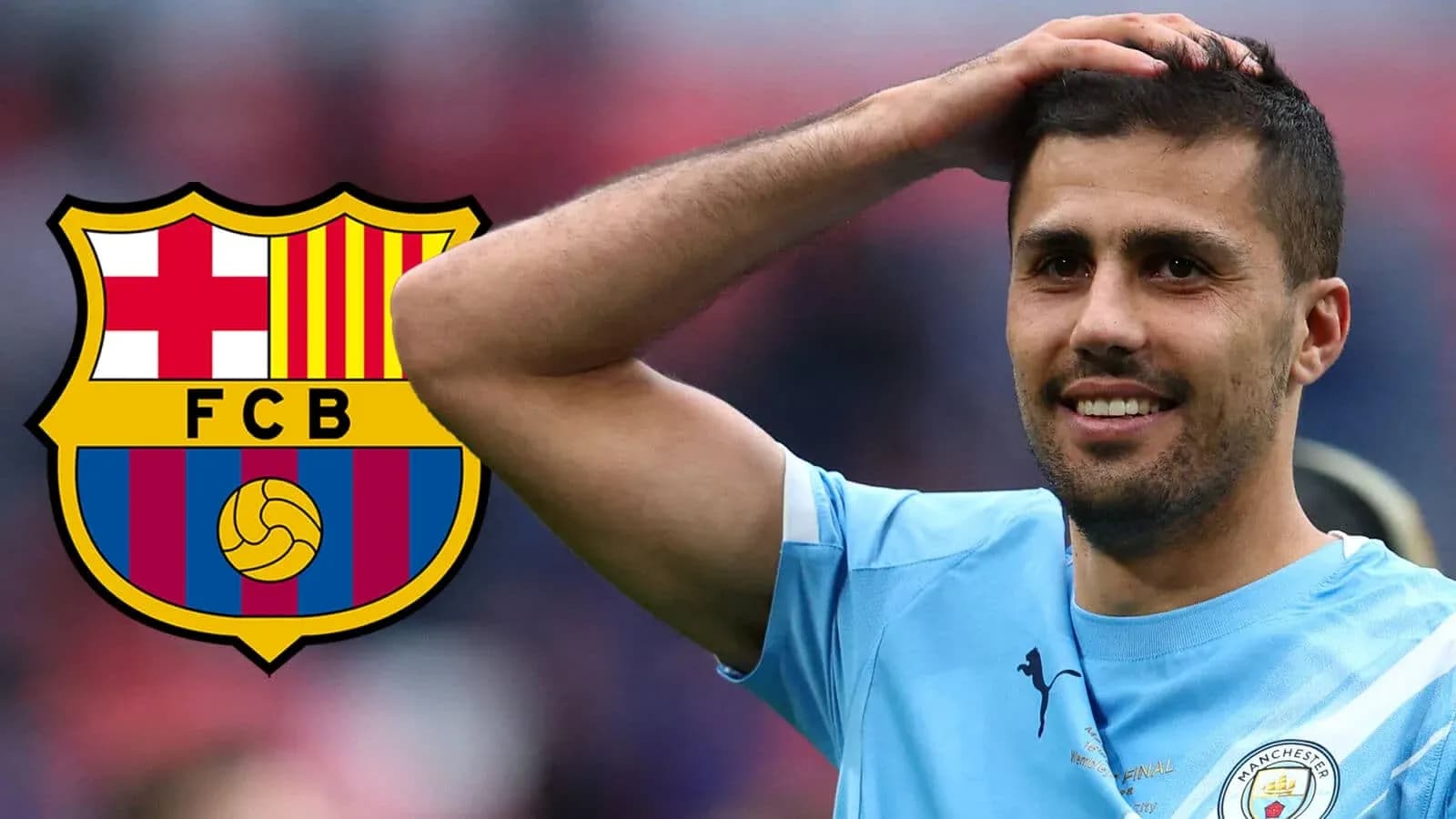
Barcelona Pursues Rodri with New €70m Bid
Arsenal Weigh Up Move for Barcelona Defender Jules Kounde