
Arsenal vs Paris Saint Germain: UEFA Champions League Final Insights
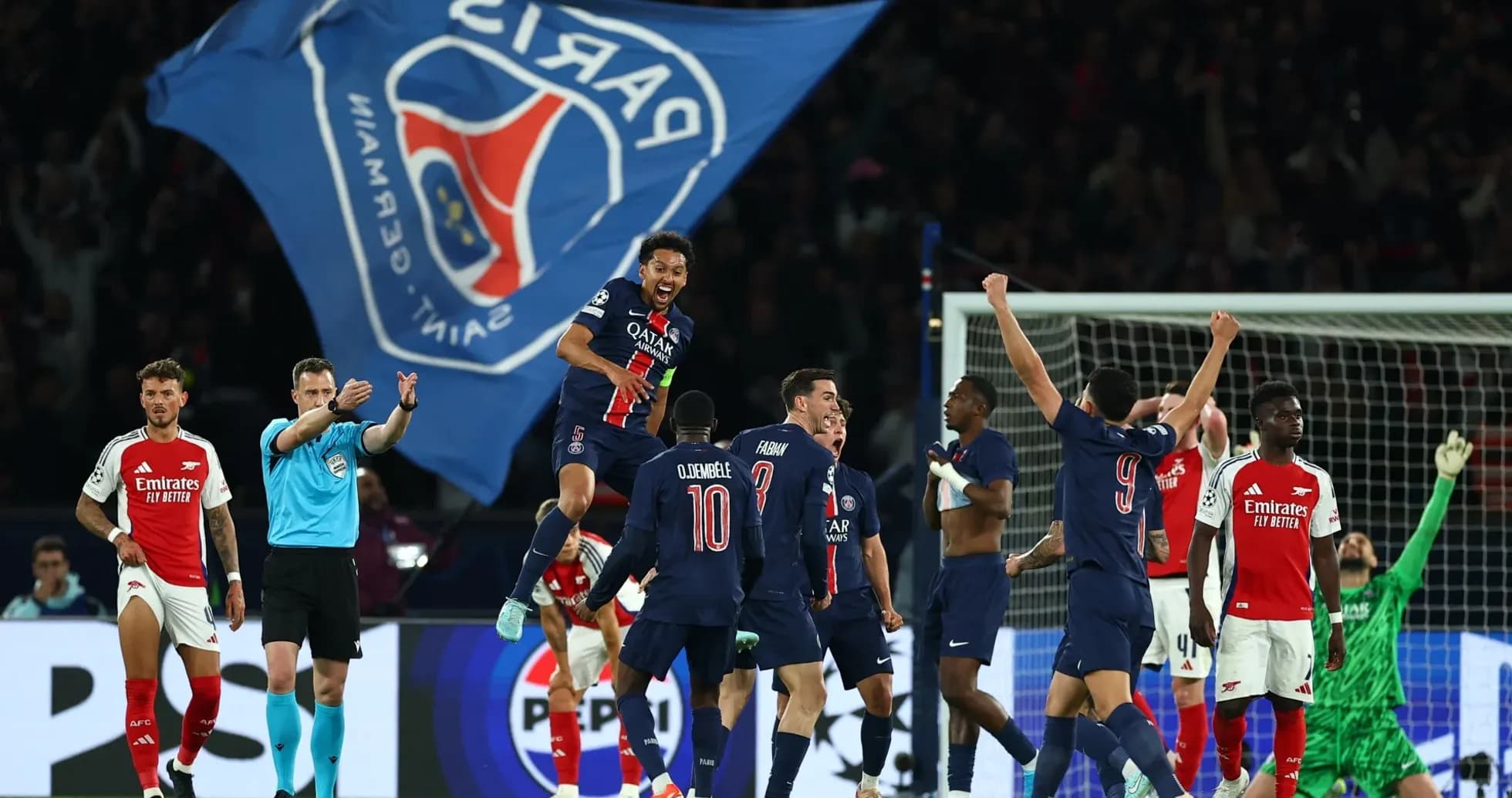
At Puskas Arena in Budapest, Paris Saint Germain and Arsenal meet in the UEFA Champions League Final, with Arsenal arriving as the top-ranked side in the league phase (1st, 24 points, 23 goals for, 4 against) and Paris Saint Germain coming from a strong but less dominant campaign (11th, 14 points, 21 goals for, 11 against). In seasonal terms, this is a definitive, legacy-shaping match: for Arsenal, the chance to convert league-phase supremacy into the ultimate title; for Paris Saint Germain, an opportunity to overturn a gap in league-phase performance and claim the Champions League crown despite a lower ranking.
Head-to-Head Tactical Summary
The most recent meetings heavily tilt towards tight, high-stakes Champions League encounters. In the 2025 semi-finals, Paris Saint Germain edged Arsenal 2-1 on 7 May 2025 at Parc des Princes, having led 1-0 at half-time. A week earlier, on 29 April 2025 at Emirates Stadium, Paris Saint Germain had already taken control with a 1-0 away win, again leading 1-0 at the break, underlining their capacity to manage narrow advantages over two legs.
Earlier in the same Champions League cycle, on 1 October 2024 in the league stage at Emirates Stadium, Arsenal produced a controlled 2-0 home victory, leading 2-0 at half-time and then shutting the game down, showing they can impose structure when in front. Historically, Arsenal also dismantled Paris Saint Germain 5-1 in the International Champions Cup on 28 July 2018 at The National Stadium in Singapore, leading 1-0 at half-time before accelerating after the interval, though that was a pre-season context rather than a competitive European tie.
Going further back in Champions League play, on 23 November 2016 at Emirates Stadium, Arsenal and Paris Saint Germain drew 2-2 in the group stage, with a 1-1 scoreline at half-time. Across these fixtures, the pattern is clear: Arsenal have recorded convincing wins (2-0, 5-1), Paris Saint Germain have shown edge in knockout-style, low-margin games (1-0 away, 2-1 at home), and there is precedent for a high-scoring stalemate (2-2), all of which feeds into a tactically flexible and unpredictable final.
Global Season Picture
- League Phase Performance: In the league phase, Paris Saint Germain finished 11th with 14 points from 8 matches, scoring 21 goals and conceding 11, a profile of a potent attack with a defense that allows chances (goal difference +10). Arsenal, by contrast, were the standout league-phase side: 1st with a perfect 24 points from 8 matches, 23 goals scored and only 4 conceded (goal difference +19), combining consistent scoring with an elite defensive record.
- Season Metrics: Scope detection shows Paris Saint Germain have played 16 fixtures and Arsenal 14, compared to 8 league-phase games each, so these are across all phases of the competition metrics. Paris Saint Germain have scored 44 goals (25 home, 19 away) and conceded 22 (14 home, 8 away), averaging 2.8 goals scored and 1.4 conceded per match, reflecting a high-powered but exposed profile in open play. Arsenal have 29 goals for (15 home, 14 away) and 6 against (3 home, 3 away), averaging 2.1 scored and 0.4 conceded per match, indicating a balanced, controlled side with an especially resilient defense. Both teams show discipline in key moments: Paris Saint Germain’s card profile is concentrated late (42.86% of their yellow cards between minutes 76–90), hinting at stress under pressure, while Arsenal’s yellows peak between minutes 61–75 (31.82%), often in game-management phases. Penalty execution is perfect for both: Paris Saint Germain have scored 2 out of 2, Arsenal 3 out of 3.
- Form Trajectory: In the league phase, Paris Saint Germain’s recent form string of DLDWL reflects inconsistency: draws, followed by defeats and wins alternating, pointing to volatility in performance levels when the pressure rose towards the end of the phase. Arsenal’s league-phase form of WWWWW is flawless, indicating sustained momentum and an ability to keep standards high over multiple decisive fixtures. That contrast sets the psychological backdrop for the final: Arsenal arrive with the aura of a side that has answered every league-phase question; Paris Saint Germain arrive knowing they have already had to ride out dips in performance.
Tactical Efficiency
Across all phases of the competition, Paris Saint Germain’s attack is aggressive and high-volume (44 goals in 16 games, 2.8 per match), but their concession rate of 1.4 per game underlines a defense that can be stretched when transitions are poorly controlled. Arsenal’s numbers show a more balanced and efficient model: 29 goals in 14 games (2.1 per match) paired with only 6 conceded (0.4 per match) point to an attack that does enough without needing to chase games, and a defense that rarely allows high-quality chances.
Without explicit numerical “Attack/Defense Index” values in the comparison block, the relative indices can be inferred from these production and concession rates: Arsenal’s defensive index is clearly superior, anchored by 9 clean sheets across all phases, while their attack remains comfortably above two goals per 90. Paris Saint Germain’s attacking index is higher in raw output, but the defensive index lags, with only 5 clean sheets and 22 goals conceded. In a one-off final, this typically translates into Arsenal being better equipped to control game state—protecting a lead or staying level—while Paris Saint Germain are more reliant on their attacking surge and finishing efficiency to offset structural defensive risk.
The Verdict: Seasonal Impact
This final does not affect a domestic title race or a relegation battle; its entire weight lies in continental status and the legacy of this Champions League campaign. For Arsenal, victory would complete a near-perfect European year: 1st in the league phase with maximum points and a dominant goal difference, followed by a Champions League trophy that validates their statistical superiority and cements them as the benchmark club in Europe in 2025. Defeat, however, would sharpen the narrative of a team that excelled in the league phase but could not translate structural dominance into the ultimate prize, raising questions about their capacity to manage one-off finals despite impeccable underlying metrics.
For Paris Saint Germain, winning this final would redefine their campaign. Coming from 11th in the league phase, a Champions League title would demonstrate that knockout efficiency and peak performance in critical ties can outweigh earlier inconsistency. It would turn a numerically solid but not outstanding European season into a historic success, and reduce the importance of their less stable league-phase form. A loss, by contrast, would reinforce the data story: strong attack, but defensive and consistency gaps that ultimately kept them short of the very top tier, especially when matched against a more balanced opponent like Arsenal.
In forward-looking terms, the result will shape recruitment and tactical evolution. An Arsenal win would likely encourage continuity—refining a defensively dominant, controlled-possession model. A defeat might push them toward adding more game-breaking attacking profiles to ensure league-phase control is matched by knockout ruthlessness. For Paris Saint Germain, a win would validate their high-risk, high-reward attacking posture and encourage targeted defensive reinforcement rather than systemic change. A loss would increase pressure to rebalance the squad and game model, shifting from reliance on offensive firepower toward a more Arsenal-like equilibrium between attack and defense to avoid similar gaps in future Champions League campaigns.
Related News
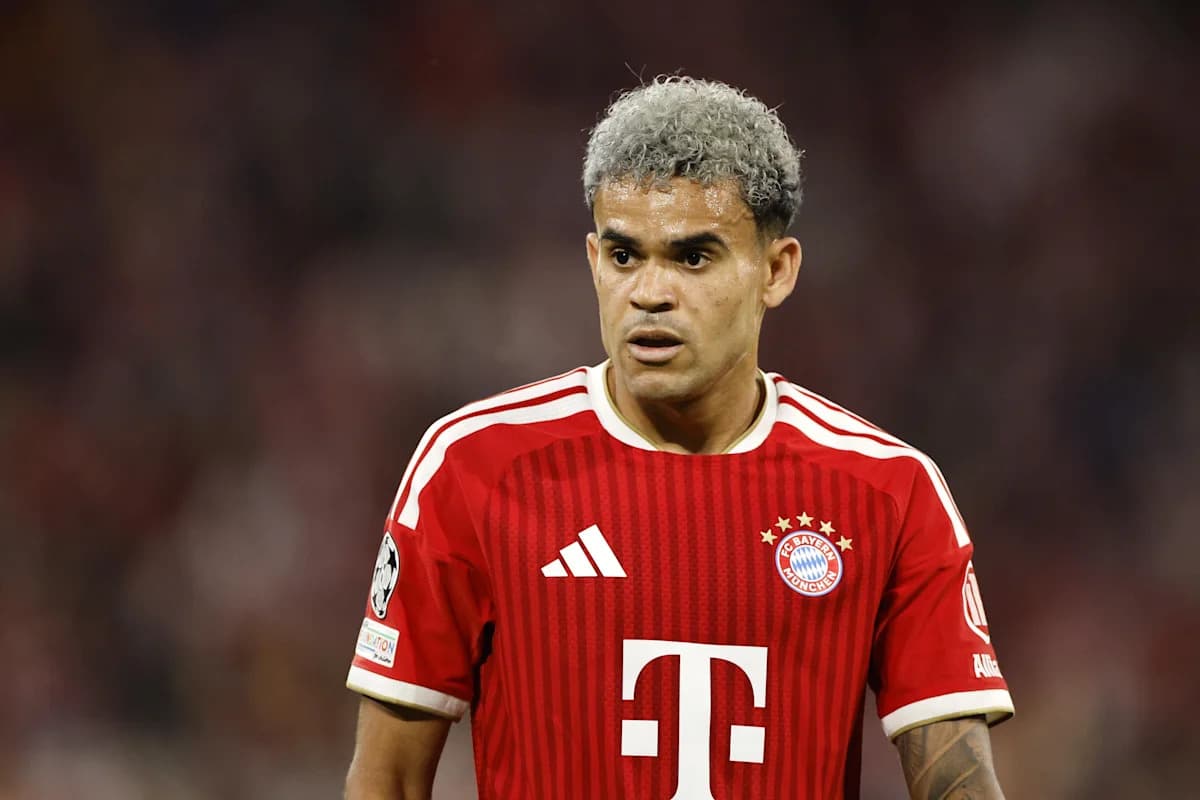
Luis Díaz Confident Bayern Munich Can Win Champions League

AFC Champions League Matchday One: Insights and Team Strategies

Vincent Kompany’s Bayern Munich Future Not Tied Solely to Champions League Success
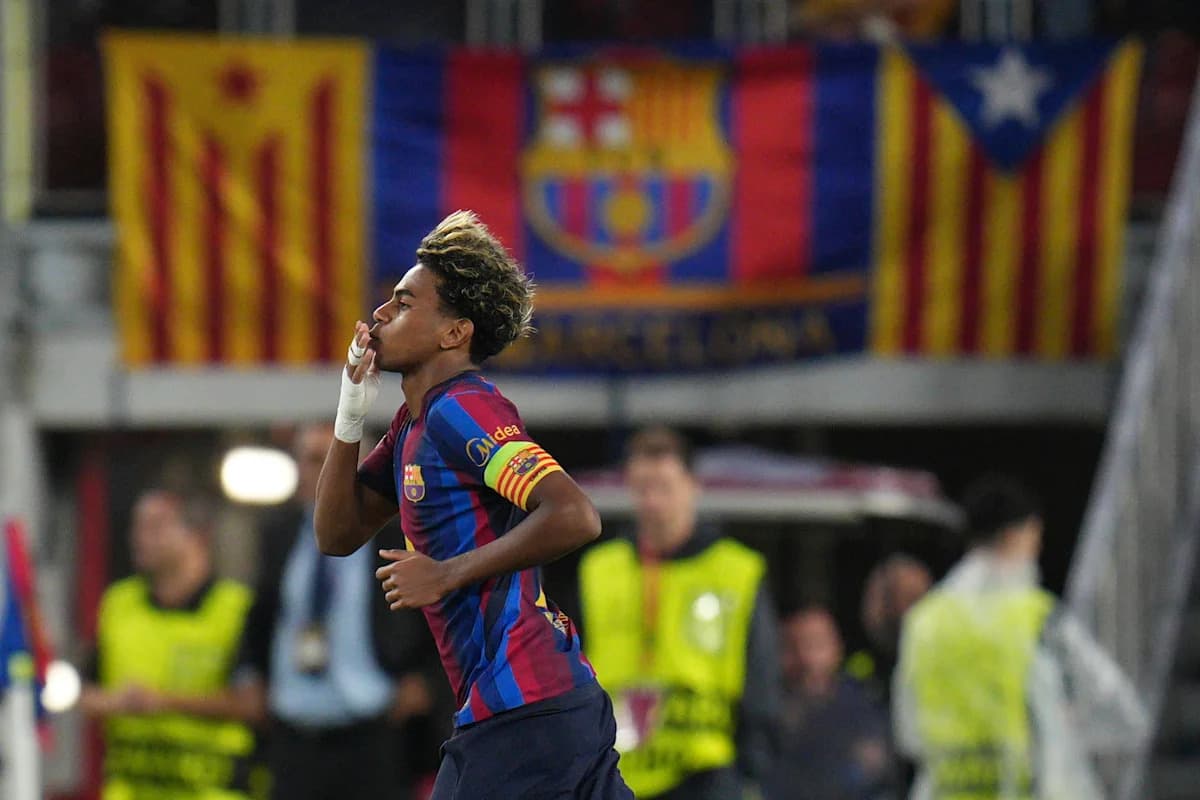
Barcelona’s Camp Nou to Host 2029 Champions League Final, Munich Confirmed for 2028
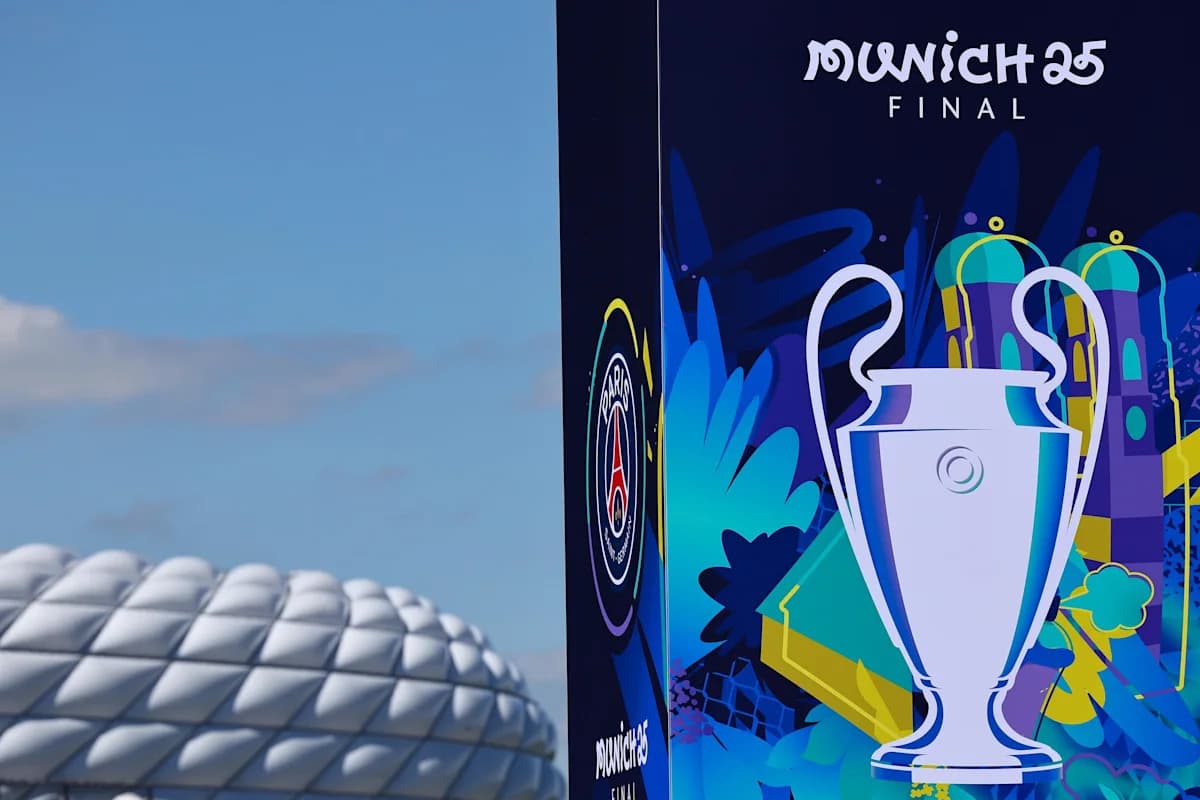
Bayern Munich's Allianz Arena Set to Host 2028 Champions League Final
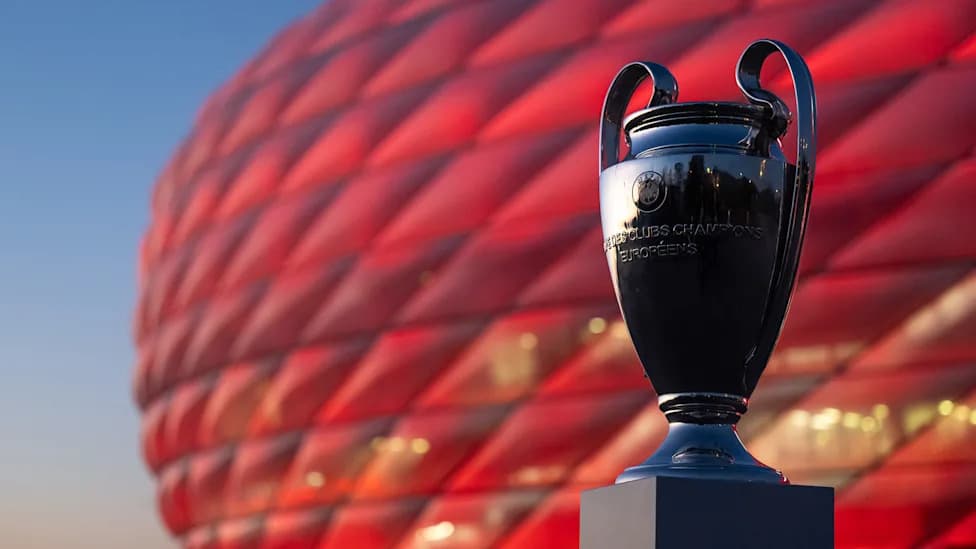
Allianz Arena to Host 2028 Champions League Final for Third Time