
Arsenal's Summer Rebuild Plans After Champions League Heartbreak
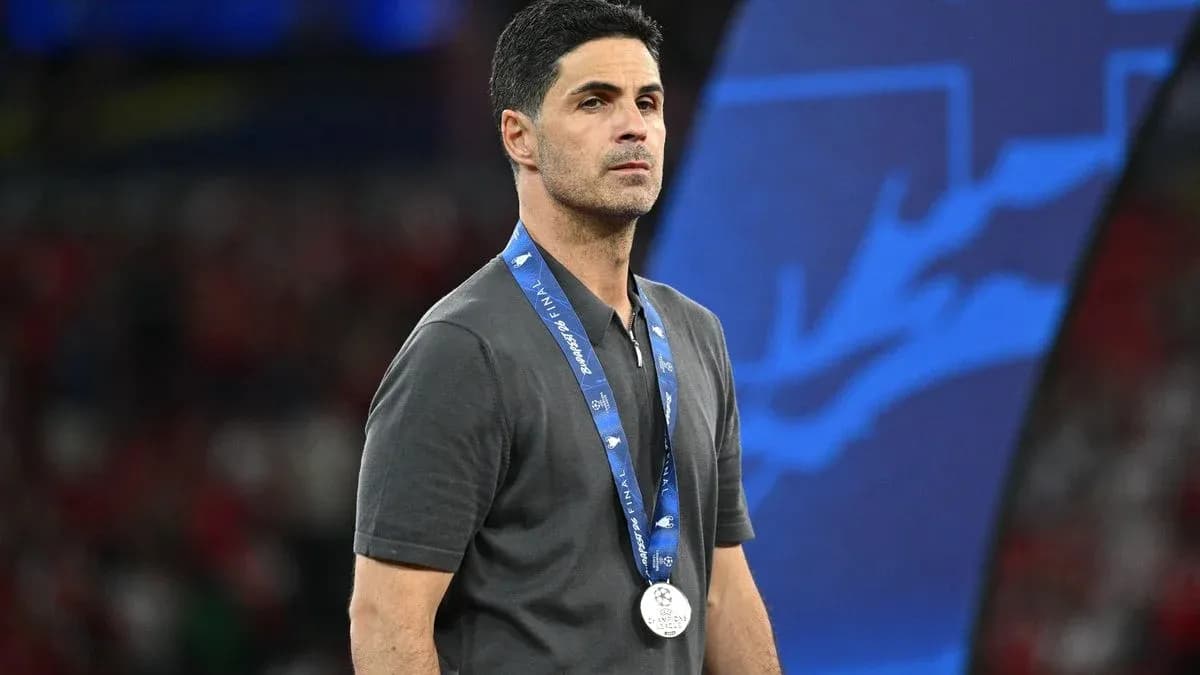
The pain in Budapest has barely settled, but Arsenal are already preparing to tear into the transfer market.
Beaten on penalties by Paris Saint-Germain in the Champions League final, denied again on Europe’s biggest stage 20 years after their loss to Barcelona, Mikel Arteta has chosen not to dwell. He wants change. Big change.
A Premier League title, their first in 22 years, has reset expectations. The domestic drought is over; the target now is to build a squad that can win everything, not just compete for it.
Arteta’s shopping list is clear and unforgiving: a left winger, a centre-forward, a right-back and a new midfielder. Four key areas, four upgrades, and potentially a second successive summer of heavy spending.
Attack under the microscope
The Champions League final exposed the fine margins at the top level. Arsenal’s only goal came from Kai Havertz, trusted to lead the line ahead of Victor Gyokeres, the high-profile signing who watched the start from the bench.
“The number nine position is interesting,” The Athletic’s David Ornstein told TNT Sports, reflecting on Gyokeres’ role. The striker helped drag Arsenal to the final in his first season, then sat out the biggest night from kick-off. That decision will not have gone unnoticed inside the club – or by the player himself.
Arsenal’s hierarchy know they need more variety and more ruthlessness in the final third. The left side of the attack, in particular, has been under review for years. This, insiders suggest, is the summer they finally act decisively.
A new left-sided forward is a major priority. Not a squad option, but a starter-level signing who can either attack from the flank or drift inside and operate between the lines. That is where Aston Villa’s Morgan Rogers comes into focus.
At 23, Rogers offers exactly the kind of versatility Arteta craves. Comfortable as a left-sided forward or in the No 10 role, he fits the profile of a multi-functional attacker who can rotate across positions without disrupting the system. Arsenal are one of several top clubs tracking him, but their need – and their ambition – is obvious.
Midfield and right-back next in line
Arteta also wants a midfielder who can operate as both a “six” and an “eight” – a player capable of anchoring the game and driving it. Someone who can sit next to a deep-lying partner or push higher to press and create. It is a demanding brief, but essential if Arsenal are to maintain control against Europe’s best.
Right-back is another area earmarked for reinforcement. The modern full-back in Arteta’s system must invert, build play centrally, defend one-on-one in wide areas and contribute in the final third. Arsenal have options there, but the manager clearly believes there is another level to reach.
Add all of that together – striker, left-sided attacker, hybrid midfielder, right-back – and the financial outlay becomes obvious. Ornstein suggested that last summer’s spending could be matched or even surpassed. Inside the Emirates, there is an acceptance that, to stay at the top, they may have to push harder than ever.
Big names, big decisions
Ambition comes with a cost. Arsenal have money to spend, but they also have a wage bill to manage and a squad that cannot simply keep growing.
According to reports, the club are prepared to listen to offers for some of their established names. Gabriel Martinelli, Leandro Trossard, Ben White and Gabriel Jesus are all described as “big earners” who have served the club well but could be moved on if the right bids arrive.
None of those decisions would be straightforward. Martinelli and Trossard have delivered crucial goals in the title run. White has been a mainstay under Arteta, shifting roles and rarely complaining. Jesus brought a winning mentality and experience when he arrived.
Yet this is the phase Arsenal have entered: the era of ruthless evolution. Sentiment cannot outweigh the drive to upgrade. Arteta himself has been blunt about what comes next.
“We start to make some very important decisions if we want to reach another level,” he said. “And we’re going to have to show that ambition because we are more than capable of doing it, but it’s going to demand to be very, very ambitious, very fast and very smart.”
Last summer, the club backed him heavily, bringing in Gyokeres and Eberechi Eze to deepen the attacking pool. Both started the Champions League final on the bench. That, in itself, tells a story: competition is fierce, and reputations alone do not guarantee a place in Arteta’s XI.
The manager wants a squad where even star signings feel the pressure of selection, where every position has two players capable of starting a Champions League knockout tie. To get there, tough calls are inevitable.
Arsenal stand at a crossroads that top clubs often reach after their first major breakthrough. The Premier League title has raised the bar. The Champions League final defeat has sharpened the edge.
The question now is not whether they will spend, but how far they are willing to go – and who will still be standing in red and white when Arteta’s next version of Arsenal walks out for another shot at Europe.
Related News

Wilfred Ndidi’s Marriage Reportedly Ends as He Enters New Relationship

Cristiano Ronaldo's Top 5 Most Valuable Cars in His Extraordinary Collection
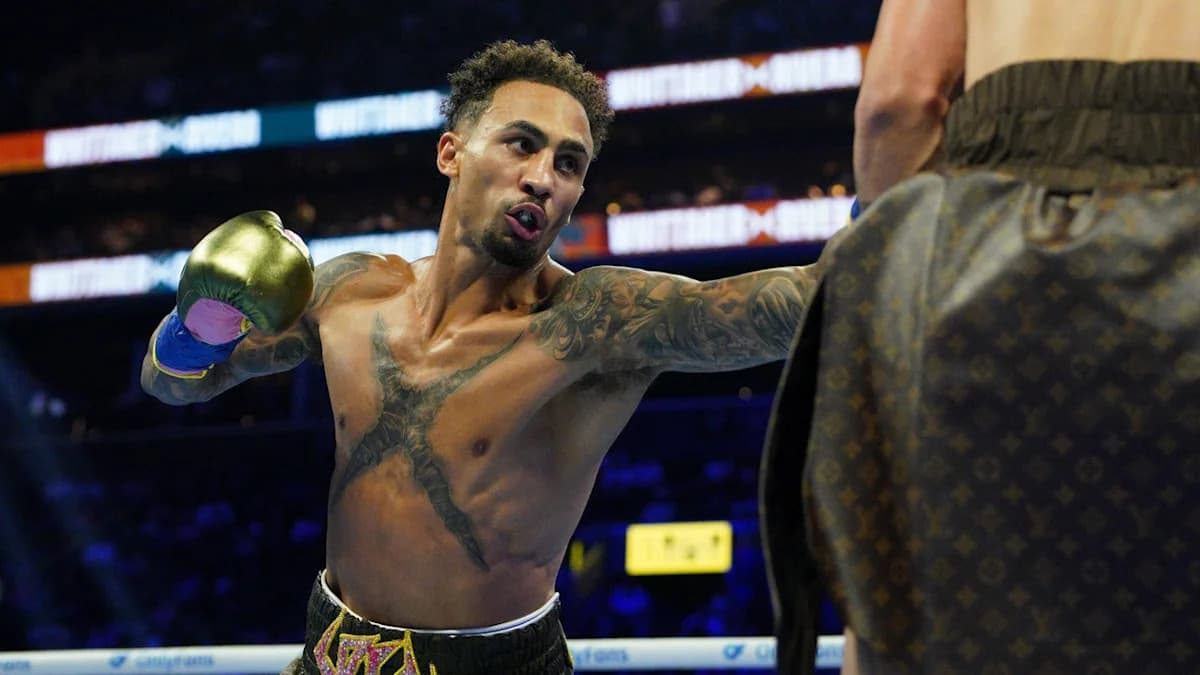
Ben Whittaker’s Challenge to Prove Eddie Hearn’s Bold British Boxing Bet
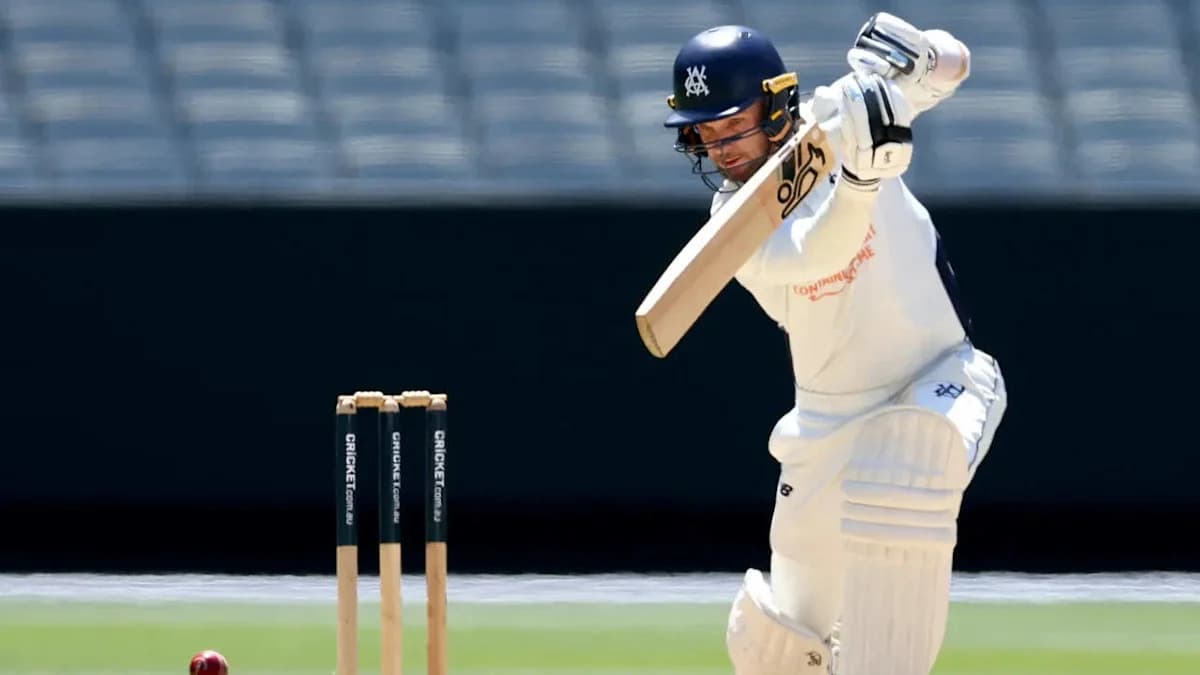
Peter Handscomb on the Challenge of Facing Indian Bowlers
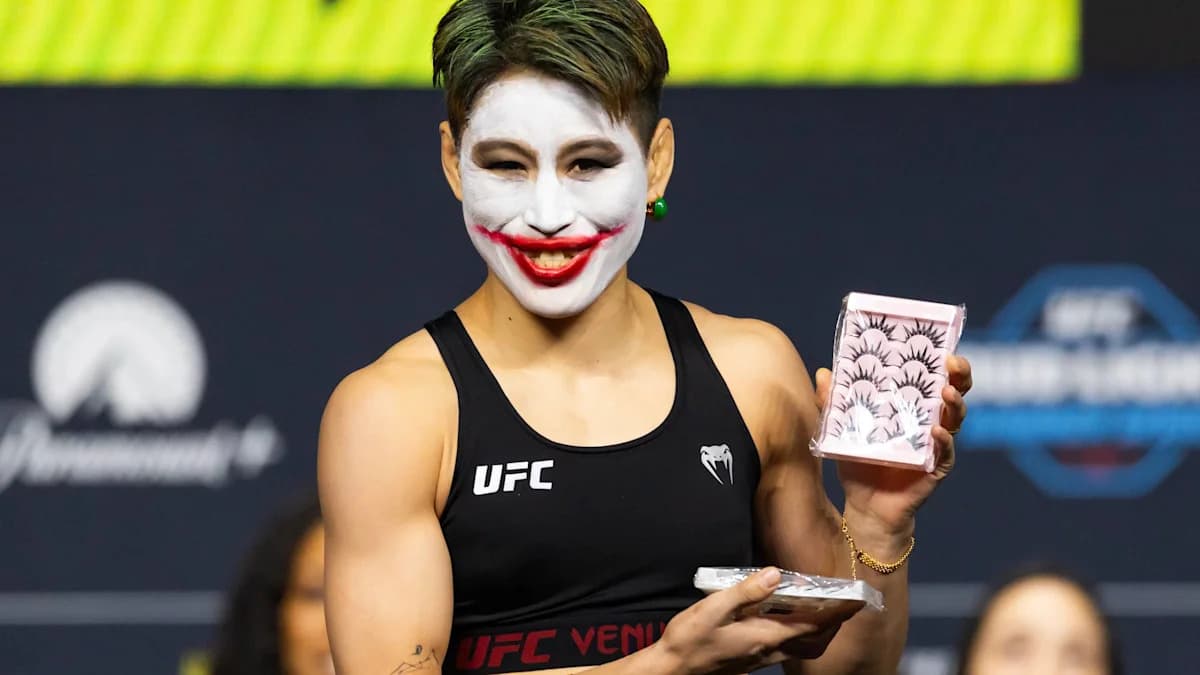
How to Watch UFC 332: Silva vs. Wang Live on CBS and Paramount+ This Saturday
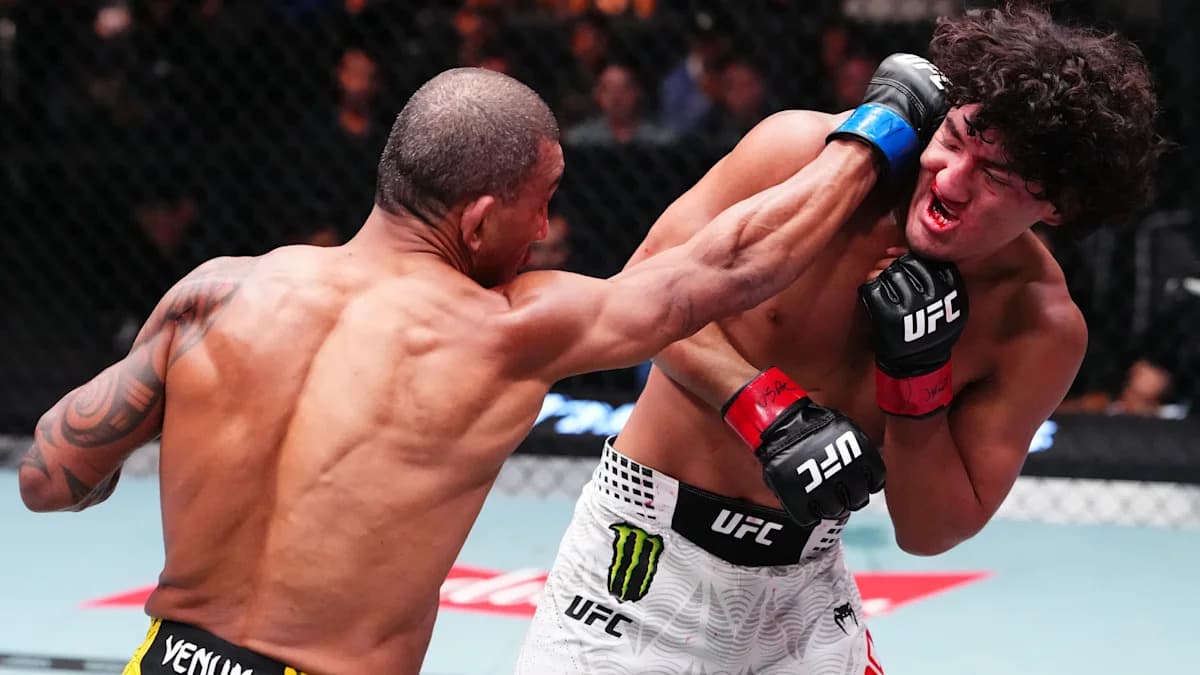
Raul Rosas Jr. Shares His Thoughts on the Shocking UFC Vegas 121 Finish Against Raoni Barcelos