
Atlético Ottawa vs Pacific FC: Goalless Draw Highlights Tactical Discipline
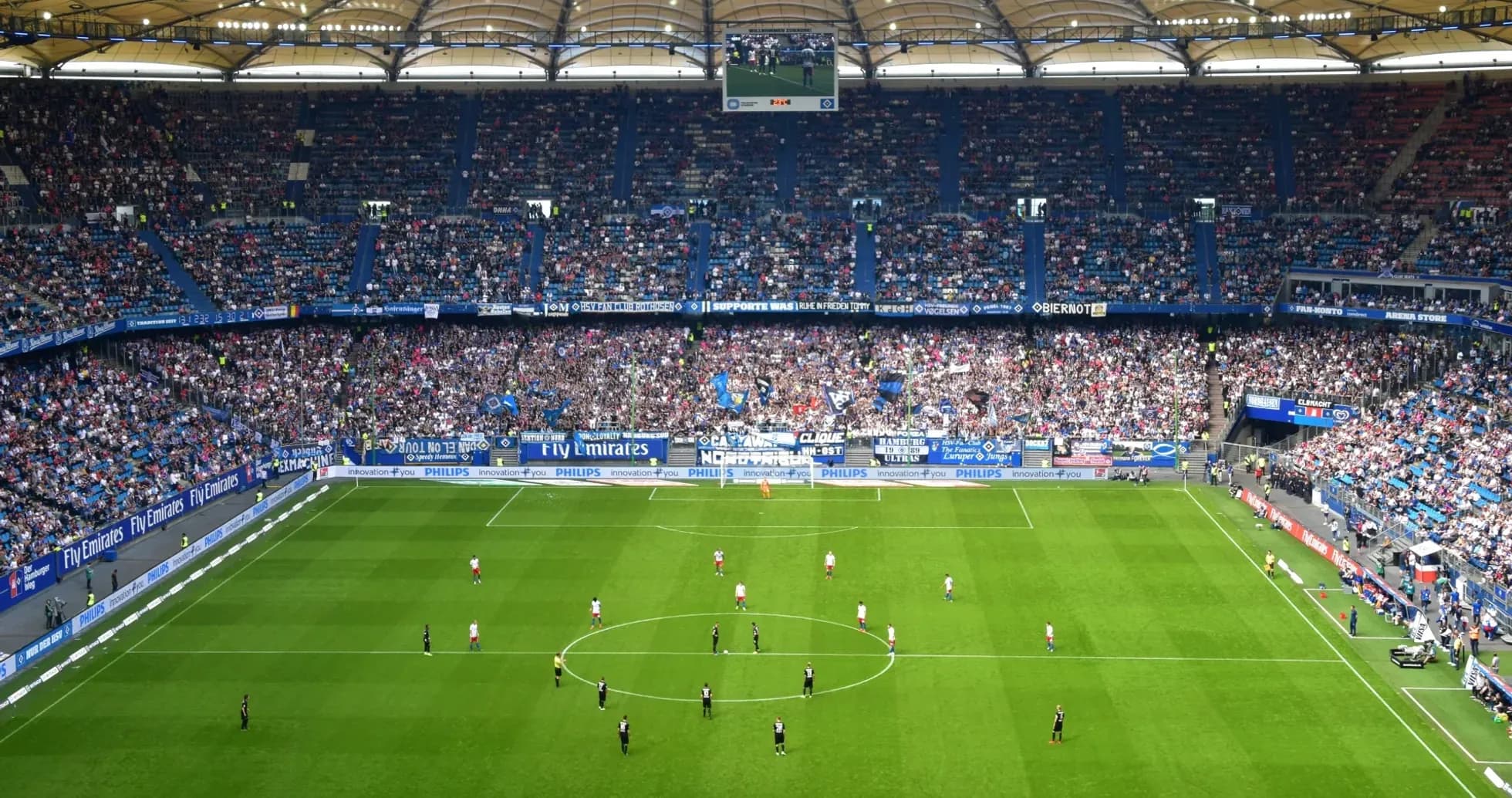
Under the late-summer lights at TD Place Stadium, Atlético Ottawa and Pacific FC played out a goalless draw that said far more about structure, discipline and identity than the 0-0 scoreline suggested. In the Canadian Premier League’s Group Stage, it was third against eighth: a side with genuine title aspirations defending one of the league’s most imposing home records against a team fighting to arrest a season-long slide.
Heading into this game, Atlético Ottawa sat 3rd with 34 points from 21 matches, their overall goal difference perfectly balanced at 34 scored and 34 conceded. The split between home and away told the real story: at home they had 7 wins from 11, with 21 goals scored and 13 conceded; on their travels, they were far less convincing. Pacific arrived bottom in 8th, on 9 points from 19 matches, with a stark overall goal difference of -17 (22 for, 39 against). At home they had struggled, but away they had at least learned how to draw: 4 away draws from 9, with 9 goals scored and 19 conceded.
I. The Big Picture – Shapes and Seasonal DNA
Gustavo Leal sent Atlético Ottawa out in a 4-2-3-1, a departure from the three-at-the-back structures that have been their most-used blueprints this season. The back four of J. Assi, J. Dunn-Johnson, Loïc Cloutier and D. Aguilar stood in front of goalkeeper C. Kalongo, with a double pivot of M. Aparicio and T. Arnaud tasked with both circulation and counter-pressing.
Ahead of them, the creative band of three – K. Habibullah tucked inside, B. Tabla from the right and G. Antinoro between the lines – operated behind lone forward N. Fleuriau Chateau. It was a lineup that blended Ottawa’s season-long strengths: technical quality in the half-spaces, aggressive full-backs, and a front line capable of interchanging positions.
Pacific FC, under T. Dunfield, countered with a 3-4-3: S. Melvin in goal behind a back three of J. Quintana, D. Konincks and C. Greco-Taylor. The wing-backs, K. Chung and Y. R. Toualy, flanked a central duo of R. Juhmi and L. Browning-Lagerfeldt. Up front, the trio of M. Bustos, R. Kratt and A. Daniels offered different profiles: Bustos as the crafty left-sided creator, Kratt as the vertical runner, and Daniels as the link man.
For Pacific, the shape reflected necessity as much as design. Heading into this game, they had conceded an overall average of 2.1 goals per match, including 2.1 on their travels. Shifting to a back three with industrious wing-backs was about adding layers of protection around Konincks and Greco-Taylor, two of their standout defenders this season.
II. Tactical Voids and Discipline
There were no listed absentees in the data, so both coaches could lean into their core identities. Yet the disciplinary backdrop framed the risk each side carried.
Ottawa’s season has been combative. Their yellow-card distribution shows a pronounced late-game spike: 36.96% of their cautions have arrived between 76-90 minutes, and another 19.57% in added time. That pattern reflects a team that plays on the edge when protecting leads or chasing results. Red cards have been rare but real; notably, G. Antinoro has already seen one this season, underlining the intensity he brings from the ten role.
Pacific’s discipline is even more volatile. Their yellows are spread across the match, but the reds tell a sharper story: 66.67% of their dismissals have come between 76-90 minutes, with another 16.67% in added time. Players like J. Heard (two reds) and J. Quintana (one red) embody a side that can drift from committed to reckless under pressure. The shift to a back three here was as much about controlling their own impulses as it was about containing Ottawa.
III. Key Matchups – Hunter vs Shield, Engine Room Battles
The headline duel was always going to be Ballou Tabla against Pacific’s defensive structure. Tabla entered this fixture as Ottawa’s leading scorer with 5 goals and 1 assist, built on 18 shots (12 on target) and a steady creative output of 8 key passes. His dribbling volume – 22 attempts with 10 successful – makes him Ottawa’s most direct threat between the lines.
Opposite him, D. Konincks has quietly been one of Pacific’s most complete defenders: 3 goals, 1 assist, 13 shots, 4 successful blocks and 17 interceptions, all while completing 90% of his passes. In this match, Konincks’ job was to step into the half-space and deny Tabla the angles he thrives on. With Pacific conceding an overall average of 2.1 goals per game, this was the classic “Hunter vs Shield” confrontation: a form attacker against a defence trying to prove it can be more than its numbers.
Alongside Tabla, the emergence of N. Fleuriau Chateau added another layer to Ottawa’s threat. With 3 goals and 2 assists from limited minutes heading into the game, his movement off the last line and willingness to attack the box complemented Tabla’s drifting runs. Up against a back three, his role was to pull Konincks or Greco-Taylor out of shape, creating pockets for late runs from midfield.
In the engine room, M. Aparicio was Ottawa’s metronome and enforcer rolled into one. Across the season he has amassed 619 passes at 83% accuracy, 25 tackles and 4 blocked shots, but also 5 yellow cards – the archetype of a controlling midfielder who accepts the booking risk. His duel with Pacific’s R. Juhmi was central: Juhmi arrived with 365 passes at 87% accuracy, 18 tackles and 5 yellow cards of his own. This was a battle for tempo – who could dictate where the game was played and how quickly.
Wide, the clash between Y. R. Toualy and Ottawa’s right side was another key subplot. Toualy, one of the league’s leading assist providers with 4, has attempted 26 dribbles with 17 successful, and generated 7 key passes. His mandate was to force Ottawa’s full-backs backwards, pinning Assi and limiting Tabla’s ability to receive early in advanced zones.
IV. Statistical Prognosis and What the 0-0 Reveals
Ottawa’s season-long numbers suggested they should have found a way through. At home they had averaged 1.9 goals scored and 1.2 conceded per match, supported by 3 home clean sheets. Yet they have also failed to score at home twice, and their overall attacking output is streaky: 34 goals in 21 matches at an overall average of 1.6.
Pacific, for all their struggles, had shown they could grind. On their travels they had averaged 1.0 goals scored and 2.1 conceded, but they did possess a single away clean sheet and a growing familiarity with low-scoring draws. Their penalty record – 2 taken, 2 scored, 0 missed – underscored that if they could drag the match into marginal territory, they had the nerve to capitalise on rare chances.
Ottawa’s penalty profile hinted at another layer of tension. Overall they had been awarded 4 penalties, scoring 2 and missing 2 – a 50.00% conversion rate that removes any aura of inevitability from spot-kicks. In a match this tight, the knowledge of those two misses would have lingered in the back of minds on both sides.
In the end, the 0-0 felt like the statistical midpoint between Ottawa’s attacking ambition and Pacific’s need for damage limitation. Ottawa protected their strong home record and added another clean sheet to a defensive line that, at TD Place, has been far more reliable than their overall 34 goals conceded might suggest. Pacific, meanwhile, banked another away draw, reinforcing a tactical identity built on a compact back three, industrious wing-backs and the individual quality of players like Konincks, Toualy and Bustos.
As the regular time whistle confirmed the stalemate, the table barely shifted – Ottawa still well placed in 3rd, Pacific still fighting from 8th. But beneath the surface, this fixture crystallised who they are right now: Ottawa as a front-foot contender learning to manage risk, Pacific as a wounded side discovering that survival in this league begins with clean sheets and controlled aggression.
Related News
Supra du Quebec vs Vancouver FC Stats: Head-to-head Record Before October Match
Forge and HFX Wanderers FC Battle to 3–3 Draw at Tim Hortons Field
York United Shocks Cavalry FC with 3-1 Victory
Forge vs Pacific FC Stats: Head-to-head Record Before October 2026 Match
Cavalry FC vs Atlético Ottawa: Clash of Canadian Premier League Leaders
Forge vs HFX Wanderers FC: Canadian Premier League Showdown