
Bafana Bafana and Canada Clash in Historic Knockout Match
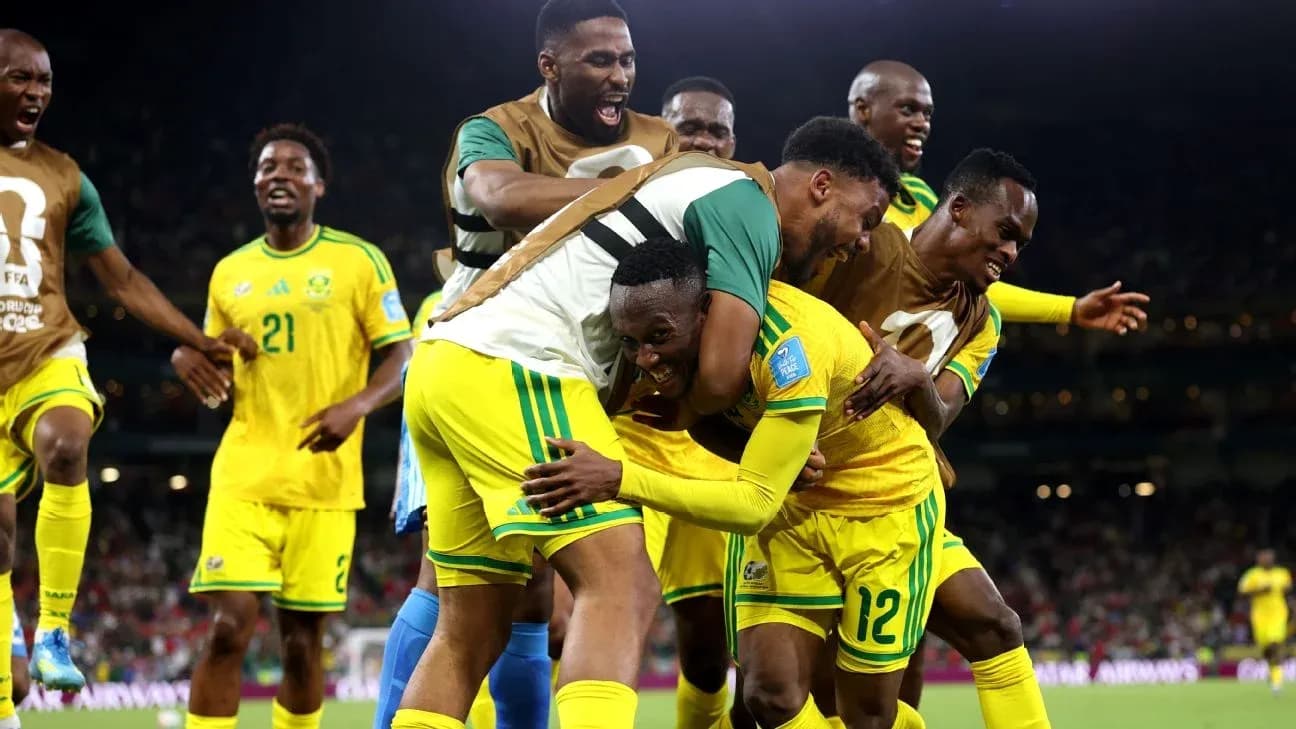
Bafana Bafana and Canada step into the unknown in Los Angeles on Sunday, two nations with long World Cup memories but no knockout pedigree, finally breaking through the glass ceiling together.
For South Africa, this is uncharted territory reached the hard way. For Canada, it is the next step in a tournament they are co-hosting and desperate to own.
Both have been here before, but only as tourists. South Africa’s previous World Cup appearances in 1998, 2002 and 2010 all ended in the group stage. Canada’s campaigns in 1986 and 2022 followed the same script. This time, one of them leaves Los Angeles Stadium having written a completely new chapter.
South Africa’s slow burn to liftoff
Hugo Broos’ side looked destined for another early flight home when they opened their campaign with a flat 2-0 defeat to co-hosts Mexico. When they conceded first again in their second match against Czechia, the old doubts resurfaced. Same story, different year.
Then the mood changed.
Teboho Mokoena dragged South Africa level in the 83rd minute of that game, a strike that felt more like a statement than an equaliser. It kept them alive. It gave them something to believe in.
The belief turned into something far more tangible against South Korea. Thapelo Maseko struck in the 63rd minute, and South Africa clung to that 1-0 lead with a mixture of nerve and defiance to seal second place in Group A. A shock on paper. On the pitch, it looked like a team finally realising it belongs on this stage.
Relebohile Mofokeng, still making his way in the senior game, dictated that contest with a maturity beyond his years. He led the match in key passes with four, according to FlashScore, and stitched South Africa’s attacks together when they needed composure most.
Now they carry that momentum into a date with history.
Canada’s punchy rise under Marsch
Canada arrive with their own scars and their own surge.
Jesse Marsch’s side opened Group B with a 1-1 draw against Bosnia & Herzegovina, a solid if unspectacular start that hinted at more without quite delivering it. The real statement came next: a ruthless 6-0 demolition of Qatar that showcased their energy, their directness, and their growing confidence in front of goal.
A 2-1 defeat to Switzerland in their final group game checked that momentum but did not derail it. Canada still finished second, still advanced, and still looked like a team with clear ideas and a sharp edge in attack.
All of this has come without their headline act. Alphonso Davies, the Bayern Munich left-back and face of Canadian football, has yet to feature in this tournament as he recovers from a hamstring injury. His absence has forced Marsch to shuffle his pack, lean on depth and test his squad’s resilience.
They have also absorbed a brutal blow in midfield. Ismaël Koné, the Sassuolo man earmarked as a key figure in the centre of the pitch, suffered a broken leg against Qatar and will miss the rest of the tournament. Canada have had to adjust on the fly, yet they are still here, still swinging.
For a nation co-hosting the tournament alongside Mexico and the USA, this first knockout match is more than a milestone. It is a chance to prove they are not just staging the show. They intend to be part of it deep into the latter acts.
Suspensions, returns and selection puzzles
Team news adds another layer of intrigue for both dugouts.
South Africa will again be without Themba Zwane, their suspended attacking fulcrum. An appeal against the extension of his ban from one game to three, following his red card against Mexico, failed. Broos must continue to improvise in the final third.
He does, however, welcome back one of his most important players. Mokoena, the heartbeat of Bafana’s midfield and the man who sparked their revival against Czechia, returns from a one-match suspension after picking up yellow cards in each of South Africa’s first two games. His range of passing and authority in the middle of the park should restore balance to Broos’ preferred structure.
Canada’s issues lie primarily in defence and midfield. Davies remains sidelined as he works his way back from that hamstring problem. Without Koné, the responsibility falls heavily on the likes of Mathieu Choiniere and Nathan Saliba to control tempo and protect a back line that will be tested by South Africa’s pace on the break.
On the touchline, Portuguese referee João Pinheiro will manage the occasion. A seasoned official with Champions League experience, he arrives with a high profile and a hint of controversy after criticism of his handling of Bayern Munich’s semi-final against Paris Saint-Germain. The stakes, and the emotions, will test him again.
How they might line up
Broos is expected to lean on the structure that carried South Africa through the group.
Ronwen Williams should start in goal, shielded by a back four of Aubrey Modiba on the left, Khuliso Mudau on the right, and a central pairing of Mbekezeli Mbokazi and Ime Okon. In midfield, Sphephelo Sithole will likely sit alongside the returning Mokoena, providing both bite and distribution.
Ahead of them, Oswin Appollis from the left, Mofokeng in the central creative role, and Maseko from the right give Bafana width and guile behind Evidence Makgopa, the focal point up front.
Canada are set to respond with their own aggressive shape.
Maxime Crepeau should continue in goal, behind a back four of Richie Laryea at left-back, Alistair Johnston on the right, and Derek Cornelius with Luc de Fougerolles in central defence. Out wide, Ali Ahmed and Tajon Buchanan offer thrust from the flanks, with Choiniere and Saliba anchoring the centre of midfield.
Up front, Tani Oluwaseyi is expected to partner Jonathan David, whose movement and finishing remain Canada’s most reliable route to goal.
A meeting with history
The two nations have only met once before. Back in 2007, South Africa beat Canada 2-0 in Durban, with Teko Modise scoring both goals. That friendly now feels like a distant prelude to a far bigger occasion.
On Sunday, the stakes could not be more different. The setting: Los Angeles Stadium in Inglewood. Kickoff: 12 p.m. local time (9 p.m. CAT, 8 p.m. BST, 7 p.m. GMT). A global audience will tune in.
In South Africa, fans can follow the action on SuperSport’s DSTV channels 201, 202 and 235, with SABC providing free-to-air coverage and SportyTV offering a streaming option. Canadian viewers have TSN, RDS, CTV and Crave. In the USA, the game will be shown on FOX, Telemundo and Peacock.
For Bafana Bafana, this is a chance to show that the “sleeping giant” label can finally be retired, that the flashes of talent and passion can harden into something more permanent. For Canada, it is an opportunity to turn a historic first knockout appearance into a genuine run on home soil.
Only one of them walks out of Los Angeles with that dream still alive.
Related News
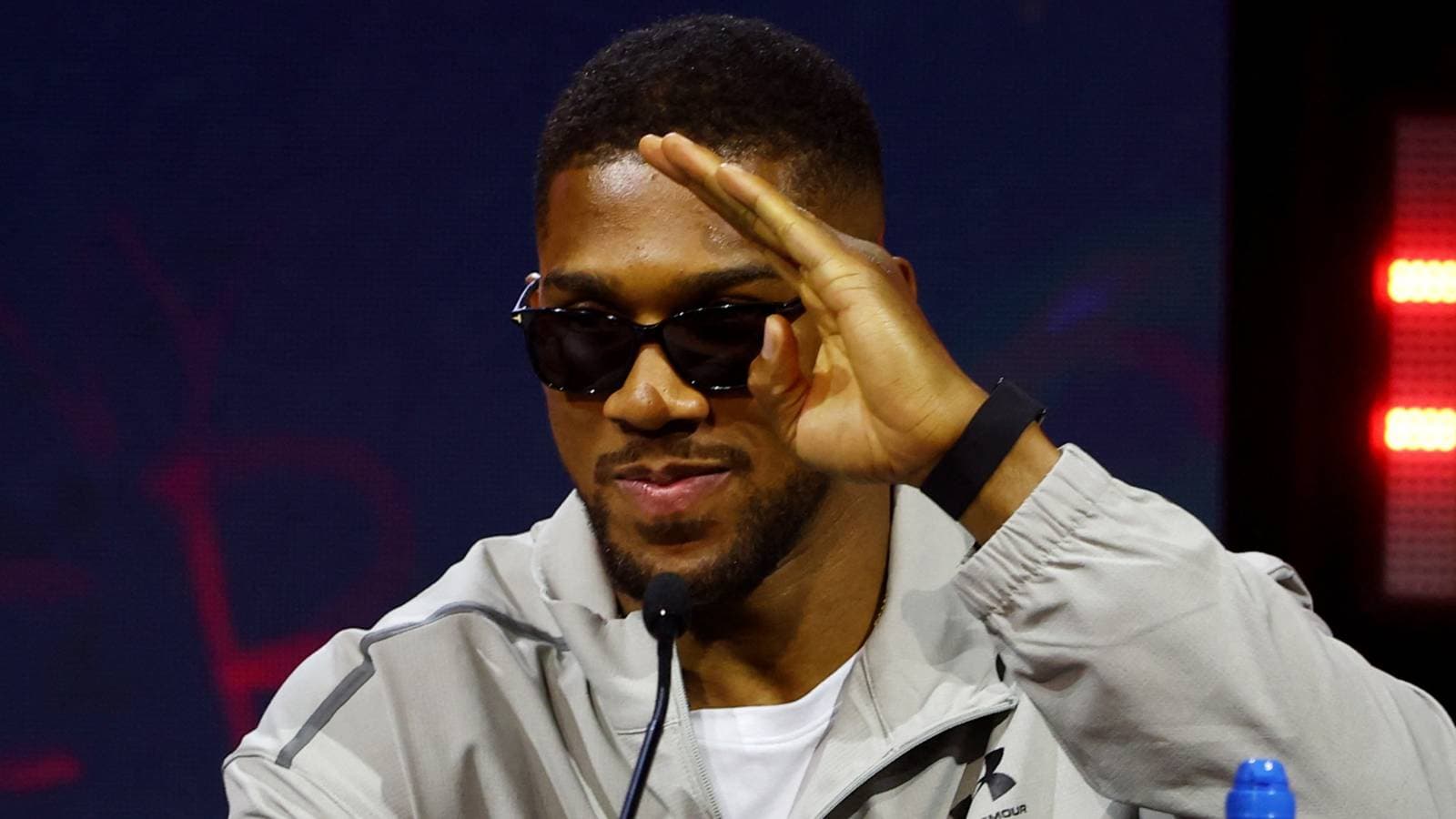
Anthony Joshua Names Murat Gassiev as Next Opponent if He Defeats Tyson Fury

UFC 332: Start Time and Fight Highlights for Natalia Silva vs. Wang Cong
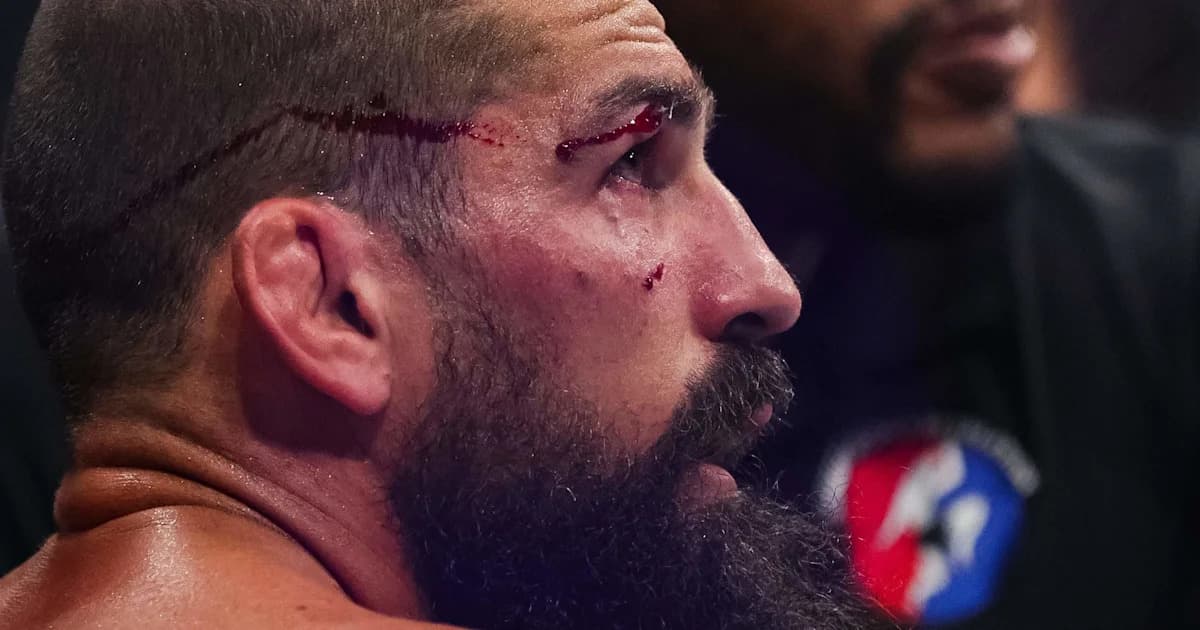
Court McGee Opens Up About Choosing UFC 332 as His Final MMA Fight
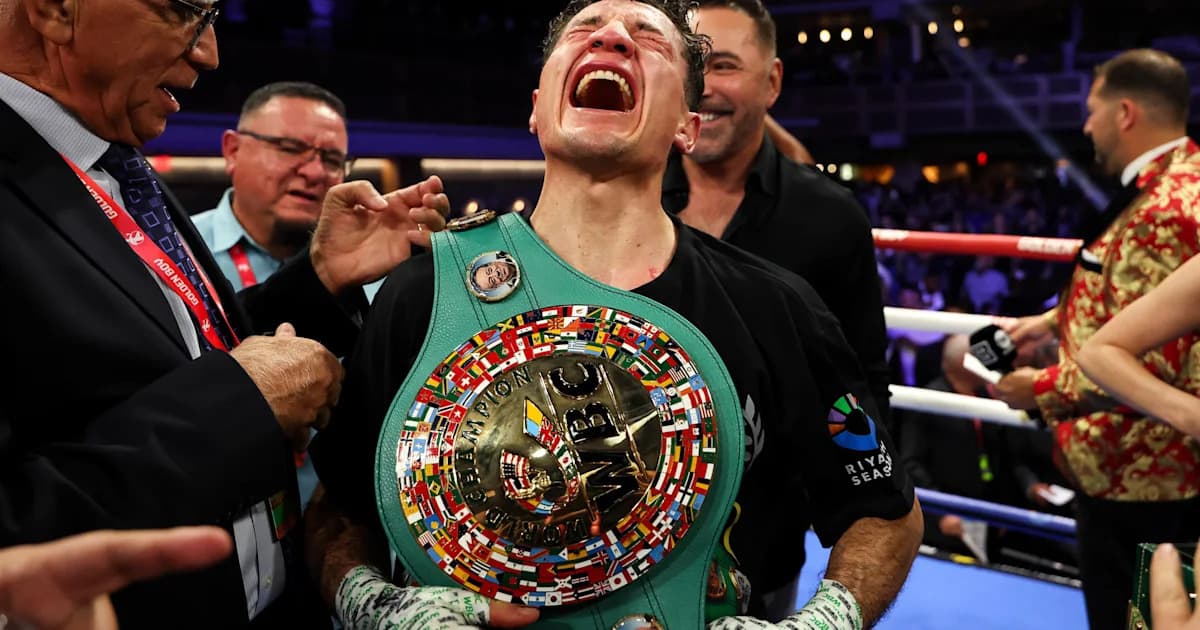
WBC Orders Lightweight Title Unification: William Zepeda vs Jadier Herrera
BCCI Pension List: Monthly Payments to Retired Indian Cricketers in 2025
Why Fury vs Joshua Is Set for Cardiff, and Dua Lipa’s Unexpected Role