
Bay FC W vs Chicago Red Stars W: A Tactical Battle in NWSL
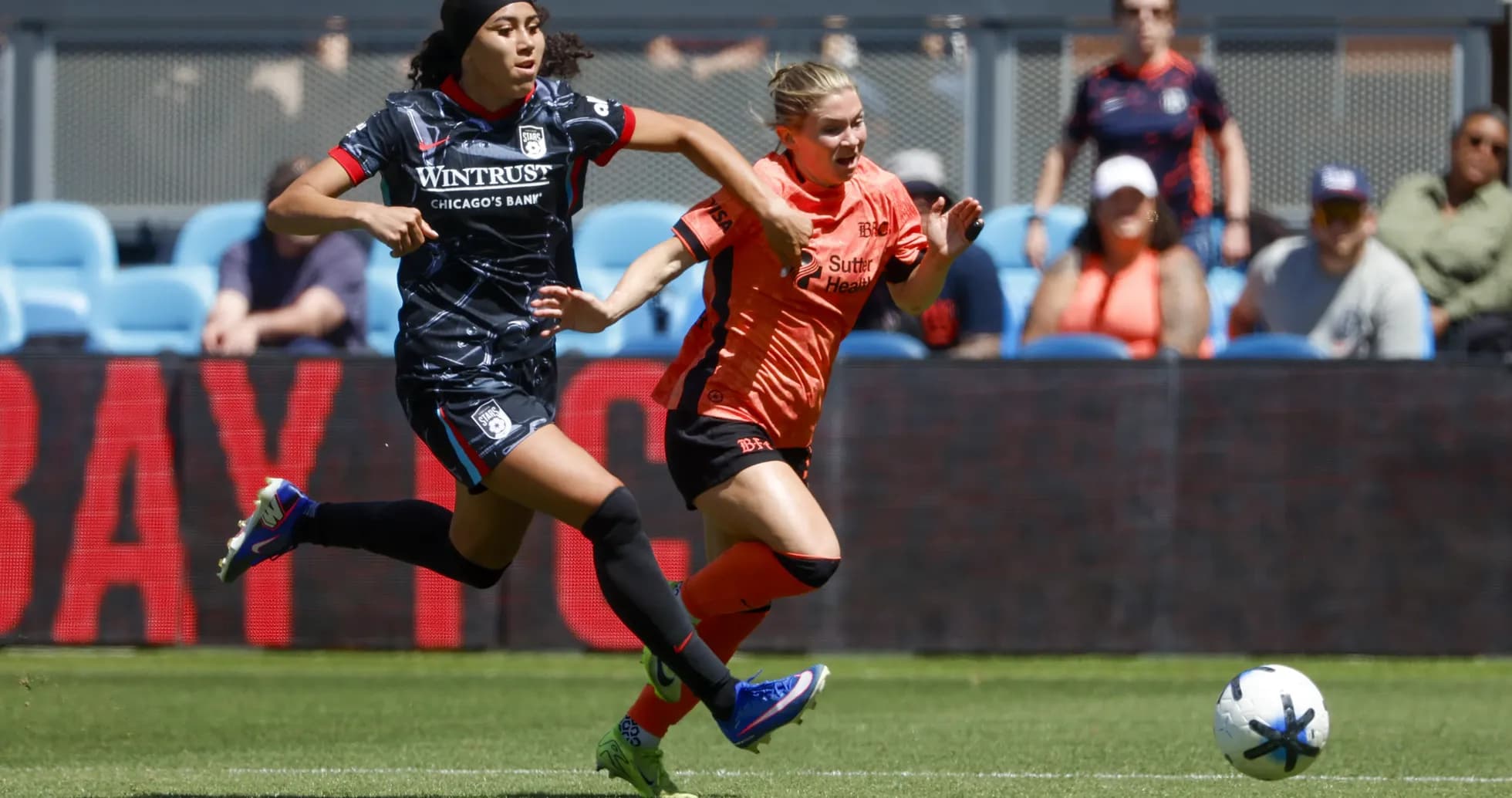
Under the San Jose lights at PayPal Park, Bay FC W and Chicago Red Stars W met in a Group Stage fixture that felt, even in late May, like a test of identity as much as a contest for points. The table framed the stakes starkly: heading into this game Bay sat 13th in NWSL Women on 11 points, Chicago 15th on 9. Both carried negative goal differences, Bay at -6 overall (8 scored, 14 conceded) and Chicago at -17 overall (5 scored, 22 conceded), but the trajectories were different. Bay’s recent form line of “LLDDW” hinted at a side learning to suffer and grind; Chicago’s “WLLLL” suggested a team oscillating between resilience and collapse.
Yet the night ended with a narrow, telling statement from the visitors. A 1-0 away win, carved out from a base of discipline and compactness, showed a different face to a Chicago side that on their travels had averaged only 0.2 away goals for and 2.3 away goals against before this match. Against a Bay team that at home had managed just 0.7 goals for and conceded 1.3 on average, the Red Stars found a way to lean into their structure and finally bend those numbers in their favour.
Emma Coates set Bay up in a 4-3-3, a shape they had used only once heading into this game, after nine outings in a 4-2-3-1. It was an aggressive gesture at home from a coach who knows her side have failed to score in 3 of 6 home fixtures and in 5 matches overall. Jordan Silkowitz anchored the XI in goal, with a back four of S. Collins, Aldana Cometti, J. Anderson and M. Moreau. In front of them, the midfield three of C. Hutton, Taylor Huff and H. Bebar promised energy and ball progression, while the front line of C. Conti, C. Girelli and K. Lema was tasked with converting territory into the goals Bay have so often lacked.
Across from them, Martin Sjogren’s Chicago lined up in a 4-1-4-1, a variation on the 4-2-3-1 that had been their default this season. K. Atkinson, one of the few stabilising presences in a turbulent campaign, started in goal behind a back four of A. Farmer, K. Hendrich, S. Staab and N. Gomes. M. Lopez Millan sat as the single pivot, screening the defence and linking into a line of four midfielders: R. Gareis, J. Grosso, B. A. Pinto and J. Joseph, with J. Huitema as the lone forward.
The tactical voids in this fixture were less about absences—there was no formal injury list provided—and more about what each side has consistently lacked. For Bay, it is a cutting edge. Overall they had scored only 8 times in 10 league games, with an overall average of 0.8 goals for and 1.4 goals against. Clean sheets—2 in total, split evenly home and away—have been hard-earned, but the attack’s inability to capitalise has repeatedly left them exposed to fine margins.
Discipline has also shaped Bay’s season. The card data shows a side that tends to get dragged into battles late on: 23.81% of their yellow cards arrive between 76-90 minutes, and a further 19.05% between 91-105, a clear late-game surge. Red cards have been even more dramatic, spread equally across 0-15, 61-75 and 91-105 minutes. Aldana Cometti embodies that edge: 3 yellows and 1 red in league play, alongside 4 successful blocks and 8 interceptions, mark her as both enforcer and risk. Silkowitz too has walked that disciplinary tightrope, with 1 yellow and 1 red despite being the last line of defence, but she has also produced 38 saves and even a penalty save, a reminder that her aggression often comes in service of Bay’s survival.
Chicago’s disciplinary profile is calmer but concentrated. Their yellows peak between 31-45 minutes at 33.33%, then again between 46-60 at 25.00%. They manage to avoid reds entirely, suggesting controlled aggression even as results have gone against them. That composure was vital here: away from home they had conceded 14 goals in 6 matches before this fixture, and their ability to stay at eleven players was non-negotiable in a match where they would need to suffer long spells without the ball.
Within that framework, the key duels took shape.
The “Hunter vs Shield” storyline for Bay centered less on a single prolific scorer—none is flagged in the data—and more on the collective front three trying to crack a Chicago defence that has been porous on their travels. On their travels, Chicago had conceded those 14 goals, but with Hendrich and Staab at the heart of the back line, plus Lopez Millan screening, Sjogren clearly bet on compressing the central lane and daring Bay’s wingers to beat them from wide. With Bay’s home average of 0.7 goals for, Chicago could afford to defend deep and trust that one moment of quality from Huitema or a late-arriving midfielder would be enough.
The “Engine Room” duel was more sharply defined. For Bay, C. Hutton is the heartbeat. In 10 league appearances she has completed 418 passes with 77% accuracy, added 11 key passes, and done the dirty work with 29 tackles, 2 successful blocks and 23 interceptions. She has also drawn 15 fouls and committed 14, collecting 4 yellow cards in the process. Across from her, Lopez Millan’s role as the lone pivot in the 4-1-4-1 was to disrupt that rhythm, while B. A. Pinto and J. Grosso pushed higher to exploit any turnovers. The game often hinged on whether Hutton and Huff could play through that central congestion or would be forced to funnel attacks wide and into predictable crossing patterns.
Defensively, Bay’s numbers suggested a side that bends but does not completely break. At home they had conceded 8 goals in 6 matches, with an average of 1.3 goals against, and had managed 1 clean sheet. Their overall biggest home defeat—a 1-3 scoreline—underscored the risk of chasing games. Chicago, by contrast, came in with a brutal away ledger: 1 goal scored in 6 away fixtures, 14 conceded, only 1 away win and 5 defeats. Their overall clean sheet count stood at 2, split evenly between home and away, and their biggest away loss, 4-0, hinted at how badly things could unravel if their block was breached early.
Yet in San Jose, the Red Stars’ defensive solidity held. The 4-1-4-1 compacted into a 4-5-1 without the ball, the back four stayed narrow, and Atkinson commanded her area. Without detailed xG figures from this specific match, the season-long trends still help frame the story: heading into this game, Bay’s low goals-for averages and high failed-to-score count (5 matches overall without a goal) made a stalemate or a one-goal game highly likely. Chicago’s own attacking struggles—5 total goals in 11 league matches, 8 failures to score—suggested that any winner would probably emerge from a single decisive moment rather than sustained pressure.
That moment fell to Chicago. Whether from a transition sparked by Lopez Millan, a diagonal into Huitema, or a late run from one of the advanced midfielders, the Red Stars finally aligned their structure with a rare cutting edge. The 1-0 scoreline away from home did more than add three points; it subtly rewrote their narrative as travellers. For Bay, the defeat reinforced a familiar pattern: defensive effort undone by attacking bluntness, and a late-game profile that often sees their discipline fray just as they most need clarity.
Following this result, the tactical lessons are clear. Bay’s 4-3-3 offers energy but demands more incision from the front line and more composure in the final third, especially at home where their averages remain stubbornly low. Chicago’s 4-1-4-1, meanwhile, has shown it can turn their chaotic season into something more controlled. If they can keep pairing that defensive organisation with just enough attacking threat, the Red Stars may yet claw their way out of the league’s basement, one disciplined, narrow win at a time.
Related News
Portland Thorns W vs Houston Dash W: NWSL Women Clash

Kansas City W vs Denver Summit W: NWSL Women Showdown
Portland Thorns W vs Houston Dash W Prediction: Key Stats and Tips

Washington Spirit W vs Angel City W Prediction: Key Stats and Betting Tips
Racing Louisville W vs San Diego Wave W Predicted Lineups and Team News

Kansas City W vs Denver Summit W Prediction: Key Stats and Betting Tips