
Portland Thorns W and Utah Royals W Battle to 2–2 Draw
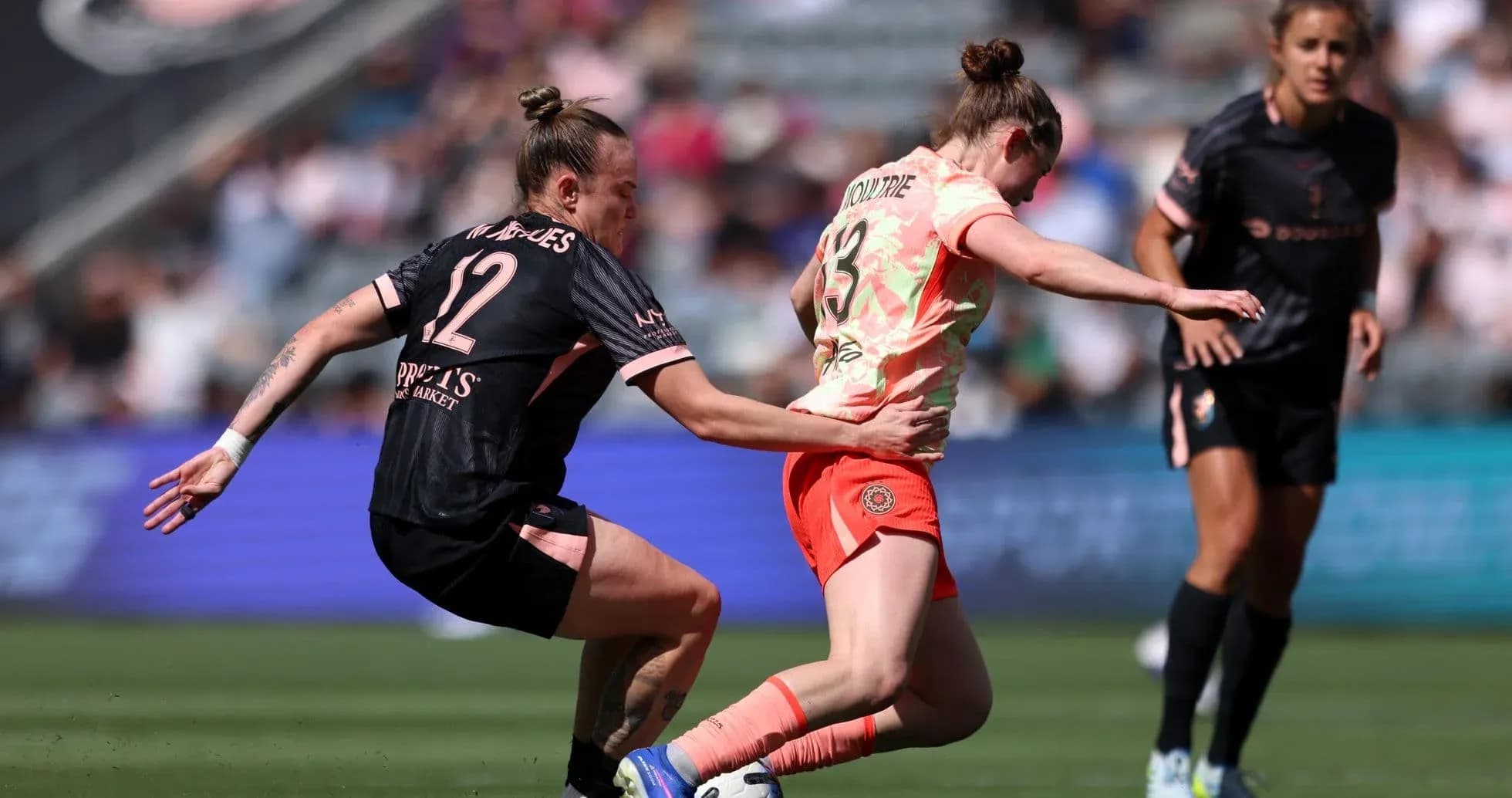
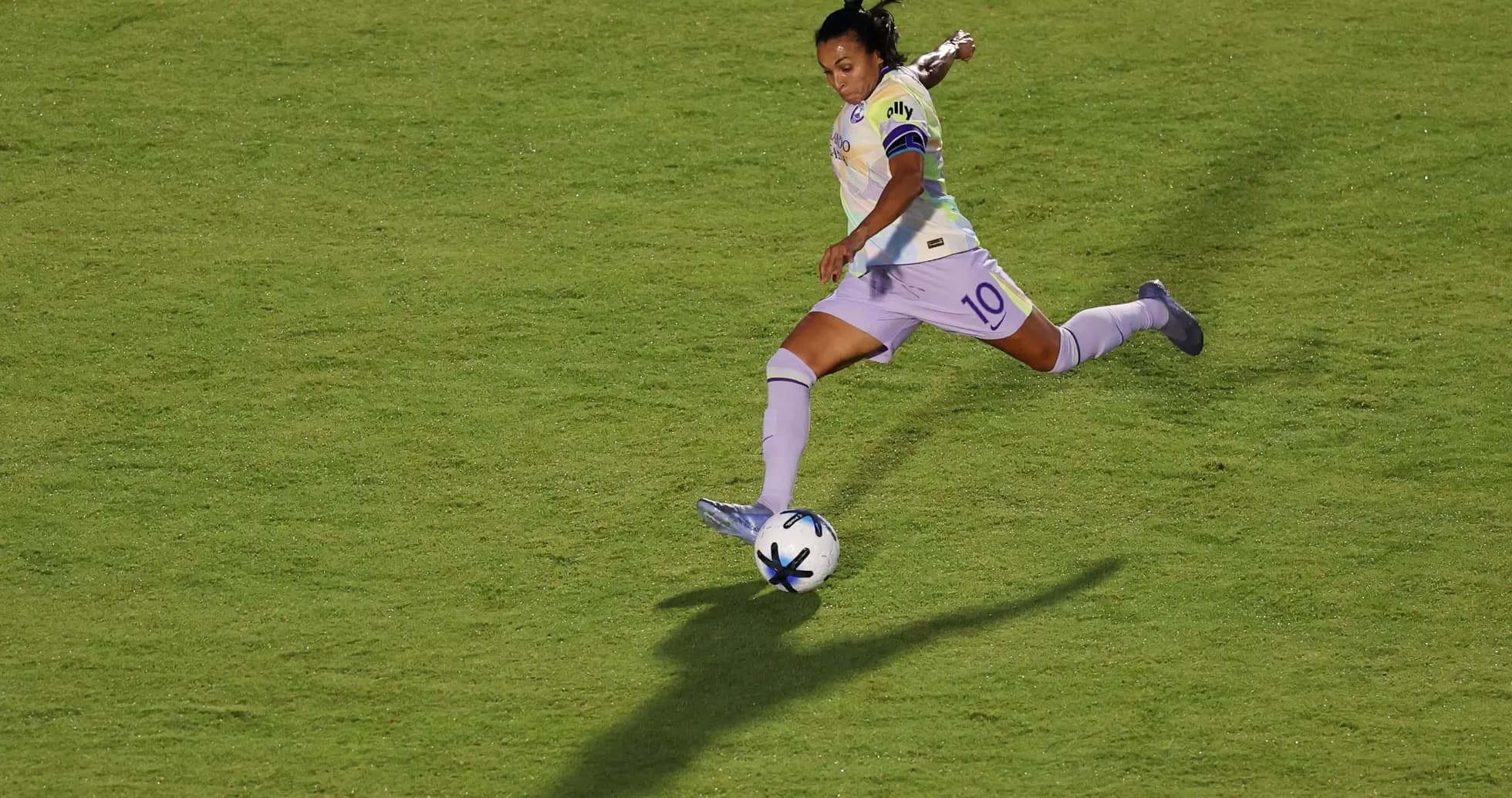
On a cool evening at Providence Park, two of the NWSL Women’s most finely tuned machines met and refused to blink. Portland Thorns W and Utah Royals W, separated only by goal difference near the summit of the table, played out a 2–2 draw that felt less like a stalemate and more like a statement of intent from both squads.
Following this result, the league picture remains delicately poised. Utah sit 2nd on 24 points with a goal difference of 8 (18 scored, 10 conceded), while Portland are 3rd, also on 24 points, with a goal difference of 6 (20 scored, 14 conceded). Both are firmly in the promotion conversation, both look like play-off quarter-final locks, and both showed exactly why across a breathless 90 minutes.
I. The Big Picture – Two 4-2-3-1s, two identities
The symmetry on the tactical board was striking: both Robert Vilahamn and Jimmy Coenraets sent their teams out in a 4-2-3-1, but the shapes carried different personalities.
For Portland, the system is now their seasonal spine. Heading into this game, they had used 4-2-3-1 in 10 of 13 league matches, building a home fortress around it. At home they had played 6, winning 4, drawing 2, and losing none, scoring 10 and conceding just 2. That defensive record – 0.3 goalsAgainst at home on average – has underpinned an aggressive, front-foot identity.
Utah, meanwhile, are just as committed to the same structure. They had lined up in 4-2-3-1 in 11 of 12 league outings, and their balance has been remarkable: on their travels, they had played 7, won 3, drawn 3, and lost only 1, scoring 10 and conceding 6. An away goalsAgainst average of 0.9 speaks to a unit comfortable absorbing pressure and countering with precision.
The 2–2 scoreline reflected that clash of philosophies: Portland’s insistence on dominating at home, Utah’s refusal to break on their travels.
II. Tactical Voids – Discipline and the invisible pressure
No official list of absentees shadowed this fixture, so both coaches leaned heavily on their core. The voids were less about missing bodies and more about how each side danced on the disciplinary tightrope.
Portland came into the night with a complicated relationship with cards. Across the season they had already seen late yellow surges – 25.00% of their yellows between 61–75 minutes and another 25.00% between 76–90 – and crucially, red cards spread early (50.00% between 0–15) and just after the restart (50.00% between 46–60). The presence of Reyna Reyes and Cassandra Bogere, both already central to the league’s red-card narrative, framed the Thorns’ back line as aggressive, occasionally reckless.
Utah, by contrast, tend to let the game simmer before boiling over. Heading into this game, 27.27% of their yellows arrived between 46–60 and another 27.27% between 61–75, with a full 100.00% of their reds in the 76–90 window. Ana Tejada, top of the league’s yellow-card charts with 4, and Cloé Lacasse, sitting on 3 yellows, are emblematic of a side that defends on the edge once the game stretches.
In a group-stage context, that late-game volatility mattered. Both teams knew that the final quarter-hour – the league’s statistical flashpoint for Utah’s discipline and Portland’s yellow accumulation – would be where control could be lost.
III. Key Matchups – Hunter vs Shield, Engine Room vs Enforcer
Hunter vs Shield: O. Moultrie vs Utah’s defensive core
Olivia Moultrie arrived as one of the league’s most complete attacking threats. With 5 goals and 4 assists in 11 appearances, plus 24 key passes and 10 shots on target from 15 attempts, she is the creative and scoring hub of Portland’s 4-2-3-1. Her role as the central attacking midfielder behind S. Wilson on the night gave her the prime pockets between Utah’s double pivot and back four.
Utah’s shield has been robust. Overall they had conceded just 10 goals in 12 matches, an average of 0.8 per game, with only 6 of those on their travels. Tejada’s 21 tackles, 2 blocked shots, and 11 interceptions, combined with the positional discipline of K. Del Fava and K. Riehl, formed a compact central block designed to funnel Moultrie wide and away from the half-spaces she thrives in.
Moultrie’s duel with that structure defined Portland’s attacking rhythm. When she found time, the Thorns looked like the side averaging 1.7 goalsFor at home. When Utah’s line stepped in unison, they resembled the away unit that rarely allows more than a single clear chance.
The Engine Room: Bogere vs Tanaka and Miura
Beneath the glamour of the attacking lines, the game’s true tempo was set in the engine room. Cassandra Bogere, who had started all 12 of her league appearances heading into this match, is Portland’s enforcer and metronome rolled into one. With 35 tackles, 2 blocked shots, and 12 interceptions, plus 295 passes at 77% accuracy, she is tasked with both breaking and building.
Opposite her, Utah’s double pivot and advanced playmaker offered a different threat. Minami Tanaka, with 4 assists and 2 goals, 14 key passes, and 72% passing accuracy, is the creative hinge in Coenraets’ system, while N. Miura’s positioning knits transitions together. Together they feed Lacasse, whose 4 goals, 3 assists, and 24 key passes make her Utah’s primary “hunter” from the left or as a drifting 10.
This was the purest expression of the “Engine Room” battle: Bogere trying to suffocate Tanaka’s time on the ball, while Tanaka and Miura tried to drag her into wide channels and away from the central lanes that protect M. Arnold’s goal.
IV. Statistical Prognosis – xG in disguise and the play-off road
Even without explicit xG numbers, the season data sketches a clear probabilistic picture. Heading into this game, both sides were averaging 1.5 goalsFor per match overall, with Portland’s home defensive average of 0.3 goalsAgainst clashing against Utah’s away defensive average of 0.9. On paper, that projects a tight, low-scoring affair; the 2–2 scoreline suggests both attacks slightly outperformed their usual finishing curve, or both defences regressed under elite pressure.
Portland’s 7 clean sheets overall, 5 of them at home, had suggested a higher floor defensively than this result delivered. Utah’s 5 clean sheets, 3 away, similarly hinted at a team capable of locking games down. Instead, the narrative became one of attacking quality overwhelming carefully built defensive records.
Following this result, the prognosis for both squads is clear. Portland’s 4-2-3-1, powered by Moultrie’s creativity and supported by the wide work of P. Tordin and the movement of Wilson and Reilyn Turner off the bench, remains one of the league’s most potent structures. Utah’s mirrored shape, anchored by Tejada’s edge, Tanaka’s intelligence, and Lacasse’s dual role as scorer and creator, travels as well as any side in the competition.
If this group stage clash is a preview of a future play-off quarter-final, the numbers and the narrative align: two teams with near-identical offensive output, disciplined yet combustible defensive units, and engine rooms capable of bending the match’s xG curve in either direction. The margins will not be in formation tweaks but in who controls those late-game minutes where both discipline and concentration have already shown they can fracture.
Related News

Kansas City W vs Denver Summit W: NWSL Women Showdown
Portland Thorns W vs Houston Dash W Prediction: Key Stats and Tips
Washington Spirit W vs Angel City W Prediction: Key Stats and Betting Tips
Racing Louisville W vs San Diego Wave W Predicted Lineups and Team News

Kansas City W vs Denver Summit W Prediction: Key Stats and Betting Tips
Racing Louisville W vs San Diego Wave W: NWSL Clash Preview