
Birmingham Legion and Loudoun United Share Points in 1-1 Draw
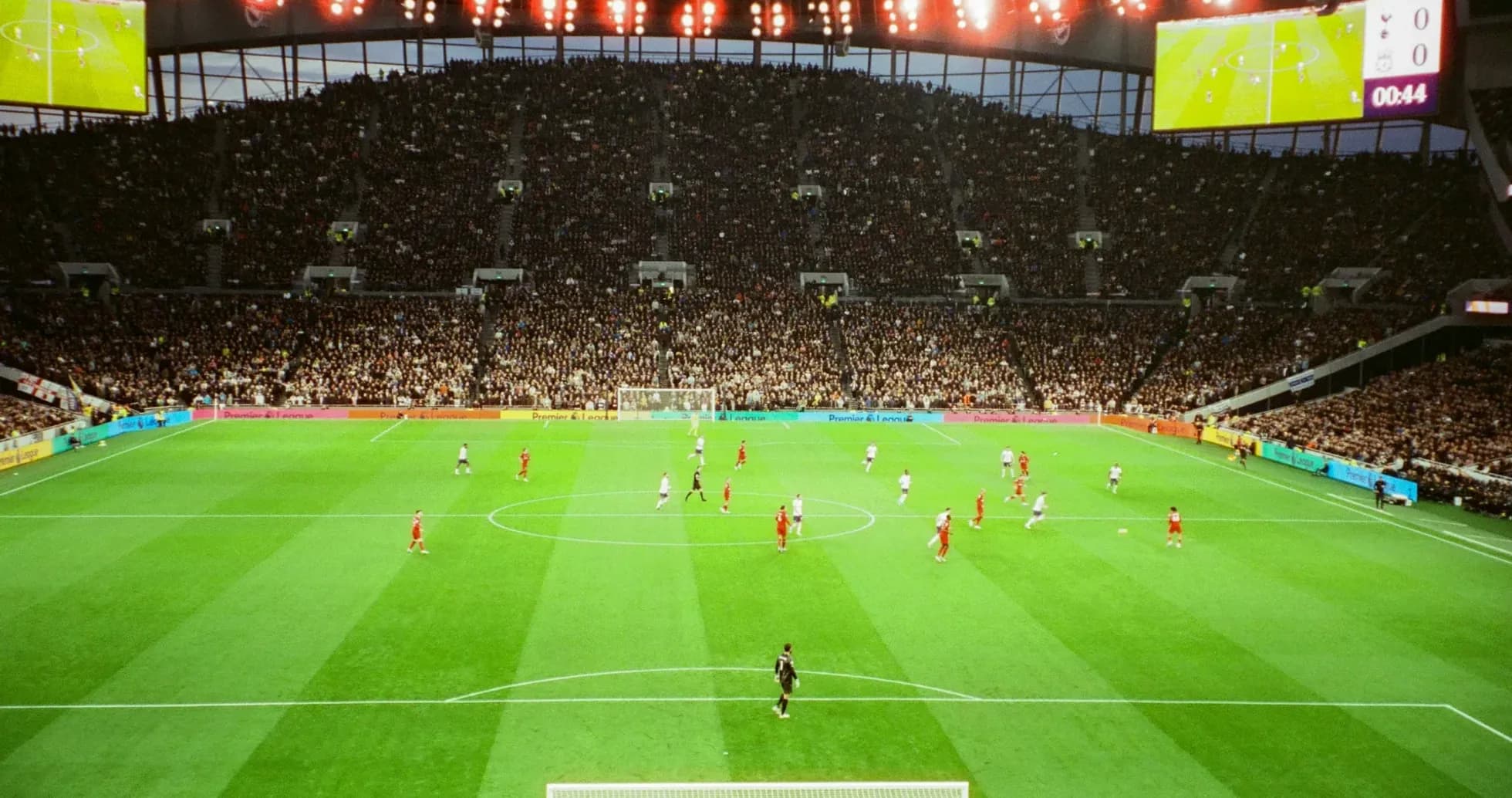
Under the Birmingham night at Protective Stadium, this Group Stage fixture in the USL Championship unfolded like a meeting of mirror images. Birmingham Legion, 10th in the USL 1 group heading into this game, and Loudoun United, 11th, arrived separated by only three points and bonded by the same nagging problem: the inability to turn draws into decisive wins. Ninety minutes later, a 1-1 draw felt less like a result and more like a diagnosis of where both squads stand in their 2026 journey.
Birmingham's Season Overview
For Birmingham, the season’s DNA has been clear. Overall they had played 13 matches heading into this game, with just 2 wins, 7 draws, and 4 defeats. The goal difference of -2 (14 scored, 16 conceded) underlined a side that rarely gets blown away but just as rarely overwhelms opponents. At home, the pattern is even starker: 8 matches, 1 win, 5 draws, 2 losses, with only 6 goals for and 7 against. An average of 0.8 goals scored at home against 0.9 conceded tells of a team that lives on the knife-edge of one-goal margins and stalemates.
Loudoun's Season Overview
Loudoun arrived with a similar burden. Overall, across 12 matches, they had 1 win, 7 draws, and 4 defeats, with a goal difference of -8 (14 scored, 22 conceded). On their travels, they had been marginally more efficient in terms of results than their table position suggests: 5 away matches, 1 win, 2 draws, 2 losses, 4 goals scored and 8 conceded, for an away average of 0.8 goals for and 1.6 against. Where Birmingham’s season has been about control and caution, Loudoun’s has been about volatility and damage limitation.
Coaching Strategies
Into that context stepped two coaches with contrasting tasks. Jay Heaps’ Birmingham XI had the familiar spine of J. Koleilat in goal and a defensive line anchored by L. Duru, K. Hughes, R. Hamouda, and A. Daley. In front of them, S. Antwi, S. Shashoua, and T. Pasher formed the creative and transitional core, with P. Vassell, G. Diarbian, and R. Williams asked to provide the thrust in the final third. It is a group built less on star power and more on collective responsibility, a reflection of a side that has kept 3 clean sheets at home but also failed to score in 3 of those 8 home outings.
Anthony Limbrick’s Loudoun United, by contrast, leaned into a more fluid, mobile identity. E. Bandre started in goal, protected by N. Adnan, J. Erlandson, B. Akinyode, and C. Torres. The midfield trio of A. Souper, J. Murphy, and K. Awuah offered legs and passing range, while the front line of A. Ordonez, T. Ulfarsson, and A. Aboukoura promised verticality and counter-attacking menace. This is a squad that, overall, scores 1.2 goals per match but concedes 1.8; the talent is there to hurt teams, but the structure often frays under pressure.
Discipline and Game-State Management
If there was a hidden subplot in this fixture, it lay in discipline and game-state management. Birmingham’s yellow-card profile this season is heavily back-loaded: 28.57% of their yellows arrive between 76-90 minutes, with another 11.43% from 91-105. They have even seen a red card in that 76-90 band. Loudoun mirror that late-game volatility, with 34.29% of their yellows coming between 76-90 and 25.71% between 46-60. This is a matchup where the final quarter-hour was always likely to become a storm of duels, tactical fouls, and emotional swings.
Bench Strategies
That tension shaped how both squads were constructed. Heaps’ bench — featuring the likes of S. Saucedo, R. Damus, N. Brown, and P. Kavita — was designed to give him late-game levers: extra attacking punch in Saucedo and Damus, fresh wide energy in Brown, and defensive reinforcement and leadership through Kavita. In a side that often plays one-goal games, those substitutions are less about revolution and more about subtle recalibration: shoring up a narrow lead, or injecting just enough chaos to chase an equalizer.
Limbrick’s options were similarly targeted. S. Mazzaferro and L. Piras offered defensive insurance and structural tweaks, while J. Panayotou and R. Aman provided fresh legs in midfield and attack. L. Herrera-Rauda and L. Barrus rounded out a bench built to protect a result as much as to overturn one. Given Loudoun’s 4 clean sheets overall — split evenly between home and away — the coaching staff clearly values the ability to lock a game down when required.
Match Dynamics
The “Hunter vs Shield” narrative in this match was less about a single prolific scorer and more about systems. Birmingham’s attack, averaging 1.1 goals overall and 0.8 at home, faced a Loudoun defense that concedes 1.6 goals on their travels. It is a meeting of a cautious, low-output offense against a back line that can be breached but rarely collapses completely. Conversely, Loudoun’s away attack — 0.8 goals per game — had to find a way past a Birmingham defense that, at home, allows just 0.9 goals on average and has already posted 3 clean sheets.
Midfield Battle
In the “Engine Room” battle, the likes of S. Shashoua and S. Antwi were tasked with dictating rhythm for Birmingham, while J. Murphy and K. Awuah attempted to wrest control for Loudoun. With both sides drawing so frequently, the midfield duel was always going to be about who could tilt the balance just enough to create the one or two high-quality chances that often decide these tight USL Championship nights.
Conclusion
Following this result, the 1-1 scoreline felt almost inevitable. Birmingham extended their habit of sharing points, while Loudoun added yet another draw to a season defined by near-misses and partial successes. Without explicit xG data, the statistical prognosis leans heavily on trends: Birmingham’s narrow goal difference of -2 and Loudoun’s more alarming -8 suggest that over a larger sample, Legion’s defensive solidity gives them a slightly higher floor. Loudoun’s capacity to both score and concede in bursts, especially away, points to a team whose fate will hinge on whether structure can finally catch up to their moments of attacking promise.
For now, both squads leave Protective Stadium with their identities reinforced rather than rewritten: Birmingham as the stubborn, low-scoring grinders; Loudoun as the volatile, draw-prone travelers. The story of their seasons remains unfinished, but this 1-1 felt like a chapter entirely in character.
Related News
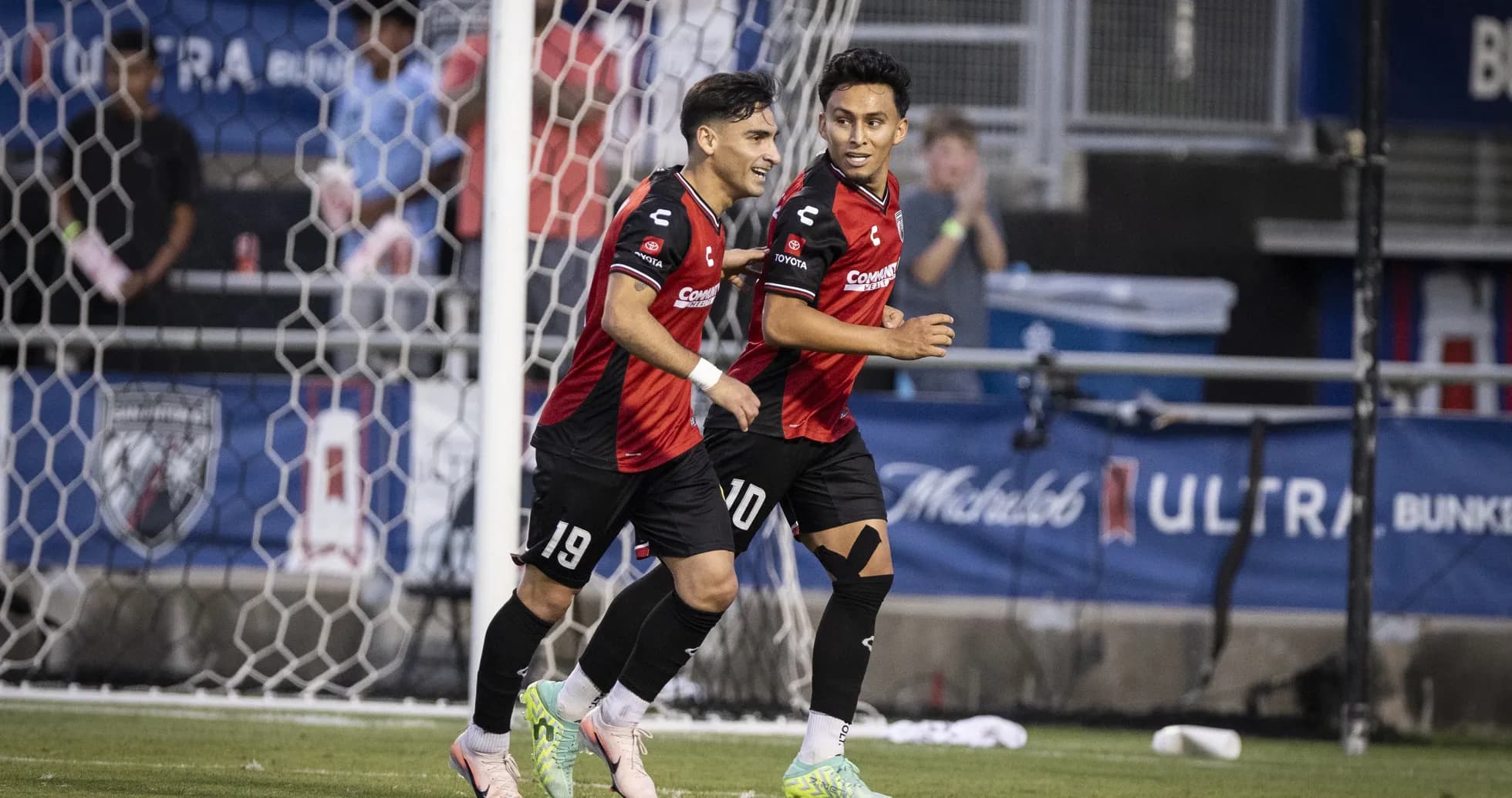
San Antonio's Tactical Edge Secures 2–1 Victory Over Colorado Springs

Charleston Battery Dominates Loudoun United 4–1 in Statement Win

Miami FC vs Orange County SC: USL Championship Clash Highlights
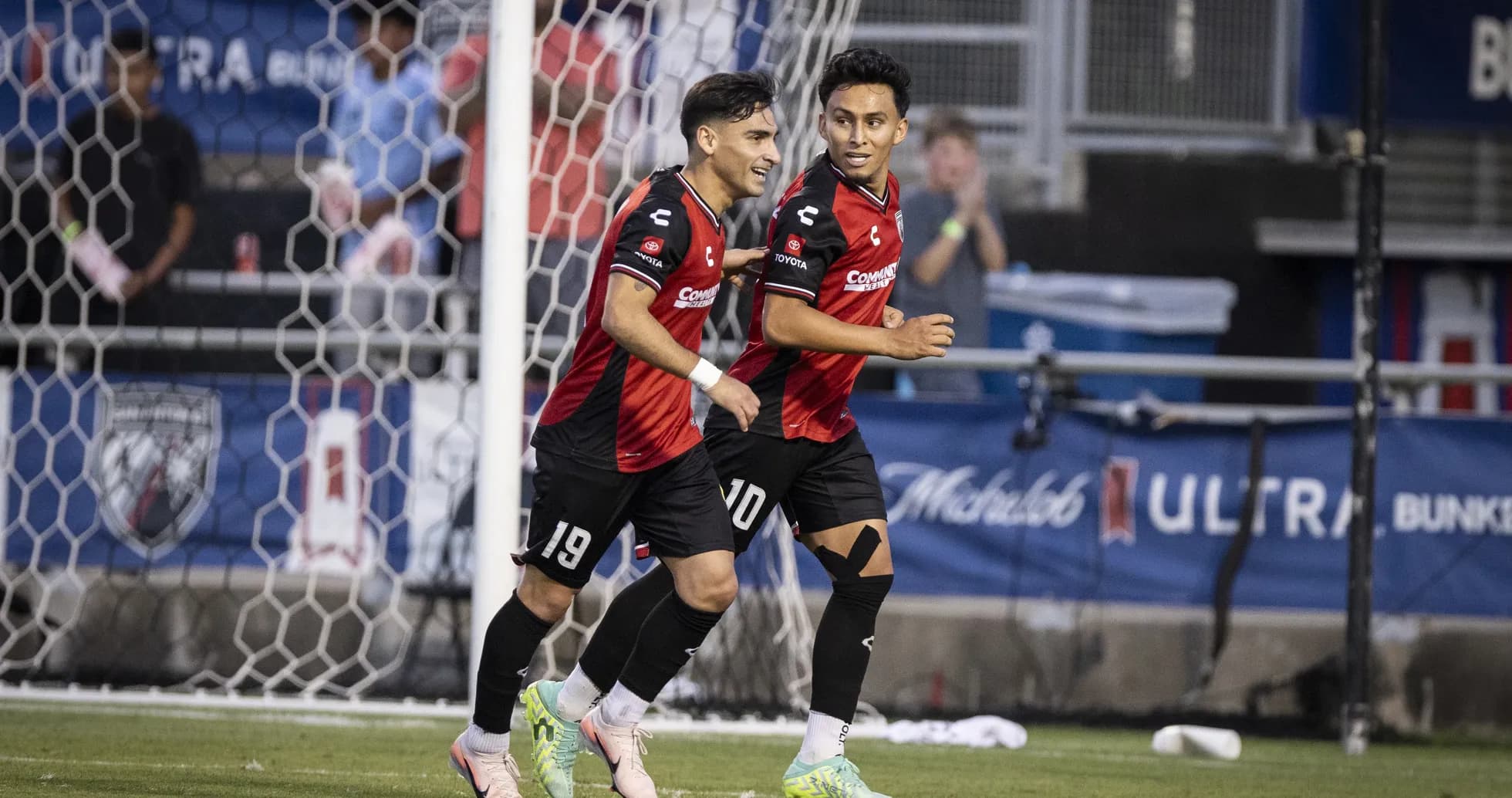
Colorado Springs vs San Antonio: USL Championship Group Stage Preview

Charleston Battery vs Loudoun United: Match Preview
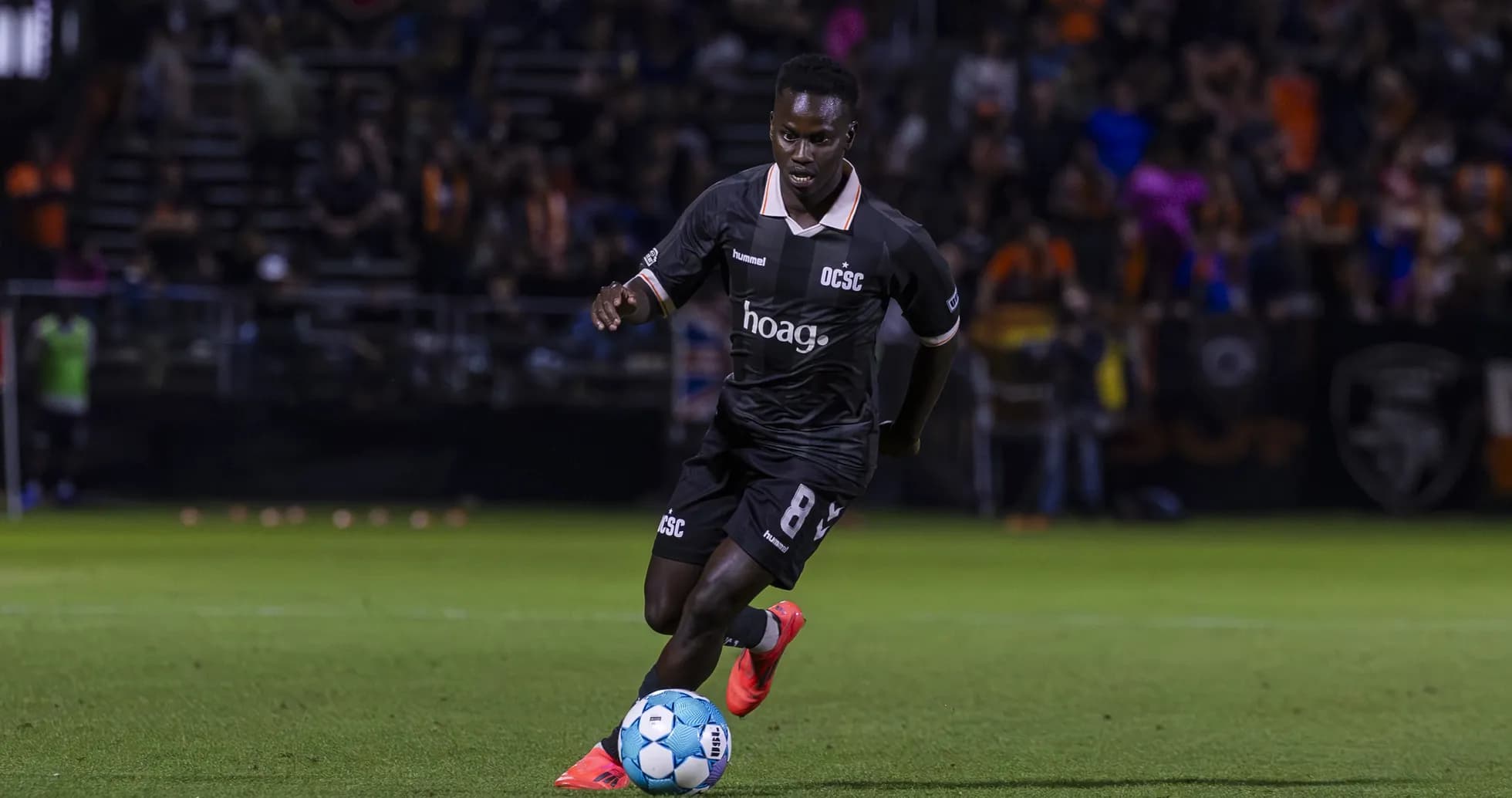
Miami FC vs Orange County SC Match Preview