
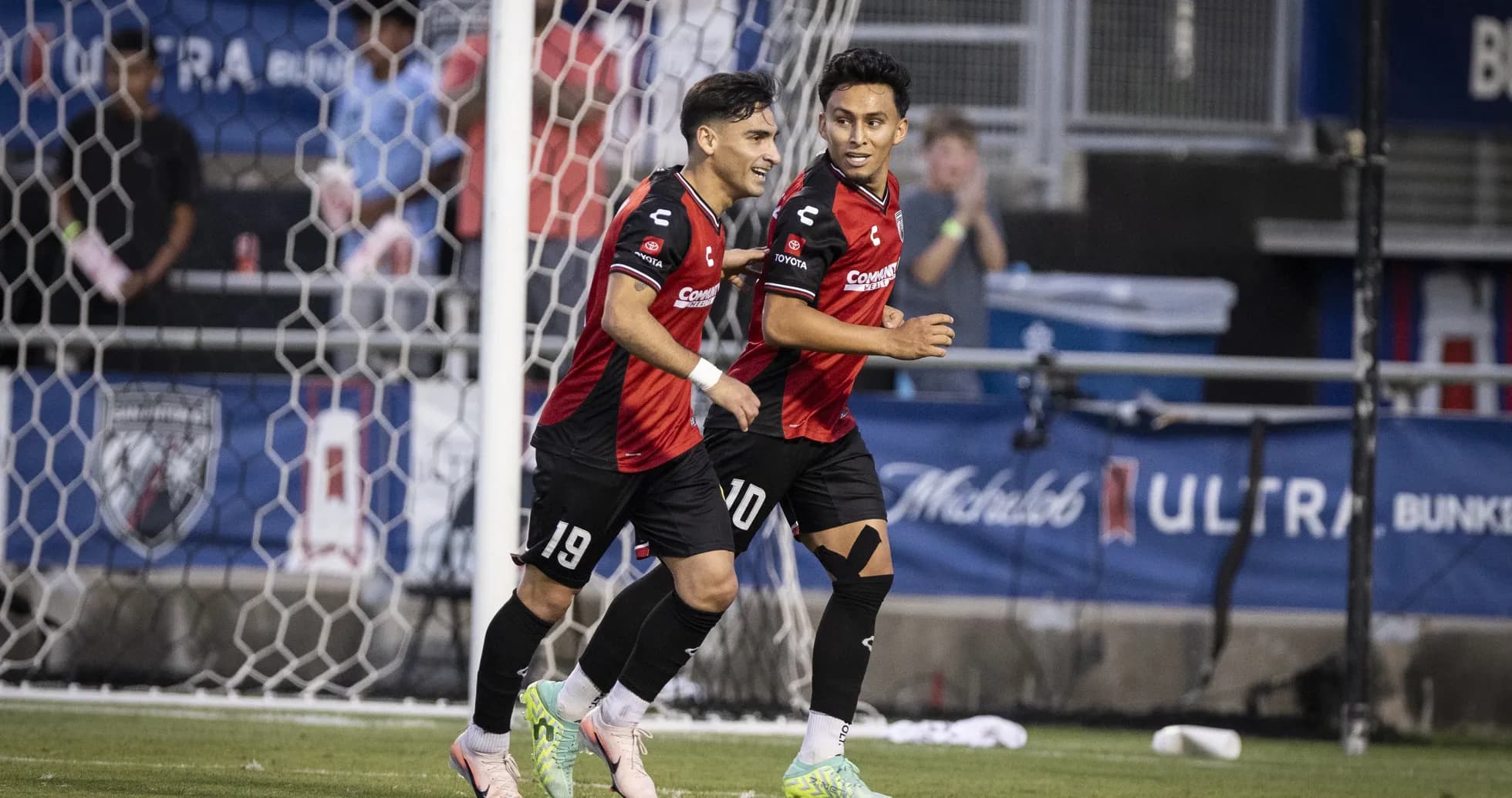
San Antonio's Tactical Edge Secures 2–1 Victory Over Colorado Springs
Under the thin air and floodlights of Weidner Field, Colorado Springs and San Antonio produced a tight, tactical contest that ultimately tilted toward the visitors. Following this result, the 2–1 away win underlined why San Antonio sit 2nd in the USL Championship table with 24 points and a goal difference of 3, while Colorado Springs remain a volatile mid‑table force in 9th on 16 points with a goal difference of 0.
Across the season, Colorado Springs have been a study in balance and instability. Overall they have played 13 league matches, winning 4, drawing 4 and losing 5, with 21 goals scored and 21 conceded. At home they had been marginally stronger heading into this game: 6 matches, 2 wins, 2 draws, 2 defeats, scoring 11 and conceding 9. Their attacking DNA is clear: at home they average 1.8 goals for and 1.5 goals against per match, a profile of a side that embraces risk and trades chances.
San Antonio arrived with the look of a promotion contender built on control and resilience. Overall they had played 14 matches, with 6 wins, 6 draws and just 2 losses, scoring 20 and conceding 17. At home they are dominant, but on their travels they are more pragmatic: 8 away games, 2 wins, 4 draws, 2 defeats, 10 scored and 12 conceded, for an away attacking average of 1.3 goals and 1.5 against. That slightly negative away goal difference is offset by a habit of managing game states and leaning on a disciplined defensive block.
This match, finishing 2–1 to San Antonio after a 1–1 half‑time scoreline, fit both teams’ seasonal patterns: Colorado Springs open, emotional, and vulnerable; San Antonio measured, patient, and opportunistic.
Tactical voids and disciplinary undercurrents
With no official absentees listed, both coaches could lean on their core groups, but the way they deployed them revealed clear tactical trade‑offs.
Alan McCann’s Colorado Springs selection was front‑foot in intent. C. Shutler in goal sat behind a back line anchored by P. Burner, T. Maples and M. Mahoney, with A. Rocha and B. Creek providing the connective tissue between defence and midfield. The attacking carousel of S. Williams, A. Perez, J. Tejada, Y. Hanya and K. Bennett was designed to overload half‑spaces and attack in waves, consistent with a side that has failed to keep a single clean sheet at home all season and has just 1 clean sheet in total. The void, as ever, was structural protection in front of the defence; Colorado Springs’ overall average of 1.6 goals conceded per match reflects that fragility.
On the other side, Carlos Llamosa’s San Antonio were set up with more steel. J. Batrouni in goal was shielded by a defensive spine of A. Ward, A. Crognale, D. Barbir and M. Taintor, with E. Cuello and J. Hernandez orchestrating transitions and tempo. The supporting cast of L. Berron, M. Maldonado, D. Erofeev and C. Sorto offered vertical running and pressing triggers rather than pure creativity. This is a team that, overall, concedes just 1.2 goals per game and has already produced 5 clean sheets, 3 of them at home and 2 away. Even when they do concede on their travels, their structure rarely collapses.
Disciplinary patterns framed the emotional tone. Colorado Springs spread their yellow cards fairly evenly across the 90 minutes, but there is a subtle spike between 46–60 minutes, where 21.74% of their bookings occur, and another late‑game push with 17.39% between 76–90. That speaks to a side that emerges from half‑time aggressively, then grows increasingly desperate as the clock ticks. San Antonio, by contrast, cluster their cautions in the true battle phases: 20.93% of yellows between 46–60 minutes and another 20.93% between 61–75, before 18.60% in the final quarter‑hour. They manage intensity rather than emotion, fouling to control transitions rather than out of panic.
One key psychological note: Colorado Springs’ penalty record. Overall they have been awarded 6 penalties, scoring 5 (83.33%) but missing 1 (16.67%). That lone miss hangs over a team that often lives on fine margins; any future spot‑kick carries a shadow of doubt that can influence both taker and goalkeeper. San Antonio, meanwhile, have not yet taken a penalty this season, with 0 in total and therefore 0 scored and 0 missed. Their threat comes from open play and set pieces, not from the spot.
Key matchups – Hunter vs Shield, and the engine room
Without individual scoring data, the “Hunter vs Shield” battle is best read as unit vs unit. Colorado Springs’ home attack, averaging 1.8 goals per match, is the hunter: fluid front players like Hanya, Tejada and Bennett thrive when the game becomes stretched. Against them stood San Antonio’s away defence, conceding 1.5 goals per match on their travels. That unit, led by Crognale and Taintor, is the shield: not impenetrable, but rarely broken repeatedly. The 1–1 half‑time score reflected that balance; the decisive moment after the break came when San Antonio’s structure held while Colorado Springs’ defensive line cracked once more.
In the “Engine Room” duel, the contrast was stark. For Colorado Springs, S. Williams and A. Perez were tasked with threading passes between the lines, linking Creek and Rocha’s deeper positions with the mobile front three. Their side’s overall attacking average of 1.6 goals per game suggests they usually manage to create enough volume, but their midfield is often stretched by defensive duties.
San Antonio’s central axis of Cuello and J. Hernandez, supported by Berron, is more about control. With the team averaging 1.4 goals scored and just 1.2 conceded overall, their midfield is calibrated to manage risk: recycle possession, slow the tempo when needed, and pick the right moments to release Sorto or Maldonado into space. Over 90 minutes at Weidner Field, that composure proved decisive; once they moved ahead 2–1, the engine room became a shield, denying Colorado Springs the chaos they crave.
Statistical prognosis and xG‑style verdict
Even without explicit xG numbers, the season‑long data sketches an expected‑goals landscape. Colorado Springs’ profile – 1.6 goals for and 1.6 against overall, with high home attacking output and no home clean sheets – suggests their matches trend toward higher xG at both ends. They invite shots, but generate plenty themselves. San Antonio, with 1.4 goals for and 1.2 against overall, lean toward more controlled, mid‑range xG contests where their organisation reduces the quality of chances they concede.
Overlaying those identities, a narrow San Antonio edge always felt the most likely statistical outcome: Colorado Springs’ aggressive home attack against a disciplined away defence that, while not flawless, is underpinned by a promotion‑level structure. The 2–1 scoreline fits that script. San Antonio likely edged the xG through better shot selection and transitional moments, while Colorado Springs’ volume did not translate into enough clear‑cut chances.
Following this result, the broader prognosis is clear. Colorado Springs remain a dangerous but unstable opponent, capable of unsettling anyone at Weidner Field but hampered by a defence that mirrors their attacking risk. San Antonio leave with three points that reinforce their status as genuine play‑off contenders, a side whose tactical maturity and defensive solidity give them a sustainable edge in tight, high‑pressure games like this one.
Related News
San Antonio's Tactical Edge Secures 2–1 Victory Over Colorado Springs

Charleston Battery Dominates Loudoun United 4–1 in Statement Win

Miami FC vs Orange County SC: USL Championship Clash Highlights
Colorado Springs vs San Antonio: USL Championship Group Stage Preview

Charleston Battery vs Loudoun United: Match Preview

Miami FC vs Orange County SC Match Preview