
Miami FC vs Orange County SC: USL Championship Clash Highlights

Under the Miami lights at Riccardo Silva Stadium, this Group Stage clash in the USL Championship brought together two sides whose seasonal identities could not be more distinct. Miami FC, heading into this game eighth in USL 1 with 17 points and a goal difference of -6 (17 scored, 23 conceded overall), met an Orange County SC side travelling east as league leaders on 26 points with a goal difference of 7 (22 scored, 15 conceded overall). The table suggested a measuring-stick night; the 2-4 full-time scoreline confirmed the gap in ruthlessness between a fragile host and a hardened contender.
Miami’s season-long narrative is one of volatility. At home they had been relatively productive heading into this game, with 11 goals scored in 6 matches at an average of 1.8, but that came at the cost of 13 conceded at home, an average of 2.2. The same pattern reappeared here: Miami again found the net twice, echoing their attacking potential, but their defensive structure once more buckled under pressure, allowing four.
Gaston Maddoni’s starting XI hinted at a side still searching for the right balance. F. Rodriguez anchored the team from the back, with a defensive line built around B. Ndiaye, D. Knutson and A. Calfo, and a central presence in A. Milesi and R. Tori. In front of them, T. Musto and G. Diaz were tasked with knitting play through the middle, supporting an attacking trio of M. Tunbridge, J. Sonora and R. Da Costa. On paper, it is a side capable of combining between the lines, but the broader statistics tell a harsher truth: overall this campaign Miami average only 1.2 goals for and 1.6 against per match, and have failed to score in 7 of their 14 league fixtures. When they click, they can win 4-3 at home; when they crack, they lose 0-3 here or 4-1 away.
Orange County, by contrast, arrived with a clear identity and a form line of WWDWD that spoke of consistency. Danny Stone’s selection was built on a strong defensive core in front of goalkeeper A. Rando, with T. Espy, T. Brewitt, G. Tubbs and N. Benalcazar forming a back line that has underpinned an away record of 15 goals scored and 11 conceded in 8 games, an average of 1.9 for and 1.4 against on their travels. In midfield, E. Solis and S. Kelly offered control and energy, while L. MacKinnon and M. Palomino provided the creative conduit to forwards J. Johnson and Y. Bazini. This group has been hard to shut down all season: overall they score 1.6 goals per match and concede just 1.1, with 5 clean sheets and only 2 games in which they have failed to score.
The disciplinary backdrop added another layer to the tactical story. Miami’s yellow card distribution shows a side that tends to get stretched and reactive as games wear on: 24.39% of their cautions arrive between 61-75 minutes and another 24.39% between 76-90. Their lone red card this season has come in the 61-75 window as well. Orange County’s profile is similar but more controlled; their yellows surge late, with 26.09% between 61-75 minutes and 39.13% between 76-90, and their only red card coming in that final 76-90 stretch. This match, with its high tempo and four away goals, fit that pattern of late-game edge and intensity, even if the raw card data for the fixture is not provided.
Within that frame, the “Hunter vs Shield” duel clearly tilted Orange County’s way. The visitors’ attack, which has already produced a 2-4 away win as its biggest road victory this season, again hit four on their travels. Miami’s defence, which had already conceded 10 away and 13 at home heading into this game, simply could not absorb the variety of threats from Johnson, Bazini, MacKinnon and Palomino. Orange County’s ability to repeatedly produce multi-goal performances away from home turned this into another statement win.
In the “Engine Room” battle, Miami’s midfield trio of Milesi, Tori and Musto were asked to both screen a vulnerable back line and provide progression. Their season-long numbers suggest that when Miami lose control centrally, the game quickly becomes stretched; the team has kept only 1 clean sheet at home and 5 overall, despite a decent away defensive record. Orange County’s central unit, led by Kelly and Solis, has been far more efficient at managing tempo and transitions, a key factor in their ability to protect leads and grind out results. That control was evident in a match where they turned a 1-1 half-time score into a 4-2 full-time victory.
From a statistical prognosis standpoint, the outcome aligns with the season arcs. Orange County’s superior defensive solidity (15 conceded overall at an average of 1.1 per game, with 3 home and 2 away clean sheets) and their reliable scoring output made them favourites to edge any xG battle, especially against a Miami side conceding 1.6 goals per match overall and 2.2 at home. Even without explicit xG figures, the pattern of chances and goals across the season suggests that a high-scoring away win was always a plausible script.
Following this result, Miami’s challenge is clear: the attacking flashes from Sonora, Tunbridge and Da Costa must be underpinned by a more resilient structure, particularly in the second half of games where their card profile and concession rate spike. For Orange County, this was another confirmation of their status as a promotion front-runner: a team that travels well, absorbs pressure, and punishes defensive frailty with clinical, repeatable patterns of play.
Related News
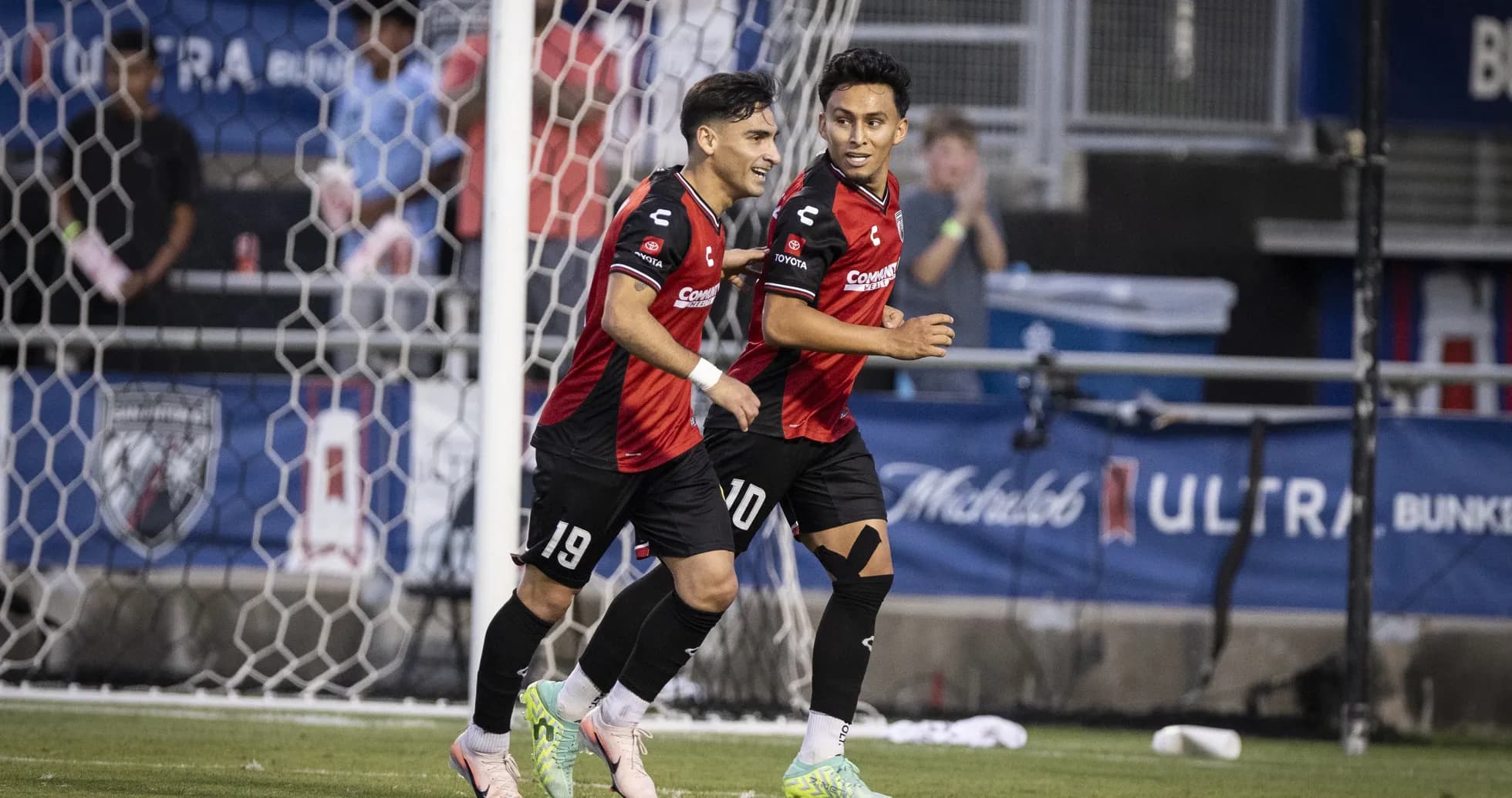
San Antonio's Tactical Edge Secures 2–1 Victory Over Colorado Springs

Charleston Battery Dominates Loudoun United 4–1 in Statement Win
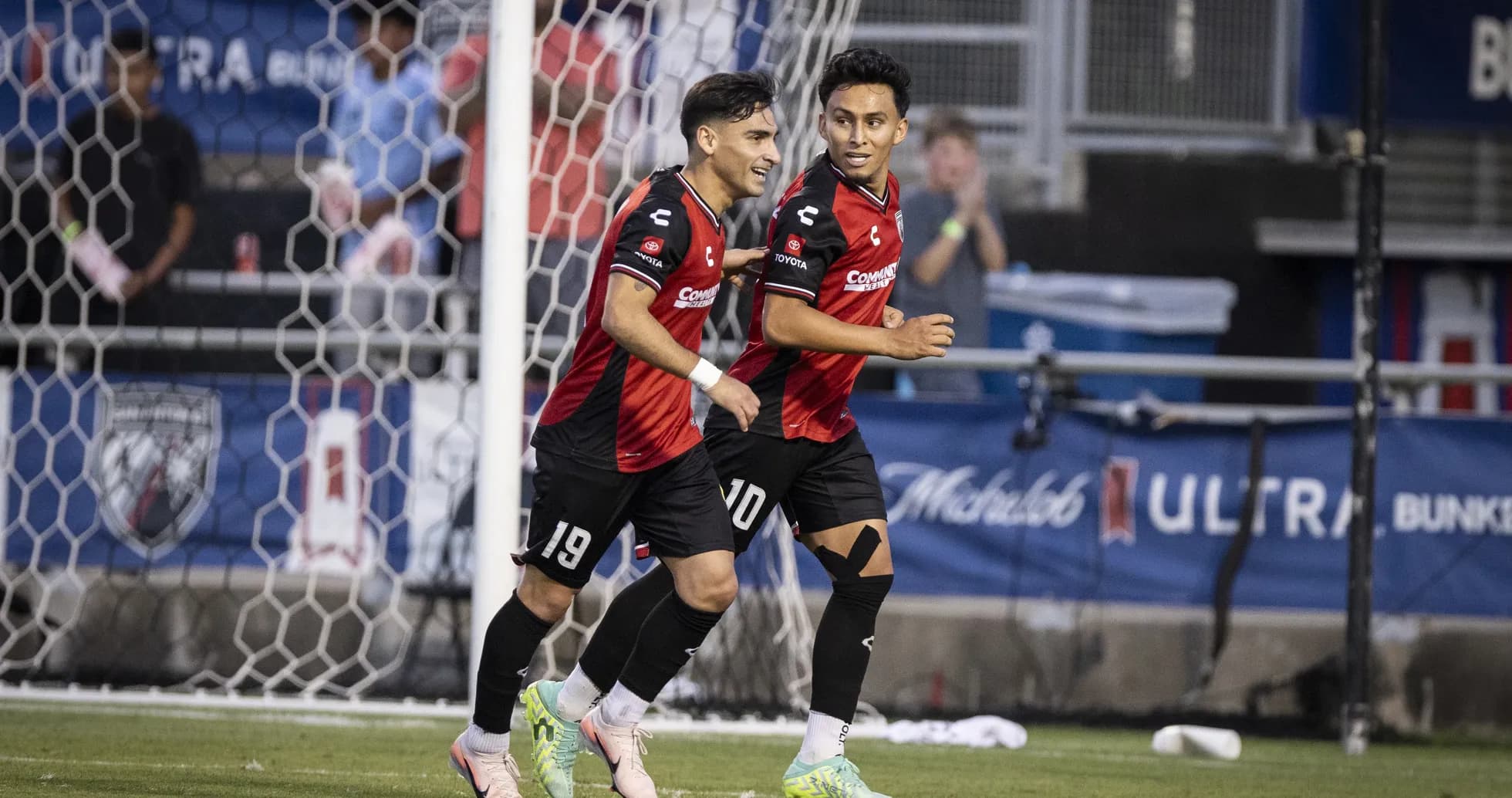
Colorado Springs vs San Antonio: USL Championship Group Stage Preview

Charleston Battery vs Loudoun United: Match Preview

Miami FC vs Orange County SC Match Preview

Charleston Battery vs Loudoun United: USL Championship Match Preview