
Bodo/Glimt vs Union St. Gilloise: UEFA Champions League 3rd Qualifying Round Preview
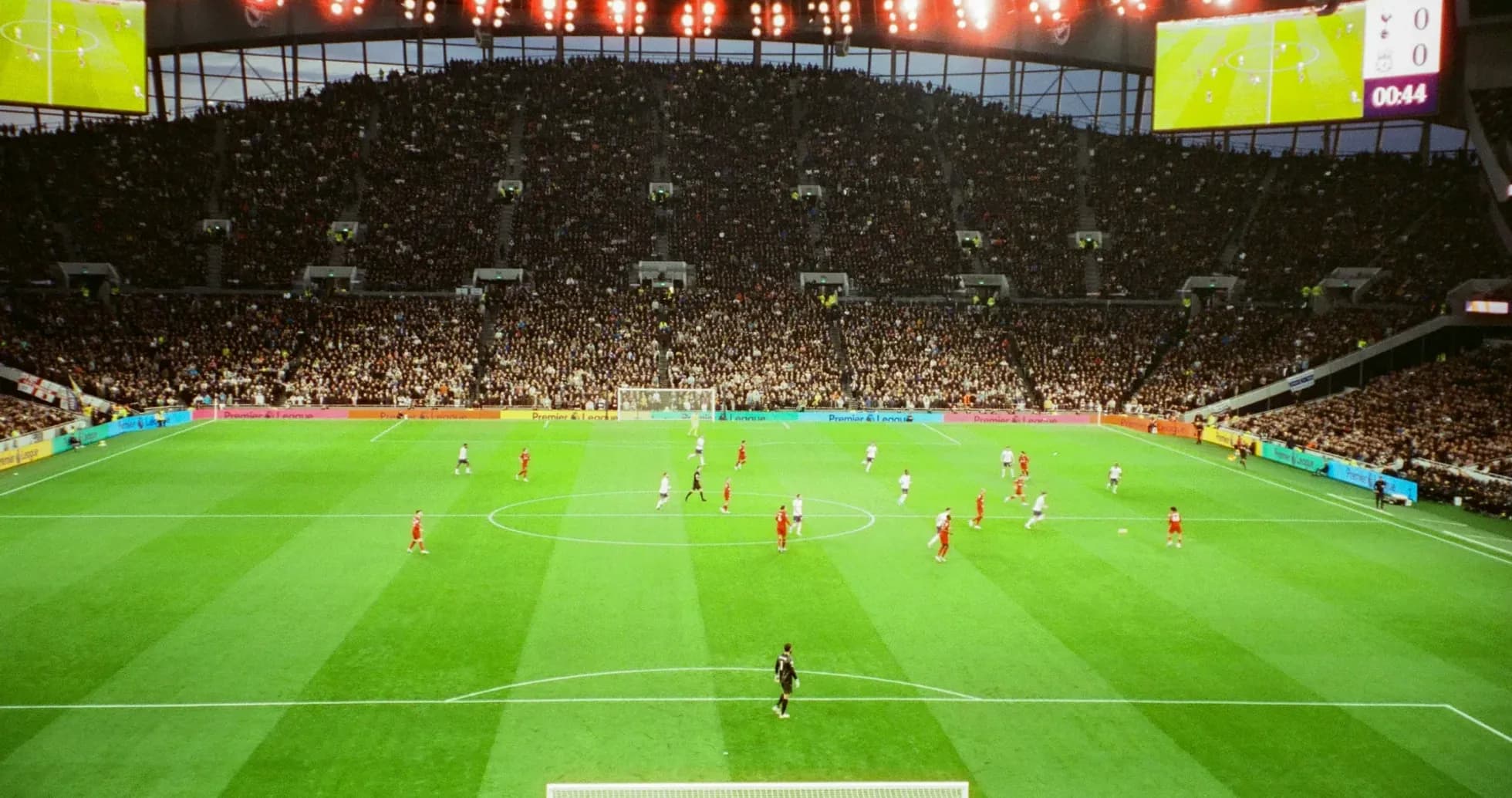
At Aspmyra Stadion, Bodo/Glimt host Union St. Gilloise in the second leg of a UEFA Champions League 3rd Qualifying Round tie that is finely balanced after a 3-3 draw in Belgium. With no group-stage standings available yet, this match effectively decides who keeps their path open towards the lucrative league phase and who drops out of the Champions League route at the first major hurdle.
Head-to-Head Tactical Summary
The sides have met twice in European competition, both times in Belgium with Union St. Gilloise as hosts. On 3 October 2024 in the UEFA Europa League league stage at Stade Roi Baudouin, they played out a tight 0-0 draw, with neither side able to convert in a controlled, cagey encounter.
The dynamic changed markedly on 4 August 2026 in this Champions League 3rd Qualifying Round at AlbertPark, where Union St. Gilloise and Bodo/Glimt drew 3-3. The half-time score was already 2-2, indicating an open, high-tempo game with both attacks finding space. Union St. Gilloise again had home advantage, but Bodo/Glimt matched them goal for goal, underlining that this matchup tends to swing between defensive control (0-0) and high-variance attacking exchanges (3-3). This second leg in Norway is their first meeting with Bodo/Glimt at home.
Global Season Picture
- League Phase Performance: There are no current Champions League group-stage standings for either Bodo/Glimt or Union St. Gilloise, as they are still in the 3rd Qualifying Round. As a result, there are no official figures yet for goals for, goals against, or points in a league-style table within this competition.
- Season Metrics: In the league phase of this Champions League campaign so far (qualifying-round sample only), Bodo/Glimt have played one match, drawing away 3-3. They have scored 3 goals and conceded 3, with no clean sheets and one successful penalty taken. Their disciplinary profile shows 2 yellow cards concentrated in the 31–45 minute window, and they have used a 4-3-3 formation once, signalling an intent to attack with width and three forwards.
- Union St. Gilloise have likewise played one match in this Champions League run, the same 3-3 home draw. They have scored 3 and conceded 3, also without a clean sheet and without any penalties taken. Their yellow cards are more spread across the match (notably in the 16–30, 31–45, 61–75, and 76–90 minute ranges), suggesting an aggressive, high-intensity style that produces fouls across different phases. They have deployed a 3-4-1-2 system once, favouring three centre-backs, wing-backs, and a central creator behind two strikers, which aligns with the open, chance-rich nature of the first leg.
- Form Trajectory: Both teams show a single-match form line of “D” in this Champions League campaign, reflecting only the 3-3 draw. For Bodo/Glimt, that away draw indicates offensive potency but defensive vulnerability, while Union St. Gilloise’s identical record shows they can create and concede in equal measure. With such a small sample, the trajectory is less about momentum and more about volatility: both have already shown they can be dragged into high-scoring, unstable contests.
Tactical Efficiency
Across this qualifying phase, the tactical profiles are mirrored in output: Bodo/Glimt’s 4-3-3 has produced 3 goals away from home but also allowed 3, while Union St. Gilloise’s 3-4-1-2 has done the same at home. Without broader possession or chance-creation data, the key efficiency signal comes from how each structure behaved in the first leg.
Bodo/Glimt’s front three and midfield trio were effective in exploiting the spaces behind Union’s wing-backs, which is consistent with a side that can quickly turn transitions into goals. However, conceding 3 away suggests their defensive line and midfield protection were stretched by Union’s two strikers and advanced attacking midfielder. The lack of clean sheets and the equal goals-for and goals-against figures underline a high-risk, high-reward approach.
Union St. Gilloise’s 3-4-1-2 offers numbers in the final third and wide areas, but the spread of yellow cards across the match hints at repeated defensive interventions to manage Bodo/Glimt’s transitions. Their inability to protect a home advantage in the first leg, despite scoring three times, raises questions about defensive efficiency when facing quick, direct attacks, especially away from home where they cannot dictate tempo as easily.
In this context, Bodo/Glimt’s tactical efficiency at home will hinge on whether their 4-3-3 can maintain attacking output while tightening the back line. Union St. Gilloise must find a better balance between committing numbers forward and protecting central spaces in front of their three centre-backs. The tie so far suggests both attacks are more efficient than the defenses, making marginal improvements in defensive organisation likely to decide who progresses.
The Verdict: Seasonal Impact
This second leg is season-defining for both clubs. Progression from the 3rd Qualifying Round keeps the Champions League pathway open and significantly enhances the chances of reaching at least the group stage, with all the financial and sporting benefits that follow. For Bodo/Glimt, turning the 3-3 away draw into a home win would confirm their ability to translate domestic attacking strength into European advancement and maintain their trajectory as a regular presence in continental competitions.
For Union St. Gilloise, failing to convert a high-scoring home draw into qualification would represent a major setback, given the opportunity they had in the first leg. A positive result in Norway would reinforce their status as an emerging European competitor and keep them in contention for the Champions League proper. Conversely, elimination here would likely reframe their season objectives towards success in other competitions rather than a deep Champions League run.
In summary, this match does not yet decide a title, top-four finish, or relegation, but it heavily shapes the European ceiling for both sides in 2026. The winner stays on a Champions League track with higher visibility and revenue; the loser faces a recalibrated season where domestic priorities and alternative European routes become the primary focus.
Related News

Luis Díaz Confident Bayern Munich Can Win Champions League
AFC Champions League Matchday One: Insights and Team Strategies

Vincent Kompany’s Bayern Munich Future Not Tied Solely to Champions League Success
Barcelona’s Camp Nou to Host 2029 Champions League Final, Munich Confirmed for 2028
Bayern Munich's Allianz Arena Set to Host 2028 Champions League Final
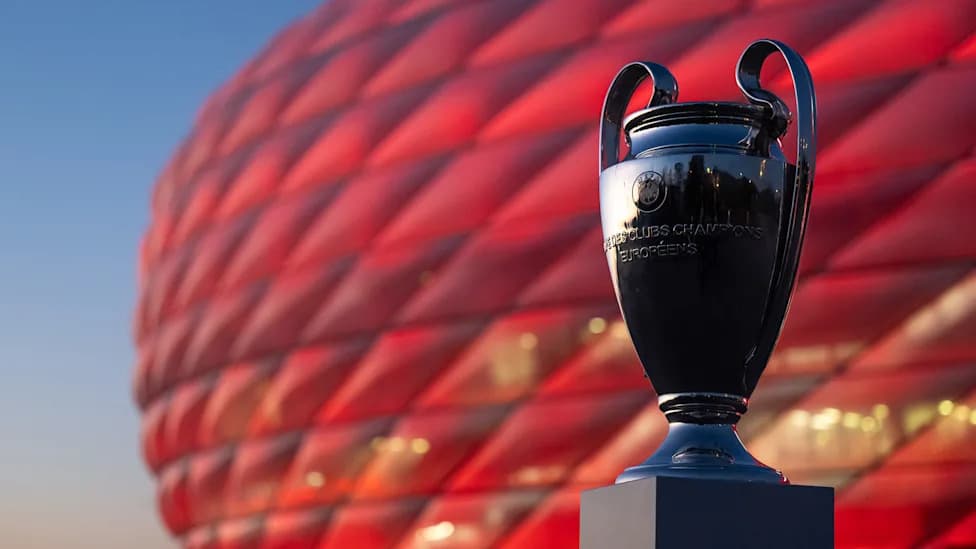
Allianz Arena to Host 2028 Champions League Final for Third Time