
Bristol City Benefits from Alex Scott's Sell-On Clause
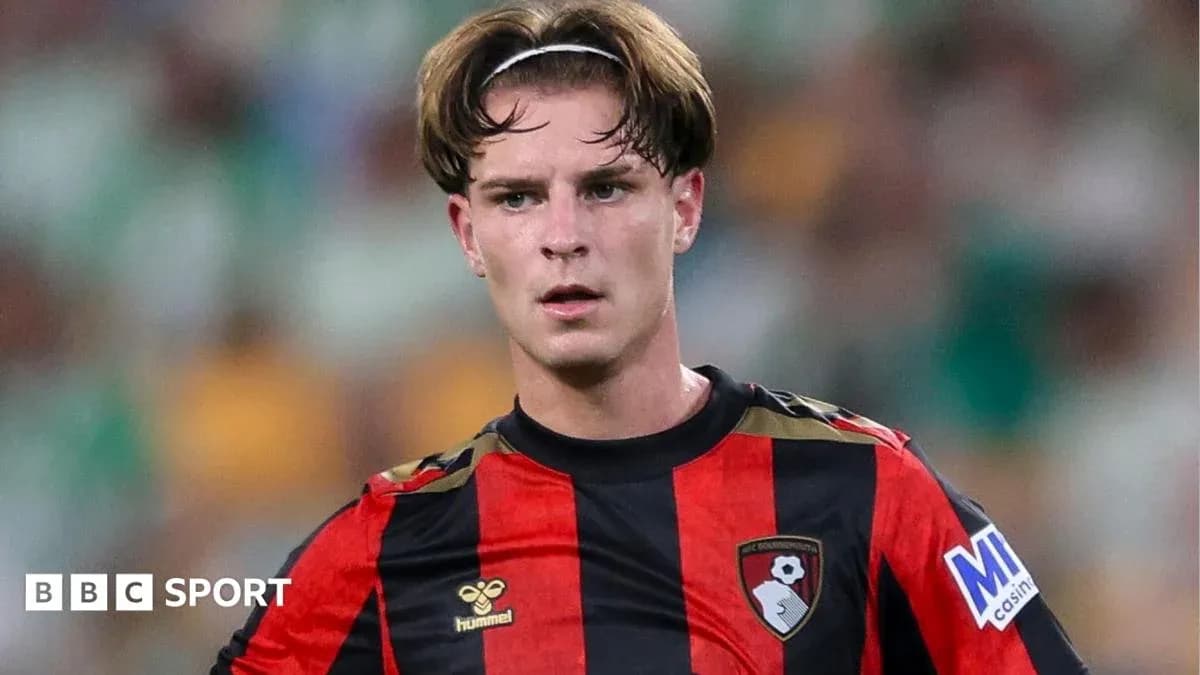
Bristol City stand to cash in again on Alex Scott’s rise – even if he never kicks another ball for them.
Owner Steve Lansdown has confirmed the Championship club built a sell-on clause into the midfielder’s move to AFC Bournemouth, meaning any future big-money transfer could hand the Robins a major financial boost.
Scott left Ashton Gate for the south coast in a deal worth about £25m in August 2023, just three and a half years after City plucked him from non-league Guernsey FC. Since then he has grown into one of the Premier League’s most coveted young midfielders, an England Under-21 international linked heavily with the division’s elite.
Chelsea saw a £64m bid knocked back last month, while Arsenal have also monitored his progress. Bournemouth insist Scott, tied down until 2028, is not for sale, even after he rejected a new contract. For Bristol City, that stance delays any payday – but doesn’t kill the prospect.
“We would never let a player depart without having a sell-on clause,” Lansdown told BBC Guernsey, underlining a policy that has become central to City’s model.
He pointed to Antoine Semenyo as the template. The forward moved from Ashton Gate to Bournemouth and has since joined Manchester City, with Bristol City banking again when that second transfer went through.
“So we’ll be hopeful that Alex will be sold by Bournemouth at some point in the future because we will then get a share of some of the proceeds,” Lansdown said.
The exact percentage in Scott’s deal remains under wraps. But the mechanics are clear. Sell-on clauses typically give the former club a slice of the profit the selling club makes. If, for example, City held a 20% sell-on and Bournemouth achieved their reported £80m valuation, the Championship side could be looking at around £11m.
Money on that scale would change the landscape at Ashton Gate. It would feed directly into Lansdown’s push for the Championship play-offs and strengthen their hand in a division where financial muscle often decides who goes up and who gets left behind.
Lansdown, who made his fortune by founding the finance firm Hargreaves Lansdown, has been shaping Bristol sport for more than two decades. He became Bristol City chairman in 2002 after already taking a majority shareholding, then assumed control of Bristol Rugby in 2012, having funded the club for years. Both now sit under the Bristol Sport umbrella and share Ashton Gate as their home.
The next phase, he believes, needs fresh money.
“I’ve made it perfectly clear that I’ve been looking for investment into Bristol City to go either alongside me or basically take me out of it at some point in the future,” he said.
Talks are ongoing. Nothing imminent, no deal to announce. But Lansdown is realistic about what it takes to climb from the Championship to the Premier League and stay there.
“It’s a big business football and if we want to be at the top of the game we need to have that investment.”
The tension is obvious. Fans want signings, ambition, a tilt at promotion. The balance sheet wants something else.
“Obviously, your supporter base wants you to spend money and wants you to be successful, that’s the outside pressures,” he said. “The inside pressures are keeping a balanced budget as much as you possibly can.
“You can’t really do that without injecting capital in there, so the amount of capital you put in there dictates how well you do.
“So the more people who get to invest into the club, and that’s why I’m saying we’re looking for new investment, the better chances you have of being successful.”
For now, Bristol City watch and wait. Scott is starring in the Premier League in Bournemouth colours, with heavyweight clubs circling. If the Cherries finally cash in, Ashton Gate will feel the ripple.
And in a division where one transfer can tilt the odds, that sell-on clause might yet prove as valuable as any goal he ever scored in red.
Related News

Transfer Buzz: Haaland's Two Paths; Real Madrid Eyes £75M Premier League Star

Manchester United Targets Premier League Striker Jean-Philippe Mateta for January Reinforcement

Liverpool Eyes 17-Year-Old Mexican Midfielder Gilberto Mora for Summer Transfer
Summer Transfer Window 2026: Manchester United and Tottenham Miss the Mark

Liverpool Maintains Interest in Real Madrid Midfielder Despite Transfer Challenges

Barcelona Watches as Estevao Grows Frustrated with Chelsea Role Under Xabi Alonso