
Bryan Mbeumo's Struggles: From Goal Threat to Touchline Winger
Bryan Mbeumo’s season was supposed to roar into life. Right now, it’s barely whispering.
After a sharp pre-season – three goals and an assist in six games, flashes of the Brentford version who terrified defences – expectation around the United number 19 spiked. He looked direct, hungry, ruthless. The kind of forward who lives off the smell of a chance.
Seven competitive games later, that image has blurred.
Yes, the numbers on the surface don’t scream crisis: two goals and an assist is hardly disastrous. But anyone watching him over the last three matches has seen the same thing – long stretches where Mbeumo simply disappears. He’ll appear once or twice with a half-opening, then drift back to the margins. For most of the 90 minutes, he’s a bystander.
This isn’t about talent. One thing about Mbeumo has never been in doubt: he is a natural goal threat. His game is built around sharp movements, clever runs and quick finishes, not showboating on the flank.
And that’s where the problem starts.
Under Ruben Amorim, the plan was clear: keep Mbeumo close to goal, just as he was at Brentford. Use him where he hurts teams most – around the box, in the channels, arriving late in the area. Instead, under Michael Carrick, he is being used like an old-school touchline winger.
So he spends his evenings hugging the chalk, receiving the ball wide, facing up full-backs with 30 or 40 yards between him and the danger zone. That is not his game. He is not a step-over merchant who beats three men on the outside. He is a finisher, not a circus act.
The further he is dragged away from goal, the further he is dragged away from his biggest strength. We saw the same pattern in the second half of last season. The role shifted, his influence dipped, and the goals dried up. The story is repeating itself.
This is a tactical issue, not a mystery.
Carrick has to move him back towards the box. Let him play as an inverted winger, not a chalk-on-the-boots wide man. Let him drift inside, attack the half-spaces, run beyond the last defender. Get him arriving where it really matters – between the posts, six to twelve yards out, where one touch decides games.
The structure can still hold. With the right-back overlapping and holding the width, the right flank doesn’t collapse just because Mbeumo steps infield. If anything, it becomes harder to defend: an overlapping full-back outside, a livewire finisher ghosting into central areas inside.
United did not bring Mbeumo in to hang up hopeful crosses. They signed him for his edge in front of goal, that split-second instinct that turns half-chances into winners.
Right now, that weapon is being dulled out on the touchline.
Change his role, bring him closer to the danger, and the version of Mbeumo everyone expected this season is still there, waiting – whether as an inverted winger or even as a number nine.
The question is simple: how long can United afford to leave a proven goal threat stranded on the sideline?
Related News
Mohamed Belloumi’s Father Claims Son Deserves Move to Top Clubs
Alisson's Contract Dilemma: Liverpool's Goalkeeping Future at Stake
Albert Adomah Achieves 800 Career Games Milestone
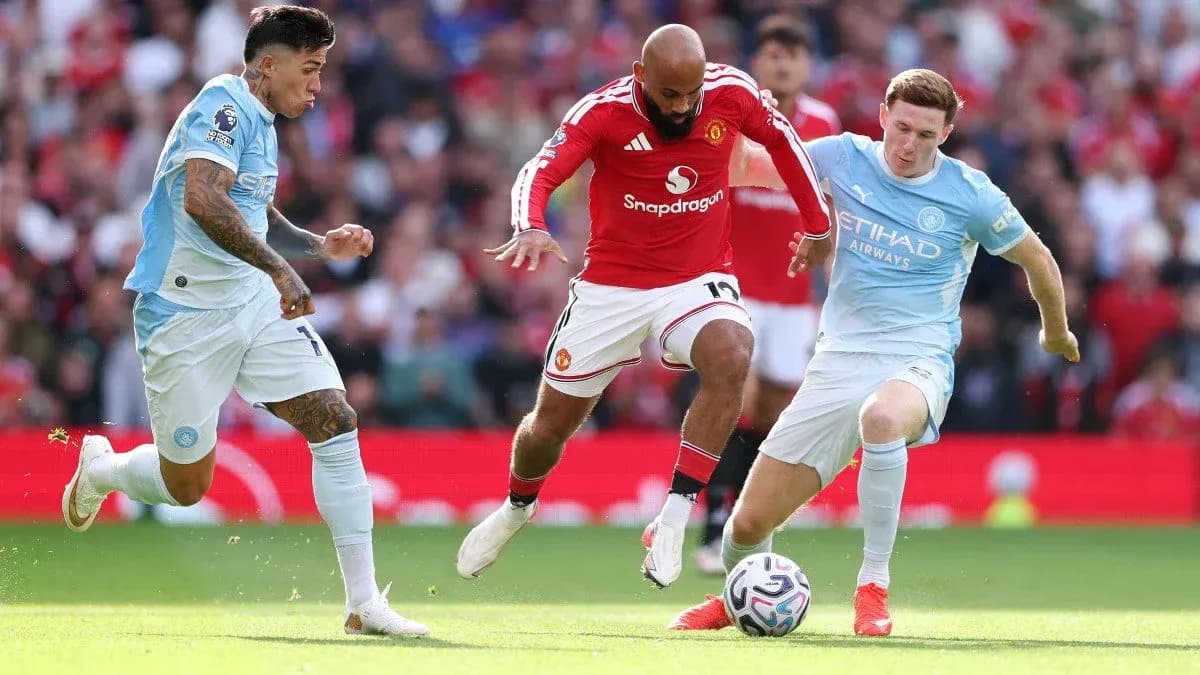
Bryan Mbeumo's Struggles: From Goal Threat to Touchline Winger
Mohamed Salah Convicted for Failing to Identify Driver
Nicolo Tresoldi's Dilemma: Germany or Italy?