
Canada Faces South Africa in Historic World Cup Knockout Match
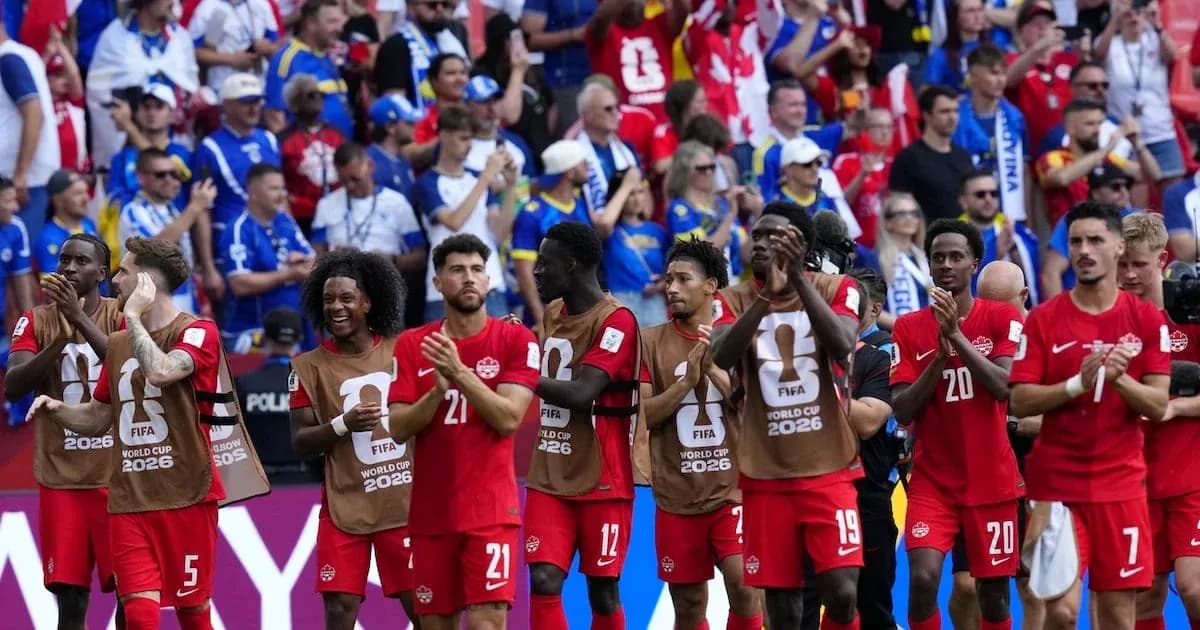
Canada’s World Cup road is finally real. Not theoretical, not a dream on a whiteboard. Real. It starts Sunday, in the country’s first-ever World Cup knockout match, against a South Africa side that has already shown it has no interest in playing the underdog.
A new stage, a real threat
On paper, Canada should handle this. They arrived at this World Cup 30 places higher than South Africa in the FIFA rankings – No. 31 to No. 60 – and sat 25th on ESPN’s tournament ladder compared to South Africa’s 46th.
But rankings don’t clear balls off the line or bury chances under pressure.
South Africa’s path out of Group A was scrappy, chaotic and impressive. They opened with a 2-0 loss to Mexico that spiralled into a nightmare with two red cards. Their campaign looked cooked. Then came Czechia: a late penalty from Teboho Mokoena wrestled back a point and kept the door open. Against South Korea, they barely saw the ball – just 31 per cent possession – yet Thapelo Maseko struck the only goal and dragged them into second place.
They’ve already survived elimination once. They’ve already pulled an upset. Canada has been warned.
Canada’s group-stage edge – and missed chance
Canada’s route to the Round of 32 has been far more controlled, but not without frustration.
A 1-1 draw with Bosnia and Herzegovina settled the early nerves. A ruthless 6-0 demolition of a nine-man Qatar side showed the attacking ceiling. Then came Switzerland on Wednesday – and the first real sting of this tournament.
Down 2-0 early in the second half, Canada came alive. They pulled one back, pushed the Swiss deep, and spent the final minutes throwing everything at an equalizer that would have given them top spot in Group B and a more favourable schedule: a Thursday match in Vancouver against a third-place finisher.
Instead, they fell 2-1 and stayed second. The price is a trickier bracket. The payoff is a hardened edge.
Striker Jonathan David called stoppage time “kind of intense” as Canada chased the group.
“You try not to look at the clock, because the more you look at it, the quicker time goes. But it’s garbage time,” he said. “You have to just have to crash the box and get the crosses and make sure you make your chances happen, and put shots on target, and hopefully something falls. And we came really, really close.”
That desperation, that willingness to turn a match into a siege, is exactly what knockout football demands.
The Alphonso Davies question
Hanging over all of it is the status of Alphonso Davies.
Canada’s captain has yet to play a minute at this World Cup because of a hamstring injury. His absence has forced Jesse Marsch’s side to grow without their brightest star. It has also created a constant guessing game.
On Wednesday, Marsch admitted that Davies had been a tactical mirage in the group stage.
“Alphonso wasn’t ready yet, but I wanted Switzerland to think about him and if you heard their press conference yesterday, they spoke about him a lot,” Marsch said. “He was never ready to play today, but I used him as a decoy.
“He will be ready for the next match, though. We didn’t want to be in a situation where he could be in danger, but he will be ready for the next match.”
Is that another layer of gamesmanship or a genuine green light? Only the Canadian camp truly knows. Canada stopped issuing injury updates before the Qatar match, and there has been little concrete information since.
If Davies does play, he changes the geometry of the pitch. If he starts on the bench, his mere presence looms over tired legs in the second half. If he misses out again, Canada will need the same collective energy and precision that shredded Qatar and rattled Switzerland.
There are other fitness questions, too. Midfielder Stephen Eustáquio, who came on in the 58th minute against the Swiss, will be pushing to reclaim his spot in the starting XI. Centre-back Moïse Bombito could feature from the opening whistle for the first time this tournament if he’s cleared to go. Those are the kinds of calls that can tilt a tight knockout tie.
What waits beyond South Africa
Canada and South Africa kick off the Round of 32 on Sunday. The winner gets six days to breathe before a Round of 16 match on Saturday, July 4.
Waiting there? A heavyweight.
The victor of Netherlands vs. Morocco will stand in the way. Both arrive unbeaten at 2-0-1. Both came into the World Cup as genuine contenders, ranked inside FIFA’s top eight: Morocco at No. 7, the Dutch at No. 8.
Morocco’s core already knows how to navigate deep waters. They reached the semifinals at Qatar 2022 and have carried that steel into this tournament: a 1-1 draw with Brazil, followed by a 1-0 win over Scotland and a 4-2 victory over Haiti.
The Netherlands have been just as ominous, but in a different way. They’ve flexed their attack in Group F: a 2-2 draw with Japan, a 5-1 hammering of Sweden, and a 3-1 win over Tunisia. They simply do not go quietly at World Cups. Their last defeat in regulation on this stage came in the 2010 final, 1-0 to Spain.
Whoever emerges from Canada–South Africa walks straight into that storm.
And the path only steepens from there. The top quadrant of the bracket is brutal. Germany, already confirmed as Group E winners, are waiting on one side. France, who can clinch Group I with a result against Norway on Friday, are on course to join them. That sets up a potential Round of 16 clash between the third-ranked French and the 10th-ranked Germans – with the survivor likely looming in the quarter-finals for whoever fights through the Canada–South Africa–Netherlands–Morocco gauntlet.
This is not a gentle introduction to knockout football. It’s a trial by fire.
History made. What’s next?
For Canada, that’s exactly the point.
This team has already torn up its own ceiling at this World Cup: first point, first win, first time out of the group. All in one tournament. The questions have shifted. The old ones – can they belong, can they compete – have been answered.
Now it’s simpler, and sharper: can they win when there is no safety net?
“We’re going to focus on the response,” Marsch said after the loss to Switzerland. “We’re exactly where we want to be.”
They have their place in the bracket. They have their first knockout opponent. They have a chance to write a line Canadian football has never seen before.
Is a knockout-round win next? Sunday will tell.
Related News

Anthony Joshua Names Murat Gassiev as Next Opponent if He Defeats Tyson Fury

UFC 332: Start Time and Fight Highlights for Natalia Silva vs. Wang Cong

Court McGee Opens Up About Choosing UFC 332 as His Final MMA Fight
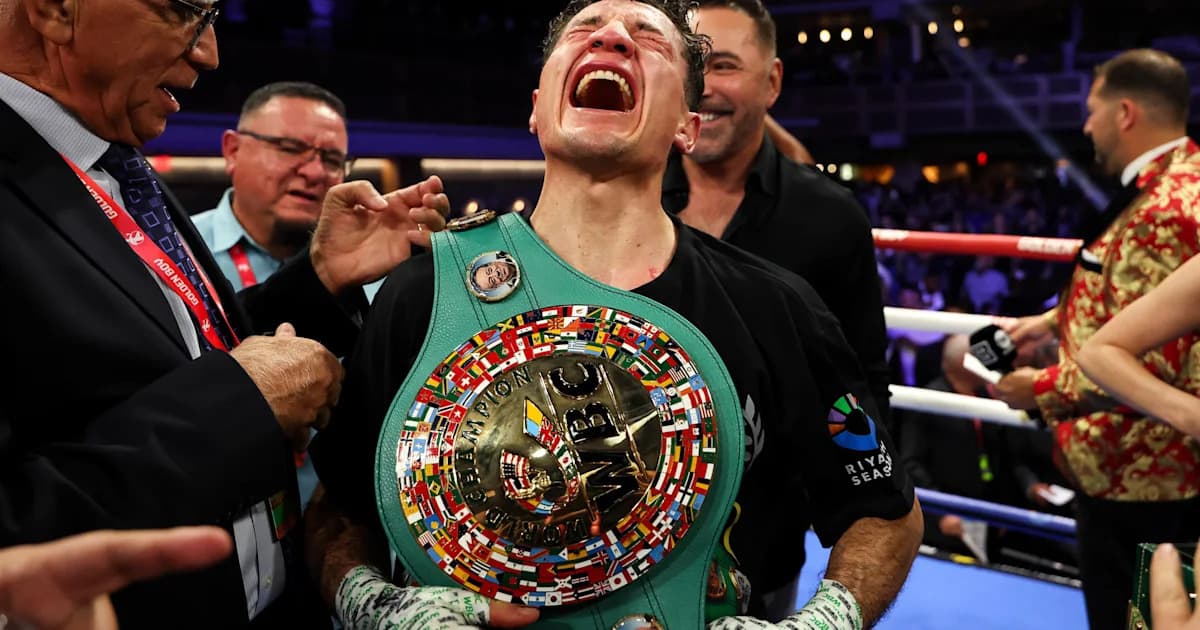
WBC Orders Lightweight Title Unification: William Zepeda vs Jadier Herrera
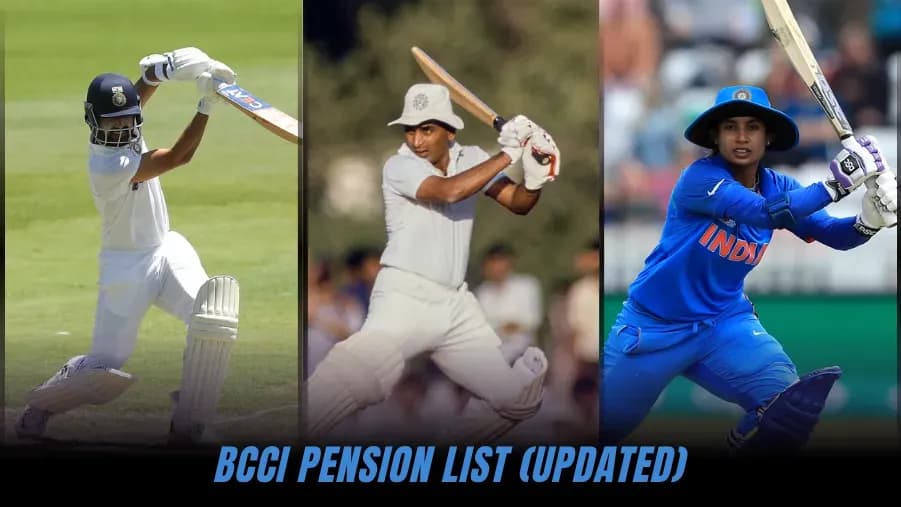
BCCI Pension List: Monthly Payments to Retired Indian Cricketers in 2025

Why Fury vs Joshua Is Set for Cardiff, and Dua Lipa’s Unexpected Role