
Cavalry FC Dominates Vancouver FC in Premier League Clash

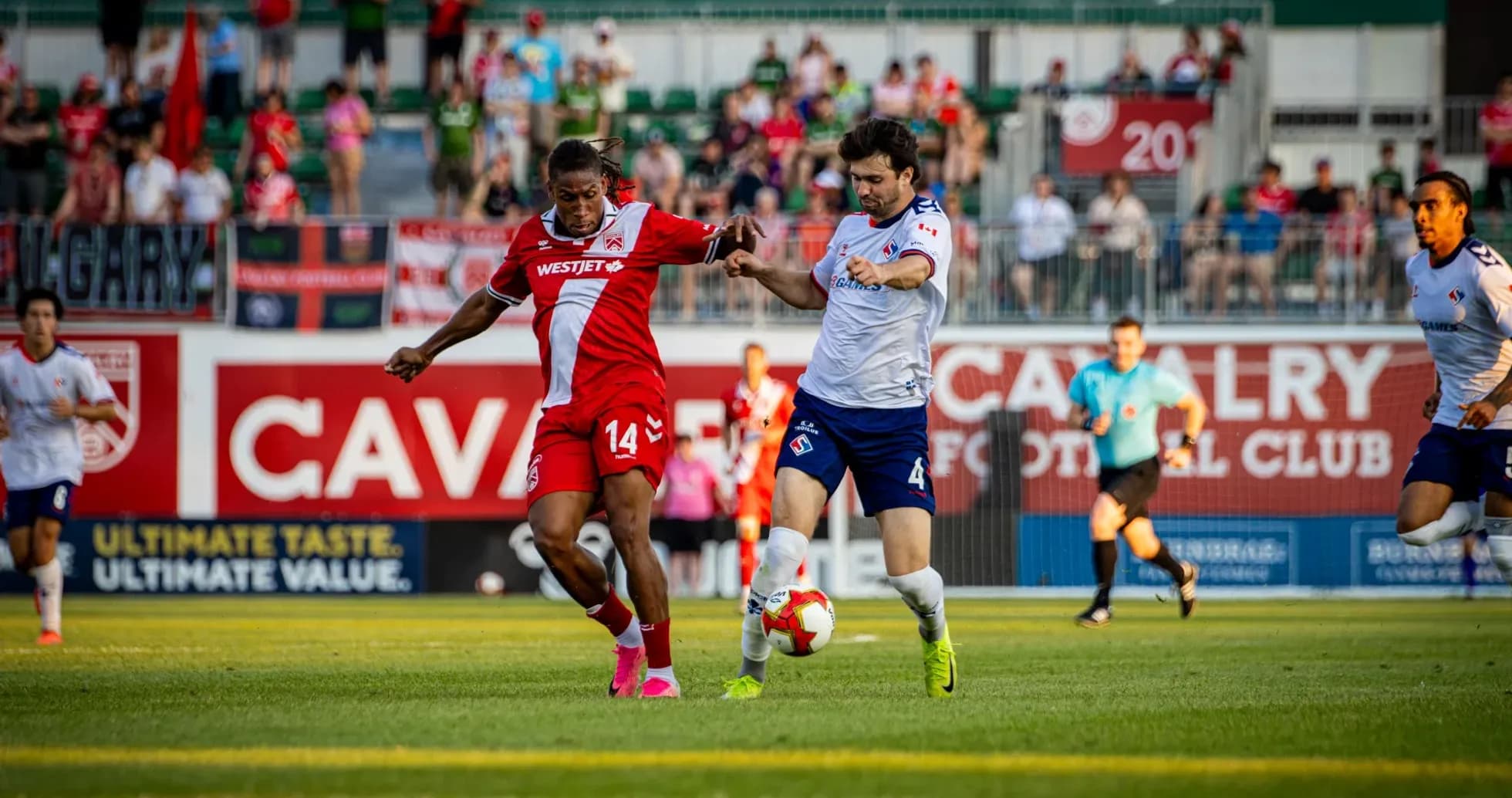
Under the Willoughby Community Park Stadium lights, this Canadian Premier League group-stage meeting ended with a stark statement of where these two squads currently live in the table. Vancouver FC, 7th with 4 points and a goal difference of -3 heading into this game, were blanked 2-0 at home by a Cavalry FC side that arrived in North Vancouver already unbeaten, 2nd in the league on 14 points with a goal difference of 6. The final scoreline mirrored the broader seasonal DNA: Vancouver fragile and goalless at home, Cavalry controlled and ruthless on their travels.
The Big Picture – Identities Confirmed, Not Changed
The numbers framed the narrative before a ball was kicked. Heading into this game, Vancouver had played 6 league matches, winning just 1 and scoring only 4 goals overall. Crucially, at home they had failed to score in all 3 fixtures, with 0 goals for and 4 against, averaging 0.0 goals for and 1.3 conceded at home. Their only flashes of attacking life had come on their travels, where they had scored 4 and conceded 3.
Cavalry, by contrast, arrived as a fully formed contender. Overall they had 4 wins and 2 draws from 6, with 9 goals for and only 3 against, averaging 1.5 goals scored and 0.5 conceded. On their travels they were even more ominous: 3 wins and 1 draw away, 5 goals for and just 1 against, with an away average of 1.3 scored and 0.3 conceded. Three away clean sheets in four matches underlined a defensive unit that travels well and bends rarely.
The lineups told a complementary story. Vancouver went with a core spine of C. Irving in goal, M. Doner and M. Campagna in the back line, and a midfield anchored by I. Ssewankambo and M. Polisi. Ahead of them, N. Mezquida and M. Amissi were tasked with injecting creativity and end product, while T. Campbell led the line. Cavalry countered with N. Ingham in goal, a solid defensive trio of A. Pearlman, D. Klomp and A. Didic, and a midfield shaped by the craft of S. Camargo and the vertical threat of G. Ntignee and C. Elva around central striker T. Warschewski.
Following this result, the game felt less like an upset and more like a confirmation of trend lines.
Tactical Voids – Where Vancouver Came Up Short
Vancouver’s season-long structural issue is brutally simple: they do not score at home. Heading into this match, they had failed to score in all 3 home fixtures and had failed to score 4 times overall in 6 matches. The 4-3-3 and 4-4-2 shapes they have used in the league have not solved the problem of progression into the final third.
Here, the burden again fell on two of their most prominent figures. At the back, right-sided defender M. Doner has quietly been one of the league’s most effective outlets: 83 passes at an 87% accuracy, 7 key passes and 15 duels won from 22 overall, plus 1 assist. He is both a ball-progressor and a creator from deep, and his overlaps were one of Vancouver’s few consistent routes forward.
In midfield, M. Polisi brought bite and risk. He came into the match as the league’s leading yellow-card collector with 3 bookings, and Vancouver’s card profile as a team shows a tendency to pick up cautions late, with 23.08% of their yellows arriving between 76-90 minutes and a further 15.38% in added time (91-105). That speaks to a side that often ends games chasing and stretched, and this match followed that emotional pattern: effort without clarity, aggression without incision.
Up front, M. Amissi is both their top scorer and a symbol of their limitations. He had 1 goal from 6 appearances, 5 shots with 4 on target, and 3 key passes at 82% passing accuracy heading into this fixture. The volume is too low for a primary attacking reference, and against a Cavalry side conceding just 0.3 goals on their travels, his isolated runs and dribbles were swallowed up.
Discipline-wise, Vancouver actually arrived without red-card problems; their red-card table entries list no dismissals despite the heading. But their repeated yellow accumulation in early (0-15, 16-30 both at 15.38%) and late phases points to a team that defends reactively rather than proactively. Cavalry were always likely to exploit that.
Key Matchups – Hunter vs Shield, Engine Room vs Enforcer
Hunter vs Shield tilted heavily toward Cavalry. Their “hunter” threat is not a single prolific scorer but a collective: T. Warschewski, H. Paton, D. Klomp and others each with 1 goal. Warschewski, with 9 shots and 6 on target, plus 1 scored penalty and 9 fouls drawn, is a constant nuisance between the lines. Against a Vancouver side conceding 1.3 goals at home and yet to keep a single clean sheet anywhere, he was always likely to find pockets.
The “shield” on Cavalry’s side is formidable. D. Klomp arrived with a 7.5 rating, 166 passes at 92% accuracy, 1 successful blocked shot and 11 duels won from 15. Alongside him, A. Pearlman brought 127 passes at 78% accuracy and 9 tackles, plus a combative profile of 5 fouls committed and 2 yellows. With A. Didic completing a tall, aerially dominant back line, Cavalry’s away record of just 1 goal conceded in 4 matches felt entirely believable across the 90 minutes here.
In midfield, the “engine room” battle pitted Vancouver’s Polisi and Ssewankambo against Cavalry’s Paton and Camargo. Paton, with 121 passes at 85% accuracy, 10 tackles and 39 duels contested (20 won), is one of the league’s most complete two-way midfielders. His 2 yellow cards show he is willing to live on the disciplinary edge to control tempo. Camargo adds 93 passes at 79% accuracy and 8 dribble attempts with 5 successes, giving Cavalry a carrier between the lines.
Vancouver’s response – a mixture of Polisi’s 4 tackles, 1 block and 1 interception and the graft of Ssewankambo – never quite tilted the pitch in their favour. Cavalry repeatedly won second balls and recycled possession, forcing Vancouver to defend in long, tiring stretches.
Out wide, A. Musse’s role off the bench and in previous matches as a top assister (1 assist, 7 key passes in just 101 minutes) added another layer. His ability to drive at tired full-backs and combine with Ntignee and Elva meant Vancouver’s late-game yellow-card surge zone (76-90 at 23.08%) was precisely where Cavalry like to twist the knife.
Statistical Prognosis – Why This Result Made Sense
Even without explicit xG numbers, the expected goals story is implied by the seasonal data. Cavalry’s away average of 1.3 goals for and 0.3 against, plus 3 away clean sheets from 4, is the profile of a side that routinely wins the quality-chance battle. Vancouver’s home average of 0.0 goals for and 1.3 against, with 3 home defeats from 3 and no clean sheets anywhere, is the profile of a team that struggles to create and concedes too many good looks.
Following this result, the tactical verdict is stark:
- Cavalry’s structure, anchored by Klomp, Pearlman and Didic, and driven by Paton and Camargo, is sustainable. Their balance between controlled possession, disciplined pressing and late-game composure fits their yellow-card distribution (a 30.77% spike between 61-75 minutes when they often raise intensity) and their unbeaten record.
- Vancouver’s reliance on individual sparks – Doner’s overlapping, Amissi’s dribbles, Mezquida’s pockets – is not enough to overcome systemic issues in chance creation and box occupation, especially at home. Until they find a way to translate Doner’s 7 key passes and Polisi’s passing base into higher shot volumes for Campbell and Amissi, nights like this will continue.
In narrative terms, this 0-2 defeat did not rewrite the story of either club; it underlined it. Cavalry left Willoughby Community Park Stadium looking every inch a playoff semi-final contender. Vancouver walked off into the North Shore night still searching not just for goals, but for a coherent attacking identity to match their effort.
Related News
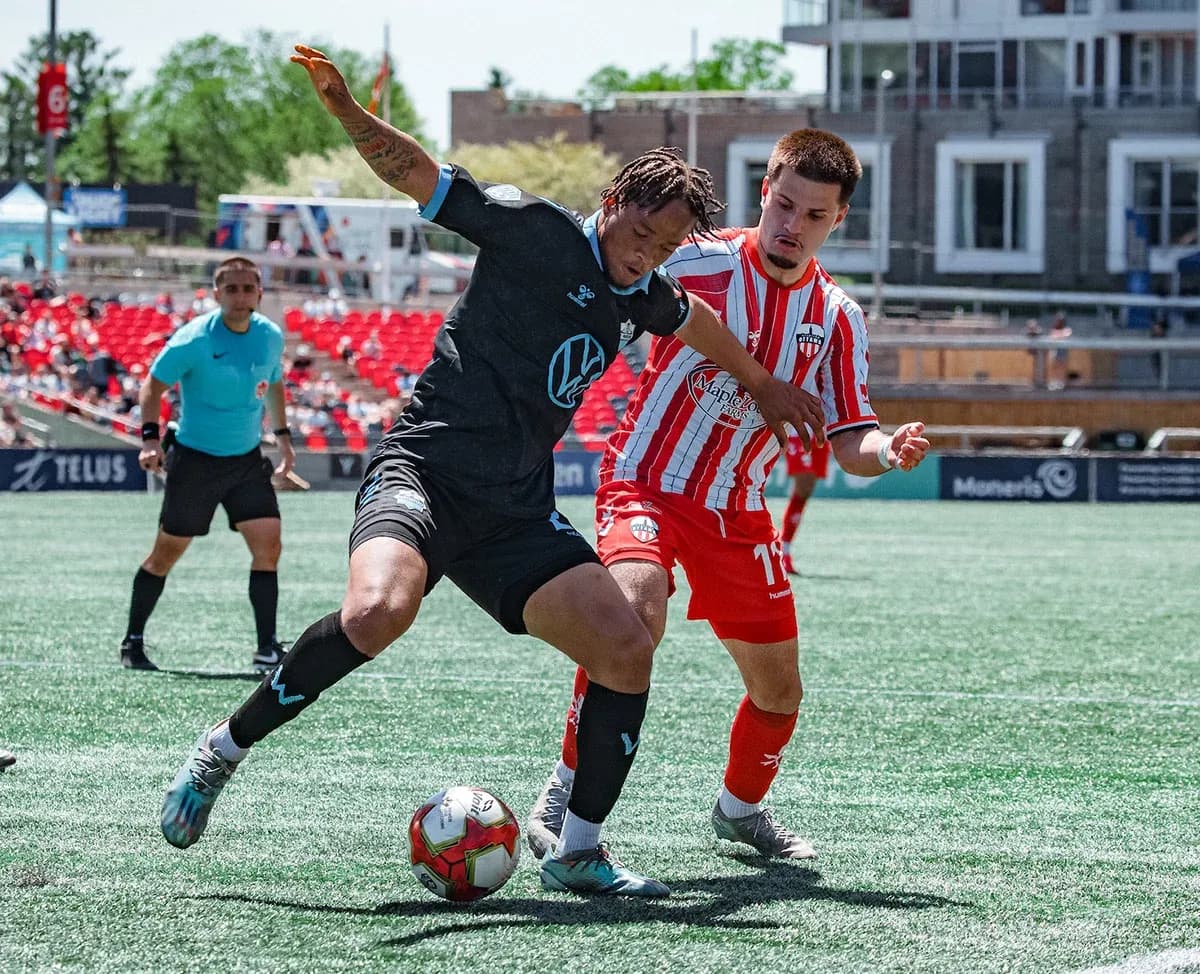
HFX Wanderers FC vs Atlético Ottawa: Canadian Premier League Clash
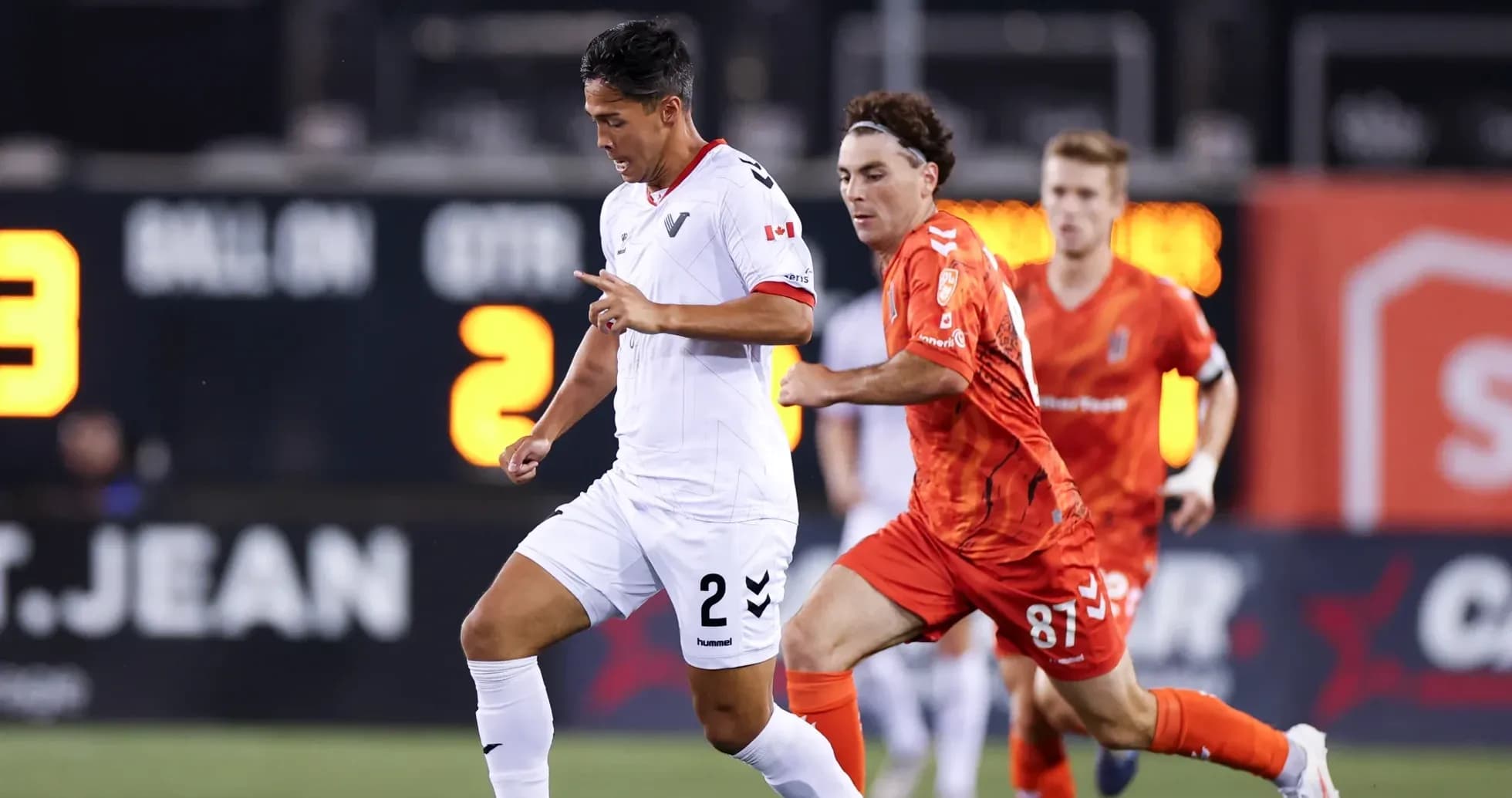
Vancouver FC vs Forge Prediction: Key Stats and Betting Tips
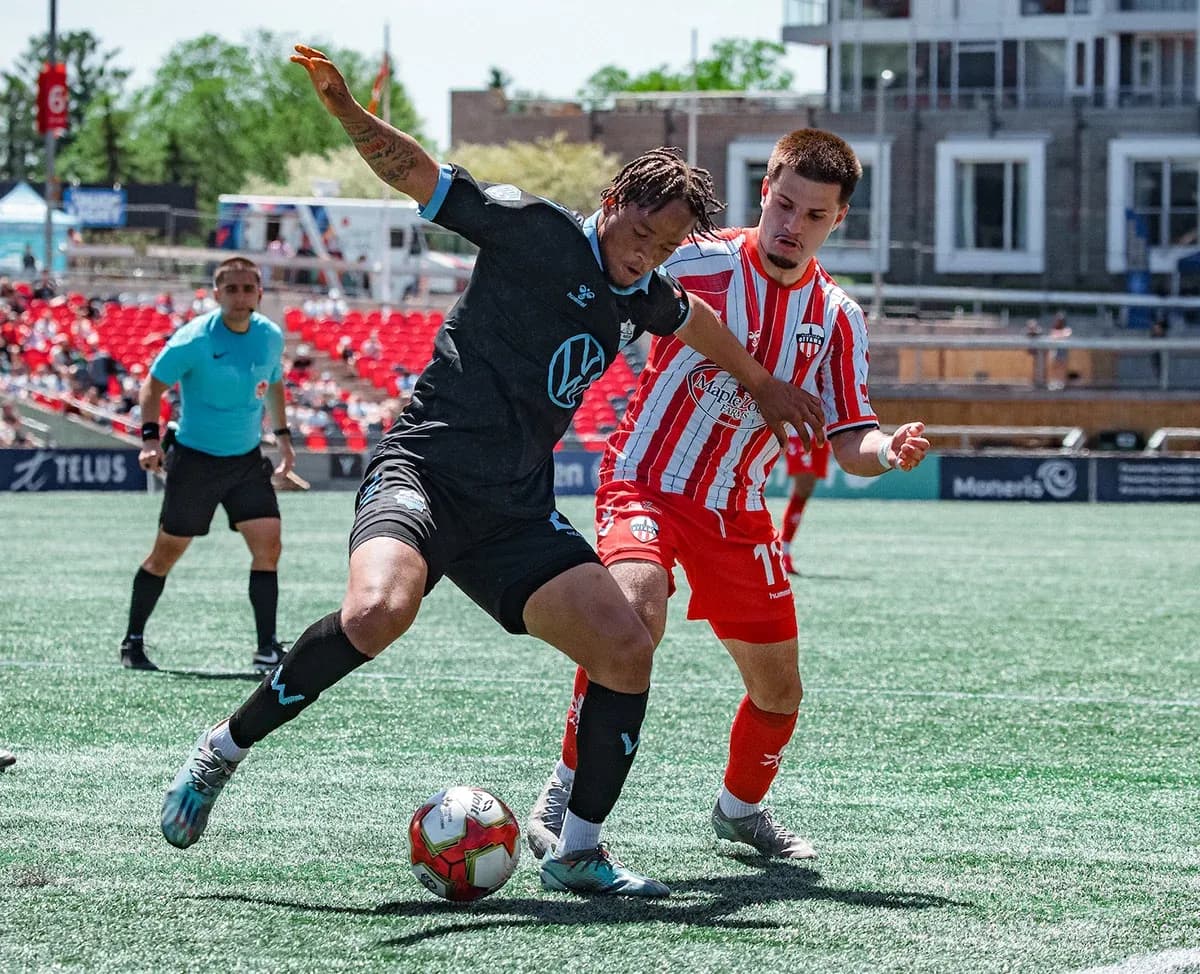
HFX Wanderers FC vs Atlético Ottawa Prediction: Key Stats and Betting Tips
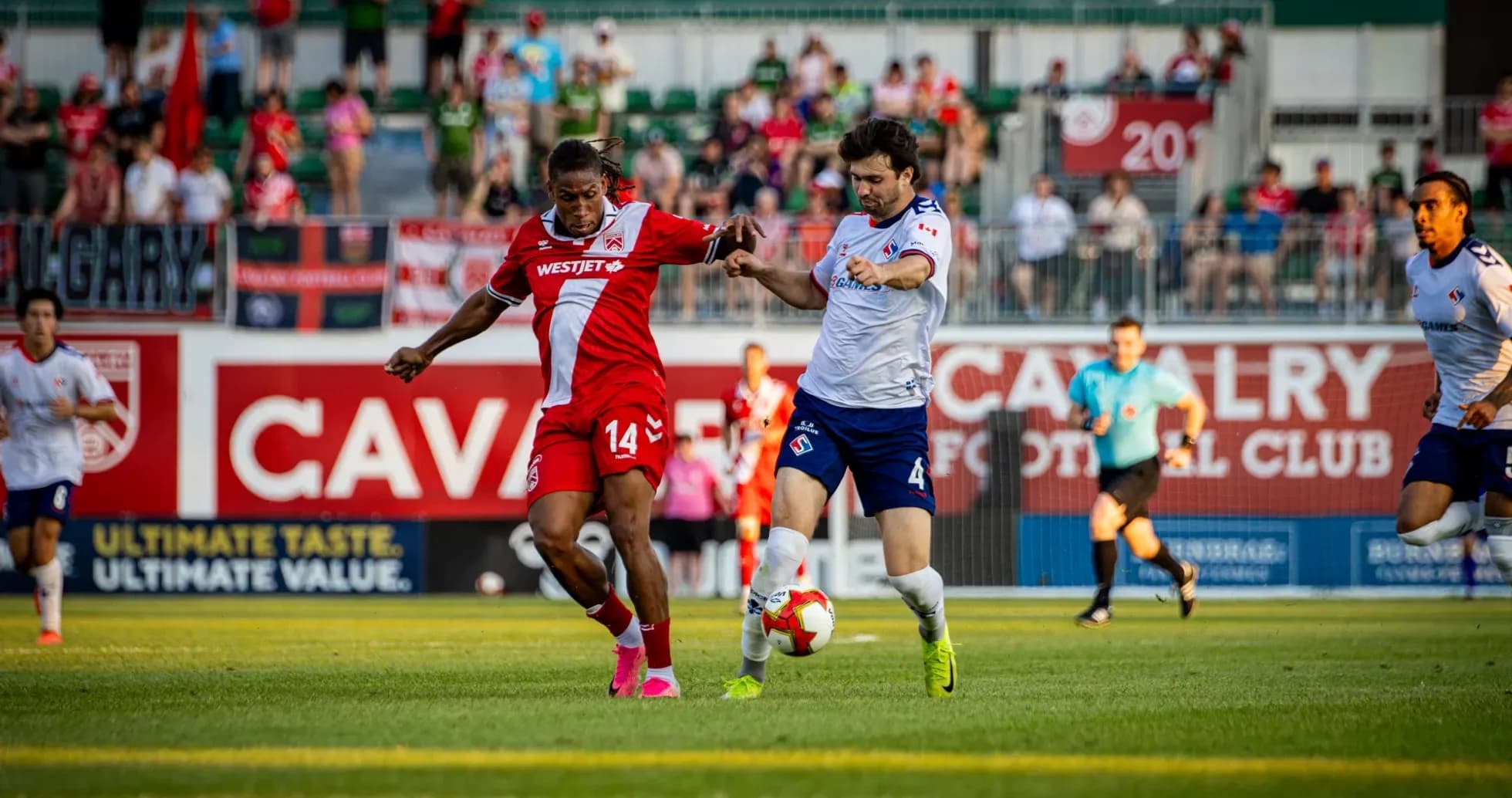
Cavalry FC vs Supra du Quebec: Canadian Premier League Clash
Cavalry FC vs Supra du Quebec Prediction: Key Stats and Betting Tips
Atlético Ottawa Upset by Supra du Quebec in Canadian Premier League Clash