
Cavalry FC vs Vancouver FC: A Tactical Analysis of the Match
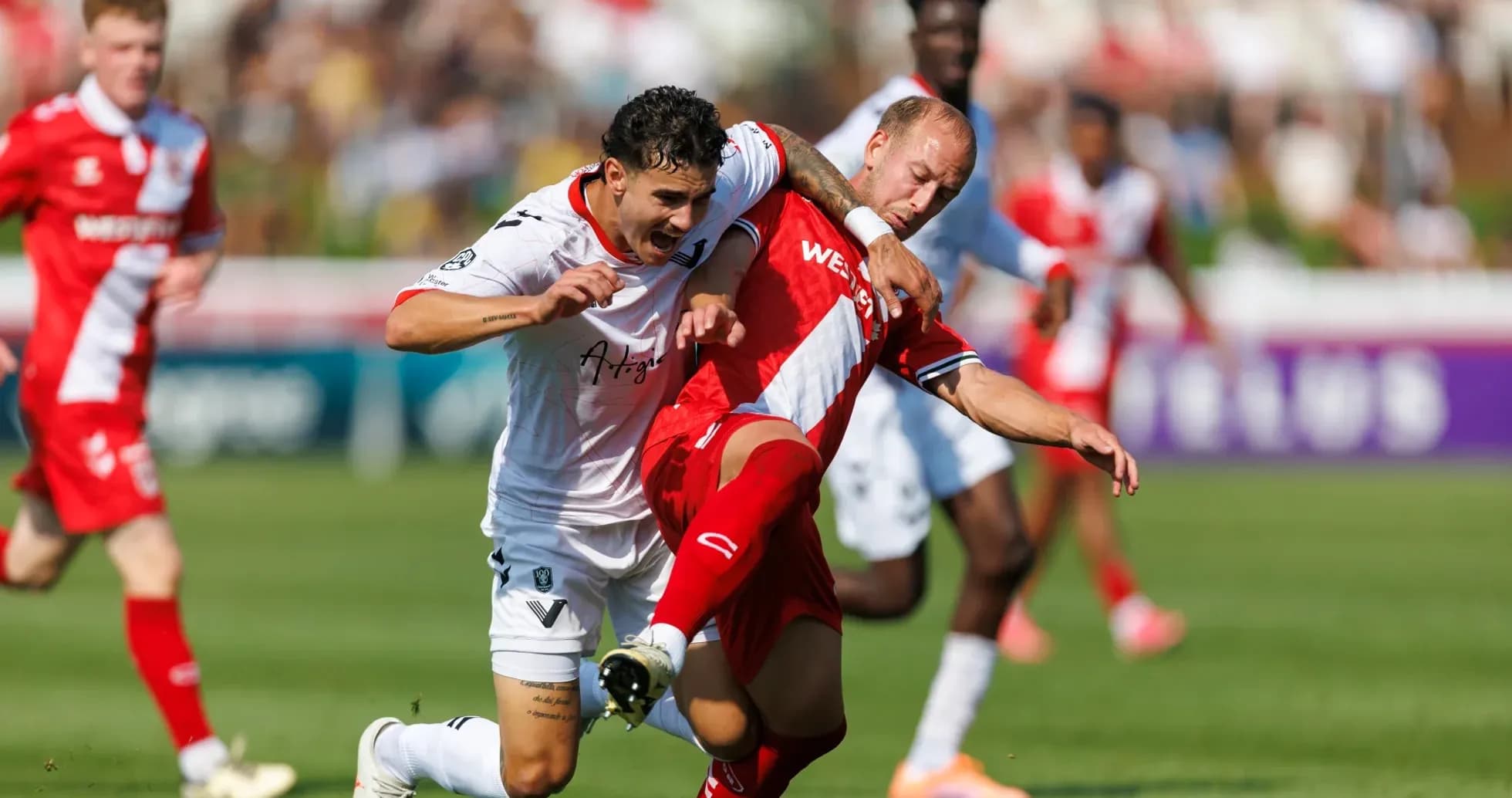
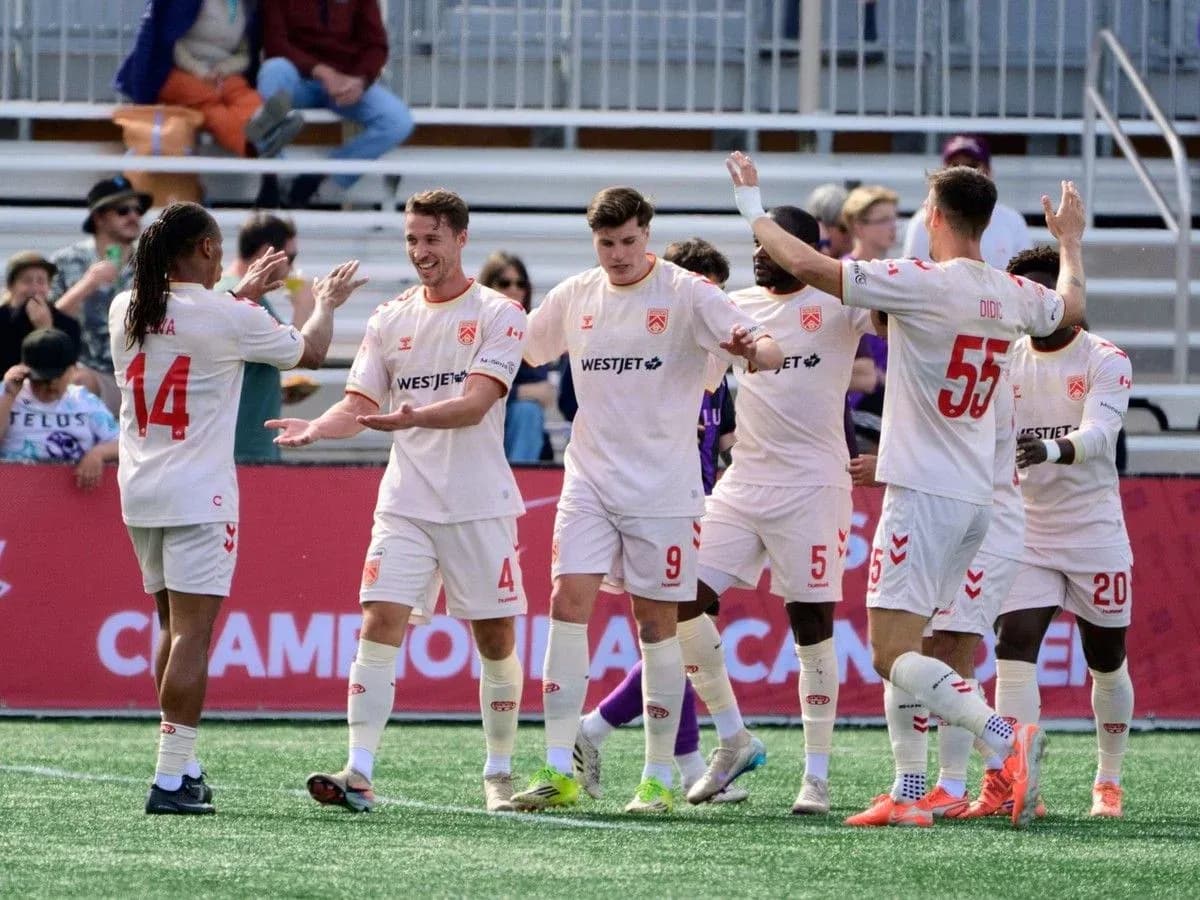
Under the floodlights at ATCO Field, Cavalry FC’s 1–0 win over Vancouver FC felt less like a single result and more like a confirmation of the league’s current hierarchy. Following this result, Cavalry remain the benchmark side in the Canadian Premier League: first in the table on 43 points after 19 matches, with a formidable overall goal difference of +26, built from 37 goals scored and only 11 conceded. Vancouver stay competitive in fourth on 27 points from 20 games, but their overall goal difference of +3 (26 scored, 23 conceded) underlines the gap in both ends of the pitch.
Cavalry’s season-long identity is clear. Overall they average 1.9 goals scored per match and only 0.6 conceded, and at home they are even more ruthless: 8 wins and 2 draws from 10, with 23 goals scored and 6 conceded. On their travels, Vancouver have been far more volatile: 3 wins, 1 draw and 6 defeats from 10 away matches, scoring 12 and conceding 14. This fixture, then, always looked like a meeting between a well-drilled juggernaut and an away side still searching for consistency.
Tommy Wheeldon’s starting group reflected that stability. With N. Ingham in goal and a defensive line featuring A. Pearlman, D. Klomp, A. Didic and Fewo, Cavalry leaned into their core strength: a back line that concedes on average just 0.6 goals per game both at home and overall. Ahead of them, the creative axis of J. McGlinchey, A. Musse, T. Warschewski, N. Edwards and the direct threat of C. Elva offered multiple routes to goal.
Martin Nash’s Vancouver XI, with C. Irving in goal and a back four of M. Doner, M. Campagna, Thomas Geoffrey Field and K. Proctor, tried to mirror Cavalry’s 4‑2‑3‑1 tendencies. In midfield, T. Bah, D. Pecile and M. Amissi supported lone forward L. Mousset, with the firepower of T. Campbell, B. Lee and A. Traore waiting on the bench.
Tactical voids and discipline
With no listed absentees, this was as close to full-strength as both managers could hope for, but the underlying disciplinary profiles shaped the tactical risk each side could take.
Cavalry carry edge and jeopardy in midfield. H. Paton, who did not feature here but looms large over their season, has already collected 7 yellow cards, while E. Kobza has 6 yellows and one dismissal via a second booking. Even in their back line, Pearlman has 5 yellows. That accumulation explains why Cavalry’s yellow cards spike between 46–60 minutes (23.26%) and again in the 31–45 and 76–90 windows; they are an aggressive pressing side who live on the disciplinary line, especially as matches open up.
Vancouver’s own caution zones are different. Overall, 25.71% of their yellow cards arrive between 76–90 minutes, and another 11.43% in added time. That late-game indiscipline often coincides with their most fragile defensive phase: 34.78% of their goals conceded come between 61–75 minutes, and 26.09% between 76–90. In a venue where Cavalry score 2.3 goals per home match and finish strongly, those numbers are a tactical red flag.
Key matchups
The defining duel of this fixture revolved around Cavalry’s multi-headed attacking threat against Vancouver’s away defence. Cavalry’s minute-by-minute scoring map is relentless: 21.05% of their goals arrive between 61–75 minutes and 23.68% between 76–90, a late-game surge that has broken many visitors. That pattern intersected brutally with Vancouver’s weakness: they concede 1.4 goals per away game on average, and more than a third of those arrive in that 61–75 window.
Within that storm, individuals shaped the narrative. At centre-back, D. Klomp is not just a stopper but a rated offensive weapon: 3 league goals and 1 assist, 5 successful blocks and 30 duels won from 51, all wrapped in a 7.63 average rating. His partnership with A. Didic and the front-foot aggression of Pearlman gave Cavalry a back line comfortable squeezing high, compressing Vancouver’s space and keeping the visitors’ average of 1.2 away goals firmly in check.
On the other side, Vancouver’s main “hunter” came from the bench: T. Campbell, one of the league’s top scorers with 4 goals from 20 appearances. His profile – 12 shots, 4 on target, 5 key passes and a willingness to run channels – was tailored to exploit any Cavalry overcommitment. But with Vancouver averaging only 1.3 goals per match overall and having failed to score in 8 games this season, the burden on Campbell and Mousset was always heavy.
Engine room
In midfield, the contest was about control and progression. For Cavalry, the creative fulcrum is spread across players like T. Warschewski and A. Musse. Warschewski’s 3 goals and 1 assist, backed by 19 key passes and 21 shots (13 on target), mark him as a classic second-line threat, equally comfortable drifting between lines and attacking the box. Musse adds another 11 key passes and 2 assists, giving Cavalry multiple playmaking angles.
Vancouver’s answer lay in the work of players such as M. Polisi and the more advanced technicians like M. Amissi. Polisi, one of the league’s most carded players with 6 yellows, is a combative screen: 15 tackles, 2 blocks, 4 interceptions and 282 completed passes at 84% accuracy. His job at ATCO Field was to disrupt Cavalry’s rhythm between the lines and protect a back four that concedes 1.2 goals per match overall.
Behind them, both goalkeepers brought distinct profiles. Ingham fronted a defensive unit that has already delivered 8 clean sheets overall, including 4 at home. Irving, by contrast, plays behind a Vancouver side with only 3 clean sheets in total and a tendency to crumble late.
Statistical prognosis and tactical verdict
Even before a ball was kicked, the numbers tilted this fixture heavily toward Cavalry. At home they score almost a full goal more per match than Vancouver manage away, and they concede less than half of what Vancouver ship on their travels. Cavalry’s overall goal difference of +26 dwarfs Vancouver’s +3, and their unbeaten home record met an away side with 6 defeats from 10.
The most decisive intersection was temporal. Cavalry’s strongest attacking phases – 61–75 and 76–90 minutes – directly overlapped with Vancouver’s soft underbelly, where 60.87% of their conceded goals arrive. Add Vancouver’s spike in late yellow cards and you have a team that not only tires but also loses discipline just as Cavalry raise the tempo.
The 1–0 scoreline ultimately felt like a compressed version of that broader pattern: Cavalry controlling territory and tempo, Vancouver resisting but rarely threatening to overturn the structural imbalance. Following this result, the tactical story of both seasons hardens. Cavalry remain a ruthless, late-surging, defensively elite leader; Vancouver stay a dangerous but inconsistent chaser, capable of bursts of quality but still too porous, especially away, to truly unsettle the league’s most complete side.
Related News

Atlético Ottawa vs Pacific FC: Head-to-head Stats Before September 2026 Match
Atlético Ottawa Overcomes York United in Canadian Premier League Showdown
Supra du Quebec's Tactical Triumph Over Forge
Cavalry FC vs Vancouver FC Predicted Lineups and Team News
Cavalry FC vs Vancouver FC: Canadian Premier League Clash Preview

Atlético Ottawa vs York United Predicted Lineups and Team News