
Celje vs Egnatia Rrogozhinë: UEFA Champions League Qualifying Showdown
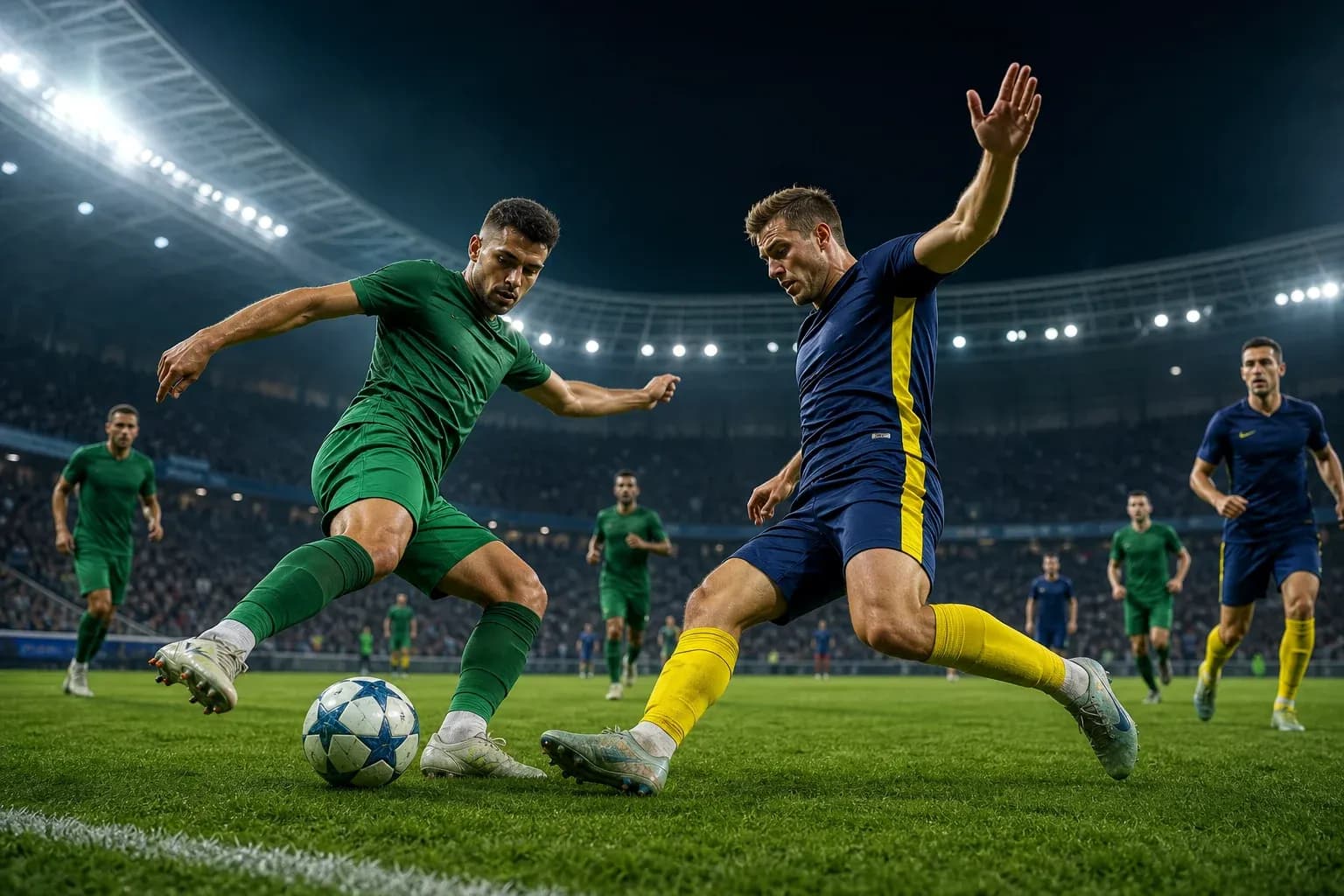
In Celje, this 2nd Qualifying Round second leg in the UEFA Champions League carries knockout-level weight: after a 3-3 draw in Albania, Celje now host Egnatia Rrogozhinë with the tie perfectly balanced and progression to the next qualifying round – and the financial and sporting boost that comes with it – on the line.
Head-to-Head Tactical Summary
The only previous meeting between these sides came on 22 July 2026 in Rrogozhine in the first leg of this tie. At Demrozi Stadium, Egnatia Rrogozhinë drew 3-3 with Celje. The half-time score was 1-1, indicating an open game from early on, and the full-time 3-3 outcome underlines how both attacks were able to consistently break through, while neither defence managed to control the game for long spells. With that being the sole reference point, the tactical pattern is of two teams willing to trade chances rather than play a cagey, low-event contest.
Global Season Picture
- League Phase Performance: There is no standings data available for either Celje or Egnatia Rrogozhinë in the UEFA Champions League group or qualifying phase, so goals for, goals against and points in the official table cannot be quantified at this stage.
- Season Metrics: In the league phase of this Champions League campaign so far, Celje have played one match, drawing it, with 3 goals scored and 3 conceded, all away from home. They have used a 4-4-2 shape and have yet to keep a clean sheet, but also have not failed to score. Egnatia Rrogozhinë have a slightly larger sample: three matches, with one win and two draws, remaining unbeaten. They have scored 10 goals and conceded 5, averaging 3.3 goals scored and 1.7 conceded per game, and have alternated between 3-5-2 and 5-3-2 systems. Both sides have yet to record a clean sheet, and neither has failed to score, reinforcing the expectation of another offensively tilted encounter. Disciplinary trends show Celje’s only yellow card so far arriving in the 61–75 minute window, while Egnatia’s yellow cards are concentrated from minute 46 onward, with a red card in the 46–60 window, suggesting potential vulnerability to late-game suspensions and pressure.
- Form Trajectory: Celje’s form string is a single draw, reflecting only the 3-3 first leg – a high-variance but resilient performance away from home. Egnatia Rrogozhinë’s form reads as one draw followed by a win and then another draw (DWD), indicating they have started this European campaign strongly, staying unbeaten, scoring freely, but also consistently allowing goals. The trajectory for Egnatia is of an assertive, front-foot side that has yet to be punished with a defeat; for Celje, the sample is tiny but shows they can travel and score, giving them confidence returning home.
Tactical Efficiency
With no explicit comparison indices provided, tactical efficiency must be inferred from the available season metrics. Celje’s single 3-3 away draw points to an attack capable of matching Egnatia’s output on the day but a defence that mirrors Egnatia’s openness: 3.0 goals scored and 3.0 conceded per game. Egnatia’s broader sample – 10 goals for and 5 against over three matches – suggests a more consistently productive attack (3.3 goals per game) paired with a defence that concedes at a moderate but non-elite rate (1.7 per game). Their use of 3-5-2 and 5-3-2 hints at a wing-back-driven system, prioritising width and numbers in advanced areas, which explains the high scoring but also leaves space in transition. Celje’s 4-4-2 is more conventional and, at home, should offer clearer defensive lines, but their inability to keep Egnatia out in the first leg shows that structural solidity alone is not enough; they will need sharper defensive execution and better control of Egnatia’s attacking surges, especially in the second half where Egnatia’s cards and intensity spike. Overall, Egnatia appear to have the more established attacking “index” in practice, while both teams’ defensive efficiency is clearly below the standard of a conservative knockout side.
The Verdict: Seasonal Impact
The outcome of this match will decisively shape both clubs’ 2026 European trajectory. For Celje, progression would validate their ability to translate domestic structure into continental resilience, unlocking further qualifying rounds, additional revenue, and a stronger coefficient profile; elimination at home, after a 3-3 away draw, would be a missed opportunity and likely frame the campaign as one where defensive fragility undermined a competitive attack. For Egnatia Rrogozhinë, advancing would confirm that their aggressive, high-scoring approach can travel and succeed in Europe, elevating the club’s profile and potentially attracting higher-calibre players and investment. Failure to progress, despite being unbeaten and prolific, would underline the strategic cost of their defensive looseness and could push the club toward a more balanced tactical model. In short, this tie is less about title or relegation battles and more about defining each club’s European ceiling in 2026: the winner gains momentum, money, and continental credibility; the loser faces a reset and the knowledge that their current tactical blend was not quite enough at this qualifying threshold.
Related News

Luis Díaz Confident Bayern Munich Can Win Champions League
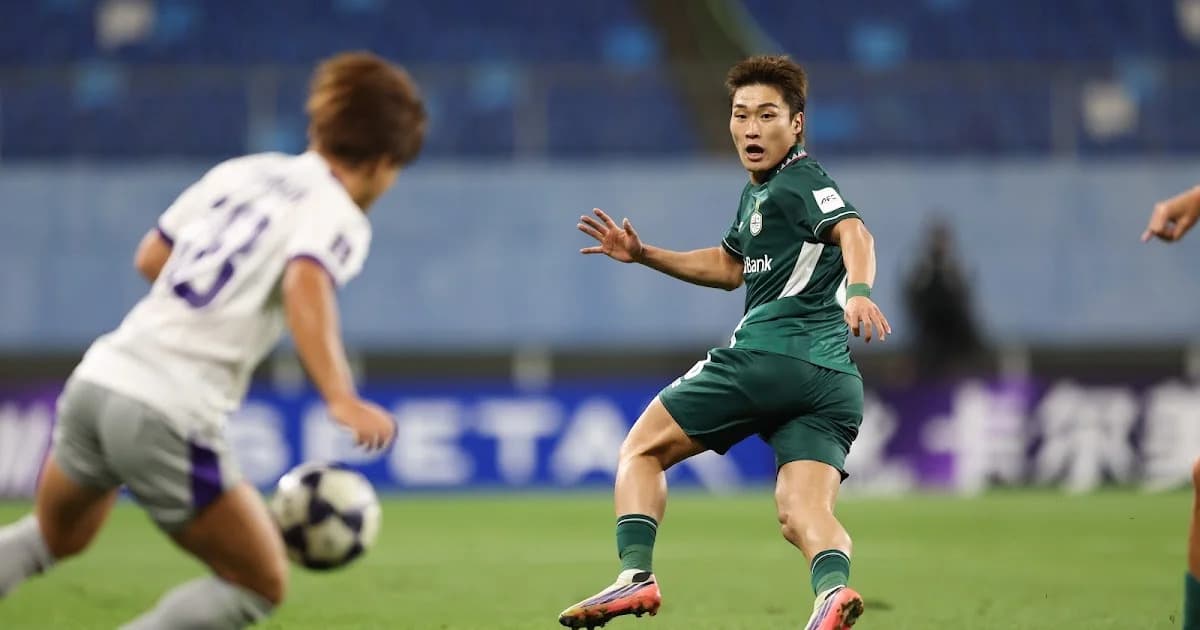
AFC Champions League Matchday One: Insights and Team Strategies

Vincent Kompany’s Bayern Munich Future Not Tied Solely to Champions League Success
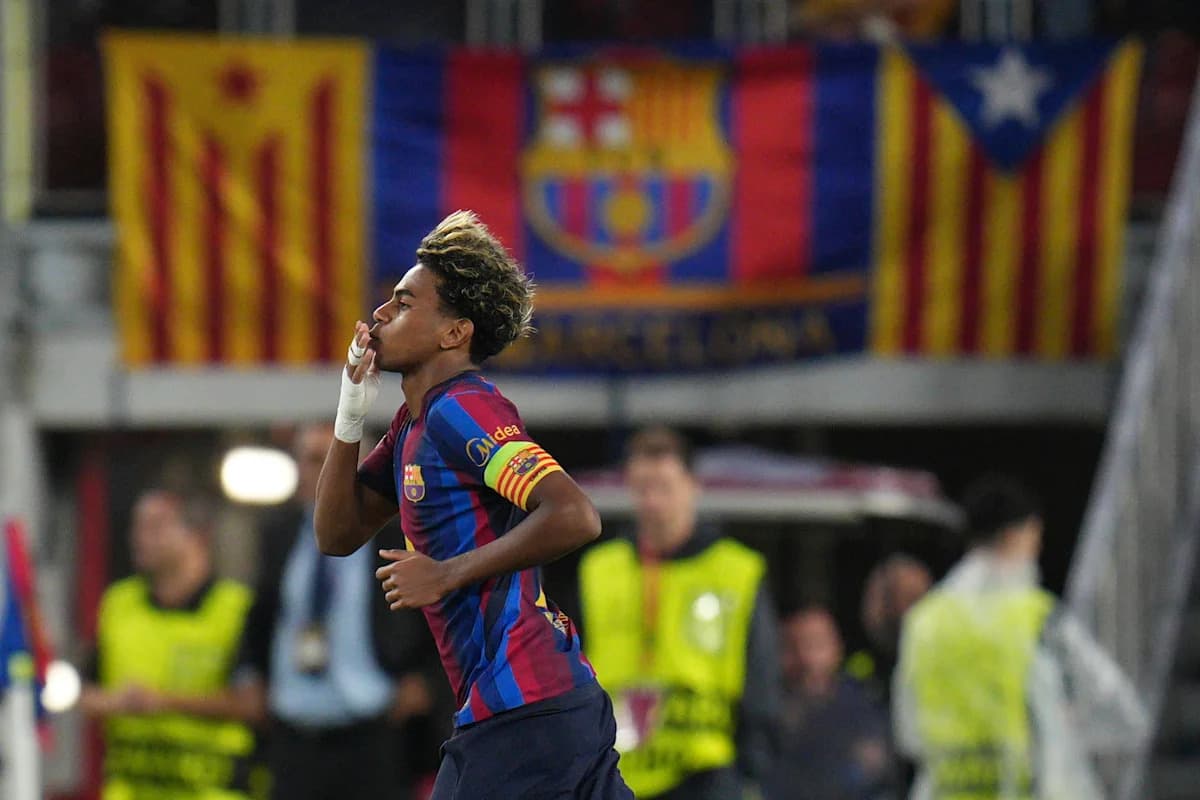
Barcelona’s Camp Nou to Host 2029 Champions League Final, Munich Confirmed for 2028
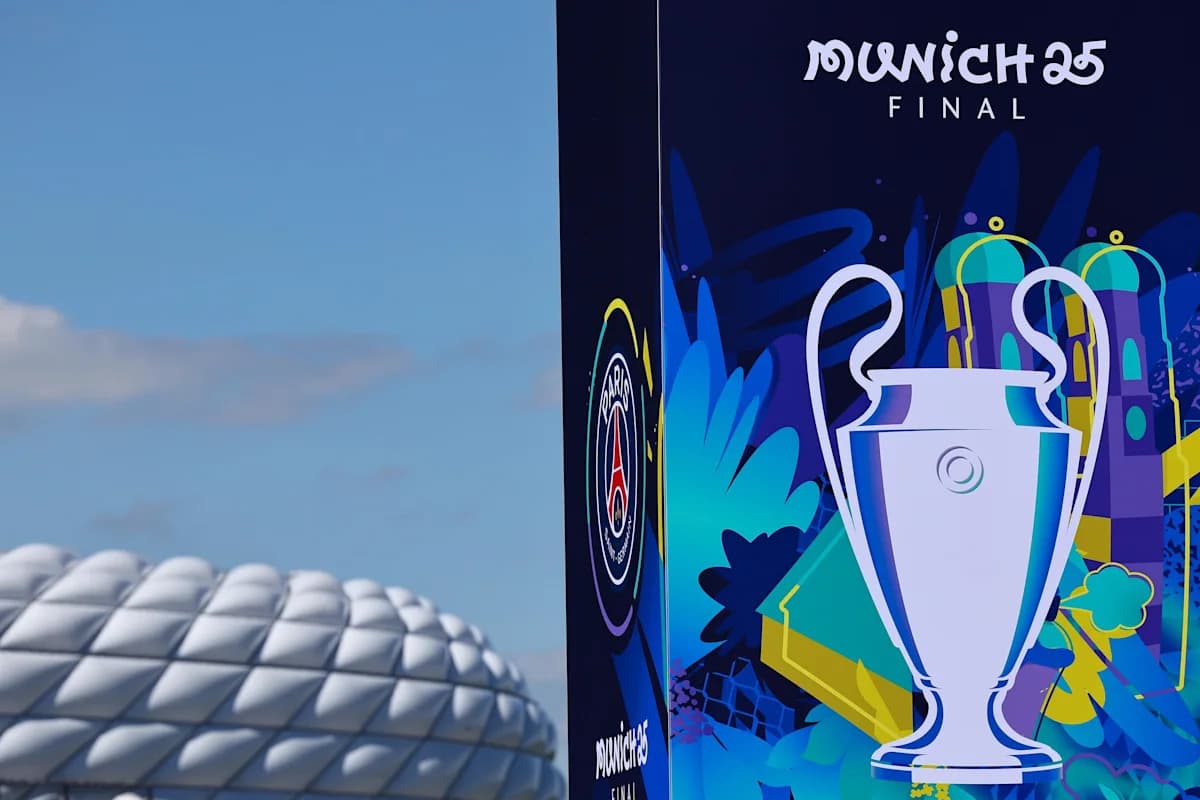
Bayern Munich's Allianz Arena Set to Host 2028 Champions League Final
Allianz Arena to Host 2028 Champions League Final for Third Time