
Celtic's Tactical Mastery in 3-0 Victory Over Lask Linz

Celtic’s 3-0 win over Lask Linz at Celtic Park was built on structural control as much as attacking quality. In a UEFA Champions League Play-offs tie that could easily have become chaotic given the shot volume at both ends, Celtic’s 4-3-3 gave them territorial and possession dominance, while Lask Linz’s 3-5-2 produced sporadic danger but never sustained pressure.
Celtic’s back four of C. Donovan, C. Carter-Vickers, A. Trusty and K. Tierney operated with a clear height and width stagger. With 64% possession and 658 total passes (582 accurate, 88%), they consistently created clean first passes into midfield rather than going long. Carter-Vickers and Trusty stepped into the half-spaces to connect with the three-man midfield, while full-backs pushed high to pin Lask Linz’s wing-backs.
The midfield trio of B. Nygren, C. McGregor and M. Baur was the tactical hub. McGregor acted as the metronome, dropping between or alongside the centre-backs to form a three-man first line in build-up, which allowed Donovan and Tierney to advance. Nygren, nominally an interior, timed his surges beyond the forwards, and that vertical aggression was rewarded with the 26th-minute opener. His goal was emblematic of Celtic’s structure: patient circulation, then a late run from midfield into a gap created by the front three’s width.
Attacking Play
Up front, C. Duran, K. Hogh and Yang Hyun-Jun stretched Lask Linz’s back three horizontally. With eight shots inside the box from 17 total, Celtic consistently managed to work the ball into central finishing zones rather than relying on speculative efforts. Duran in particular was decisive: his movement across the front line made him difficult to track for any single centre-back, and he converted twice, including a 67th-minute strike assisted by Nygren that effectively killed the contest at 3-0.
Defensive Structure
Out of possession, Celtic’s 4-3-3 morphed into a compact 4-1-4-1, with McGregor screening passes into Lask Linz’s forwards. The hosts committed only 6 fouls and received no cards, reflecting a controlled pressing scheme rather than reckless challenges. Their press was more about blocking lanes than flying into duels, forcing Lask Linz into longer passes and wide circulation.
Lask Linz’s 3-5-2 had attacking potential on paper, and the numbers show they were far from toothless: 20 total shots, 13 inside the box, and 8 on goal. The double strike force of M. Usor and S. Adeniran tried to exploit spaces behind Celtic’s full-backs when Donovan and Tierney advanced. The wing-backs, G. Bello on the left and K. P. Molgaard Jorgensen on the right, were tasked with providing width and early crosses into the two forwards.
However, Lask Linz’s possession share of 36% and 358 total passes (291 accurate, 81%) underlined their reactive role. Their 3-5-2 often flattened into a 5-3-2 without the ball, with Bello and Molgaard Jorgensen dropping deep. This gave them numbers in the box but left large distances to travel in transition. When they did break, they were able to generate shots, but the attacks were frequently rushed and lacked the multi-pass combinations Celtic produced.
Goalkeeping Battle
The goalkeeping battle was quietly significant. V. Sinisalo (Celtic) faced 8 shots on goal and made 8 saves, a perfect record that underpinned the clean sheet. Lask Linz’s ability to generate 13 shots inside the box suggests they were finding dangerous positions, but Sinisalo’s positioning and handling prevented any of those chances from turning the match. At the other end, L. Jungwirth (Lask Linz) made 4 saves against 7 shots on goal; Celtic’s finishing and shot selection meant he was consistently asked to deal with high-quality, well-placed efforts.
Lask Linz’s single yellow card – K. P. Molgaard Jorgensen booked for “Roughing” in the 82nd minute – reflected their increasing frustration as Celtic managed the final phase. Celtic’s substitutions were tactically conservative: R. Hatate (IN) came on for M. Baur (OUT) at 65', adding fresh legs and ball security in midfield; later changes such as L. Scales for K. Tierney, S. Tounekti for Yang Hyun-Jun, A. Ralston for C. Donovan, and H. Hassan for C. Duran were about preserving structure and energy rather than altering shape.
Statistically, Celtic’s dominance in possession and passing accuracy translated into territorial control and sustained pressure, even though the shot counts were relatively close (17-20 in Lask Linz’s favour). The key difference was efficiency and defensive management: Celtic matched Lask Linz’s 5 blocked shots and limited their opponent to low-probability finishing angles despite the volume.
With a 2-0 half-time lead and a final 3-0 scoreline, the tactical story is of a home side whose 4-3-3 controlled tempo and space, and an away side whose 3-5-2 produced moments of danger but could not convert them against a flawless performance from V. Sinisalo and a disciplined Celtic defensive block.
Related News

Lamine Yamal on What Barcelona Needs to Win the Champions League

Luis Díaz Confident Bayern Munich Can Win Champions League

AFC Champions League Matchday One: Insights and Team Strategies

Vincent Kompany’s Bayern Munich Future Not Tied Solely to Champions League Success
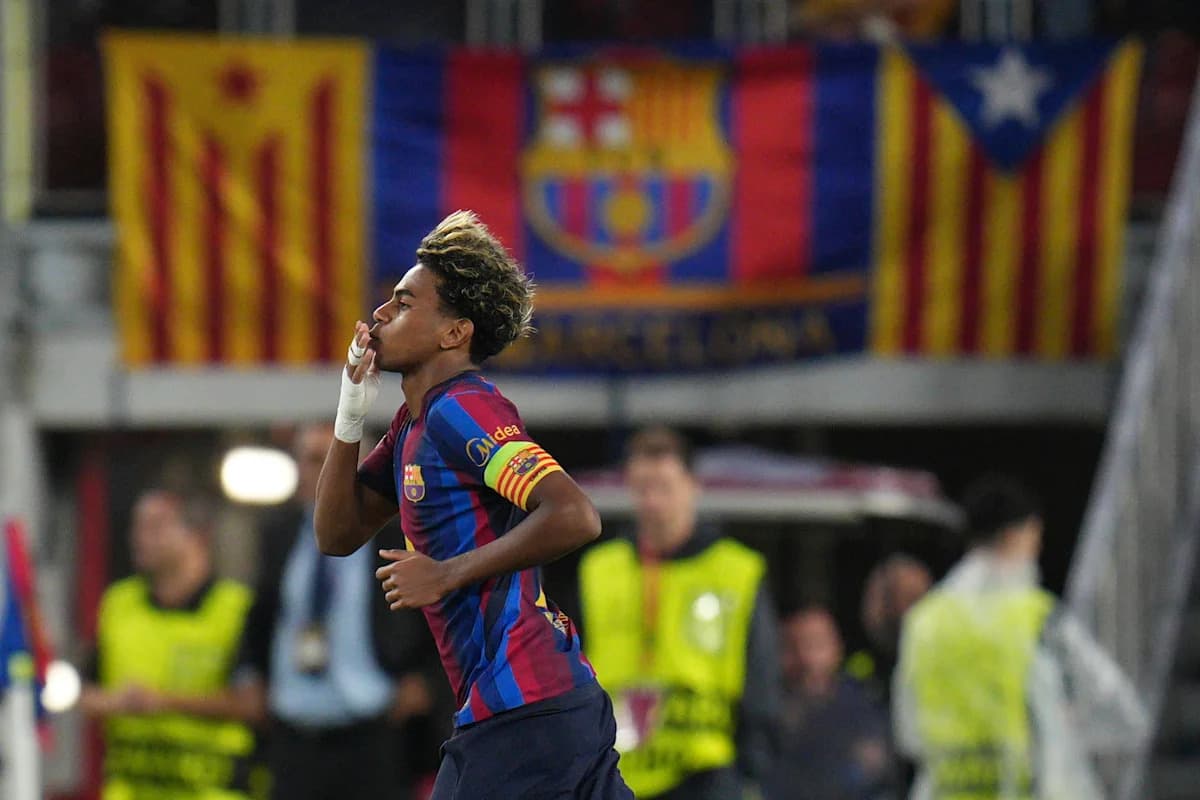
Barcelona’s Camp Nou to Host 2029 Champions League Final, Munich Confirmed for 2028
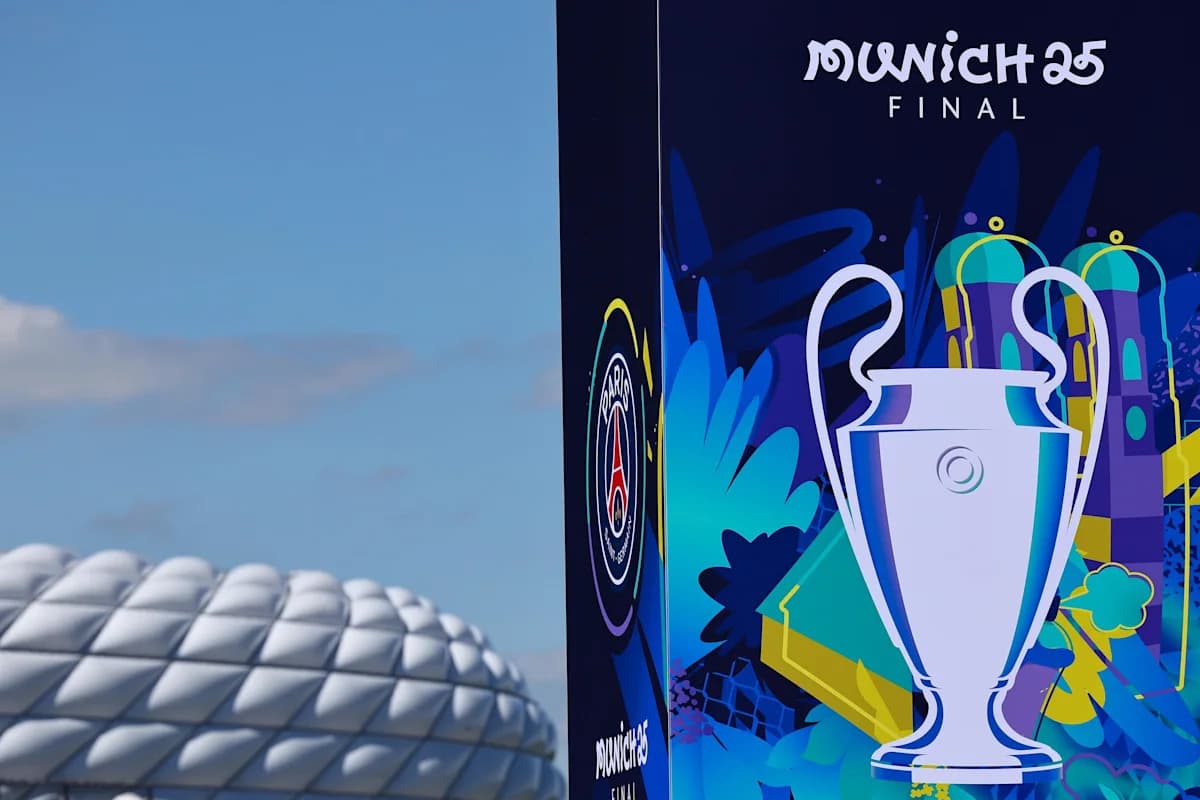
Bayern Munich's Allianz Arena Set to Host 2028 Champions League Final