
Chris Smalling: The Veteran Defender Seeking New Opportunities
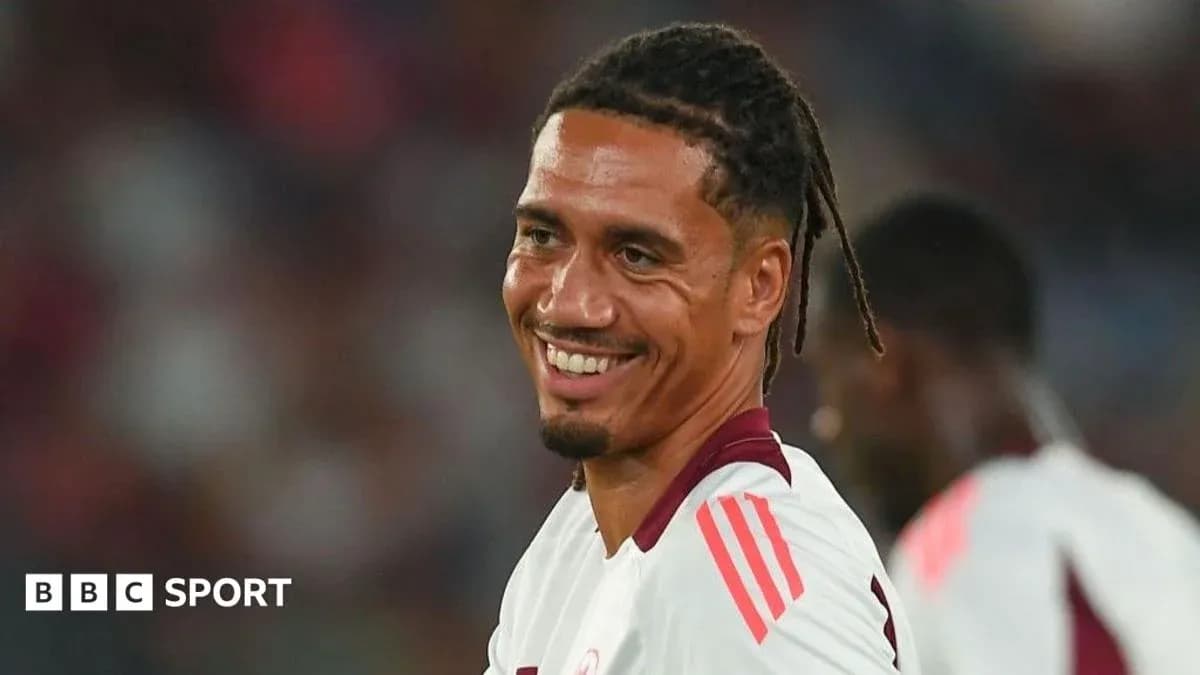
Chris Smalling never did the safe option.
You can hear it in the first answer of a 45-minute conversation. This is not a man easing himself towards retirement, telling old stories for the sake of it. At 36, with 580 club appearances behind him in three countries, a Champions League final on his CV, trophies with Manchester United and Roma, and 31 England caps, he is back in the north west of England with a familiar itch.
He wants another club. He wants to play.
The veteran who feels younger
"I know my body now better than when I was 26," he says, and it’s not a throwaway line.
Smalling talks about his career in the way a surgeon might talk about their tools. Training, he insists, is the smallest part. The real work happens in the gaps: the food, the sleep, the supplements, the recovery.
He remembers Sir Alex Ferguson pushing Ryan Giggs towards yoga, the subtle message that longevity is a choice as much as a gift. Smalling has taken that idea and pushed it into modern territory.
"In pre-season we have blood tests and the clubs make recommendations. I went one step further and kind of had genetics testing, which goes deep into everything. A lot of my supplements were changed because of that."
It sounds obsessive. It is. But it also explains how a centre-back in his mid-30s could be ever-present for Al-Fayha in the Saudi Pro League last season. That run of games clearly matters to him. It’s proof. The legs still go. The stats still stack up.
From Maidstone to the world
Wind the clock back 18 years and none of this was supposed to happen.
"It wasn't even plan D," he says, and he means it. Smalling was playing for non-league Maidstone United, plotting a life in financial economics. University place secured. A levels in the bag. He was already looking at other non-league clubs near Leicester so he could keep playing while he studied.
Then, very late in the summer, Fulham called.
The odds were long. He knew it. But he also knew he had to chase it as if there would never be another chance. Roy Hodgson watched one practice game, called him into the office and offered him a contract.
"It wasn't even a full week. I didn't have any time to get my head around it. I was just in total shock."
Shock would become a theme.
The knock on the hotel door
Fast-forward to January 2010. Smalling is 20, part of the Fulham squad heading to Blackburn for a Premier League game. He doesn’t get on the pitch in the 2-0 defeat. The important moment has already happened.
There had been rumours. Other clubs. Other possibilities. Not Manchester United.
Then Hodgson pulled him off the team coach.
Fulham had accepted a bid. Sir Alex Ferguson was on his way to the hotel. Forty-five minutes.
Smalling rang his mum. Then he sat in his room and tried to work out what on earth you ask the most successful manager in English football history when he walks through your door.
The meeting lasted a couple of hours. Ferguson did what Ferguson always did with players he wanted: he calmed, he reassured, he made the impossible feel inevitable.
Smalling looked at the list of United centre-backs and wondered how he could possibly fit. Ferguson told him he would get his chance. Told him he believed in him.
"To be able to share the dressing room and the pitch and have conversations with him, is just incredible."
The move to Old Trafford turned the university “safety net” into an abandoned plan. A four-year deal became a new contract after a year, then another, then another 18 months later. Each one a reminder of how far he’d come from Maidstone, and how precarious it all still felt.
"There was always this carrot. I never took anything for granted."
Inside the minds of serial winners
Smalling has played for some of the most demanding managers of the modern era. What fascinates him is not their tactics, but their ability to bend minds.
To the outside world, his relationship with Jose Mourinho is remembered for a single moment: the public criticism in November 2016 over his reluctance to play through injury. Smalling doesn’t recognise that version of events.
"For United or Roma, Jose picked me for most games because we had a good relationship and he trusted me."
He puts Mourinho and Ferguson in the same bracket: men who can look senior professionals in the eye and make them believe something is possible that, five minutes earlier, felt out of reach.
"A lot of managers can give good team talks but if you look at some eye-to-eye, see the passion and real belief that 'it's going to happen' senior players follow and the rest lock in. That's the beauty of top-class manager."
That belief has consequences. Smalling tells the story of the broken toe, the injections, the moment his body finally refused to cooperate in a warm-up. Mourinho was disappointed. Smalling read that disappointment not as rejection, but as proof.
"In that situation, I was having injections in broken toe because he had created that mentality in me that I could do anything, even if, maybe, I shouldn't. I had reached the limit of the amount I could have, had to stop in a warm-up and he was disappointed.
"It gave me even more belief because it was easy to choose another centre-back but he wanted me."
The two men still speak. Smalling messaged him when he took over at Real Madrid this summer. But while Mourinho slides deeper into the dugout, Smalling has no desire to follow.
"I don't think it will be my route. I'm quite comfortable with the next stage."
Building the next life, without leaving this one
That “next stage” is already taking shape. Smalling is working on an education programme for young players with the Global Institute of Sport. He has three or four projects like it running in the background, all designed to prepare for life after football.
They can wait.
"Once my football career comes to an end, I can put more time to them but at the minute it's all focused on playing because I have that passion and drive and physically my stats are good."
Whoever signs him now will not just be getting a defender. At Al-Fayha, he pushed for better facilities, made sure the gym matched the standards of an elite professional. At every club, he says, he has tried to leave something behind – not just performances, but culture.
He is proud that he is remembered fondly. Proud that he made an impact on and off the pitch.
The university route would have been safer. Steadier. Predictable.
"It would have been the safer route," he admits. Back then, in that first year at Fulham, the money wasn’t life-changing. He was a reserve, often the 19th man, travelling but not on the bench, with no guarantees the gamble would pay off.
But he took it. Again and again, when the crossroads appeared, he walked away from safety.
Now, back in the north west, body tuned, mind clear, projects parked for later, he stands at another junction.
The question is no longer whether Chris Smalling was right to turn down university.
It’s who dares to bet on him one more time.
Related News
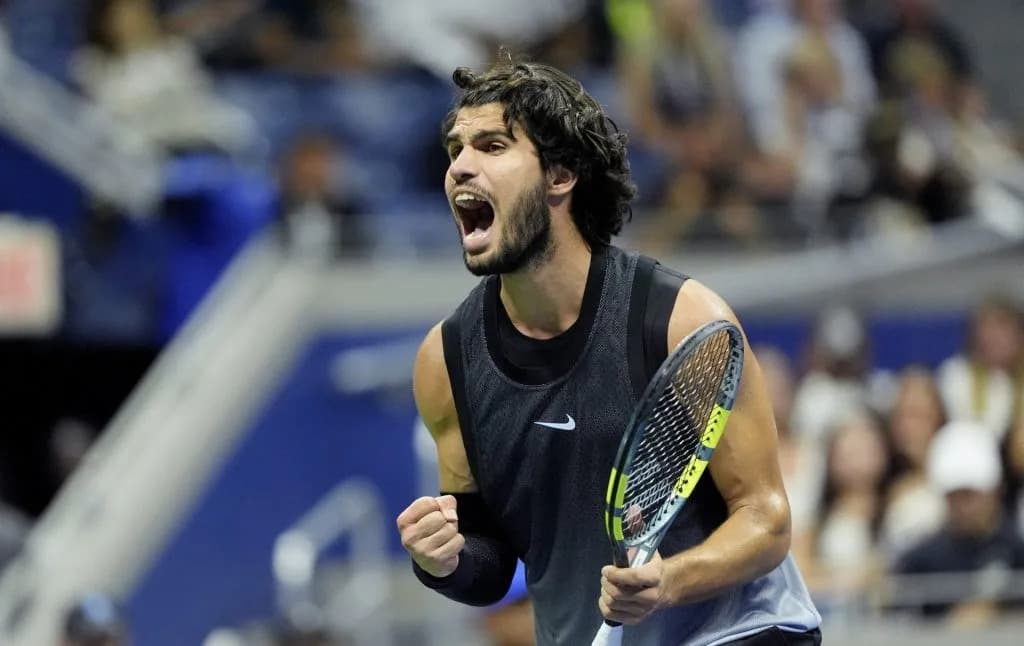
Carlos Alcaraz Urges an End to Matches Ending in the Early Hours
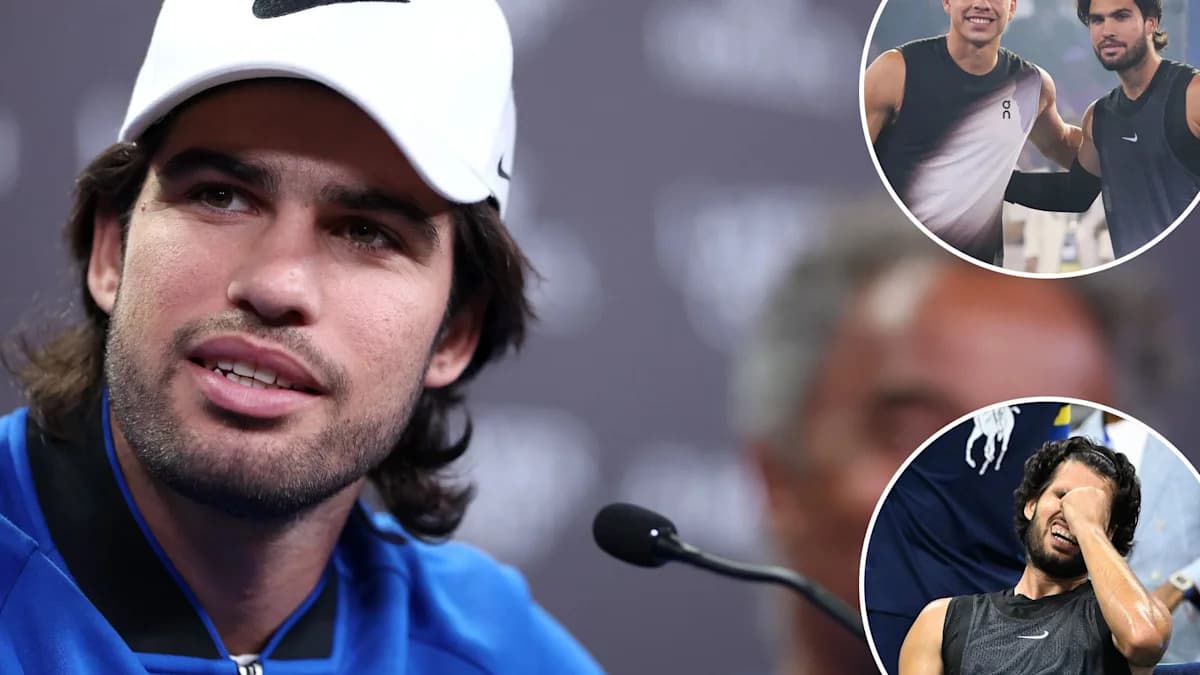
Carlos Alcaraz Criticizes Late US Open Finish After 3:30 a.m. Match
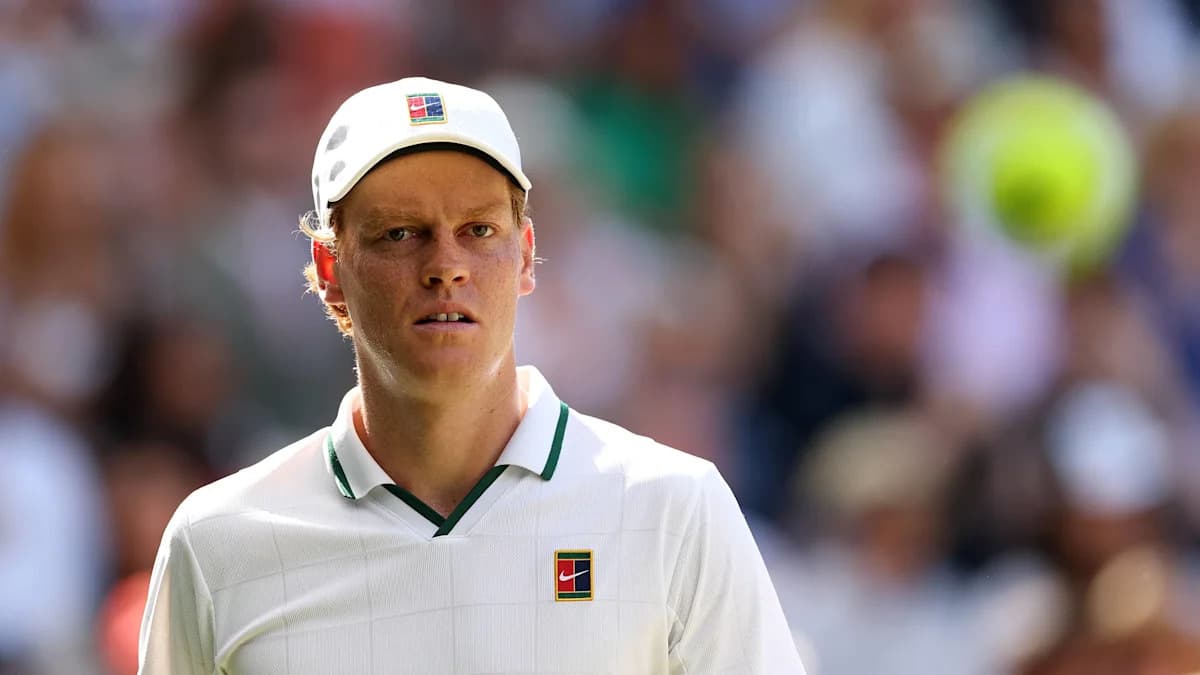
Jannik Sinner Set for ATP 500 Return in Beijing with Novak Djokovic Also Competing
Meet Iva Jovic: The American Tennis Prospect Making Waves
Flavio Cobolli Shares Insights on Practice Session with Jannik Sinner Ahead of Comeback
Till vs Romero: Fight Details, Undercard, and Viewing Info for This Weekend