
Clásico Drama: Club America vs Guadalajara Chivas
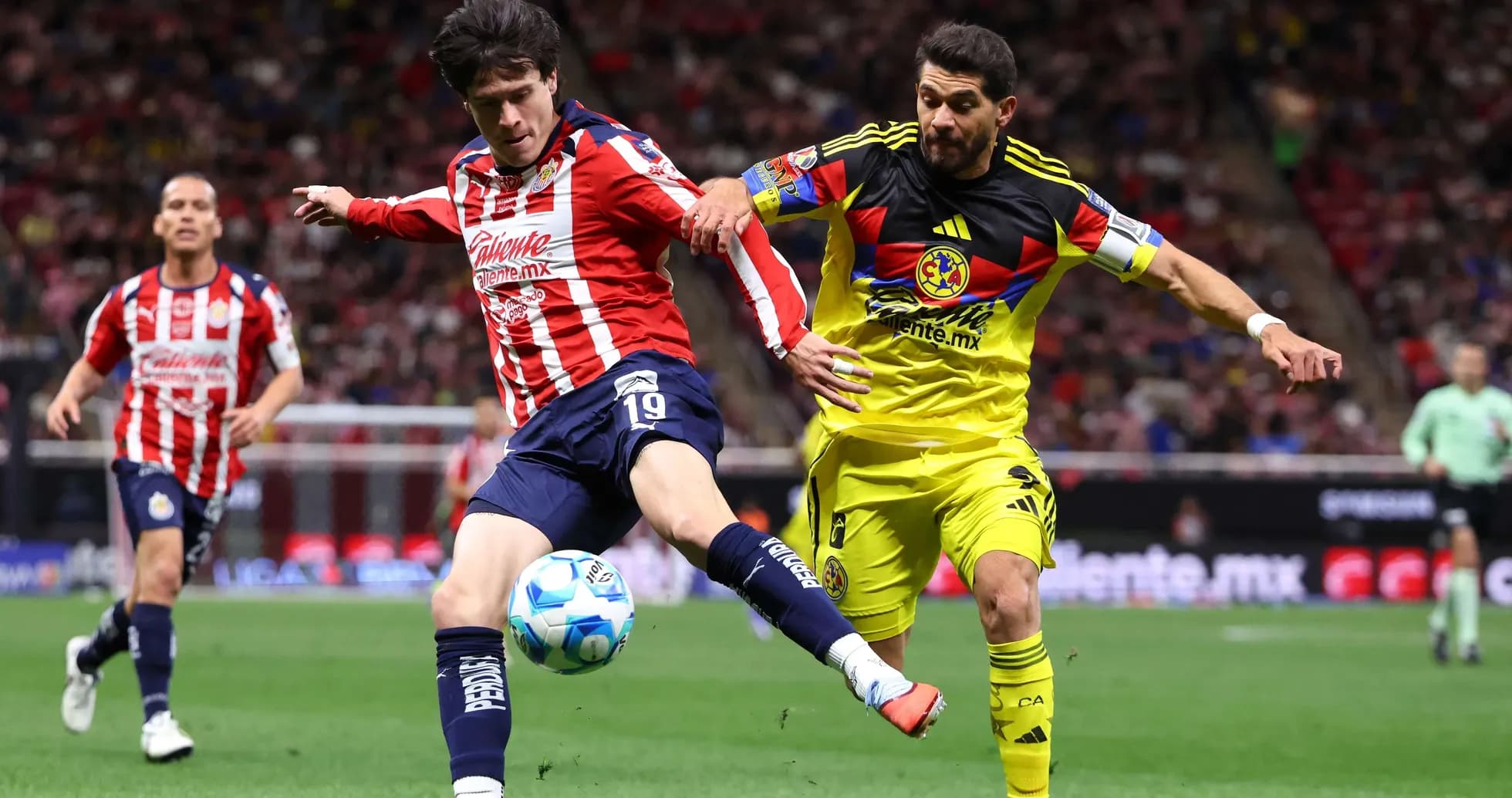
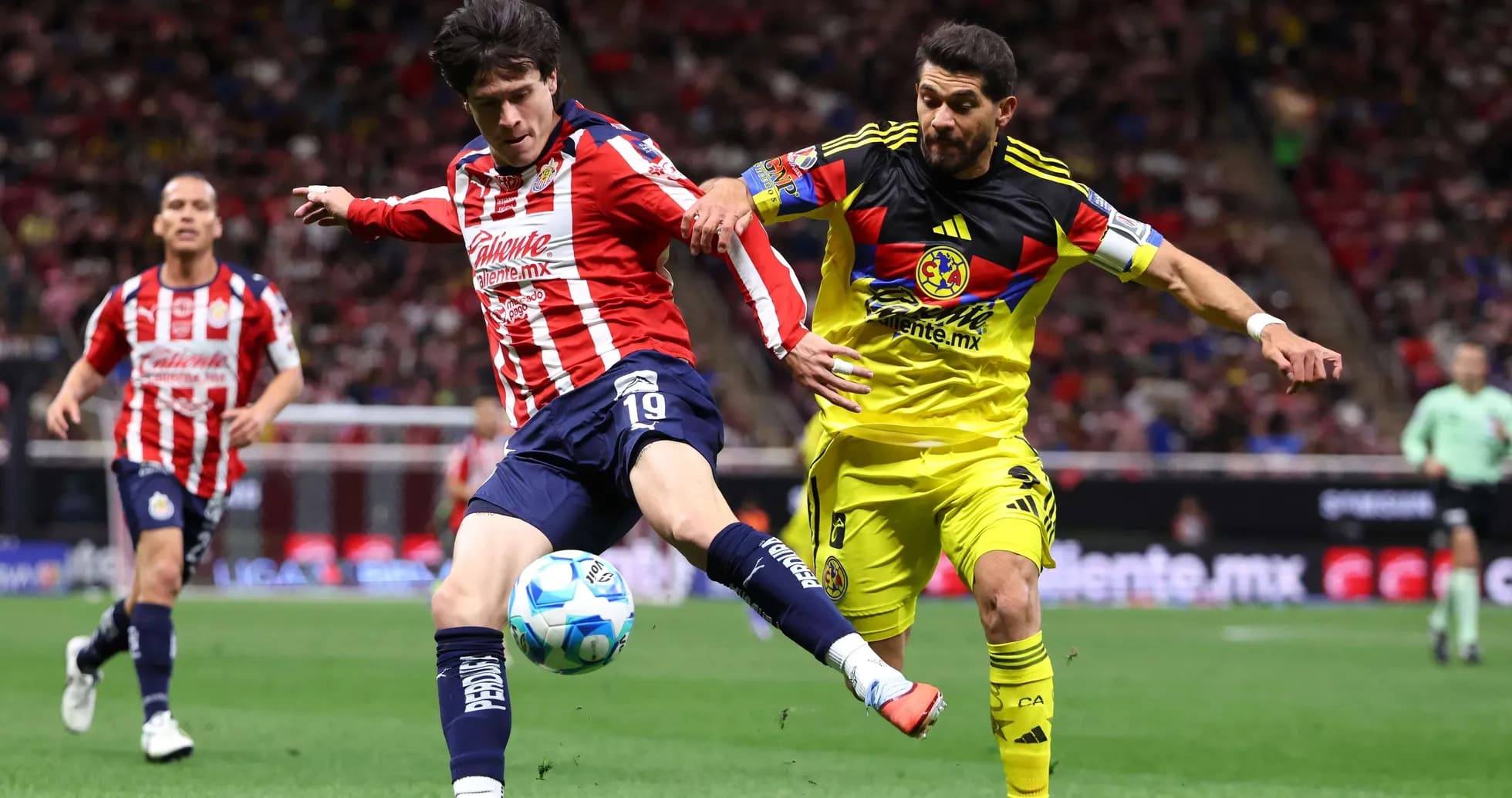
The Clásico at Estadio Banorte closed as a 2–2 draw, but the story beneath the scoreline was of two sides already shaped by their seasonal identities in the Apertura – and by the very different ways they bend games to their will.
I. The Big Picture – Two contenders, one shared mirror
This was Liga MX Apertura – 9, a top‑of‑the‑table clash between a Club America side sitting 3rd on 17 points and a Guadalajara Chivas team in 2nd with 18 points heading into this game. Both carried identical overall goal differences of +9, each with 17 goals scored and 8 conceded in total. Yet how they arrived there could not be more contrasting.
At home, Club America are ruthless and controlled: 4 matches, 3 wins, 1 draw, 0 defeats, with 10 goals scored and only 2 conceded. That 2.5 home goals per game and 0.5 conceded at Estadio Banorte underpins their aura of inevitability on their own turf. On their travels, Chivas are equally hard to crack: 5 away fixtures, 2 wins, 3 draws, no defeats, with 8 goals scored and 4 conceded, averaging 1.6 scored and 0.8 conceded away. This fixture was therefore a collision between one of the league’s most dominant home attacks and its most resilient away defence.
The full‑time 2–2, after Chivas’ 2–0 half‑time lead, felt like a tactical arm‑wrestle that swung from Milito’s control to Almada’s fury and then to something like equilibrium.
II. Tactical Voids and Hidden Fault Lines
With no confirmed absentees listed, both coaches were able to lean into their preferred structural ideas. Almada returned to his trusted 4‑2‑3‑1, a shape that has started 7 of America’s league games this season. Milito countered with a 3‑4‑2‑1, one of two three‑at‑the‑back blueprints Chivas have alternated between; across the campaign they have split their starts evenly between 3‑1‑4‑2 and 3‑4‑2‑1.
Disciplinary trends hinted at how the match might fray. America’s yellow cards are spread but peak between 61–75 minutes at 23.08%, with another 15.38% in the closing 76–90 stretch. Crucially, all of their red‑card danger is late: 100% of their reds this season have arrived in the 76–90 window. Chivas, by contrast, spike in yellow cards very late, with 40.00% between 76–90 minutes, and their lone red card has appeared in the 46–60 phase.
That context matters. As the game tilted in the second half, both sides were entering their historically most combustible time bands: America’s late aggression and Chivas’ late bookings intersect in the final quarter‑hour. It is no coincidence that the narrative of a comeback – pressure, duels, fouls – would be written there.
America also came into the fixture with a psychological bruise from the spot: in total this campaign they have taken 2 penalties, scoring 1 and missing 1, a 50.00% record that undermines any illusion of certainty from twelve yards. Chivas, by contrast, are perfect from the spot so far, scoring both of their 2 penalties in total, a 100.00% conversion rate. In a tight rivalry game, that difference in penalty assurance can subtly alter how both teams attack the box and how defenders take risks.
III. Key Matchups – Hunter vs Shield, and the Engine Room
Hunter vs Shield
For Club America, the cutting edge comes from two complementary forwards. Brian Rodríguez, listed as an attacker among the league’s top scorers, has 3 goals and 1 assist in 6 appearances, firing 17 shots with 8 on target and creating 19 key passes. He is a volume dribbler – 34 attempts, 15 successful – and his 4 blocked shots underline his willingness to work the other way.
Alongside him in influence, Henry Martín embodies the classic nine: 3 goals and 2 assists in 7 appearances, with 11 shots (7 on target) and 16 key passes. He has already taken on penalty responsibility, scoring 1 and missing 1. In open play, Martín’s 77 total duels with 37 won, plus 8 tackles and 2 blocks, show a centre‑forward who initiates the press and battles centre‑backs relentlessly.
They attack into a Chivas defensive unit that, across all games, concedes just 0.9 goals per match in total, with 0.8 away. The back three of D. Aguirre, D. Campillo and L. Romo is protected by a hard‑running midfield band. Chivas’ defensive discipline away from home – only 4 goals conceded on their travels – is the “shield” that must absorb America’s multi‑layered front four of A. Zendejas, Raphael Veiga, Rodríguez and Martín.
On the other side, Chivas’ main “hunter” is Roberto Alvarado. With 3 goals in 9 appearances, 11 shots (8 on target) and 15 key passes, he is both finisher and connector in Milito’s structure. His 426 completed passes at 89% accuracy, plus 30 dribble attempts with 14 successful, reveal a player who dictates tempo between the lines. He runs into an America defence that, at home, has allowed just 2 goals in 4 games – an average of 0.5 conceded – and has already posted 3 home clean sheets.
The Engine Room
The creative axis for America revolves around Raphael Veiga, stationed as the central playmaker in the 4‑2‑3‑1. Veiga has 1 goal and 2 assists this season, with 20 key passes and 249 total passes at 87% accuracy. He is the metronome that links the double pivot of I. Reyes and A. Cervantes to the front line, constantly finding half‑spaces.
Across from him, Chivas’ forward Ricardo Marín has quietly become one of the league’s more efficient facilitators: 2 goals and 2 assists, 5 key passes and a penalty scored. He is less about volume, more about timing – a foil for Alvarado and for the advanced midfielders like Santiago Sandoval and R. González making late runs.
In the deeper engine rooms, O. Govea and B. González form a mobile, combative shield for Chivas, tasked with tracking Veiga’s drifting and breaking up transitions. For America, Reyes’ positional discipline allows full‑backs like C. Borja and D. Espinoza to step high without leaving the centre exposed.
IV. Statistical Prognosis – How the draw fits the numbers
Across the season, America average 2.1 goals scored and 1.0 conceded in total, while Chivas average 1.9 scored and 0.9 conceded. The symmetry is striking: both have a total goal difference of +9, both have 17 goals for and 8 against, but America’s dominance is amplified at home and Chivas’ resilience sharpened away.
America’s home numbers – 10 scored, 2 conceded – suggested they would find a way to breach Chivas more than once, even against that tight away record. Chivas’ away output – 8 scored, 4 conceded – implied they would not be overawed by Estadio Banorte and would likely score at least once themselves. A high‑level xG model built from these profiles would lean towards a game with multiple goals, tilted slightly towards America but leaving significant room for Chivas’ counter‑punch.
Overlay the disciplinary curves – America’s late‑game red‑card risk and Chivas’ 40.00% share of yellows in the final 15 minutes – and a chaotic, emotionally charged second half was almost baked into the script. The 2–2 full‑time scoreline, with America clawing back from 0–2 down, fits the statistical and tactical contours: a superior home attack finally cracking an elite away defence, and two title contenders revealing that, in this Apertura, they are reflections of each other more than opposites.
Related News
Tigres UANL vs Puebla: Head-to-Head Stats and Insights

Monterrey's Strategic Victory Over Cruz Azul in Liga MX

Guadalajara Chivas vs Club Queretaro Stats and Head-to-Head Record
FC Juarez Defeats Tigres UANL 2-0: A Tactical Analysis
Atlante FC vs Monterrey: Head-to-Head Stats and Past Meetings
Club America vs Guadalajara Chivas Predicted Lineups: Team News for Liga MX