
Craig Gordon: A Remarkable 25-Year Journey in Scottish Football
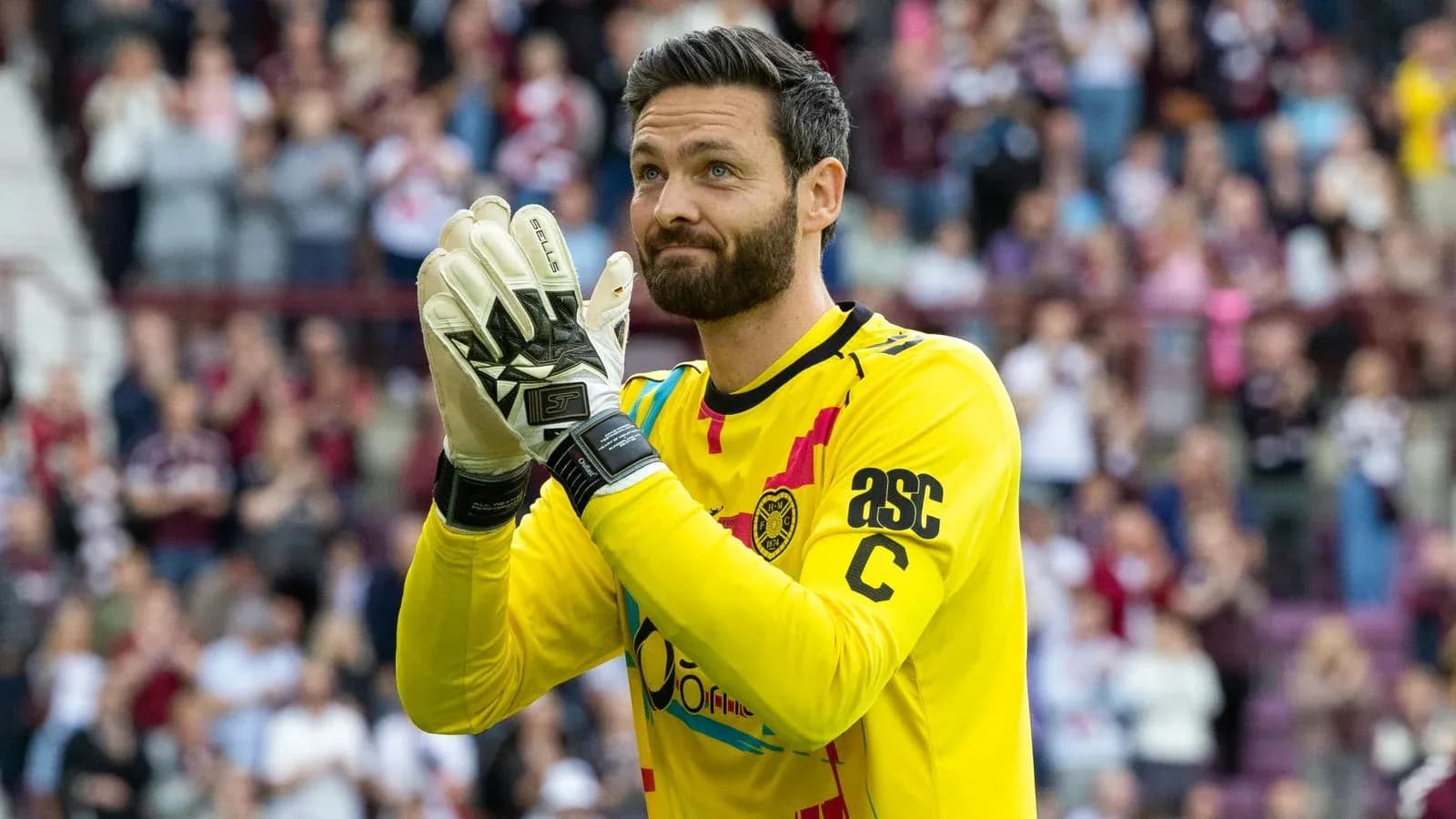
Craig Gordon has spent a quarter of a century refusing to stay down. At 43, one of Scottish football’s most enduring figures has finally called time on a playing career that stretched from Tynecastle to the Premier League, from rehab rooms to World Cups.
He walks away with more than 760 senior appearances for Hearts, Celtic, Sunderland, Cowdenbeath and Scotland. He leaves with 84 caps, 15 major trophies, a British record transfer fee on his CV, and a save once hailed as the greatest in Premier League history. But his story has always been about something less tangible and far tougher to measure: survival.
From Gorgie kid to Hearts history
Gordon’s journey began in 2001, a tall, wiry goalkeeper making his professional debut for Hearts. By 2004 he was pulling on the dark blue of Scotland for the first time, the start of an international career that would carry him to the Scottish FA’s roll of honour.
The first major trophy came quickly. In 2005/06, he helped Hearts lift the Scottish Cup, a landmark moment for a boyhood fan who had grown up in the stands at Tynecastle. That season set the tone. By 24, he was already in the Hearts hall of fame, the youngest player ever inducted. From supporter to club icon in little more than a decade.
The rise felt relentless. It wasn’t.
Record fee, record save, brutal setbacks
In 2007, Sunderland arrived with money that changed the goalkeeping market. The £9m fee they paid Hearts made Gordon the most expensive goalkeeper in British history at the time. It was a statement signing and a heavy burden, yet he quickly showed why he was worth it.
In 2010, against Bolton, he produced the stop that would define his English career. A reflex, contorted, impossible save that was later voted the best in Premier League history. One moment, frozen in time, that summed up his agility and nerve.
But the body that allowed him to fly also began to betray him. Ankle problems. Broken arms. Knee surgery. One injury blurred into the next. His Sunderland spell faded not with a farewell lap but with medical reports and long absences. Eventually, the contract ended and the silence began.
Two years in limbo
By 2012, Gordon was no longer just a footballer out of favour. He was a footballer fighting to walk without pain. A career-threatening condition forced him into a different routine: rehab, treatment, more rehab. Training pitches were replaced by gyms and clinics.
He drifted towards coaching, working on the game from the sidelines while his own future remained uncertain. For around two years he did not play. For many, that would have been the end. For Gordon, it became the middle chapter.
Step by step, he clawed his way back.
Celtic resurrection
When Celtic offered him a route back, it felt like a gamble. On both sides. Gordon took it and turned it into one of the great comebacks of the modern Scottish game.
At Celtic Park, he rebuilt his reputation and then some. Six Premiership titles. Five League Cups. Three Scottish Cups. He anchored domestic dominance and re-established himself as a first-choice international goalkeeper. The man who once wondered if he would ever play again became a constant presence in a trophy-laden era.
The medals tell one story. The context tells another. This was a player who had already been written off. Yet he stood again at the top of the Scottish game.
Home again, and another broken leg
When his Celtic contract expired, the circle closed. Gordon returned to Hearts, back to the club where it had all started. Older, wiser, but still fiercely competitive, he produced some of the finest form of his career. Hearts pushed, challenged, and for a spell last season flirted with the title race deep into the campaign.
Then Christmas Eve 2022 shattered everything. A double leg break. At his age, with his history, it felt like a final, cruel twist. Another moment when a quieter man might have slipped away.
He didn’t.
More surgery. More rehab. More hours in the shadows. And once again, Gordon emerged. He returned to play for Hearts, returned to pull on the Scotland shirt, returned to a World Cup squad at 43. A goalkeeper who had already defied time went and did it again.
A farewell on his own terms
Now, at last, he has decided the gloves really are coming off.
“I've never wanted it to end, but end it must,” he said in a video released by Hearts. “I have lived my dreams and for that, I'm so thankful.”
The dreams were simple ones: play for Heart of Midlothian, play for Scotland. He did both, for years, under the brightest lights and the heaviest scrutiny. He spoke of hard work, sacrifices, setbacks. Of going from supporting Hearts to playing for them. Of wanting to do himself, his family and the fans proud.
He smiled at his 84 renditions of the national anthem, at sharing stages with the biggest names in the biggest stadiums. He thanked team-mates and coaches who pushed him, opponents who drove him on, medical staff who pieced him back together, loved ones who never let him quit. Above all, he thanked the fans.
“Now the gloves are finally off and I bid farewell to my playing career,” he said. “You, the fans, have given me everything, and it has been a privilege to represent you. I hope you've enjoyed it as much as I have. From the bottom of my heart, thank you.”
The statistics will say Craig Gordon retired at 43 after 25 years, 760-plus games, 84 caps and 15 major honours. The story is richer than that. It is the tale of a goalkeeper who kept getting up when football – and his own body – tried to knock him down.
The next chapter will not involve diving at the feet of onrushing strikers. But with that resilience and that record, who would bet against him shaping Scottish football again from a different vantage point?
Related News
India's Record Chase of 406 Against West Indies Highlighted by Gill's 223 and Rohit's Century

Alex Pereira Hints at Major UFC Bout: 'Big Challenge' Ahead
Three Hall of Famers, Ten Fights, 109 Rounds: The Forgotten Rivalry That Shaped Lightweight Boxing's Golden Era
Khamzat Chimaev and Colby Covington Set for RAF Abu Dhabi Title Clash in November
Thomas Tuchel Confident Harry Kane Will Join 100-Goal Club for England Soon
Cristiano Ronaldo Vows to Reveal Truth After Leaving Portugal Squad Amid Conflict