
Curtis Jones Leaves Liverpool: A Line Crossed
When Curtis Jones finally walked away from Anfield for Inter on August 21, it felt less like a transfer and more like a line being crossed.
Liverpool, backed into a corner by contract reality, cashed in. Jones was in the final year of his deal, he had no interest in signing another, and the club could not afford to lose him for nothing. A boyhood Red, unhappy and unconvinced about his role, chose to go. The club chose to let him.
Everyone understood the logic. Nobody liked what it meant.
A Scouser Walks Away
Jones’ last months at Liverpool summed up the awkwardness of his situation. He finished the season filling in as a makeshift right-back, a tactical patch rather than a midfield pillar. Arne Slot paid for that campaign with his job, but Jones’ frustration outlasted the manager.
At 25, he wanted to play in the middle of the pitch, not on the fringes of it. Under Andoni Iraola, there was no guarantee those minutes would come. In truth, the move felt inevitable long before the paperwork went through.
The reaction centred on the numbers. £25 million for an England international in his prime, in a market where relegated West Ham could move Mateus Fernandes to Spurs for more than three times that amount, looked light. The bigger worry, though, was the gap he left behind.
Not in the squad list. In the soul of it.
Iraola, from the moment he walked through the door, had made it clear he wanted more midfield options. Not fewer. Yet he also made it equally clear he wanted Jones to stay, and not only because he rated him “very highly” as a player.
“It’s very important that he’s Scouse, that he’s from here,” the Liverpool coach said in July when pressed on Jones’ future.
Those words carried weight. Iraola is a proud Basque, forged at Athletic Club, a place where the bond between player, city and shirt is not a slogan but a selection policy. He knows what it means when a team reflects its streets.
“I see a lot of similarities between Liverpool and Bilbao,” he said on the pre-season tour in the United States. “This sense of belonging, of being a little bit different, and this connection, also, with players from the academy.”
And yet, when the window shut and Jones was gone, Liverpool were left with a reality that would have been unthinkable in the modern era: not a single Scouser in the senior squad.
Identity on the Line
The anxiety around that fact did not appear out of thin air. Concerns over Liverpool’s direction, its ownership and its matchday culture have been simmering for years.
Fenway Sports Group have, by any financial and sporting metric, transformed the club. They took a broken institution in 2010 and turned it into one of the most profitable, best-run operations in world football. Trophies followed, as did global reach.
But at street level, not everyone is celebrating.
Supporters’ groups like Spirit of Shankly have pushed back hard against rising ticket prices and the feeling that local fans are being squeezed out. In an open letter to FSG earlier this year, SOS pointedly noted that matchday income is a relatively small slice of total revenue, yet the cost of chasing every last pound is “affordability, loyalty and trust.”
Then came last month’s bombshell: 1892 Holdings, a consortium backed by Amazon founder Jeff Bezos, taking a 38 percent stake and sitting in position to complete a full takeover within 12 months.
For many, that was the moment the alarm turned into a siren.
Kieran Maguire of The Price of Football Podcast told GOAL that the development had only heightened long-standing fears in a “very proud working-class city” that its traditional fanbase is being pushed aside.
“A lot of supporters are already concerned that more tickets will be going to more rich people, and for extortionate prices,” he warned, “and that would continue to dilute what makes a trip to Anfield unique. For the people of Liverpool, the club is far more than a tourist attraction and you don't want the continued ‘Disney-fication’ of something that is part of the history, heritage and identity of the city.”
Now layer on top of that the image of a Liverpool team with no Scousers on the pitch. The symbolism is impossible to ignore.
Gerrard’s Warning
Steven Gerrard did not need a balance sheet to explain his opposition to selling Jones. For him, it was simple.
He didn’t want Liverpool to lose a homegrown player because Liverpool cannot afford to lose what homegrown players bring.
“I just think that, naturally, being around Liverpool, growing up in the city, we understand the demands of the club, the style, what the fans want,” he told BFM Radio earlier this summer. “It’s embedded in us because we know the city inside out. For that reason, I think the academy at our club is crucial, as I think it's key that we keep producing homegrown talent.”
He pointed back through the years: Michael Owen, Jamie Carragher, Robbie Fowler, Steve McManaman, Trent Alexander-Arnold, himself. Even the Jay Spearings and Stephen Warnocks of this world, players who never became global stars, still carried something essential when they stepped into the side.
They knew the values. They lived the principles. They didn’t need a briefing document to understand what Anfield expects.
That conveyor belt is not completely broken. But it is under strain.
A New Transfer Era
Jamie Carragher has been one of the most vocal critics of the way Liverpool have shifted in the market.
“What we did last summer, I didn't really like it,” he told Football Ramble. “It felt like a Real Madrid summer – Florian Wirtz, Alexander Isak, we're gonna get Hugo Ekitike, another striker, for £80m even though we've got one for £125m.
“This summer, it's all about Bradley Barcola. What about the days we had before when we built that team under Klopp and we were getting players who people weren't quite sure about and getting great value? I almost want to go back to that.”
He is not the only one. The numbers back him up. Liverpool’s four most expensive signings have all arrived in the last two summer windows. The club that once thrived on smart, under-the-radar deals has stepped fully into the era of nine-figure headline acts.
With that comes a predictable consequence: the pathway for academy players narrows. The bar gets higher. The patience gets shorter.
There are still flickers of hope. Rio Ngumoha, technically a former Liverpool youth player despite arriving from Chelsea, is one. Trey Nyoni, an unused substitute in the Carabao Cup final win over Chelsea that left Jürgen Klopp so proud, is expected to feature more prominently this season. Lewis Danns, once fit, could yet be pulled back into the first-team frame, particularly with Isak the only orthodox No.9 available and Ekitike out until 2027.
These are names, not yet stories. They may grow into the roles Gerrard and Carragher once filled. They may not get the chance.
Because as things stand, Liverpool can now send out a frontline containing three players who each cost more than £100m when they face Ipswich Town at Portman Road on Friday night. Iraola will have elite talent in almost every area of the pitch.
What he will not have is a single Scouser to call on.
The Price of Progress
Klopp once suggested that Liverpool’s Carabao Cup triumph, powered by kids and fringes and academy belief, was unique. He was right in more ways than one.
It is brutally hard to win trophies with youngsters. Harder still when the financial arms race at the top of the game rewards instant impact and marketability over slow-burn development.
But that night at Wembley also felt like something else: a last, defiant reminder of what a Liverpool side rooted in its own city can look like.
As the club leans further into the super-club model – mega-investment, mega-signings, global appeal – the risk is obvious. The bond that once ran naturally from the Kop to the dressing room now has to be consciously protected, not just assumed.
Right now, with Curtis Jones gone and no Scousers left in the senior squad, it’s fair to ask a blunt question.
In chasing the game’s new reality, how much of its own is Liverpool willing to lose?
Related News
Aleksandar Pavlovic Rejects Manchester City Move
Liverpool’s Bold Move for Djylian N’Guessan Amidst Deadline Day Silence

Marcus Rashford's New Tattoos: The Story Behind the Numbers
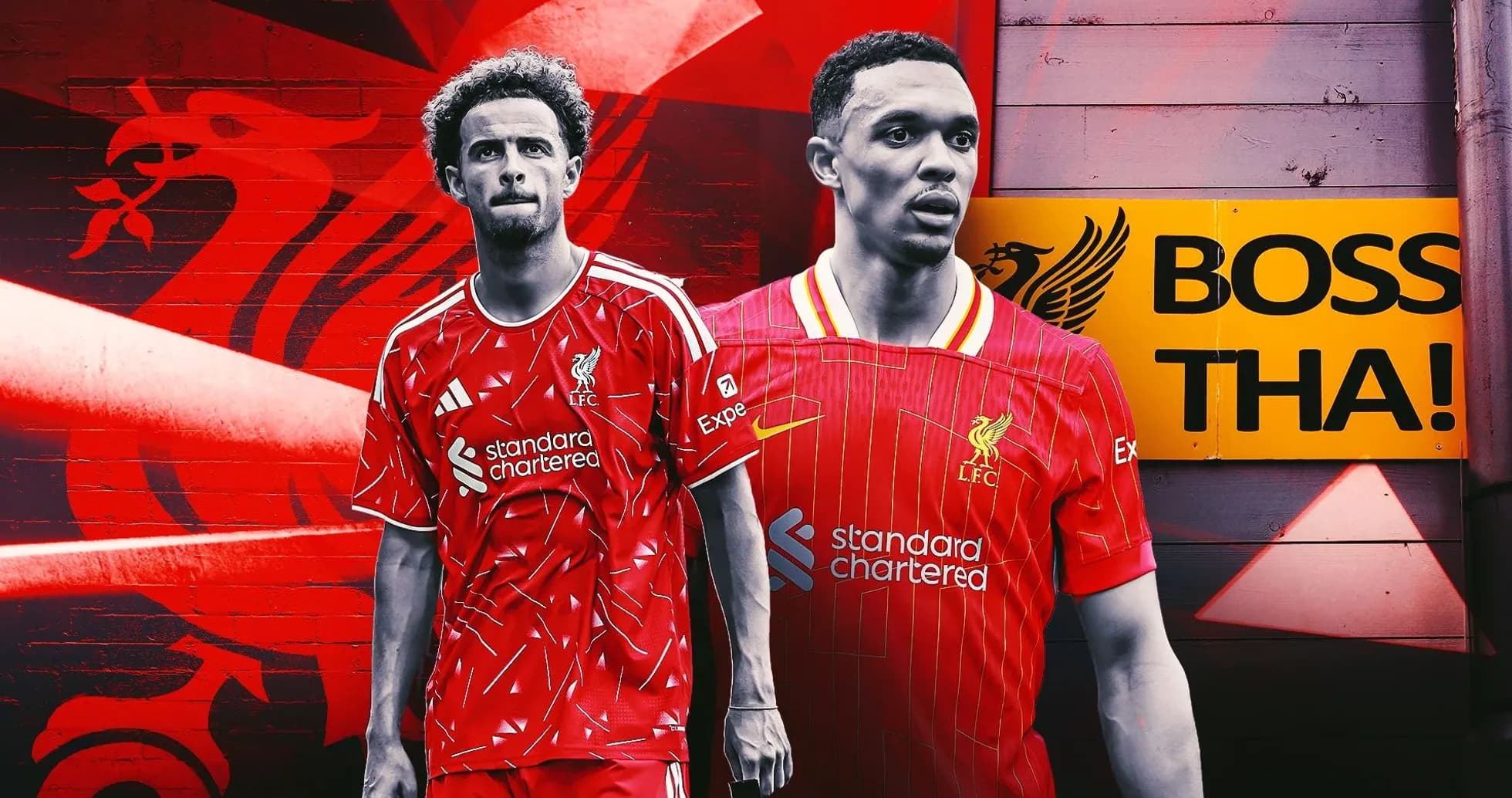
Curtis Jones Leaves Liverpool: A Line Crossed
Lucas Herrington: The Rise of a Young Australian Defender
Mary Earps: From Manchester United Icon to London City Lioness