
Dinamo Zagreb vs FC Thun: UEFA Champions League Qualifying Decider

On 28 July 2026, the lights of Stadion Maksimir in Zagreb will frame a classic European qualifying decider: Dinamo Zagreb hosting FC Thun in the second leg of the UEFA Champions League 2nd Qualifying Round. After a 1-1 draw in Switzerland, everything is on the line — progression to the next stage, vital prize money, and early-season momentum for both clubs chasing a place among Europe’s elite.
Season Context
For Dinamo Zagreb, this tie is the first major checkpoint of their continental campaign. They have played 1 match so far in this UEFA Champions League season, drawing away with 1 goal scored and 1 conceded. The Croatian champions are used to carrying the weight of expectation in qualifiers; advancing is not just an ambition but almost an obligation for a club that measures itself by group-stage appearances.
FC Thun enter this return leg as underdogs with everything to gain. Like Dinamo, they have played 1 Champions League match in 2026, also finishing with 1 goal scored and 1 conceded. The Swiss side’s task is clear: survive the hostile atmosphere in Zagreb and turn a solid home draw into one of the club’s most significant European scalps in recent memory.
Form & Momentum
Both sides arrive with identical recent stories in this competition: a single draw each. Dinamo Zagreb’s record shows 1 match played, 0 wins, 1 draw and 0 defeats, with 1 goal scored and 1 conceded — a perfectly balanced start that suggests solidity but also a lack of cutting edge so far (1.0 goals scored and 1.0 conceded per game). FC Thun mirror that profile almost exactly: 1 match played, 0 wins, 1 draw and 0 defeats, again with 1 goal for and 1 against (1.0 scored and 1.0 conceded per game), underlining how evenly matched the first leg was.
Psychologically, Dinamo can lean on the fact they rescued a draw away from home, showing resilience after falling behind (1-1 in Thun). Thun, meanwhile, proved they can trouble the favourites by striking first and holding their own for long stretches, a sign of competitive spirit and organisation (only 1 goal conceded in that opener). With no clear statistical edge in early form, momentum may hinge more on how each side handles the pressure of this decisive night.
Head-to-Head Patterns
The history between these two clubs in this competition is still being written, and so far it tells a story of balance. Their only recorded meeting in the data is the first leg of this tie: a 1-1 draw at Stockhorn Arena (UEFA Champions League, season 2026, July 2026). On that evening in Switzerland, FC Thun struck before the break and Dinamo Zagreb answered in the second half, leaving the contest finely poised. With no older clashes on record and no additional competitive encounters provided, there is no long-term trend to lean on — just a single, tightly contested match that underlines how small the margins could be again in Zagreb.
Tactical Preview
Dinamo Zagreb’s early Champions League data points to a side set up in a 4-2-3-1 shape, used in their only match so far. That structure typically gives them a double pivot to control transitions and a line of three attacking midfielders to support a lone striker. The numbers from their single outing show a balanced profile: 1 goal scored and 1 conceded across 1 match, suggesting a team that can create but is not yet fully secure at the back. The presence of creative contributors like Fran Topić — who has already registered 1 assist in 1 Champions League appearance — hints at a plan built on technical quality between the lines and late surges into the box.
FC Thun, by contrast, have leaned on a 4-4-2 in their sole Champions League appearance so far. That system offers them two forwards to press Dinamo’s build-up and provide a direct threat in transition, while the flat midfield four can compact the central spaces. Their statistical profile mirrors Dinamo’s — 1 goal for and 1 against in 1 match — but the structure is different: more emphasis on pairings up front and wide midfield work rate. The disciplinary figures from that match, with several yellow cards clustered in the second half, suggest an aggressive, combative side willing to push the physical line to stay competitive.
The key battleground will likely be central midfield. Dinamo’s double pivot in the 4-2-3-1 should, in theory, give them a numerical edge against Thun’s two central midfielders in the 4-4-2, allowing the hosts to dictate tempo and recycle possession higher up the pitch. Thun, however, can respond by narrowing their wide players and using their front two to press Dinamo’s centre-backs, trying to force mistakes and create quick-break situations. With both teams having conceded just 1 goal in this campaign, the tie may be decided by which side better exploits small structural advantages rather than by sheer attacking volume.
Statistical Snapshot
- Competition: UEFA Champions League, season 2026 — 28 July 2026.
- Venue: Stadion Maksimir, Zagreb.
- Prediction: No clear favourite identified — No predictions available.
- Win Probabilities: Home 33% / Draw 33% / Away 33%.
- Model: Dinamo Zagreb 50.0 — FC Thun 50.0.
Betting Verdict
With the prediction model offering no clear winner and the win probabilities split evenly at 33% for each outcome, this second leg shapes up as a genuinely balanced contest. The first leg’s 1-1 draw and the near-identical early statistics for both teams (1 goal scored and 1 conceded each in 1 match) reinforce the sense that margins will be thin. Dinamo Zagreb’s home advantage and slightly more sophisticated 4-2-3-1 structure could tilt the tie in their favour, but FC Thun’s disciplined 4-4-2 and proven ability to strike early away from home keep the upset firmly in play. In the absence of strong model guidance and with such symmetry in the numbers, a cautious approach that respects the draw and a tight scoreline appears the most rational betting stance.
Related News

Luis Díaz Confident Bayern Munich Can Win Champions League

AFC Champions League Matchday One: Insights and Team Strategies

Vincent Kompany’s Bayern Munich Future Not Tied Solely to Champions League Success

Barcelona’s Camp Nou to Host 2029 Champions League Final, Munich Confirmed for 2028
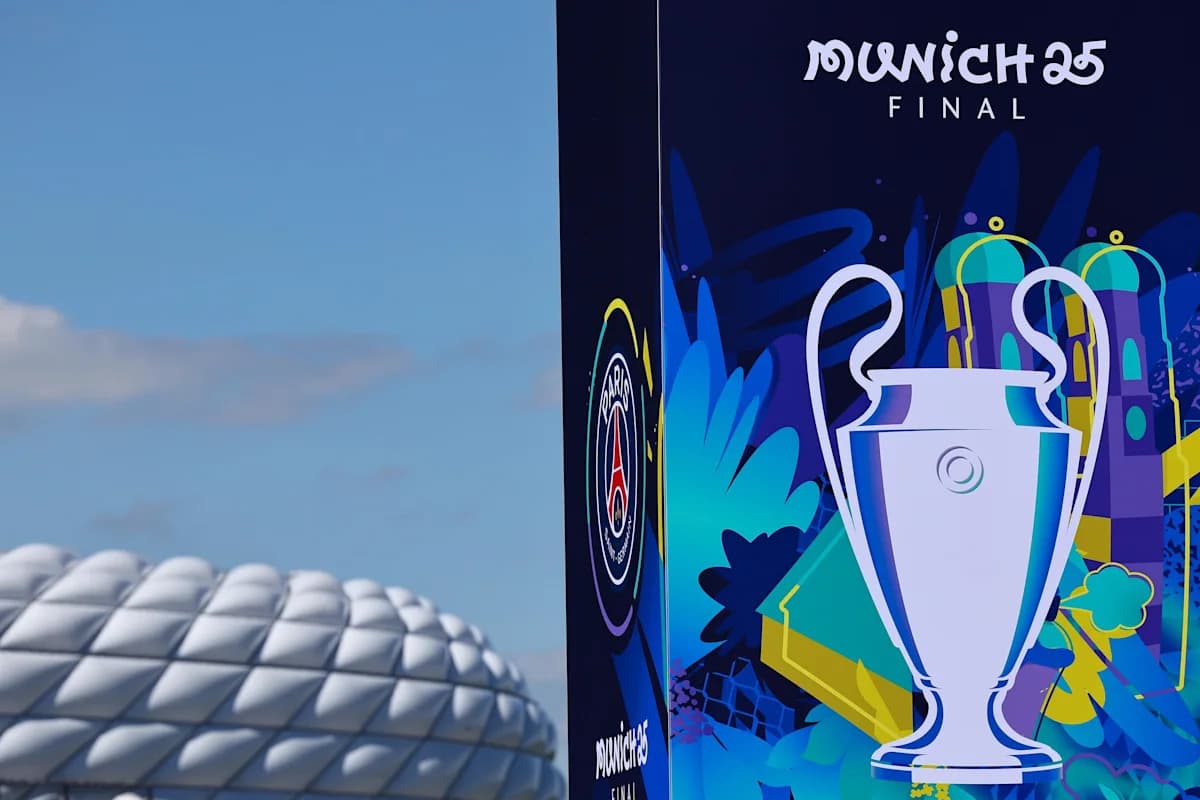
Bayern Munich's Allianz Arena Set to Host 2028 Champions League Final

Allianz Arena to Host 2028 Champions League Final for Third Time