
Dominic Solanke: Tottenham's Striker Dilemma
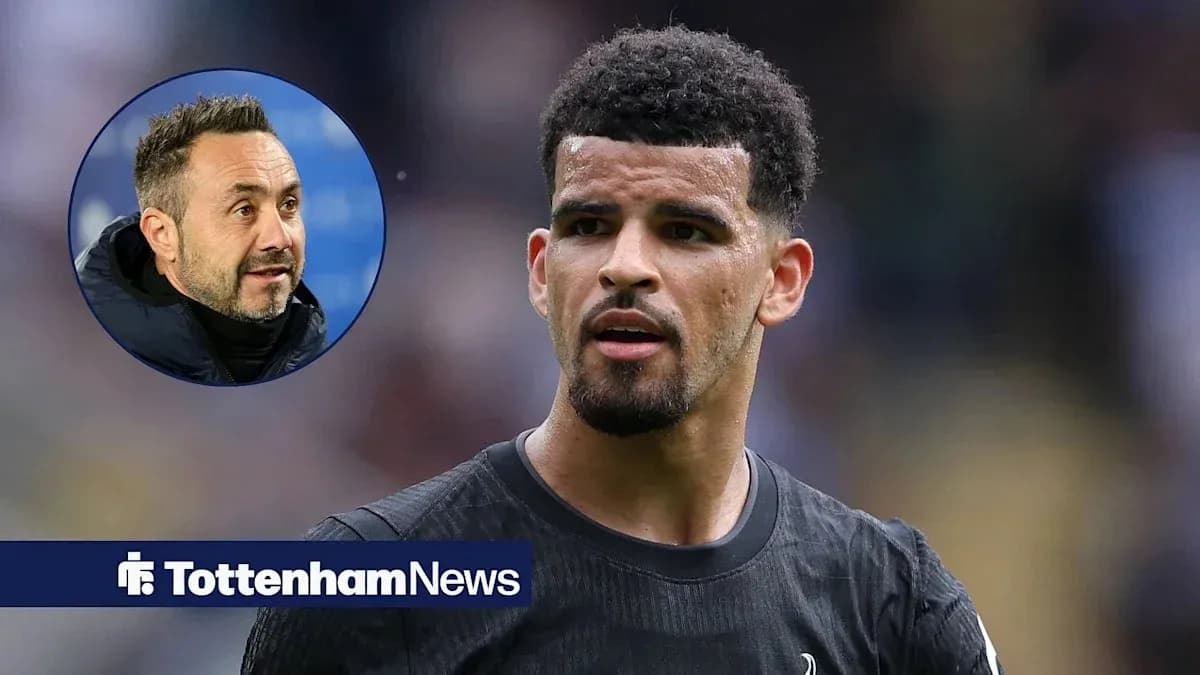
Dominic Solanke has barely kicked a ball this summer, but he is already the fault line running through Tottenham’s fanbase.
He arrived in north London in 2024 as a striker on the rise, fresh from a 19-goal Premier League season with Bournemouth and carrying the profile of a late bloomer ready to explode. A year on, the numbers are far less flattering: 12 league goals across two campaigns in a Spurs shirt, a body repeatedly interrupted by injuries, and a debate that refuses to die over whether he is the man to lead the line.
Roberto De Zerbi has chosen his side in that argument. Emphatically.
De Zerbi’s big call
With the new Premier League season edging closer, De Zerbi’s first major selection call is looming: Richarlison or Solanke as his No 9. On recent evidence, it does not sound like much of a contest.
Speaking to Football London, the Italian did not just back Solanke. He elevated him. De Zerbi described the 28-year-old as one of the best strikers in the division, insisting there are “not many better” and framing him as a player whose performances swing dramatically with his confidence.
“I think he changes the quality of performances depending on the confidence he feels,” De Zerbi said, before outlining exactly why he rates him so highly. In his eyes, Solanke is the complete centre-forward: someone who can attack space, protect the ball, link play and, crucially, score “15-20 goals in Premier League.”
It is a bold prediction for a player who has only reached double figures in England’s top flight once.
That is where the tension lies. De Zerbi is talking about a potential 20-goal forward. The record at Spurs, so far, tells a different story.
A striker in a storm
Context matters, and Solanke has not walked into a settled dressing room.
Under Ange Postecoglou, Tottenham were shredded by an injury crisis that derailed early momentum and forced the squad into survival mode before the focus drifted towards European qualification. Stability never really arrived. Then came further upheaval: Thomas Frank, Igor Tudor and finally De Zerbi, all in quick succession, while Solanke’s own fitness betrayed him at key moments.
The result was a fractured campaign. Just 15 Premier League appearances last season. No rhythm. No sustained run of games to build the kind of form a confidence-based striker thrives on.
And yet, buried beneath the frustration, the data offers a different angle.
The numbers behind the noise
According to Data.MB, among all Premier League strikers last season, Solanke ranked third per 90 minutes for shots on target, hitting the mark with 58.82 per cent of his efforts. He also placed third for passing accuracy at 78.85 per cent, an unusually tidy figure for a centre-forward operating in tight areas and under pressure.
Those passing numbers echo De Zerbi’s assessment of a forward who can knit moves together, not just finish them.
His work without the ball also stands out. Solanke ranked sixth among strikers for interceptions per 90 (2.23) and seventh for possessions won (4.23). That profile fits the modern pressing No 9: someone who can trigger the press, disrupt build-up and turn defensive effort into attacking platforms.
Put simply, there is a serious player in there. A striker who hits the target often, links play cleanly and presses with intelligence.
What there has not been, at least in a Spurs shirt, is the volume of goals that turns good data into hard currency.
The gauntlet is down
That is why De Zerbi’s claim that there are “not many better” than Solanke at this level cannot be fully defended yet. Not while his Tottenham spell is defined more by promise and metrics than by the one number that ultimately defines a centre-forward.
Goals.
Solanke’s underlying profile suggests that, with a stable role and a sustained run of fitness, an uptick is more than possible. A striker who regularly works the goalkeeper, wins the ball high and connects moves should, with better service and sharper confidence, see the scoreboard catch up.
But the conversation around him at Spurs will not change on expected value or passing charts. It will change when he starts turning those shots on target into match-defining moments, when those pressing numbers are attached to wins, when De Zerbi’s 15–20 goal challenge stops sounding aspirational and starts looking realistic.
For now, the Italian has placed his faith squarely in Solanke and done so publicly. The choice between him and Richarlison for the opening day feels all but made.
The pressure, though, sits firmly on Solanke’s shoulders. If he is truly to become the man to lead Tottenham’s attack, this season cannot be about underlying numbers and caveats.
It has to be about the net bulging, again and again, with the entire stadium knowing exactly who is responsible.
Related News
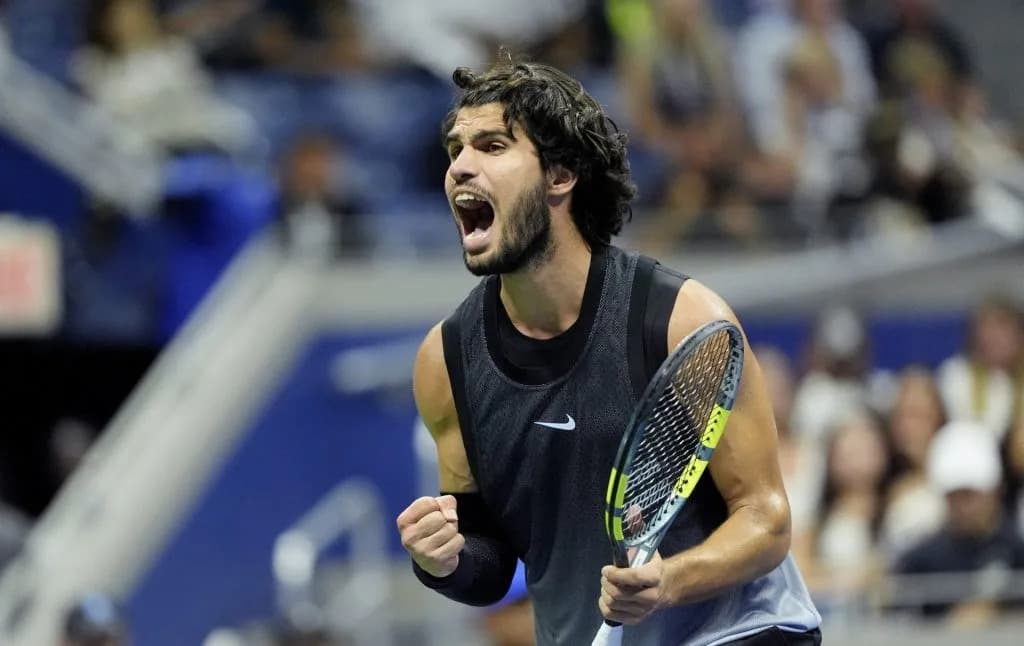
Carlos Alcaraz Urges an End to Matches Ending in the Early Hours
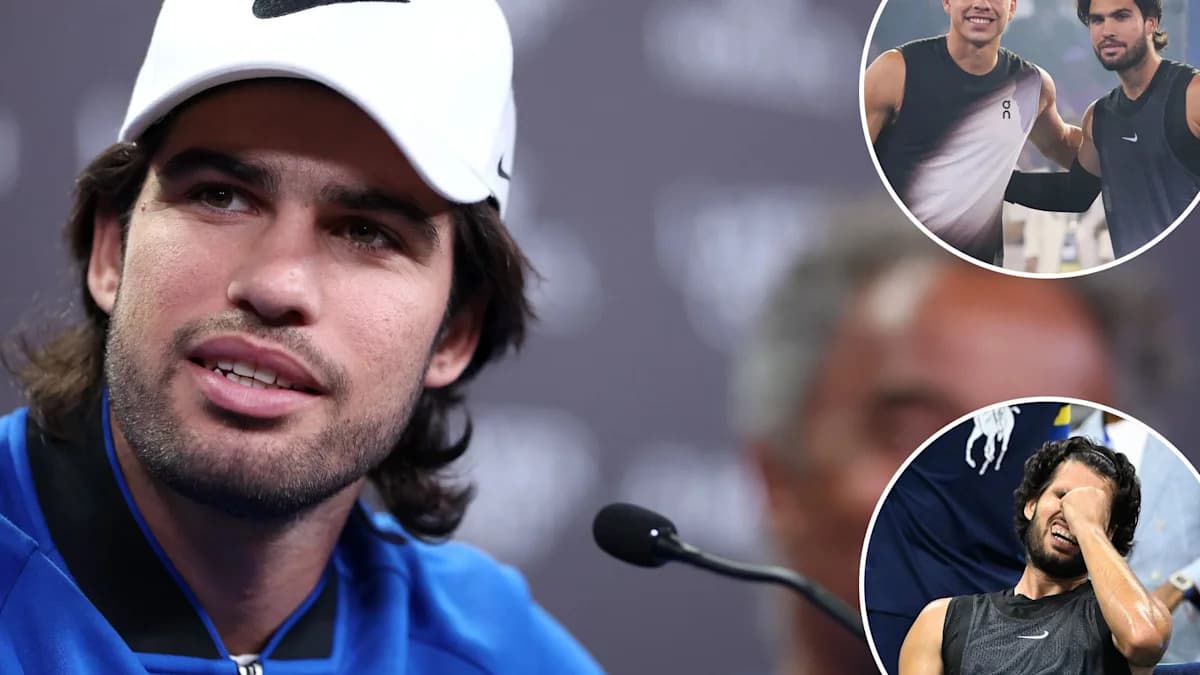
Carlos Alcaraz Criticizes Late US Open Finish After 3:30 a.m. Match
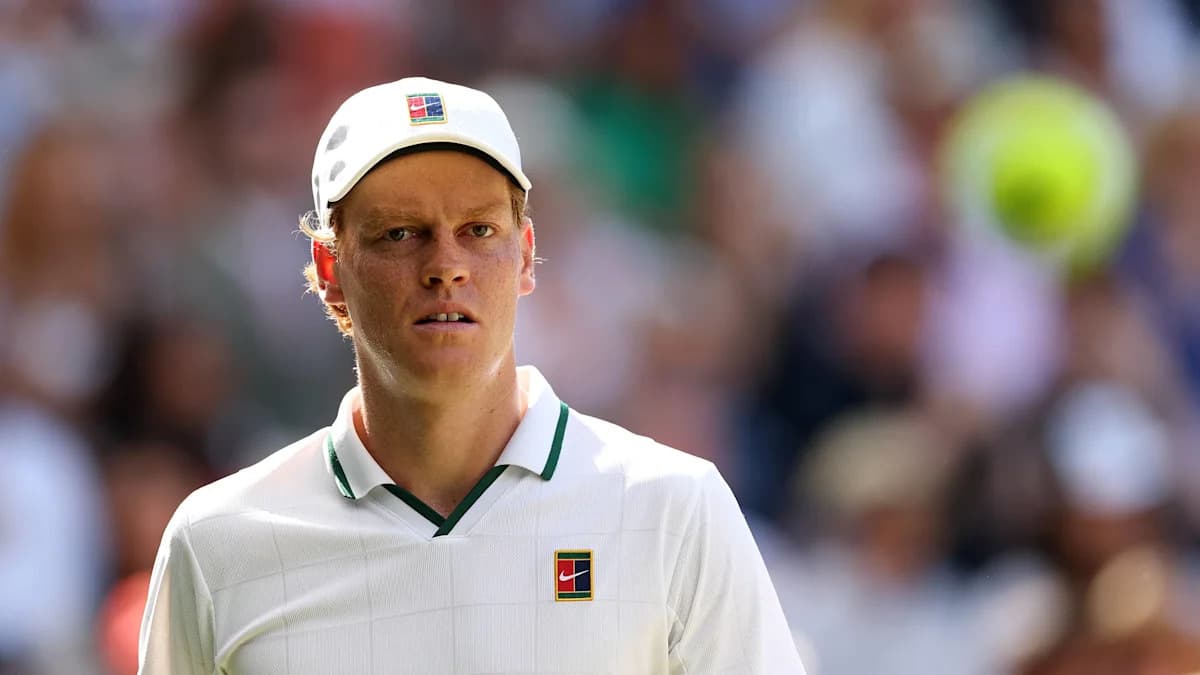
Jannik Sinner Set for ATP 500 Return in Beijing with Novak Djokovic Also Competing

Meet Iva Jovic: The American Tennis Prospect Making Waves
Flavio Cobolli Shares Insights on Practice Session with Jannik Sinner Ahead of Comeback

Till vs Romero: Fight Details, Undercard, and Viewing Info for This Weekend