
England Falters as Messi Leads Argentina into World Cup Final
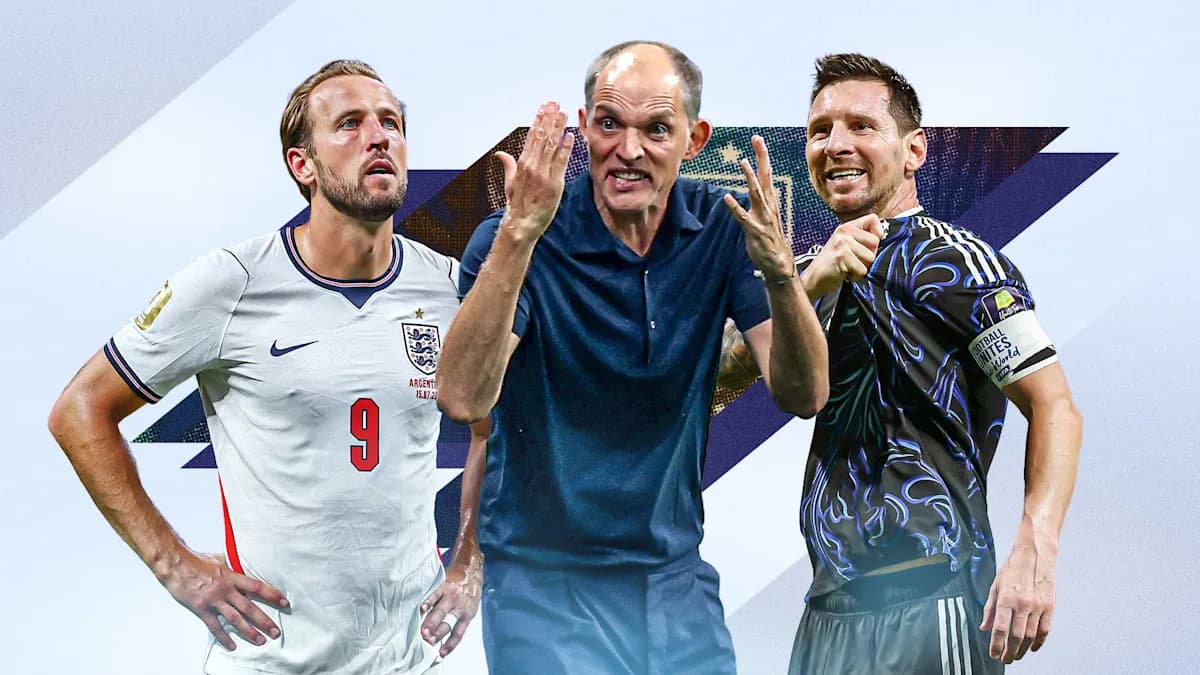
For about 80 minutes, England matched Argentina blow for blow, holding a narrow 1-0 lead over the defending champions. A spot in their first World Cup final since 1966 seemed within reach for the Three Lions. Then, decisions by manager Thomas Tuchel shifted the momentum, allowing Lionel Messi and Argentina to snatch victory.
After replacing goal-scorer Anthony Gordon with Ezri Konsa, Tuchel added two more defenders, aiming to protect the lead. England retreated, trying to contain Messi, arguably the best creative player in the world, but their defensive stance failed to keep Argentina at bay.
Argentina summoned the sense of destiny that has accompanied their tournament run and scored twice in the last five minutes. This crushed England’s hopes despite their strong performance and a game they likely should have won.
"We were just not active enough in any structure," Tuchel said after the match. "We didn’t find any duels, any activity, we couldn’t get close anymore. We struggled to defend crosses."
The match was tense and physical, with neither side taking shots for the first 30 minutes. The turning point came ten minutes into the second half when Gordon converted Morgan Rogers’ cross, putting England ahead. It looked like a moment to seize control against an opponent that could be outplayed.
Instead, England withdrew. Even before switching to a back five—a formation that had previously helped them resist pressure—they lost control. Argentina’s Enzo Fernandez and Lautaro Martinez, assisted by Messi, turned the tide and kept Argentina undefeated in World Cup semi-finals.
England’s players could only offer subdued applause as the chance slipped away, and much of the blame falls on their own choices.
Winners and Losers
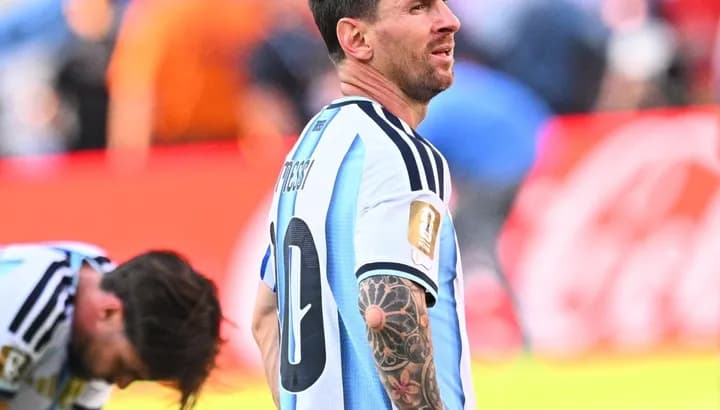
Messi didn’t make a significant impact for much of the match. He hovered around the edges, with a few clever touches and one spectacular foul drawn from Elliot Anderson. But when England parked the bus, Messi found space and time to influence the game. His first assist was a perfectly weighted pass to Fernandez near the box; the second was a classic display of skill—a shoulder drop, change of pace, and a delicate floated ball that Martinez headed in.
"He’s obviously one of the best players ever for a reason," said England captain Harry Kane. "It was disappointing to give up the space we did. In those final 20 minutes, it allowed him and others to grow confident and create dangerous chances. In the end, it was too much for us to stop."
This could be Messi’s final major tournament, yet at 39, he showed he still has what it takes to deliver on the biggest stage. He now has a chance to win the World Cup again against Spain.
England often falter when they need to hold steady or take the final step, and Tuchel was supposed to be the man to fix that. Instead, his cautious tactics backfired. There’s nothing wrong with defending a lead, but Tuchel’s choice to bunker down came too early.
His defensive changes began after 72 minutes with Konsa replacing Gordon and switching to a back five. Dan Burn and Nico O'Reilly joined later. Argentina dominated possession—88% between the goal and Lautaro’s winner—and relentlessly pressured England’s defense.
"As soon as you lose, you get criticised... I take the criticism, that’s just the way it is," Tuchel remarked.
The Football Association reportedly supports Tuchel through Euro 2028, yet he must accept responsibility for this painful defeat.
On the other side, Argentina’s coach never lost faith. As Tuchel went defensive, Scaloni introduced attacking players. He replaced Leandro Paredes—the team’s best player for an hour—with Nico Gonzalez, a more direct goal threat. Rodrigo De Paul came on to exploit England’s weak left flank.
"There was blood in the water, and we went for it," Scaloni said after the match.
Argentina’s approach centers on getting the ball to Messi, but the surrounding structure shifts fluidly. The team rallies behind Messi and each other, making them a formidable force. Scaloni, heading toward four tournament wins since 2021, orchestrates this collective spirit well.
"It’s a show of the collectiveness of the brotherhood we are in; we fight to the very end. We’re well aware of how special this team is," he added.
This match wasn’t kind to Kane. Despite his 70+ goals for club and country this season, he struggled to impact the game. England needed a forward to push up and offer an outlet, but Kane was pulled into midfield battles. He took just one shot—a long-range effort blocked—and had only 26 touches, none inside Argentina’s box.
With a home European Championship ahead that could mark the perfect farewell, there’s speculation this might be Kane’s last World Cup. He denied it but missed a major chance to shine on this stage. He might still aim for the Golden Boot in Saturday’s third-place match against France, but the opportunity for a Ballon d’Or looks slimmer now, especially with Messi and rising star Lamine Yamal vying for top honors.
Argentina’s path to the final was narrow but persistent. They edged past Cape Verde and Switzerland in extra time and rallied from behind against Egypt and England. Scaloni described a belief and destiny driving the squad. Their resilience recalls Qatar’s tournament, where they twice lost leads but advanced via penalties, including winning the final.
This team relies on belief, Messi’s brilliance, and a strong camaraderie. They believe they can claim a second consecutive World Cup, now facing Spain in the final.
Tuchel approaches football with pragmatism, but some challenges transcend tactics. After conceding, he noted Argentina played with renewed energy while England shrank back. Kane said, "We struggled to keep momentum. We did so well for 60 minutes, deserved the lead, but then couldn’t keep the ball."
England appears to have a mental block in crucial moments, seen in recent finals and semi-finals where they led but lost. Since 1998, they have faced top-10 ranked teams at World Cups seven times and lost every match. Though Tuchel’s choices contributed to their exit, the deeper issue seems to be an ongoing inferiority complex that resists resolution regardless of leadership.
Related News

FIFA Opens New Football Arenas in Palestine to Support Youth in the West Bank
FIFA World Cup 2026: Complete List of Commentators and Presenters
World Cup 2026 Best XI: Messi, Rodri, Mbappe Lead the Team of the Tournament
Spain's Tactical Mastery Secures Second World Cup Victory in 2026
Top 10 Players of the 2026 World Cup: Mbappe or Messi at the Summit?
Gianni Infantino Responds to Critics Amid 2026 World Cup Celebrations