
England's Second-Best World Cup Journey: A Closer Look
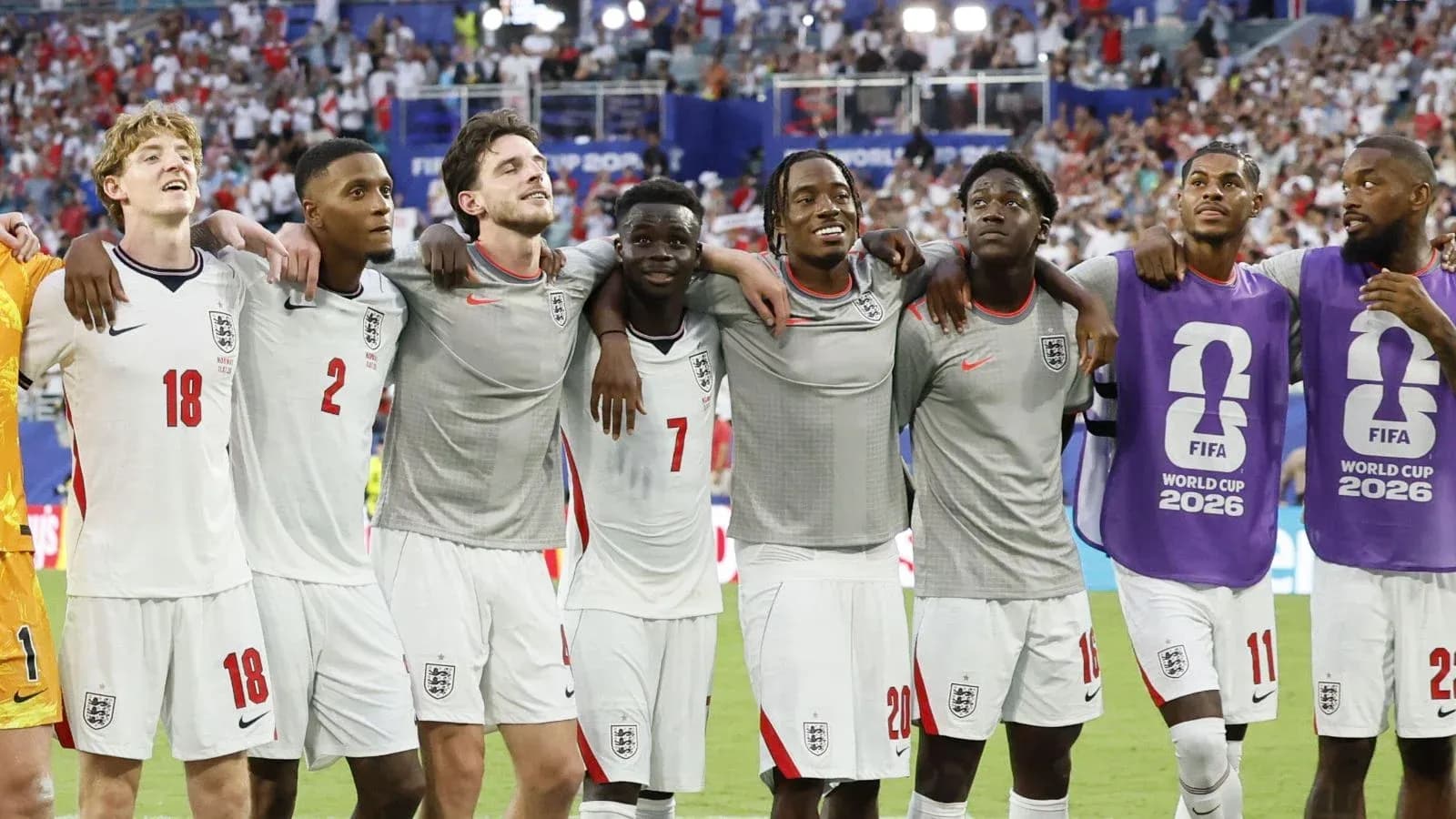
It still probably isn’t coming home.
That’s the hard edge to all of this. Strip away the songs, the montages and the collective bargaining with fate, and the numbers lean heavily towards England finishing fourth after defeats to Argentina and France rather than lifting the trophy after beating Argentina and Spain.
Yet, almost regardless of what happens in Atlanta, this is already England’s second-best men’s World Cup. That feels like it has slipped through the cracks of the conversation. For a country that can turn a group-stage draw into a national inquest, that’s quite something.
This was a squad that smelt strongly of the classic England World Cup run: a laboured group, a quarter-final exit, a designated villain to carry the guilt for the next decade. They have already torn that script up.
It has not been smooth. It rarely is. There have been long spells when England looked stodgy, predictable, trapped in their own caution. But that is the story of this World Cup for almost everyone. Spain were dreadful against Cape Verde. France were rancid for an hour against Senegal and for the whole of their semi-final. You remember England’s lulls more clearly because you live inside the noise. Because you are English in England, or Scottish in Scotland, or – for the truly cursed – Scottish in England.
The scrutiny distorts everything. It makes the merely ordinary feel like a crisis.
Look at the basics. England have never sunk to the depths Spain plumbed in that Cape Verde game. Only on occasion have they been as listless as France were in those grim, joyless hours. Argentina, for all the talk of destiny and Lionel Messi’s last dance, have walked a far more forgiving knockout path than England. They have been fortunate; England have had to be resilient.
Only a genuine humiliation against Messi and company can really alter the legacy of this campaign now. And England, historically, do not do genuine humiliations at major tournaments. They lose, yes. They underachieve, certainly. They stumble against teams they should beat. But they are almost never thrashed.
Ignore the third-place play-off, as any sensible person does. It is a televised hallucination, not a real game. Take that out and England have lost just one major tournament match by more than a single goal since 1988. One.
That, when you stop and really think about it, is extraordinary. Across more than three decades, across 17 tournaments for which they qualified in that span, across golden generations and false dawns, only once have they been properly taken apart, the defeat obvious long before the final whistle.
Even that day came with a caveat burned into the national memory. Germany were miles better in that last-16 tie. They outclassed England, outpassed them, outran them. Yet it should still have been 2-2 at half-time, but for one of the most notorious officiating errors the sport has seen. That moment, in its own way, helped push football down the path towards goal-line technology and VAR, a road the game is still stumbling along now.
So the record stands: England almost never get humiliated. They rarely go deep, but they almost always go down swinging.
And yet this still doesn’t quite feel like England’s second-best World Cup, does it? You don’t hear it said. You don’t feel the weight of that achievement in the air. Objectively, though, it is. Reaching a semi-final outside your own confederation is a higher bar than doing it at home or on familiar continental soil. This is the furthest England have ever gone in a World Cup outside Europe. That matters.
Into this slips another familiar subplot: Scottish schadenfreude dressed up as analysis. Four straight tournaments ending with England still standing and Scotland already home will do strange things to a football nation’s psyche. The complaints this time focus on the draw.
The argument runs like this: Scotland had Brazil and Morocco in their group; England had nobody of that calibre. Therefore, England’s run is cushioned, their path soft, their achievement inflated.
There is a kernel of truth and a barrel of misunderstanding. Scotland were indeed unlucky to land both Brazil and Morocco. No question. But that is the life of a team in the lower pots. You are more likely to share a group with the heavyweights. That’s not conspiracy; that’s arithmetic.
The seeded teams who pull another top-10 nation in their group, as Brazil did, are the ones who can really claim misfortune. The more common outcome is exactly what England got: no other top-10 side in the group.
And here is the twist that tends to get lost. At the time of the draw, Croatia were ranked 10th in the world. They were the danger in England’s group. From pot three, Panama were the highest-ranked team England could possibly face. Only Norway sat above them in those same FIFA rankings – and Norway could not be drawn with both England and Croatia anyway.
So the supposedly soft path is, in truth, little more than a quirk of perception and a convenient stick with which to beat England. The fact they have not faced a side officially in the top 10 is being treated as damning. Yet Croatia are clearly operating at that level. Mexico, in the Azteca, are a top-10 test in all but name. And nobody can seriously argue that there are 10 better international sides than Norway right now.
The real story is that England have had almost exactly the route a seeded team would expect. No trapdoor opening in the bracket. No miraculous collapse of giants to clear the road. They topped their group, as they were supposed to, and were rewarded with a third-placed side in the last 32. They met Mexico, as the bracket broadly suggested, in the last 16.
If anything, the most startling result on their side of the draw came when Norway simply outplayed Brazil. No fluke, no refereeing circus, just a better-organised, more coherent team winning a football match. In a knockout tree that has delivered the top four seeds to the semi-finals, that counts as one of the few genuine jolts, on a par with Paraguay dragging Germany into farce.
So here England stand. Two games from immortality, one from another familiar kind of heartbreak.
To win this thing, they must go through Argentina’s tournament-hardened defiance and Spain’s club-level cohesion. Back to back. That is a brutal ask. The odds do not care for romance.
Yet even if it ends in defeat, it will be a failure of a different kind. A higher failure. The most glorious of any England failure in 60 years of hurt, because it comes deeper in the tournament, further from home, against a field that has not obligingly fallen apart around them.
Maybe it still won’t come home. But it has come further than almost anyone was prepared to admit. And if this is what failure looks like now, what does that say about where England might be heading next?
Related News
India's Record Chase of 406 Against West Indies Highlighted by Gill's 223 and Rohit's Century

Alex Pereira Hints at Major UFC Bout: 'Big Challenge' Ahead

Three Hall of Famers, Ten Fights, 109 Rounds: The Forgotten Rivalry That Shaped Lightweight Boxing's Golden Era

Khamzat Chimaev and Colby Covington Set for RAF Abu Dhabi Title Clash in November
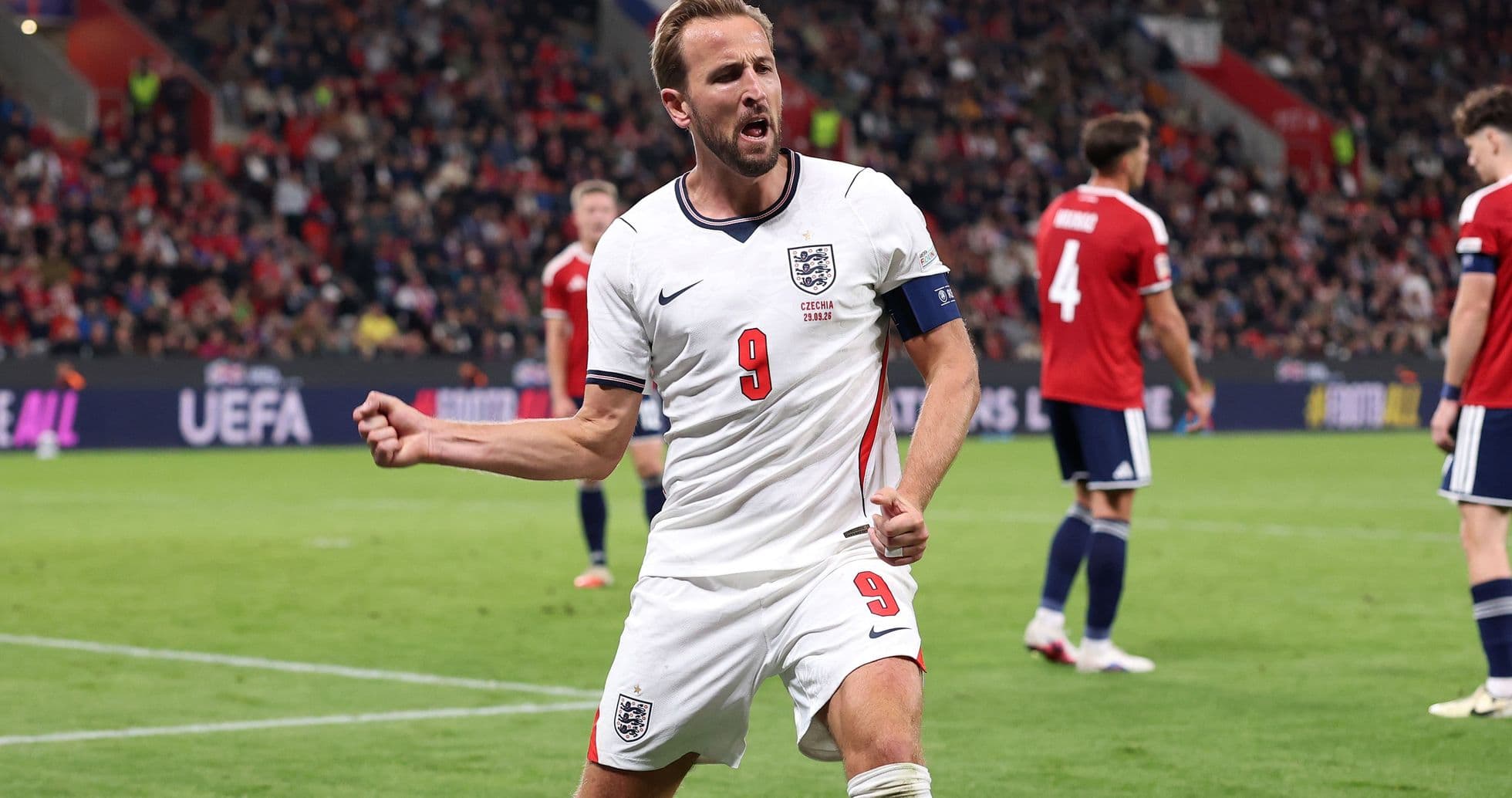
Thomas Tuchel Confident Harry Kane Will Join 100-Goal Club for England Soon

Cristiano Ronaldo Vows to Reveal Truth After Leaving Portugal Squad Amid Conflict