
England’s World Cup Heartbreak: A Nation Stopped in Its Tracks
England’s World Cup heartbreak against Argentina did not just grip a nation. It practically stopped it.
On Wednesday night, a peak audience of 24 million watched Argentina knock England out of the FIFA World Cup semi-final across BBC One and BBC iPlayer, handing the broadcaster an extraordinary 85% share of all TV viewing. For a few fraught hours, almost everyone with a screen seemed to be in the same place, watching the same story unravel.
It was the most-watched live television moment of the year on any channel in the UK, and the biggest live TV audience for a single broadcaster since the Euro 2020 final between Italy and England in 2021. Another seismic night, another English defeat, another number etched into the country’s broadcasting history.
The match itself, a tense, draining knockout tie, averaged 22.1 million viewers across BBC One and BBC iPlayer as the country waited to see whether Thomas Tuchel’s England could drag themselves into a World Cup final. Hope swelled, then snapped. The audience never looked away.
The digital numbers tell the same story of obsession.
The semi-final was streamed 12.6 million times across BBC iPlayer, the BBC Sport website and the BBC Sport app, as fans followed every twist of a game that ended with England on the floor and Argentina marching on. For many, the experience had to be as sharp as the emotion. More than 2.8 million UHD streams were recorded, with a record-breaking 1.8 million concurrent UHD streams, a clear sign that fans now expect the highest quality picture when the stakes are at their highest.
The BBC Sport live coverage page became its own stadium. It was viewed more than 24.6 million times globally, including 18.8 million views in the UK alone, as supporters tracked live text, analysis and reaction deep into the night. Phones were refreshed as often as pulses were checked.
Innovation sat alongside tradition. The BBC’s second-screen 3D experience, still a relatively new toy in the broadcaster’s box, was used 192,000 times during England v Argentina and 4.6 million times across the tournament so far. Fans no longer just watch; they lean into the match from every angle they can find.
Away from the live pictures, Football Daily has quietly become one of the tournament’s breakout hits. The show has generated more than 5 million streams, including over 3 million views of the visualised podcast on BBC iPlayer. It is a sharp reminder that audiences are not only arriving for the 90 minutes. They want context, arguments, storytelling – the pieces that glue a tournament together between kick-offs.
On social media, the scale is just as staggering. BBC Sport attracted 75 million video views on Wednesday 15 July alone, part of a colossal 2.25 billion video views across the tournament so far. The World Cup conversation no longer lives just on the sofa; it runs through timelines, group chats and endless clips replayed on phones.
Now comes the final act.
The 2026 FIFA World Cup Final, Spain v Argentina, will be shown live on BBC One and BBC iPlayer this Sunday 19 July, with Gabby Logan, Wayne Rooney, Micah Richards and Joe Hart presenting from inside the New York New Jersey Stadium. Guy Mowbray and Alan Shearer will be on commentary for what promises to be a historic night, as Argentina chase the title and Spain look to rip it from their grasp.
Viewers can watch the full FIFA World Cup 2026 half-time show live on BBC One and BBC iPlayer, with expert analysis and reaction from the BBC punditry team before and after the performance. For those on the move or wedded to radio tradition, live audio commentary will be available on BBC Radio 5 Live and BBC Sounds, with Kelly Cates leading the build-up from inside the stadium from 6.45pm, ahead of an 8pm kick-off.
England’s story in this World Cup is not quite over either. They face France in the third-place match on Saturday 18 July. Jason Mohammad will present coverage live on BBC One and BBC iPlayer from 9.30pm, with live audio commentary on BBC Radio 5 Live and BBC Sounds from 10pm. For many, it will feel like a consolation. For the players, it is one last chance to leave a mark.
Throughout the weekend, fans can stay locked in via the BBC Sport website and app, with live coverage pages, the 3D experience and rolling reaction carrying them through to the final whistle of the tournament.
Reflecting on the semi-final and the scale of the audience, BBC Director of Sport Alex Kay-Jelski underlined what nights like this still mean in a fragmented media age. He spoke of an occasion that “united millions across the UK in support of the team,” a semi-final that “captured the emotion, drama and pride that football can deliver.”
Kay-Jelski highlighted how audiences have turned to the BBC “not just for the live matches, but to share in the stories, the analysis and the moments that bring the nation together,” pointing to the “extraordinary reach” across TV, iPlayer, BBC Sounds, the BBC Sport website, app and social channels as proof that major sporting events still create “shared experiences on a remarkable scale.”
He stressed the pride inside the corporation at having “been alongside audiences throughout England's World Cup journey, bringing every moment to fans across the UK,” and made one thing clear: although England’s campaign is over, the World Cup itself is still building towards its crescendo.
Sunday’s final, as Kay-Jelski put it, “promises to be another unforgettable occasion” – one more night when millions will gather around screens to see whether Argentina or Spain leave New York New Jersey Stadium as world champions.
Related News
India's Record Chase of 406 Against West Indies Highlighted by Gill's 223 and Rohit's Century
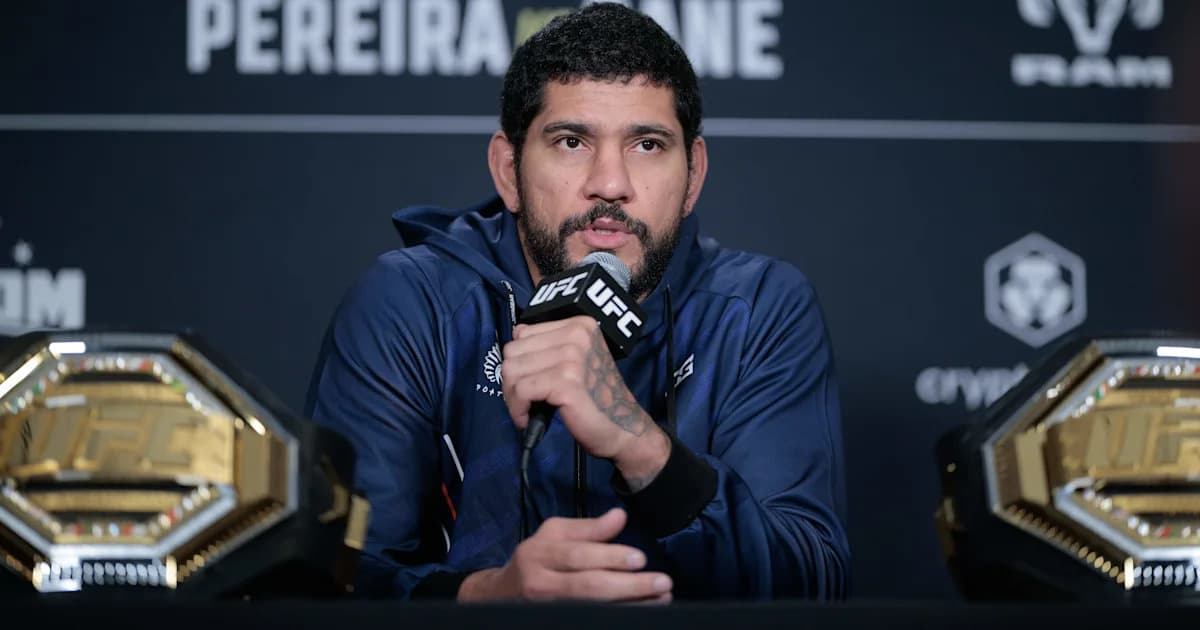
Alex Pereira Hints at Major UFC Bout: 'Big Challenge' Ahead
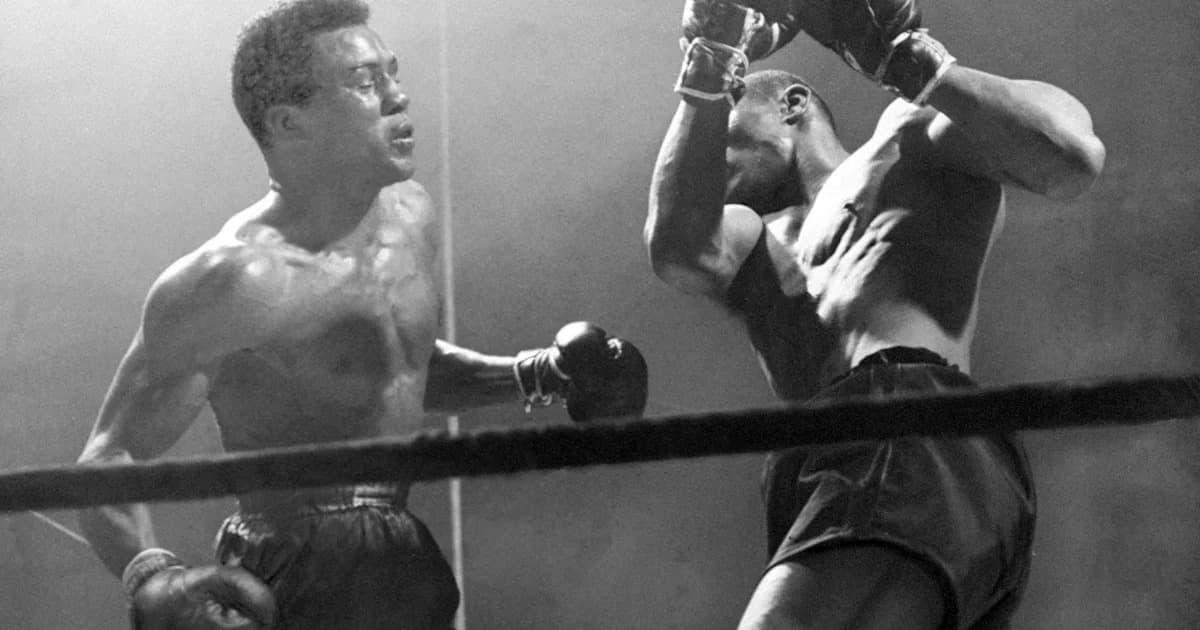
Three Hall of Famers, Ten Fights, 109 Rounds: The Forgotten Rivalry That Shaped Lightweight Boxing's Golden Era
Khamzat Chimaev and Colby Covington Set for RAF Abu Dhabi Title Clash in November
Thomas Tuchel Confident Harry Kane Will Join 100-Goal Club for England Soon
Cristiano Ronaldo Vows to Reveal Truth After Leaving Portugal Squad Amid Conflict