
England's World Cup Ends in Atlanta – Tuchel Eyes Euro 2028
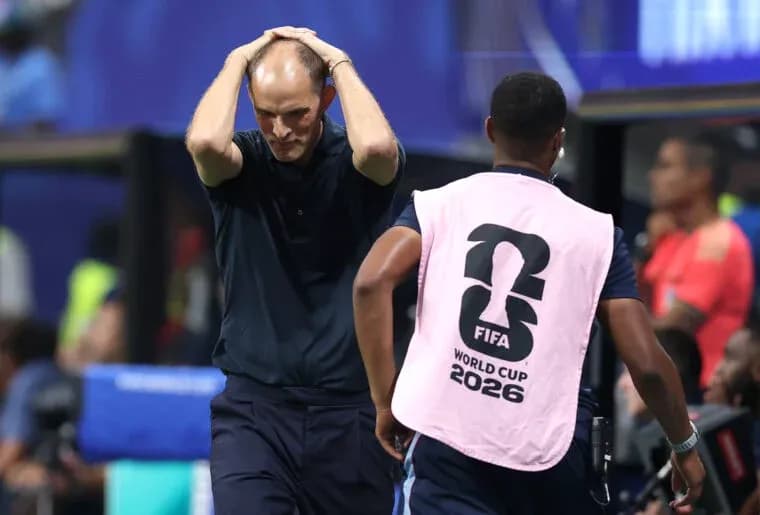
England’s World Cup ended not with a roar, but with a long, hollow silence in Atlanta.
A 2-1 defeat to Argentina at the Atlanta Stadium on Wednesday shut the door on a place in the final, a door England had spent a month kicking at with growing conviction. Anthony Gordon’s 55th-minute strike had them reaching for it again, fingers on the handle, half a nation already imagining the next chapter.
They never got to open it.
Gordon’s Breakthrough, Tuchel’s Backlash
When Gordon slid England in front, it felt like the moment this campaign had been building towards. One of the tournament favourites, a side that had arrived with expectation and, crucially, had not buckled under it.
Then came the turn.
Thomas Tuchel, a coach whose reputation has been built on control and structure, chose to protect what he had. England dropped deeper. The lines compressed. The initiative, once firmly in their grasp, started to slip away.
Argentina did what Argentina do. They pushed, probed, and eventually punished. As the game tilted, the criticism began to write itself. By the final whistle, Tuchel’s cautious approach after the breakthrough had become the central argument in every living room and studio debate.
He felt the heat from fans. He felt it from pundits. This was not the swashbuckling, front-foot finale many believed this England side was ready to deliver.
FA Stands Firm Behind Tuchel
The reaction was fierce, but it has not shaken the foundations at the Football Association.
According to BBC Sport, Tuchel retains the full backing of the FA and is expected to lead England into Euro 2028. The German’s position, despite the disappointment of a semi-final exit, is not under threat.
Tuchel, 52, arrived in January 2025 on a deal designed to carry him through to this World Cup. By February, his employers had already seen enough to commit further, handing him a two-year extension that runs through to Euro 2028.
The message is clear: one painful night in Atlanta will not derail a long-term plan.
A Campaign That Swung Between Swagger and Strain
England did not sneak into the latter stages of this tournament. They announced themselves.
They opened with a statement, dismantling Croatia 4-2 in a game that showcased their attacking depth and justified the pre-tournament billing. The performance crackled with energy and intent. It looked like the launchpad for something serious.
Then the turbulence hit.
Against Ghana and Panama, the shine dulled. The results were there, but the performances frayed. Control slipped. Rhythm stuttered. The questions around Tuchel’s system and selections began to surface, even as England kept moving forward.
The knockout rounds changed the mood again.
They handled DR Congo, then delivered one of the standout displays of the tournament at the Estadio Azteca, producing a masterclass to beat Mexico in a memorable, high-stakes tie. That was Tuchel at his best: detailed, disciplined, and devastating in transition.
Norway posed a different kind of problem, awkward and stubborn. England handled that too, coming through with authority when it mattered. By the time they stepped out against Argentina, this felt like a team that had grown into the World Cup rather than been exposed by it.
A Semi-Final That Slipped Away
For 55 minutes in Atlanta, the script held.
Gordon’s goal put England on course, the kind of nerveless finish that belongs in highlight reels and montages of what might have been. At that moment, the final was not a dream. It was a destination, visible on the horizon.
Then the shape of the game shifted. England retreated. Argentina advanced. The contest moved from England’s terms to Argentina’s.
The pressure told. The lead vanished. The chance to play for the biggest prize in the sport went with it.
The post-mortem will dwell on that tactical turn, on whether Tuchel blinked when he needed to be bold. The margins at this level are thin; England found themselves on the wrong side of them at the worst possible time.
Eyes on Euro 2028
Strip away the rawness of the exit, and the picture is more complex.
England came as contenders. They played like contenders. They fell one step short of the final, but not of their status among the elite. Tuchel’s tenure has already been extended, his mandate stretching to Euro 2028, where he will be judged not just on style, but on silverware.
The World Cup has shown both the ceiling and the flaws of this England side. The talent is real. The progress is tangible. The question now is simple and unforgiving.
Can Tuchel turn nights like Atlanta from regret into a lesson that finally delivers a trophy on home soil at Euro 2028?
Related News
India's Record Chase of 406 Against West Indies Highlighted by Gill's 223 and Rohit's Century
Alex Pereira Hints at Major UFC Bout: 'Big Challenge' Ahead
Three Hall of Famers, Ten Fights, 109 Rounds: The Forgotten Rivalry That Shaped Lightweight Boxing's Golden Era
Khamzat Chimaev and Colby Covington Set for RAF Abu Dhabi Title Clash in November
Thomas Tuchel Confident Harry Kane Will Join 100-Goal Club for England Soon
Cristiano Ronaldo Vows to Reveal Truth After Leaving Portugal Squad Amid Conflict