
Enzo Maresca's Challenge: Closing the Gap to Arsenal

Enzo Maresca arrived at Wembley talking about “closing the gap” to Arsenal. By full-time, the gap looked more like a chasm running straight through the middle of his Manchester City side.
Arsenal did not just win the Community Shield. They pulled City apart. A 3-0 defeat laid bare a team that looked disorganised at the back, flimsy in midfield and strangely leaderless. With less than a week until their Premier League title defence begins, the champions look anything but ready.
A plan exposed
Maresca insists he knows what City need. “We have it quite clear what we need to do, and for sure we are going to do something before the transfer window closes,” he said afterwards. Hours later, confirmation arrived that Rodri is leaving for Barcelona.
That was not the “something” he had in mind.
Rodri’s departure rips out the brain and heartbeat of City’s midfield. Arsenal wasted no time exploiting the void. Their three goals from open play were all well-constructed, all ruthlessly taken, and all built on City’s inability to control the centre of the pitch.
City actually had more of the ball and far more of it in dangerous areas. They completed around 200 more passes in Arsenal’s half. It meant nothing. One big chance created, four conceded. Erling Haaland, rusty from his post-World Cup break, squandered City’s only clear opening.
The numbers say City dominated territory. The reality was they never dominated anything that mattered.
Disconnected and disjointed
Maresca’s blueprint is clear: a 3-2 shape in build-up, midfielders rotating, full-backs stepping inside, control through structure. On Sunday, that structure fell apart.
Mateo Kovacic, tasked as the central rotator, never truly knitted play together. Nico O'Reilly, pushed into midfield to help form the manager’s preferred pattern, simply left gaps. Big ones. Noni Madueke repeatedly charged into the spaces O'Reilly vacated. At times Ben White looked like a winger, such was the freedom Arsenal enjoyed down that flank.
O'Reilly, talented and brave on the ball, was swallowed up by Arsenal’s midfield enforcers. The 21-year-old has the tools to grow into a hybrid role, but he is not yet Bernardo Silva. He is certainly not Rodri.
The problem was not just personnel. It was the way the units operated in isolation. Defence, midfield, attack – all on different wavelengths. City’s XI was loaded with creators and scorers, but none imposed themselves. They moved the ball, but not the opposition.
High line, low resistance
When Arsenal did commit bodies forward, City’s defensive approach bordered on reckless. A high line, a passive press, and no one willing to step out and confront the ball. It felt like an invitation.
Martin Odegaard accepted. With time and space to pick his spot, he clipped a precise cross into the box. Christos Tzolis cushioned it and Kai Havertz finished. It looked simple because City made it simple.
Maresca has faced this accusation before. At Chelsea, he drew criticism for pairing a high defensive line with insufficient pressure on the ball. In the Premier League, that combination is a trap waiting to be sprung. Arsenal did not wait long.
Transfer questions, midfield answers?
City’s hierarchy trust Maresca. One bruising afternoon at Wembley will not shake that. But it should trigger some hard questions.
Does he have the players to execute his system? On this evidence, not yet.
The transfer window closes on September 1, and the to-do list is growing. Enzo Fernandez remains a live target. He divides opinion, and some of his own supporters booed him at the weekend, but Maresca knows him well from their time together at Chelsea. That familiarity matters.
He is not a Rodri replacement. No one is. But Fernandez does bring two qualities City sorely lacked against Arsenal: goals and guile from midfield. He is combative, sometimes to his detriment, yet that edge is exactly what City’s lightweight core cried out for as Arsenal seized total control.
Tijjani Reijnders is expected to move on, which strips away another option and heaps more responsibility on young shoulders. Elliot Anderson is 23. Key target Ayyoub Bouaddi is only 18. Kovacic, at 32, sits on the far side of his prime. The blend is off. The balance is fragile.
Time, but not too much
Some of this, undeniably, is rust. Haaland, Anderson and O'Reilly only returned from their post-World Cup breaks days before the game. Their lack of sharpness showed. Haaland will sharpen. Anderson will learn how to anchor a midfield with more protection around him. A back four that looked misshapen will gain cohesion with work on the training ground and a clearer grasp of pressing distances in Maresca’s system.
And City will not face Arsenal every week.
Yet that is precisely the point nagging in the background. Maresca spoke about closing the gap to Arsenal. On Sunday’s evidence, it is widening. The champions were not just beaten; they were out-thought, out-fought and out-organised.
He has three and a half months to digest this before the sides meet again in late November. Three and a half months to reshape a midfield, rewire a defence and reassert City’s authority in a title race that already feels more hostile than the last.
The performance at Wembley may prove a blessing in disguise – an early, brutal reminder of what this new City cannot yet do, delivered with enough time and financial muscle to fix it.
But the clock is ticking. And if Maresca truly wants to close that gap, he cannot afford many more afternoons like this.
Related News
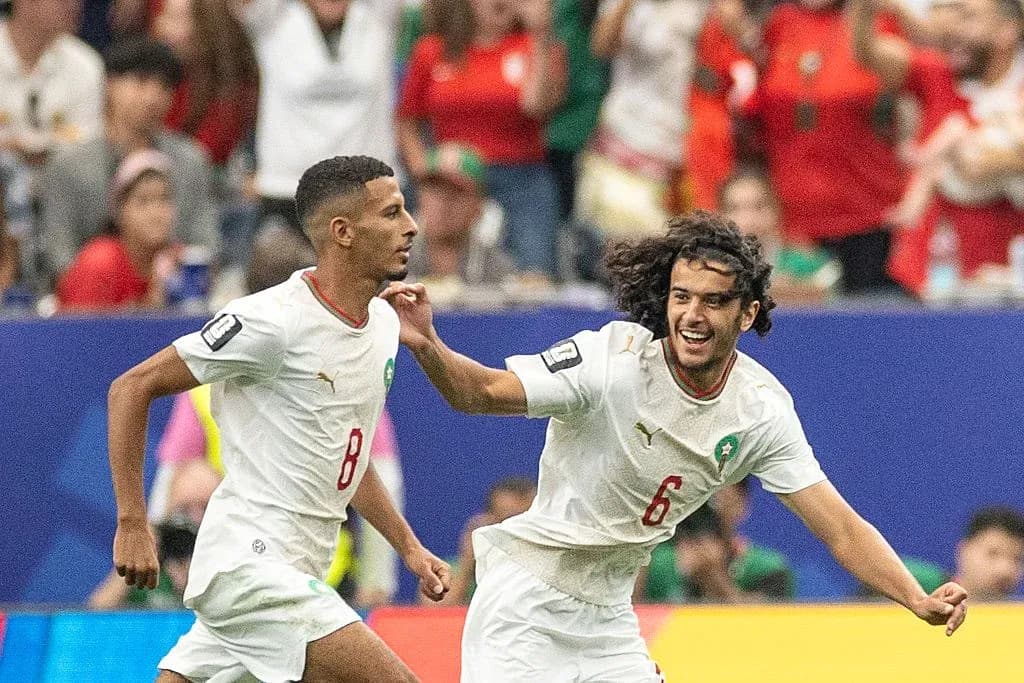
Manchester City Target Lille Star Ayyoub Bouaddi
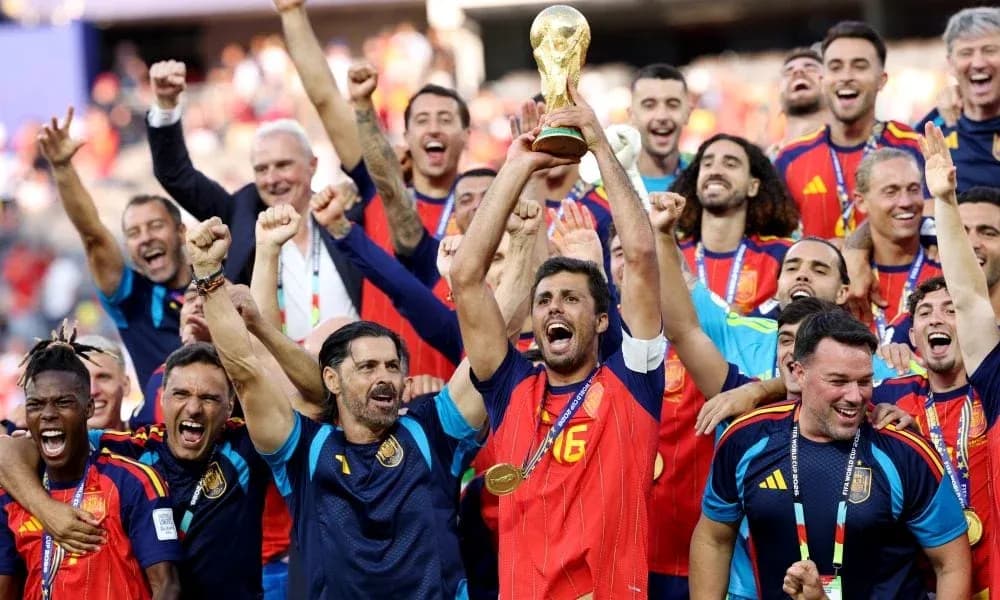
Rodri Joins Barcelona as New Midfield General
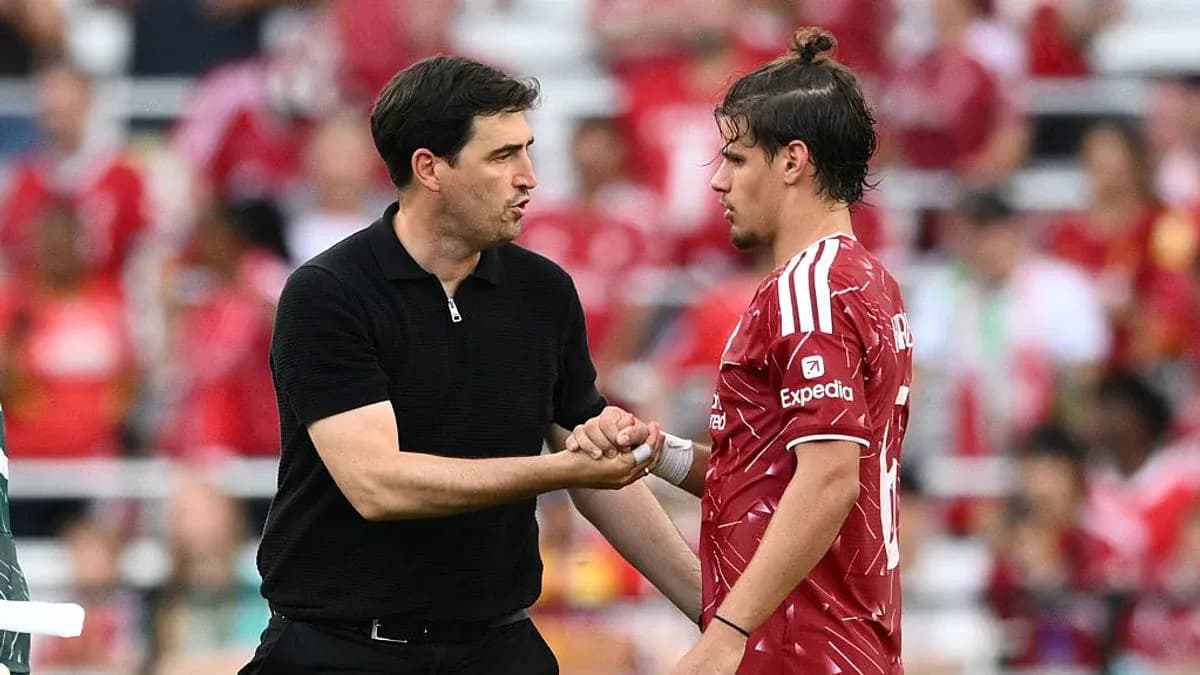
Milos Kerkez Embraces Aggressive Football Under Iraola
Liverpool's Pursuit of Bradley Barcola Gains Momentum
Roma Approaches Rodrigo Mora After Positive Porto Negotiations
Liverpool's £52m Transfer Misfire: A Calamitous Window