
The Evolution of the Champions League: From Berlusconi's Vision to Modern Football
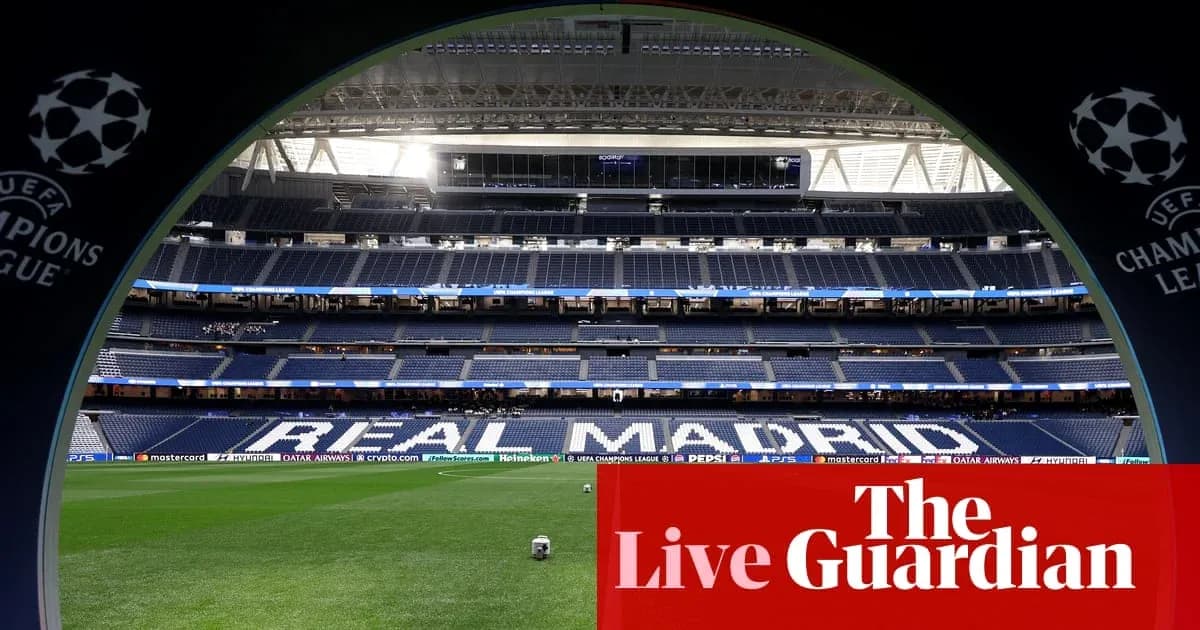
On a September night in 1987, Diego Maradona’s Napoli walked into the white noise of the Bernabéu and were promptly shown the door. La Quinta del Buitre’s Real Madrid won that European Cup first round, first leg 2-0, then dug in for a 1-1 draw at the San Paolo. Napoli were out before the competition had really started, one of the favourites gone in the opening act.
Watching from afar, Silvio Berlusconi seethed. Not just at the loss of a marquee contender, but at the thought of his own AC Milan suffering the same fate. Early elimination meant lost glamour, lost money, lost narrative. So he began pushing an idea that would echo for decades: a European super league, a closed shop for the biggest names.
That specific project never materialised, but the tremor it caused was enough. Uefa blinked. Five years later, the European Cup had been reshaped into the Champions League, the first big structural concession to the demands of the elite.
It still did not satisfy them. It never does. One place per country became two, then three, then four, and now as many as five for the wealthiest leagues. The latest twist, the so‑called Swiss model, completes the Berlusconi logic: more games between the richest clubs, fewer nights when everything can be lost in 90 minutes. Continental football with most of the jeopardy bled out.
Gabriel Hanot, the journalist who first dreamed up a true European competition, would look at this bloated version of his idea and weep. The rest of us? We tune in anyway. Because when the lights come up on Real Madrid v Internazionale, resistance tends to melt.
How could it not? Football keeps undercutting its own critics with spectacle. There is the intrigue of José Mourinho, granted what feels like his latest last chance, trying to conjure the edge and authority that once made him the defining coach of his generation. Across from him stands Cristian Chivu, once his disciple, now newly installed at Inter, the club where Mourinho arguably produced his purest work.
And that is only one strand of the night. In Dortmund, the Yellow Wall will rise again, eager to see more of Konstantinos Karetsas, the 18-year-old midfielder who has burst into life at the Westfalen. Villarreal provide the opposition, but much of the gaze will fall on the teenager and the way he handles this stage.
Elsewhere, the storylines stack up. Porto meet Manchester City, a clash of traditions and budgets that barely need an introduction. Lille face Real Betis, another game that might not sit at the top of the new European hierarchy but still hums with technical quality and tactical nuance.
What any of it truly means in the long arc of the season is anyone’s guess. The format has become so swollen that context often blurs. Yet millions of eyes will still lock on to every feint, every press, every slip, because the promise of a brilliant 90 minutes remains irresistible even when the stakes are dulled.
And this is only half the menu. While Europe’s aristocrats go to work, the domestic calendar refuses to step aside. The League Cup rolls on with its own brand of chaos, floodlit ties kicking off at 7.45pm and 8pm BST, a reminder that not all drama needs a Champions League anthem.
So crack open whatever passes for a matchday ritual now, settle into the sofa, and let the contradictions wash over you. The system may be skewed, the formats contorted, but the ball will roll at 8pm BST in the Champions League – and that, for all the arguments, is still where the night will truly start.
Related News

Mauro Icardi Linked to Everton: A Potential Free-Agent Solution Up Front
Arsenal Faces Travel Disruption Before Champions League Opener in Naples

Aston Villa vs Club Brugge: Champions League Thriller
Wrexham AFC vs Burnley: Championship Clash Under the Lights
Alpha Cisse Shines for Milan but Awaits Italy Senior Call-Up
Harry Kane Leads English Charge for 2026 Men’s Ballon d’Or