
FC Cincinnati II vs Chattanooga: Contrasting Identities in MLS Next Pro
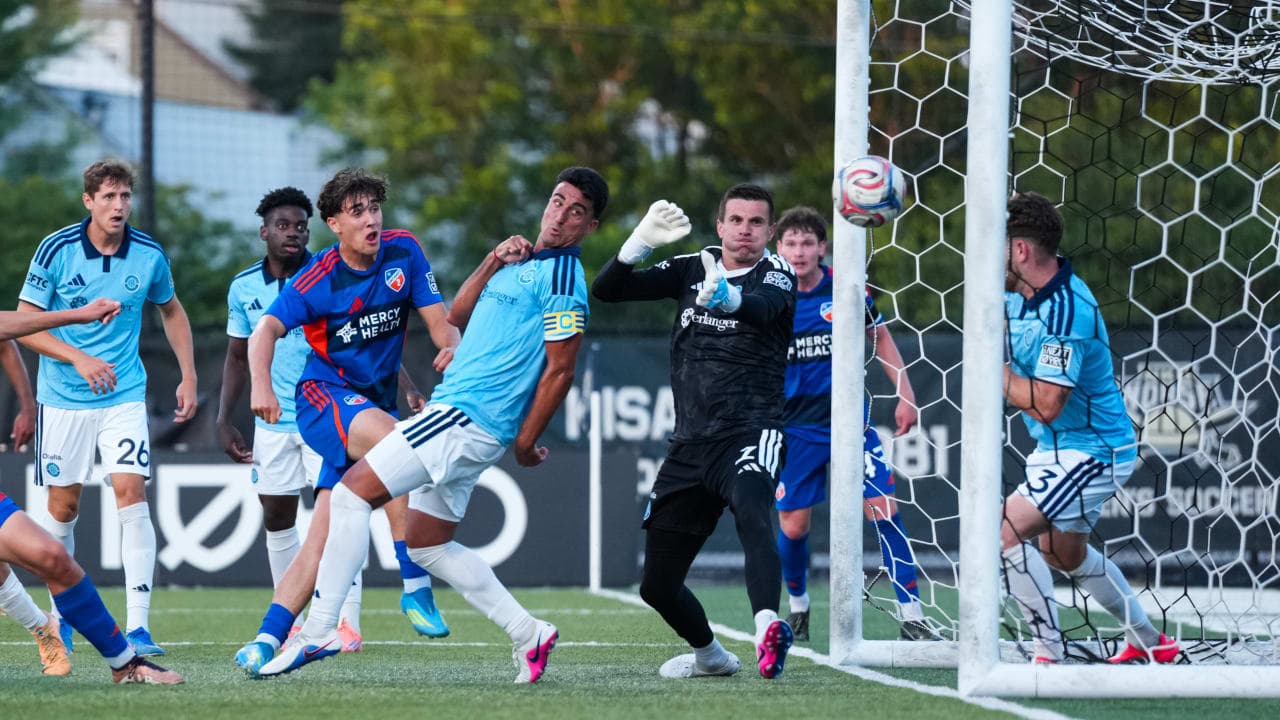
Under the lights of NKU Soccer Stadium, this MLS Next Pro group-stage meeting between FC Cincinnati II and Chattanooga unfolded as a study in contrasting identities. Heading into this game, Cincinnati II were a paradox: formidable at home, fragile everywhere else. On their travels, Chattanooga had been streaky but dangerous, riding a promotion-spot push in the Eastern Conference. Over 90 minutes, Chattanooga’s sharper edge and game management told, racing to a 3–0 half-time lead and ultimately closing out a 3–1 win.
I. The Big Picture: Form, context, and psychological weight
Overall this season, FC Cincinnati II had played 10 matches, winning 3 and losing 7, with 12 goals for and 19 against. The goal difference of -7 underlined a team still learning to manage games, especially once they fall behind. At home, though, their record had been more defiant: 5 fixtures, 3 wins, 2 defeats, 10 goals scored and 7 conceded, averaging 2.0 goals for and 1.4 against. NKU Soccer Stadium was supposed to be their shelter.
Chattanooga arrived with a different kind of tension: a promotion-chasing side with no draws in 10 games, split between 5 wins and 5 defeats. Overall, they had scored 18 and conceded 16, for a positive goal difference of 2. In the Eastern Conference table, they sat 7th, in the slot marked for “Promotion – MLS Next Pro (Play Offs: 1/8-finals)”. Their season had been defined by volatility but also by a higher attacking ceiling, with 1.8 goals scored per match overall and 1.6 on their travels.
This fixture, then, pitted Cincinnati II’s home comfort against Chattanooga’s ruthless, all-or-nothing approach. By half-time, with the visitors 3–0 up, the psychological equation had flipped: Chattanooga’s belief hardened, Cincinnati’s home aura cracked.
II. Tactical Voids and Discipline: The unseen pressures
Officially, there were no listed absences or questionable players, so both coaches had full decks to shuffle. The tactical voids were less about missing personnel and more about structural fragility.
For Cincinnati II, the season-long numbers already hinted at vulnerability without the ball. Overall, they conceded 1.9 goals per match, rising to 2.4 on their travels but still a worrying 1.4 at home. Even in their own stadium, they were not airtight. Their biggest home defeat, a 1–3, foreshadowed exactly the kind of scoreline Chattanooga would replicate by full time.
Disciplinary patterns added another layer. Heading into this game, Cincinnati II’s yellow cards were spread across the 90 minutes, with peaks at 0–15 minutes (21.74%) and 46–60 minutes (21.74%), and a notable late-game cluster at 76–90 minutes (13.04%). More ominously, their only red card of the season had also come in the 76–90 window, at 100.00% of their reds. This suggested a young side prone to emotional and physical fatigue late on.
Chattanooga’s card profile was different: 27.27% of their yellows arrived between 31–45 minutes, with further heavy doses in the 61–75 and 76–90 ranges (both 22.73%). Their red cards were concentrated entirely between 61–75 and 76–90 (50.00% each), underlining how their high-intensity, front-foot style could spill over as matches stretched.
In this match, Chattanooga’s ability to land early blows—3 goals before the break—allowed them to manage that late-game risk. Cincinnati II, often a side that grows frantic as the clock ticks, were forced to chase from a long way back.
III. Key Matchups: Hunter vs Shield, and the Engine Room
Hunter vs Shield
Without individual scoring charts, the “hunter” here is Chattanooga’s collective attack: 18 goals overall, 8 of them on their travels, with an away average of 1.6 goals per match. Against them stood Cincinnati II’s “shield” at home: 7 goals conceded in 5 home games, an average of 1.4.
On paper, that duel was finely balanced. In practice, Chattanooga’s three-goal first half tore through Cincinnati’s defensive structure. The visitors’ season profile—comfortable winning 1–3 away in their biggest road victory—played out almost to script. Cincinnati II, who had previously suffered a 4–0 away loss and a 1–3 home defeat, again showed that once the first line is breached, the defensive block can unravel quickly.
Engine Room
The midfield confrontation was always going to be decisive. Chattanooga’s season suggests a side that wants to play with tempo and verticality, scoring 2.0 goals per match at home and keeping that attacking rhythm on the road. Their lack of clean sheets away (0 in 5) and total of 8 goals conceded on their travels hinted at an open, transition-heavy style.
Cincinnati II’s engine room, anchored by players like D. Hurtado and supported by ball-movers such as M. Sullivan and L. Orejarena, needed to slow the game, protect their back line, and give forwards like M. Vazquez and S. Chirila platforms to attack. Instead, the early Chattanooga surge turned that zone into a reactive space. With the visitors already comfortable protecting leads—failing to score in only 2 of 10 matches overall—they could compress central spaces and invite Cincinnati II into traps.
IV. Statistical Prognosis and What the Result Tells Us
From an Expected Goals perspective, Chattanooga’s season profile suggested they would generate more and better chances: 1.8 goals per match overall versus Cincinnati II’s 1.2. Defensively, Chattanooga were marginally tighter, conceding 1.7 goals per match overall compared to Cincinnati II’s 1.9. The combination pointed toward a narrow Chattanooga edge, especially if the game opened up.
Following this result, the numbers and narrative align. Chattanooga’s positive goal difference of 2 and their 16 points from 10 matches now look less like volatility and more like a team capable of managing decisive moments. Their 5 wins, split between home and away, show a side that can travel, absorb pressure, and still punch with authority.
For Cincinnati II, this 1–3 home defeat reinforces a harsh truth: their identity as home specialists is fragile. Even with 3 wins from 5 at NKU Soccer Stadium, conceding 7 goals at home and 19 overall in 10 matches paints a picture of a team that must tighten structurally, especially in the opening phases where Chattanooga did their damage.
Looking ahead to a potential 1/8-final scenario, Chattanooga’s statistical edge in goals scored, their promotion-spot standing, and their ability to turn matches into high-stakes shootouts make them a dangerous bracket opponent. Cincinnati II, meanwhile, have the raw attacking output at home—2.0 goals per match—to trouble anyone, but until their defensive metrics shift, they remain a side whose margins for error are perilously thin.
Related News

MLS Winners and Losers: Cavan Sullivan’s USMNT Rise, St. Louis City SC’s Smart Moves, and Chicago Fire’s Hugo Cuypers Gap

MLS Winners and Losers: Portland Timbers' Historic Hat-Trick, Josh Sargent Shines, and Cavan Sullivan's Rising Star
Tacoma Defiance Injury List: Players Out and Return Dates vs Colorado Rapids II

Carolina Core injury list: Players out, potential return dates
Tacoma Defiance vs Colorado Rapids II Predicted Lineups and Team News

Orlando City II vs Huntsville City Predicted Lineups and Team News