
FC Thun vs Dinamo Zagreb: Tactical Analysis of a 1-1 Draw
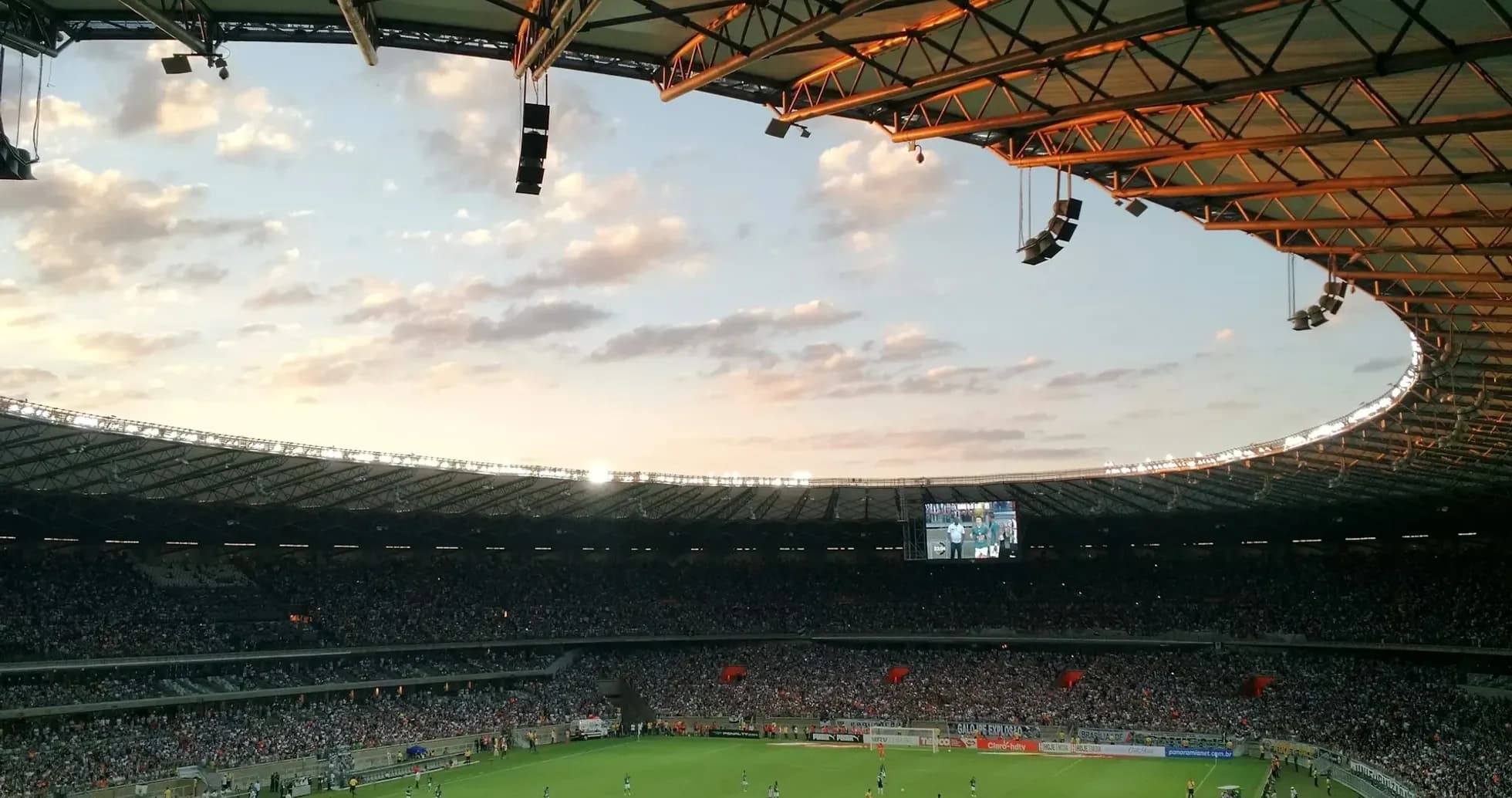
The 1-1 draw at Stockhorn Arena was defined by contrasting game plans: FC Thun built a direct, high‑tempo 4-4-2 geared toward volume of entries and second balls, while Dinamo Zagreb’s 4-2-3-1 sought to control rhythm through possession and positional play. Over 90 minutes, Thun’s verticality and work rate disrupted Dinamo’s structure, but Dinamo’s superior technical base and late bench impact eventually restored parity.
FC Thun's Approach
Thun’s 4-4-2, under Luca Privitelli Gian, was aggressive without the ball and uncomplicated with it. With 43% possession and 305 total passes (222 accurate, 73%), they accepted long spells without the ball, focusing on compressing central zones and springing quickly into space. The front pair of F. Dursun and B. Labeau set the tone by pressing Dinamo’s centre-backs and screening passes into the double pivot. Behind them, the midfield four stayed compact, with Justin Roth and N. Reichmuth central and wide players V. Matoshi and N. Maier working hard to close full-backs and prevent easy overloads on the flanks.
The numbers underline Thun’s directness: 16 total shots, with 11 from inside the box, and 7 blocked. That combination points to repeated entries into dangerous zones but also to Dinamo’s last-ditch defending. Thun generated 9 corners, a by-product of their willingness to shoot early and attack second phases. The 19 fouls committed and three yellow cards (Marco Bürki, Justin Roth, Fabio Fehr all for “Foul”) further reflect a high‑intensity, risk‑accepting defensive approach.
Their main offensive route was clear: early balls into the channels and wide areas, followed by crosses and cut-backs. The 20th‑minute opener by B. Labeau, assisted by F. Fehr, encapsulated this pattern: the right-back stepping high, joining the attack, and delivering the decisive ball into the box. Fehr’s constant two-way involvement was central to Thun’s plan; his late booking in added time for “Foul” was almost an inevitable consequence of that volume of duels.
In possession, Thun rarely tried to build slowly through the thirds. With only 305 passes to Dinamo’s 411, they preferred to bypass Dinamo’s first line, use the forwards as targets and play off knockdowns. The 73% pass completion is modest but consistent with a strategy that prioritised territory over retention. Substitutions followed the same logic: at 56', N. Zoukit (IN) came on for N. Maier (OUT) and M. Gutbub (IN) for F. Dursun (OUT), refreshing legs in wide and forward zones to sustain the pressing and transitional threat. Later, N. Burgy (IN) for N. Reichmuth (OUT) at 79' and C. Ibayi (IN) for Labeau (OUT) at 79' signalled a tilt toward protecting the lead with extra defensive solidity and fresh pace up front for counters.
Defensive Strategy
Defensively, Thun were rugged rather than refined. The back four of F. Fehr, J. Bamert, Marco Bürki and M. Heule were aggressive in stepping out, which contributed to the 7 blocked shots but also to the foul count. The three yellow cards all for “Foul” highlight a reliance on tactical infringements to break Dinamo’s rhythm. In goal, N. Steffen (FC Thun) made 3 saves, an indication that while Dinamo found shooting positions (20 total shots, 12 inside the box), Thun often succeeded in forcing efforts from less optimal angles or under pressure.
Dinamo Zagreb's Approach
Dinamo Zagreb, coached by Mario Kovacevic, imposed a more controlled, possession-based identity. Their 57% ball possession, 411 total passes and 331 accurate passes (81%) show a side comfortable circulating the ball and probing patiently. The 4-2-3-1 structure, with J. Misic and M. Zajc as the double pivot and G. Vidovic, M. Lisica, M. Orsic behind D. Beljo, allowed them to create multiple lines between Thun’s midfield and defence.
Dinamo’s shot profile (20 total, 6 on goal, 12 inside the box, 5 blocked) suggests that their positional play did eventually unpick Thun’s block, especially as the game wore on. Early on, however, they struggled with tempo and discipline. Miha Zajc’s yellow card at 2' for “Foul” reflected Thun’s capacity to draw fouls with quick transitions. Later, Mateo Lisica’s booking at 62' for “Argument” highlighted a growing frustration as Dinamo chased the game.
Tactical Adjustments
The key tactical shift came from the bench. At 66', A. Hoxha (IN) replaced M. Lisica (OUT), adding fresh energy and a more direct threat from wide areas. Then at 80', L. Kacavenda (IN) for G. Vidovic (OUT) and F. Topic (IN) for M. Orsic (OUT) reconfigured the attacking band with new profiles between the lines and in the half-spaces. Those changes directly influenced the 86' equaliser: M. Zajc scoring, assisted by F. Topic, underlining how Kovacevic’s substitutions finally tilted the attacking balance in Dinamo’s favour.
With the ball, Dinamo consistently tried to create overloads around Thun’s full-backs, using the full-backs M. Valincic and B. Goda to push high while the pivots staggered their positions to offer security. Their 5 corners and 8 shots from outside the box show a mix of patient circulation and willingness to test from distance when central channels were blocked. However, 13 fouls and two yellow cards reveal that they also had to resort to stopping Thun’s counters at source.
Final Phase
Defensively, Dinamo’s back four, shielded by Misic and Zajc, were stretched at times by Thun’s directness but generally controlled the space in front of I. Filipovic (Dinamo Zagreb). The goalkeeper was required to make only 2 saves despite Thun’s 3 shots on goal, indicating that many of Thun’s efforts were either blocked or off target, and that Dinamo’s defensive line often dealt with danger before it reached the six-yard area.
In the final phase, the game became a clear contrast: Thun retreating into a deeper, more conservative block after their late defensive substitutions, and Dinamo pushing numbers forward, especially through their substitutes. The 1-1 outcome reflects that dynamic equilibrium: Thun’s structural and emotional intensity gave them the platform and the lead; Dinamo’s technical quality, squad depth and tactical adjustments eventually secured a draw that matched their territorial and statistical control.
Related News
Luis Díaz Confident Bayern Munich Can Win Champions League
AFC Champions League Matchday One: Insights and Team Strategies
Vincent Kompany’s Bayern Munich Future Not Tied Solely to Champions League Success
Barcelona’s Camp Nou to Host 2029 Champions League Final, Munich Confirmed for 2028
Bayern Munich's Allianz Arena Set to Host 2028 Champions League Final
Allianz Arena to Host 2028 Champions League Final for Third Time