
Fenerbahçe Dominates Sturm Graz in Champions League Qualifier
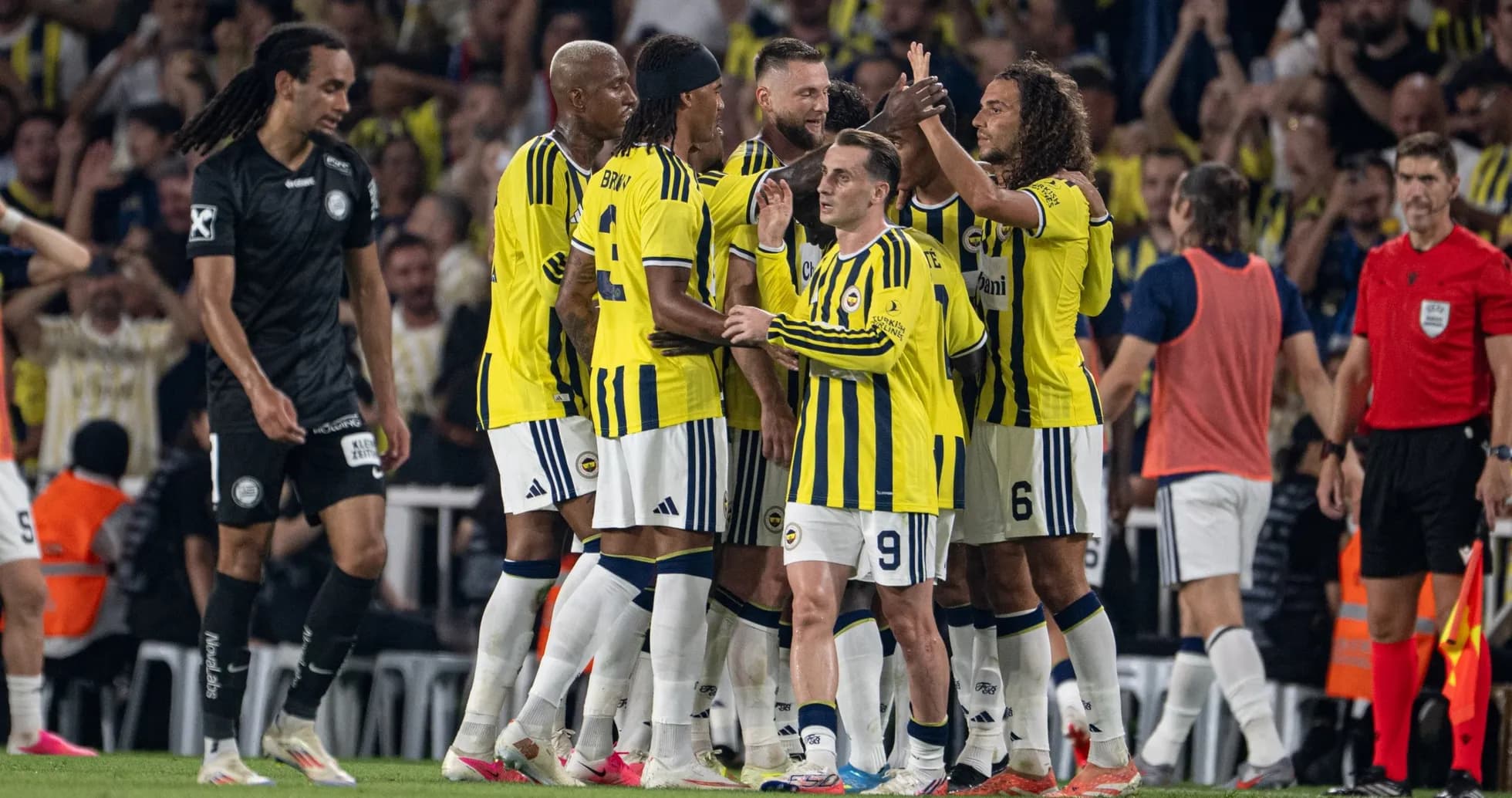
Fenerbahçe’s 2–0 win over Sturm Graz at Chobani Stadium was a clinic in territorial dominance and structure. Ismail Kartal’s side imposed a 4-2-3-1 that monopolised the ball (72% possession) and pinned the Austrians deep, translating control into volume: 17 total shots, 10 on goal and 12 from inside the box. Sturm Graz, in a 4-4-2 under Fabio Ingolitsch, were reduced to a reactive, low-block performance, managing only 5 shots and 1 on target. The scoreboard mirrored the tactical balance: Fenerbahçe built a 2–0 lead by half-time and then managed the game with maturity, forcing Sturm into 19 fouls and three bookings as they chased shadows.
The scoring pattern reinforced how quickly Fenerbahçe seized control. On 9', Talisca (Fenerbahçe) finished a move created by the left-sided playmaker K. Akturkoglu, making it 1–0. The early lead allowed Kartal’s double pivot to dictate tempo and pin Sturm’s 4-4-2 back. Just before the break, on 45', M. Greenwood (Fenerbahçe) struck the second, assisted by M. Asensio, for 2–0. That goal defined the half-time score and effectively killed any notion of an open contest: Fenerbahçe went into the interval with a two-goal cushion and overwhelming control of territory and possession.
Discipline
Discipline tilted heavily against Sturm Graz, reflecting their defensive strain. The card log, all for the away side and all yellow, unfolded as follows:
- 21' Jon Gorenc Stanković (Sturm Graz) — Foul
- 58' Jurgen Heil (Sturm Graz) — Foul
- 65' Axel Kayombo (Sturm Graz) — Simulation
Total cards: Fenerbahçe 0, Sturm Graz 3, overall 3. The pattern underlined how often Sturm were late into duels or forced into desperate interventions as Fenerbahçe circulated the ball.
Midfield Structure
Kartal’s 4-2-3-1 was built on structural superiority in midfield. N. Kante and M. Guendouzi formed a double pivot that, with 578 total passes and 520 accurate (90%), consistently created a free man in the first and second build-up lines. The full-backs N. Semedo and J. Oosterwolde provided width, allowing the three attacking midfielders – M. Greenwood on one side, M. Asensio centrally and K. Akturkoglu on the opposite flank – to operate between the lines. With 12 shots inside the box and 5 blocked, Fenerbahçe repeatedly arrived in advanced zones with numbers, combining through the half-spaces rather than relying on speculative shooting.
Talisca, as the lone forward, benefited from that structure. His 9' opener from Akturkoglu’s assist came from precisely this pattern: wide occupation, interior overload, and a final pass into the striker. Greenwood’s goal on 45' from Asensio’s assist underlined the fluidity of the attacking midfield band; they rotated positions, making it hard for Sturm’s flat 4-4-2 to track runners. Once 2–0 up, Kartal used his bench to manage energy and maintain control: A. Brown (IN) came on for J. Oosterwolde (OUT) at 30', Fred (IN) for M. Greenwood (OUT) and I. Kahveci (IN) for M. Asensio (OUT) at 69', then M. Muldur (IN) for N. Semedo (OUT) and O. Aydin (IN) for K. Akturkoglu (OUT) at 85'. Each change preserved the team’s structural integrity rather than chasing more goals.
Defensive Control
Defensively, Fenerbahçe’s control was such that their back line was rarely exposed. Sturm Graz mustered only 5 total shots, 3 of them blocked, and just 1 on goal. The low foul count for Fenerbahçe (10) speaks to proactive defending: they pressed in a coordinated fashion from the front, with the double pivot screening passes into Sturm’s strikers S. Wlodarczyk and S. Jatta. When Sturm tried to refresh their front line – A. Kayombo (IN) for S. Wlodarczyk (OUT) at 46', and later G. Mamageishvili (IN) for S. Seidl (OUT), R. Fosso (IN) for L. Weinhandl (OUT), and N. Weiper (IN) for S. Jatta (OUT) in a triple change at 64', followed by B. Beganovic (IN) for J. Hodl (OUT) at 87' – they still struggled to escape their half or string passes together.
Goalkeeping Performance
The goalkeepers’ evenings told different tactical stories. Fenerbahçe’s defensive control meant their goalkeeper faced only 1 shot on goal and made 1 save. Sturm Graz’s D. Khudyakov, by contrast, was under siege: he made 8 saves for Sturm Graz, with his side conceding 10 shots on target and 17 in total. Those numbers underline how Fenerbahçe’s possession was not sterile; they turned it into constant penalty-box pressure.
Statistical Summary
Statistically, the verdict is emphatic. Fenerbahçe’s 72% possession, 578 passes at 90% accuracy and 17 shots (10 on goal) show a team that not only controlled the ball but used it aggressively. Sturm Graz’s 28% possession, 222 passes at 74% accuracy and just 5 shots highlight their reactive, survival-mode approach. The 19 fouls and three yellow cards for Sturm are consistent with a side frequently defending in their own third and arriving late into challenges or resorting to Simulation under pressure. With no penalties, no red cards and a clean 2–0 full-time score matching the 2–0 half-time score, the numbers and the tactics align: Fenerbahçe dominated every major phase of the game and translated that dominance into a comfortable, controlled Champions League 3rd Qualifying Round victory.
Related News

Luis Díaz Confident Bayern Munich Can Win Champions League

AFC Champions League Matchday One: Insights and Team Strategies

Vincent Kompany’s Bayern Munich Future Not Tied Solely to Champions League Success
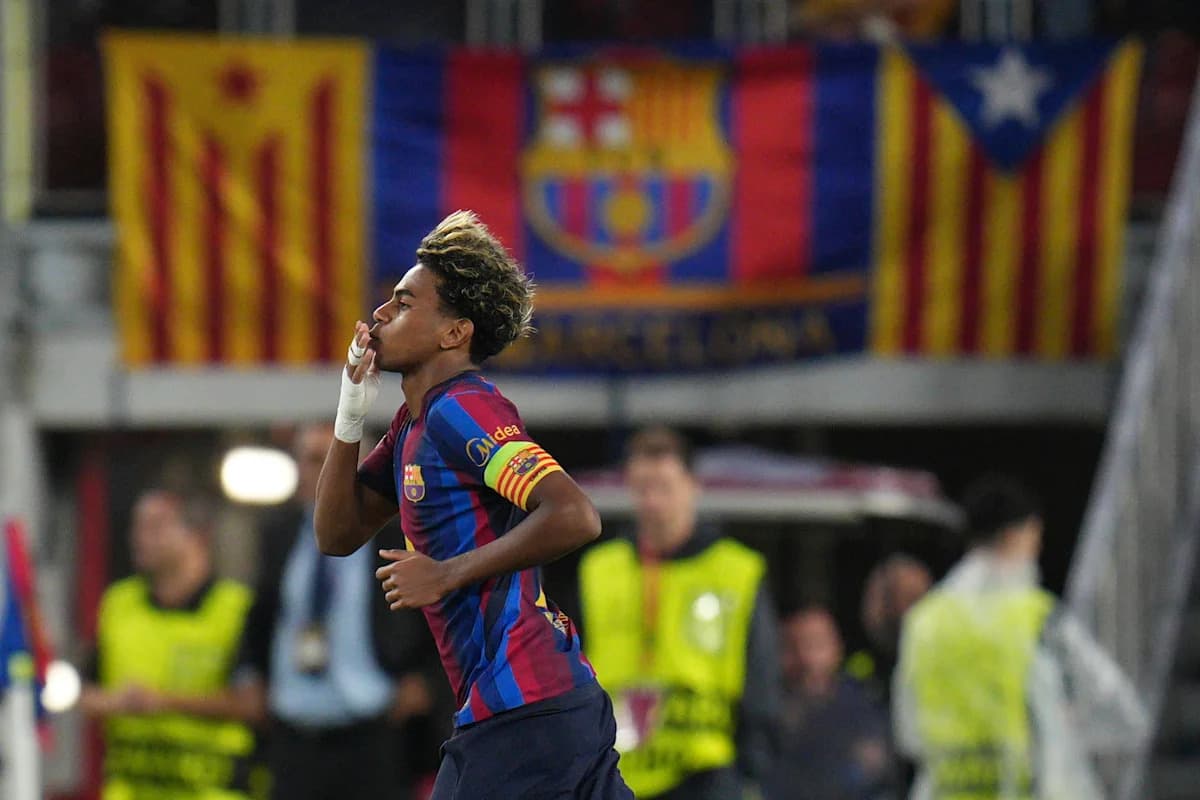
Barcelona’s Camp Nou to Host 2029 Champions League Final, Munich Confirmed for 2028
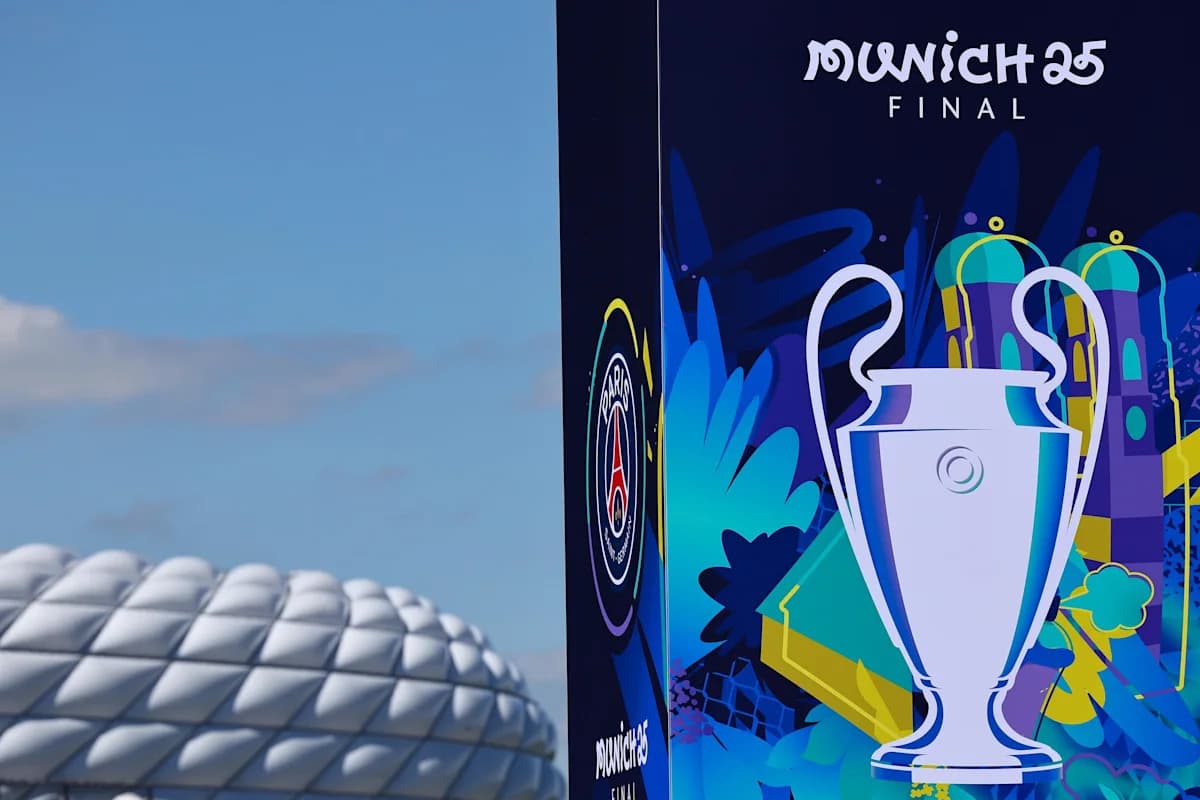
Bayern Munich's Allianz Arena Set to Host 2028 Champions League Final

Allianz Arena to Host 2028 Champions League Final for Third Time