
Fenerbahçe Dominates Gornik Zabrze in Tactical Display
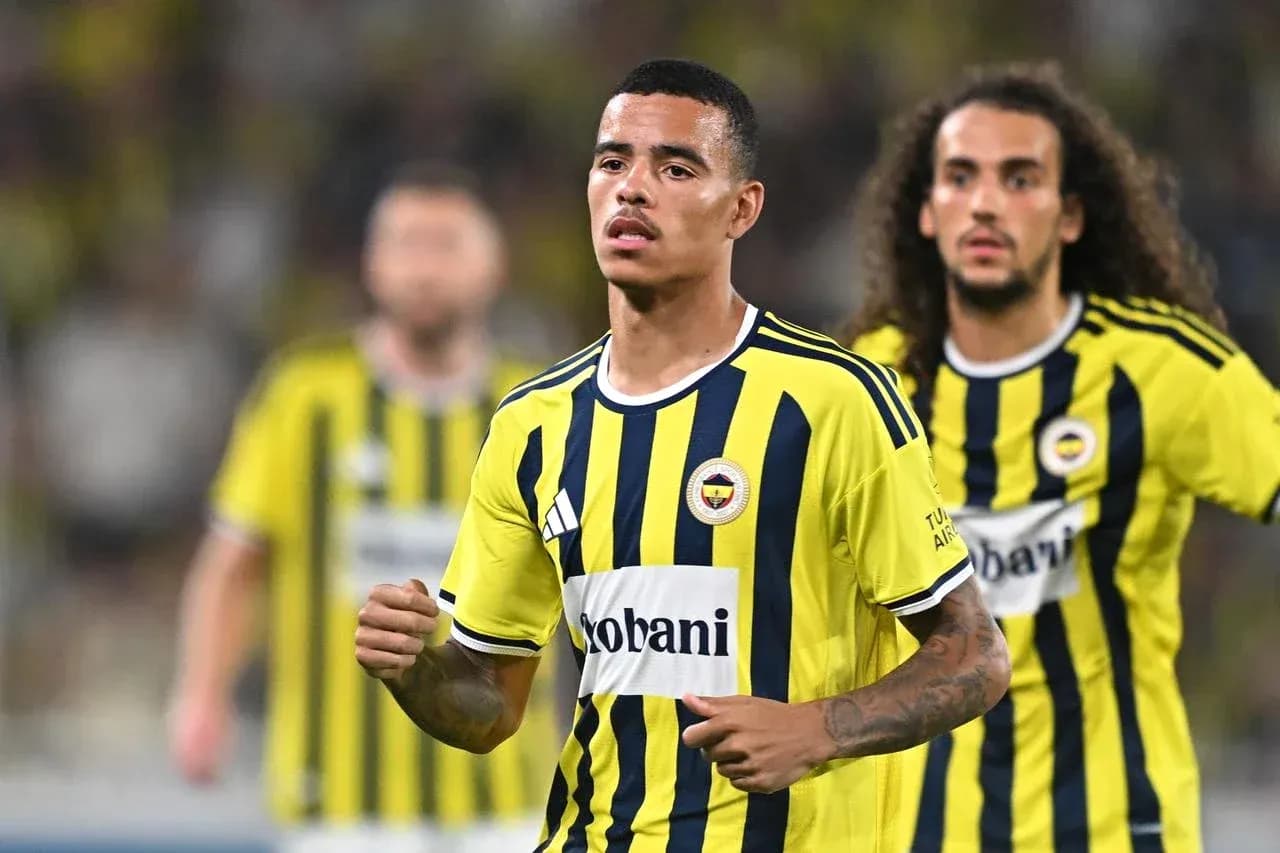
Fenerbahçe’s 1-0 win over Gornik Zabrze at Chobani Stadium was a tactical domination on the ball that never quite turned into a rout on the scoreboard. Across 90 minutes of the UEFA Champions League 2nd Qualifying Round tie, Ismail Kartal’s 4-2-3-1 controlled territory, tempo and structure, while Michal Gasparik’s 4-3-3 was forced into a low, survival-oriented block. The shot and possession profiles underline a one-sided contest, but Gornik’s compactness and the work of their back line and goalkeeper kept the tie alive.
Kartal set Fenerbahçe up in a classic 4-2-3-1 with a heavy emphasis on controlled circulation from the back. The back four of N. Semedo, M. Skriniar, N. Ake and J. Oosterwolde had constant short options in the double pivot of M. Guendouzi and B. Elmaz, while Fred, I. Kahveci, K. Akturkoglu and Talisca formed a fluid attacking quartet ahead. The statistical footprint is clear: 79% ball possession, 765 total passes with 703 accurate (92%), and 15 total shots. This was a positional play approach, using width and patient recycling to stretch Gornik’s 4-3-3 into a 4-5-1 without the ball.
The shot map indicators reinforce that Fenerbahçe built sustained pressure rather than relying on transitions. They produced 15 total shots, with 6 on goal and 4 blocked. Six attempts came from inside the box and nine from outside, suggesting a mix of edge-of-area probing and occasional penetration into central zones. The four blocked shots point to Gornik’s back line holding a relatively deep line, with defenders stepping out to close shooting lanes but rarely being dragged into high, open duels.
Gornik Zabrze’s 4-3-3, on the other hand, functioned mostly as a low defensive shell. With only 21% possession and just 203 total passes (148 accurate, 73%), they were almost entirely reactive. Their attacking output was minimal: 2 total shots, 1 on goal and 1 off, with just 1 shot inside the box and 1 outside. That profile is typical of a team defending deep, rarely able to string together progressive sequences. The 11 fouls committed, compared to Fenerbahçe’s 15, show that Gornik did not resort to extreme physical disruption; instead, they tried to stay compact and narrow, conceding space wide and relying on their central three and back four to protect the middle.
The decisive moment came from Talisca’s goal in the 37th minute, fitting the pattern of Fenerbahçe’s territorial dominance. Although the event log does not list an assist, the context of the match suggests a move built from structured possession rather than a chaotic break. By then, Fenerbahçe had already established their rhythm, pinning Gornik back and forcing repeated defensive actions in and around the box. Once ahead, they did not change shape; instead, they doubled down on control, using Guendouzi and Elmaz as stabilizers in midfield to prevent Gornik from turning the game into an open contest.
The substitution pattern from Kartal further underlines the tactical plan. At 46', L. Mercan (IN) came on for N. Ake (OUT), a like-for-like defensive change that likely preserved the back-four structure while managing minutes. On 69', he refreshed the attacking and midfield lines: M. Asensio (IN) came on for B. Elmaz (OUT), adding more creativity between the lines, and O. Aydin (IN) replaced K. Akturkoglu (OUT), injecting fresh legs in the advanced band. At 83', M. Greenwood (IN) came on for I. Kahveci (OUT), and at 87', S. Cherif (IN) replaced Talisca (OUT). None of these moves signaled a shift to a defensive block; rather, they maintained the 4-2-3-1 structure while rotating attackers to sustain pressing and chance creation.
Gasparik’s changes were more about chasing a foothold without breaking the defensive shell. At 72', S. Liseth (IN) replaced K. Urbanski (OUT) and O. Zmrzly (IN) came on for Y. Ikia Dimi (OUT), adjustments that likely aimed to freshen the front line and wide defensive coverage. At 76', B. Donio (IN) replaced M. Dietz (OUT), tweaking the midfield profile, and at 90+2', P. Warczak (IN) came on for M. Khlan (OUT), a late move that had little time to alter the pattern. Despite these changes, Gornik never escaped their low-possession, low-shot reality.
In goal, the statistical picture is straightforward. M. Gunok (Fenerbahçe) faced very little, with Fenerbahçe’s team statistics showing just 1 goalkeeper save required across the 90 minutes. That aligns with Gornik’s meagre 1 shot on goal; Fenerbahçe’s defensive structure, anchored by Skriniar and Ake/Mercan, largely prevented penetration. At the other end, P. Schulze (Gornik Zabrze) had to make 5 saves, reflecting Fenerbahçe’s 6 shots on goal. That differential in workload underscores how the game was played in one half for long stretches.
From a statistical verdict, Fenerbahçe’s 1-0 looks modest compared to their control metrics. With 79% possession, a 765–203 pass advantage, and a 15–2 shot differential (6–1 on goal), they produced the profile of a comfortable home win. The 9–2 edge in corner kicks further illustrates territorial dominance, as repeated attacks forced Gornik to concede set pieces. Fouls were 15–11 in Fenerbahçe’s disfavor, a common pattern for the team in possession, often counter-pressing aggressively after turnovers.
No yellow or red cards were recorded for either side, which fits a match where one team controlled the ball and the other defended in a largely disciplined block without resorting to persistent, cynical fouling. The absence of recorded xG and goals prevented values limits deeper probabilistic analysis, but the shot volume, on-target count and passing control all point to a game that, on another night, could easily have produced a wider margin. Tactically, though, Fenerbahçe achieved the key objective: total control of space and rhythm, a clean sheet, and a first-leg platform built on structure rather than chaos.
Related News
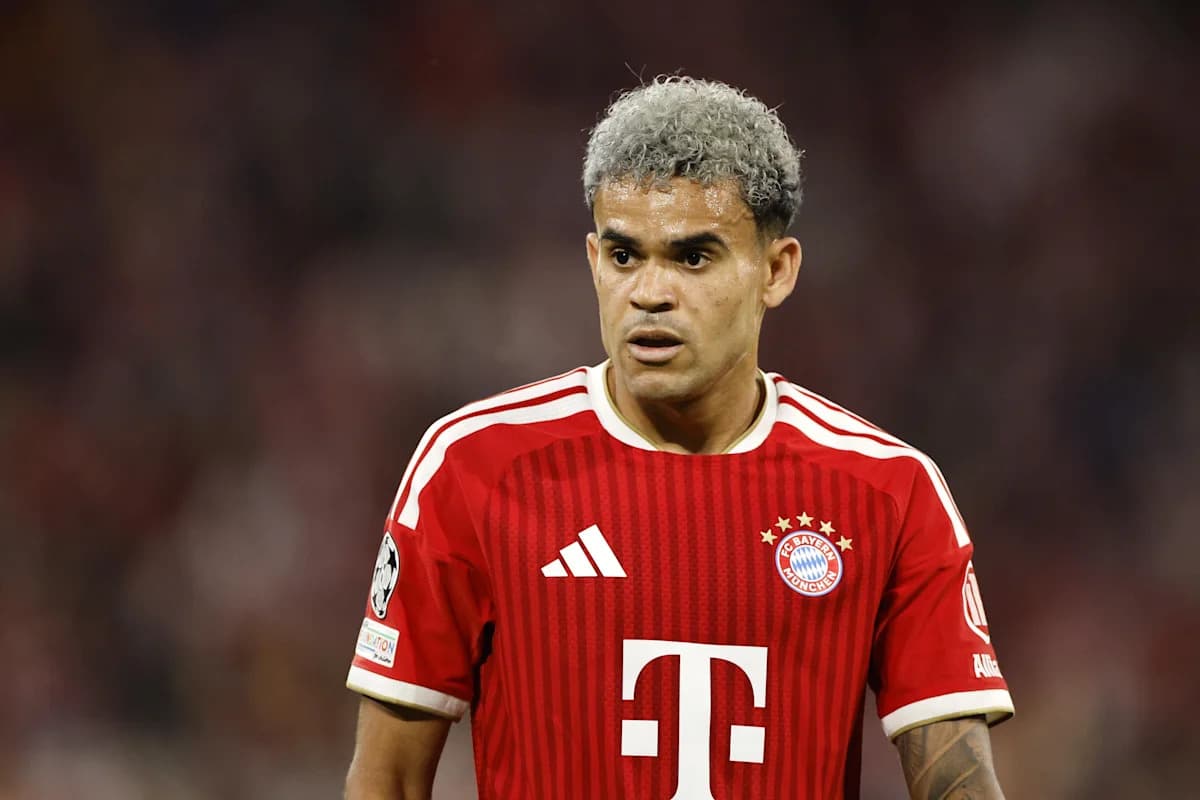
Luis Díaz Confident Bayern Munich Can Win Champions League
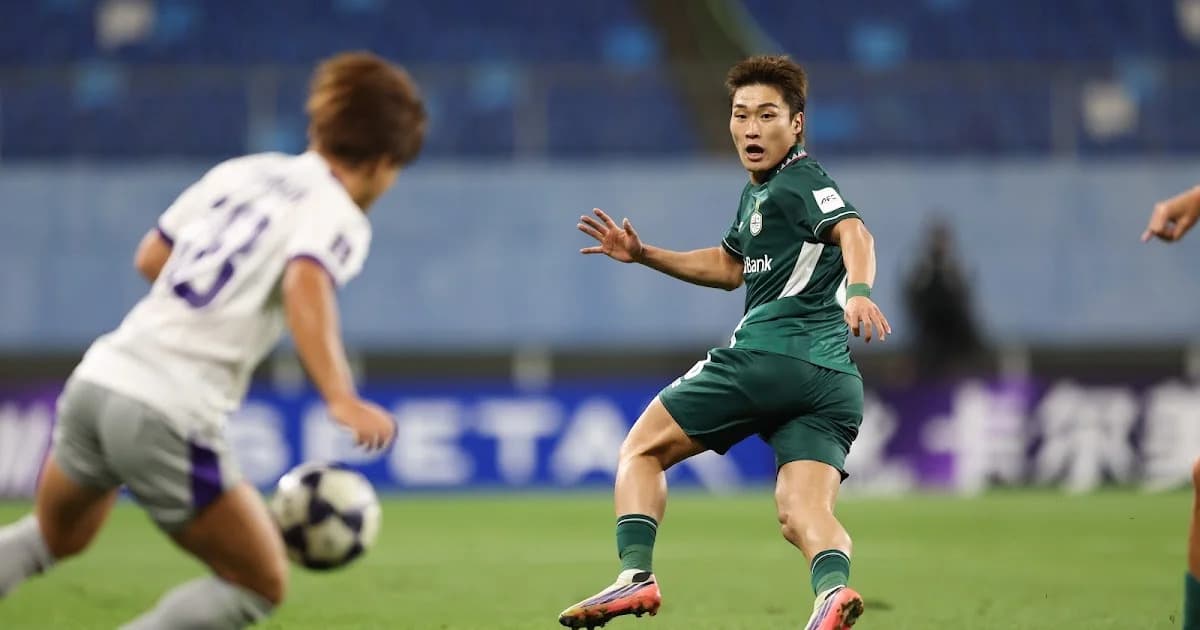
AFC Champions League Matchday One: Insights and Team Strategies
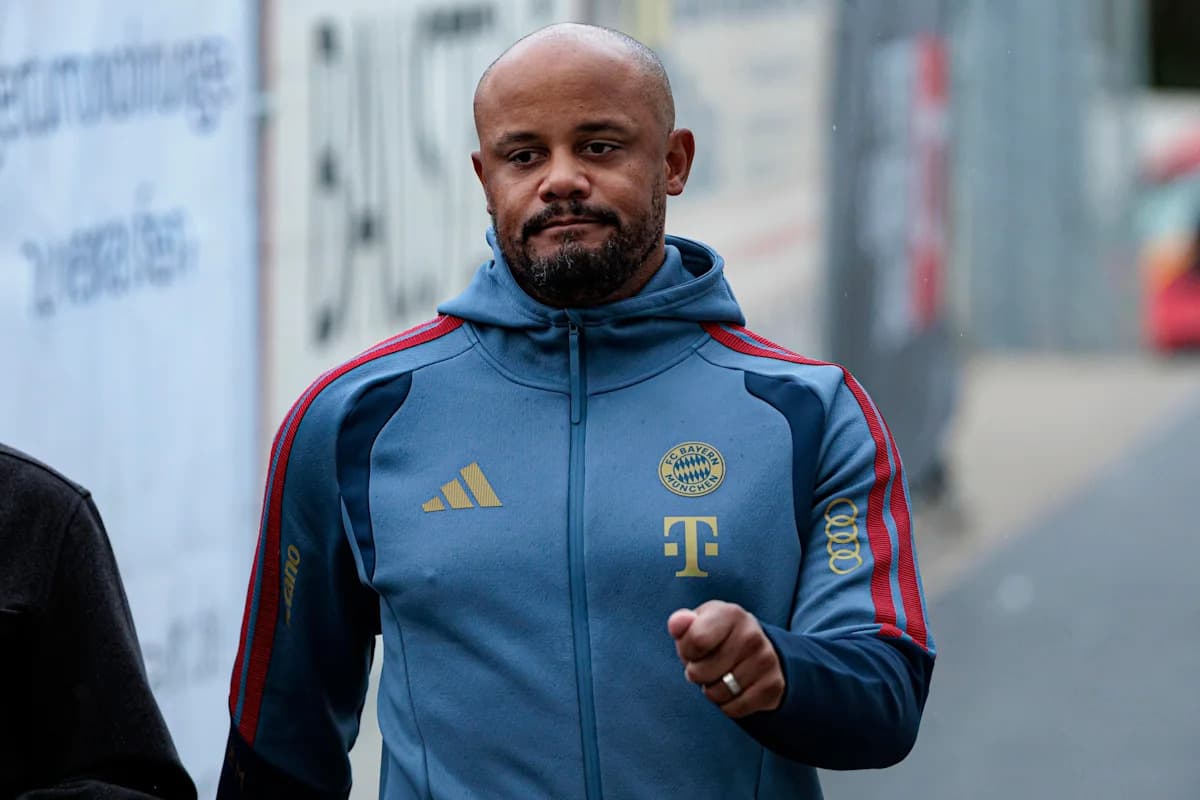
Vincent Kompany’s Bayern Munich Future Not Tied Solely to Champions League Success
Barcelona’s Camp Nou to Host 2029 Champions League Final, Munich Confirmed for 2028
Bayern Munich's Allianz Arena Set to Host 2028 Champions League Final
Allianz Arena to Host 2028 Champions League Final for Third Time