
Feyenoord's Transfer Window Mismanagement: Board Under Fire
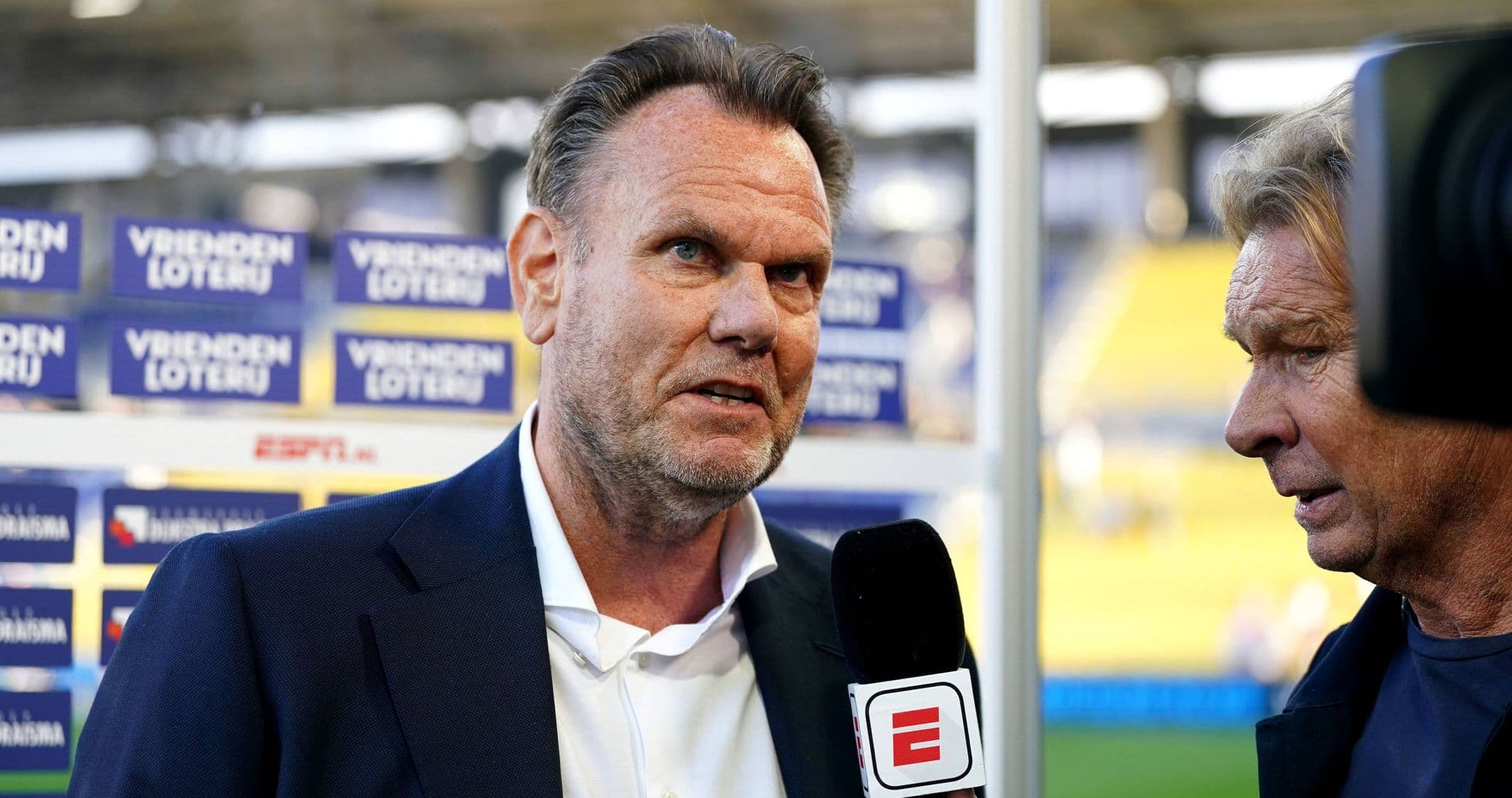
The knives are out in Rotterdam. On De Telegraaf’s podcast Kick-Off, journalists Mike Verweij and Valentijn Driessen tore into Feyenoord’s leadership, accusing technical director Dévy Rigaux and general director Robert Eenhoorn of mishandling a transfer window that, in their eyes, should have transformed the club’s finances.
“They had the money – and the offers”
According to Verweij, Rigaux began his tenure by taking aim at his predecessor Dennis te Kloese. That now looks misplaced to him.
“Rigaux has taken a huge swipe at his predecessor Te Kloese,” Verweij says. “But now it turns out that Te Kloese, with the money for Hadj Moussa included, had 40 million.”
Then he lists the missed opportunities, one by one.
“There was a bid of 25 million for Ueda, who was sold far too cheaply to Lille OSC. And Read could almost have risen to 35 million. And Hull City bid 20 million for Targhalline.”
The conclusion, in his view, is brutal.
“If they had simply done their job and sold the right players, Feyenoord would for the time being have had a great deal of financial resources. That same Te Kloese put together a squad there that was worth around €120 million. So I think Rigaux and Eenhoorn did something wrong in this transfer window. If they had sold Read immediately, they could have been much more effective in the transfer market.”
The criticism is not about ambition. It’s about execution – and about leaving serious money on the table.
The power of the Friends of Feyenoord
Driessen then shifts the spotlight from the transfer market to the club’s ownership structure. For him, the key to understanding Feyenoord’s choices lies with one group: the Friends of Feyenoord.
“It all comes back to the Friends of Feyenoord again,” he says. “They have 49 per cent of the shares. And the moment Feyenoord pay €17.5 million, they lose 25 per cent. And in two years’ time, again.”
That’s not the only trigger, he explains.
“Feyenoord are also obliged to buy part of the shares if they post a positive transfer balance in a transfer window. And they certainly would have done that if one of those transfers had gone through. Then that transfer balance would have been so high that they would have been obliged to buy part of the Friends’ purchases.”
In other words: big outgoing transfers don’t just fill Feyenoord’s coffers, they also force the club to buy back shares from the Friends of Feyenoord. That, Driessen suggests, is where the real resistance lies.
“Eenhoorn is their man”
Then comes the sharpest accusation of the evening. Driessen links Robert Eenhoorn’s appointment directly to the Friends of Feyenoord and claims their interests shaped the club’s stance in the market.
“The Friends of Feyenoord do not want out,” he says. “And Eenhoorn came in at the request of the Friends. He is their favourite, and became director. So he is not going to go against those Friends.”
The Hadj Moussa saga becomes Exhibit A.
“Eenhoorn allowed himself to be influenced into not letting the Hadj Moussa transfer go through,” Driessen claims about Feyenoord’s technical director.
Where Feyenoord pointed to issues with a bank guarantee as the reason the move to Al-Ittihad collapsed, Driessen flatly rejects that as the decisive factor.
“It concerns a €40 million transfer. It concerns Saudi Arabia, just ask Ajax. They have always had the money and are solvent.”
A deal that dragged and dragged
According to Driessen, Feyenoord’s behaviour during the Moussa talks tells its own story.
“Feyenoord were also hardly reachable by phone, it was very difficult to get in touch with them,” he says. “It was dragged out for a very long time, and in the end the medical could no longer take place.”
For him, that is not coincidence but strategy. A way to let the clock run down on a transfer that, on paper, would have brought in a huge fee – and triggered obligations towards the Friends of Feyenoord.
“Robert Eenhoorn is simply an extension of the Friends of Feyenoord. He is their mate. The moment someone puts you forward and you can serve their interests, that happens nine times out of 10. He has previously made it known that he is not exactly eager to buy out the Friends. And then you remain stuck with those Friends,” Driessen concludes.
Feyenoord emerge from this window with key players still in the squad, but without the financial windfall that could have reshaped the club’s future. The question now is not just who they didn’t sell – it’s who really calls the shots in Rotterdam, and how long that balance of power will hold.
Related News
Motherwell's £5,000 Fine Upheld Despite Appeal
Manchester United Sign Liverpool Youngster Isaac Konde
Jesus Makes Impactful Debut at Barcelona
Feyenoord's Transfer Window Mismanagement: Board Under Fire
Edu's Departure from Nottingham Forest Confirmed After Turbulent Year
Chelsea's Midfield Crisis: Late Transfer Drama and Future Plans