
FIFA Updates World Cup 2026 Water Policy After Fan Outcry
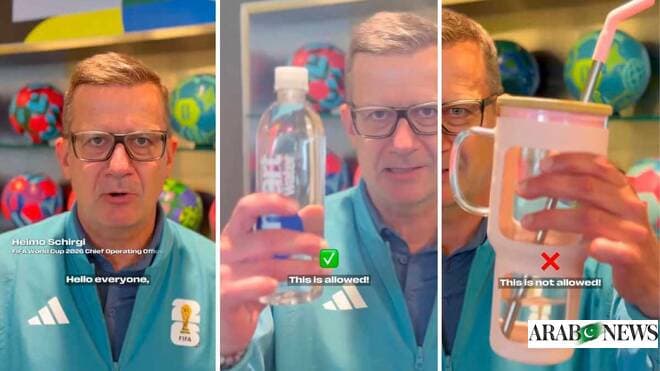
FIFA has rowed back on part of its controversial World Cup 2026 water policy, confirming that fans will be allowed to bring a single disposable bottle of water into stadiums in the United States and Canada after a wave of criticism.
In a video posted on FIFA’s X account, World Cup chief operating officer Heimo Schirgi announced that supporters can carry in “one, soft, plastic 20 ounces (590ml), factory sealed disposable water bottle” to any match in the USA and Canada.
The governing body framed the move as a “clarification” of its rules, but the timing tells its own story. The announcement arrived just two days after FIFA confirmed that refillable bottles would be banned from venues, a change to the stadium code of conduct that triggered anger from fans already bracing for steep prices and sweltering conditions.
The initial stance meant anyone wanting a drink would have to buy water inside the ground. FIFA defended that decision on safety grounds, saying outside bottles were already prohibited at several host venues and that it was simply extending those standards across all tournament stadiums “to prevent risk and injury to players and attendees.”
Those concerns, FIFA insists, have not gone away. The governing body is standing firm on one key point: hard-sided, reusable bottles remain outlawed.
In the X video, Schirgi holds up examples of what will and will not make it past security, underlining that “fans will not be permitted to bring in hard sided, reusable water bottles due to safety and security reasons.” The message is clear: one soft plastic disposable bottle is the limit.
That compromise lands against a worrying backdrop. Meteorologists have been warning for months that supporters could face serious health risks from extreme heat at open-air venues across the vast, summer-stretched tournament co-hosted by the United States, Canada and Mexico.
A report from the World Weather Attribution research group last month estimated that 26 of the 104 World Cup matches are likely to be played in conditions where the Wet Bulb Global Temperature (WBGT) exceeds 26 degrees. WBGT is a measure of heat stress on the human body that blends temperature, humidity, wind and sunlight into a single index — and anything above that threshold raises red flags for prolonged outdoor activity.
Fans in the US have already had a taste of what that can feel like. At last year’s FIFA Club World Cup, held in the States, supporters complained of searing temperatures and were still barred from bringing water bottles into venues. The memories of those afternoons have sharpened scrutiny on FIFA’s planning for 2026.
The organization points to its mitigation measures. It has promised misting stations, fans, hydration stations and cooling tents within what it calls “the stadium footprint,” aiming to create pockets of relief around the arenas. Inside, bottled water will be sold at prices that, FIFA says, “remain consistent with other events held at each stadium.”
That final detail may not comfort everyone. With temperatures rising and crowds set to swell across three countries, the debate over how football’s biggest tournament treats its paying public is unlikely to cool down any time soon.
Related News

UFC 332 Preview: Natalia Silva vs. Wang Cong Fight Card, Odds, Start Time, and Details
Andy Roddick Responds to Andre Agassi’s Comments on Alexander Zverev at the Laver Cup

Knicks Prepare for Flexible Roles in Title Defense

Rui Hachimura Swaps Lakers Fans to Clippers in Surprising Jersey Exchange

Who Will Be the NBA's Next First-Time All-Stars? Top Picks and Long Shots for 2027

How Strong Is Your Team at Home? Check Out the 2026 Brasileirão Home Standings