
Could Gianni Infantino Push for a 64-Team World Cup in 2026?
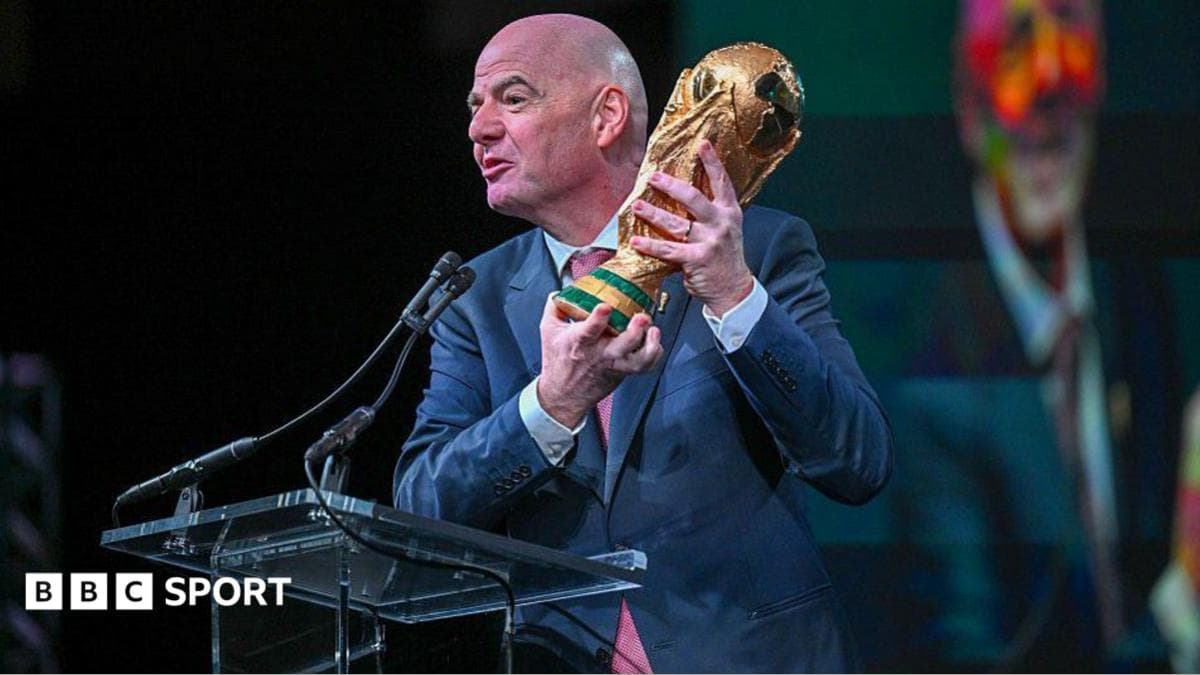
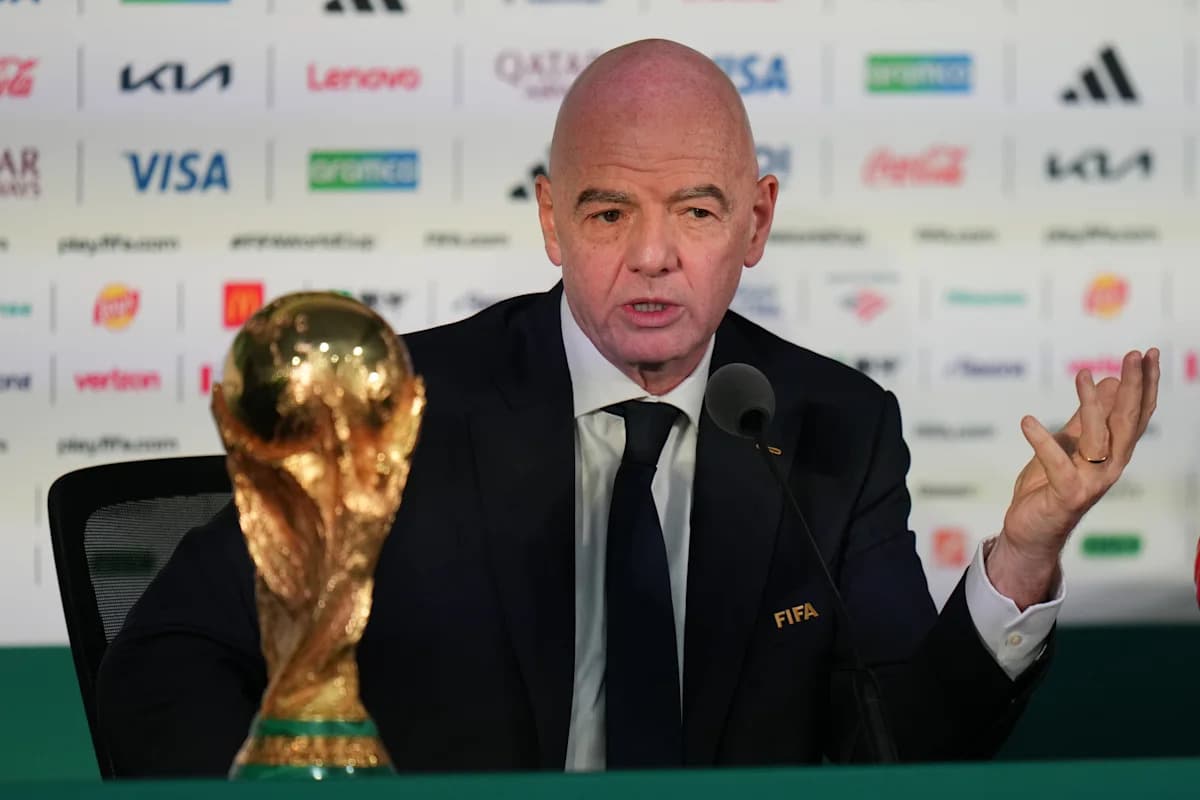
Looking back over a decade of Gianni Infantino leading Fifa, one thing stands out: he favors expanding football's reach. That means more tournaments, matches, and income. His tenure has seen changes like the revamped Club World Cup, a bigger World Cup roster, and even a lengthy halftime during the final.
Now, there’s talk about stretching the World Cup to 64 teams. Infantino argues that if smaller countries don’t get opportunities to participate, they lose motivation to improve. But smaller nations do qualify when strong enough — consider Cape Verde, Curacao, Jordan, or Uzbekistan.
The Format Makes Sense
From a structural view, a 64-team World Cup could work smoothly: 16 groups with the top two advancing directly to knockout rounds, eliminating the odd system of third-placed teams moving forward. Still, is there a bigger reason to grow beyond 48?
Who Supports the Expansion?
The plan gained traction partly because the 2030 World Cup marks a century since the first tournament in Uruguay. The centenary event will be hosted by Morocco, Portugal, and Spain, with opening matches in Uruguay, Argentina, and Paraguay. South America’s confederation, Conmebol, pushed for a 64-team event to allow more games.
Conmebol’s president, Alejandro Dominguez, said it would make sure no country misses out. He emphasized this global inclusion again just after the 2026 tournament ended, tweeting that international football thrives when open to all.
But support elsewhere is thin. UEFA’s Aleksander Ceferin called it a poor idea that would harm the qualifying process. Concacaf’s Victor Montagliani warned of damage to the football ecosystem, and Asia’s Sheikh Salman bin Ibrahim Al Khalifa suggested chaos could follow further expansion.
Will Expanding Weaken the Competition?
A 64-team event brings benefits: simpler format and chances for emerging nations. Infantino points to examples like Cape Verde, who surprised many by advancing from their group and pushing Argentina into extra time.
On the flip side, some newcomers struggled. Haiti, Iraq, Jordan, Panama, Tunisia, and Uzbekistan earned no points, while the group stage posed little threat to the top seeds. Adding more teams may dilute competition quality, making big upsets less likely.
If we look at which additional countries would join in a 64-team setup (based on current rankings), names include:
- Asia: Indonesia (118), Oman (79), UAE (68)
- Europe: Denmark (21), Italy (12), Poland (36)
- Concacaf: Honduras (65), Jamaica (71), Suriname (125)
- South America: Bolivia (77), Venezuela (49)
- Oceania: New Caledonia (151)
- Africa: Burkina Faso (62), Cameroon (44), Gabon (86), Nigeria (26)
Six of these are within the FIFA top 50, split between Europe, Africa, and South America. Yet Asia and Concacaf show weaker performances, with fewer teams advancing past group stages. This raises questions about competitive balance and whether Europe should claim more spots.
Some argue including more teams helps football develop globally. Others worry it might turn the group phase into a long qualifying round before the real knockout drama begins.
Logistical Challenges of Hosting 64 Teams
Adding four groups means 24 extra matches, extending the tournament by about five days beyond the current 39. The 2026 event benefited from multiple time zones and indoor stadiums allowing extended matchdays, something future hosts may not replicate easily.
Climate concerns also play a role; rising heat makes daytime matches tougher, especially where covered stadiums aren’t common. With the 2035 World Cup in Saudi Arabia likely shifting to January, how other countries manage climate and scheduling remains unclear.
Hosting logistics become complex: more stadiums, training facilities, hotels, and transport are needed. The 2026 tournament used 16 cities with venues seating 43,000 to 81,000 fans. Expanding requires significantly more infrastructure, making single-nation hosts less likely.
Is Money the Real Driver?
Infantino’s initial promise was injecting cash into football. Now, every association gets millions in funding, with confederations receiving tens of millions to promote the sport. Most of this revenue comes from the World Cup.
Financial projections have jumped from $6.5 billion for a 48-team event to an estimated $9 billion with the extra games. A 64-team tournament would bring even more money from TV rights, sponsorships, and ticket sales.
Fifa claims its duty is to grow football globally through more matches, but critics wonder if there’s a limit where too much expansion hurts the sport.
Related News
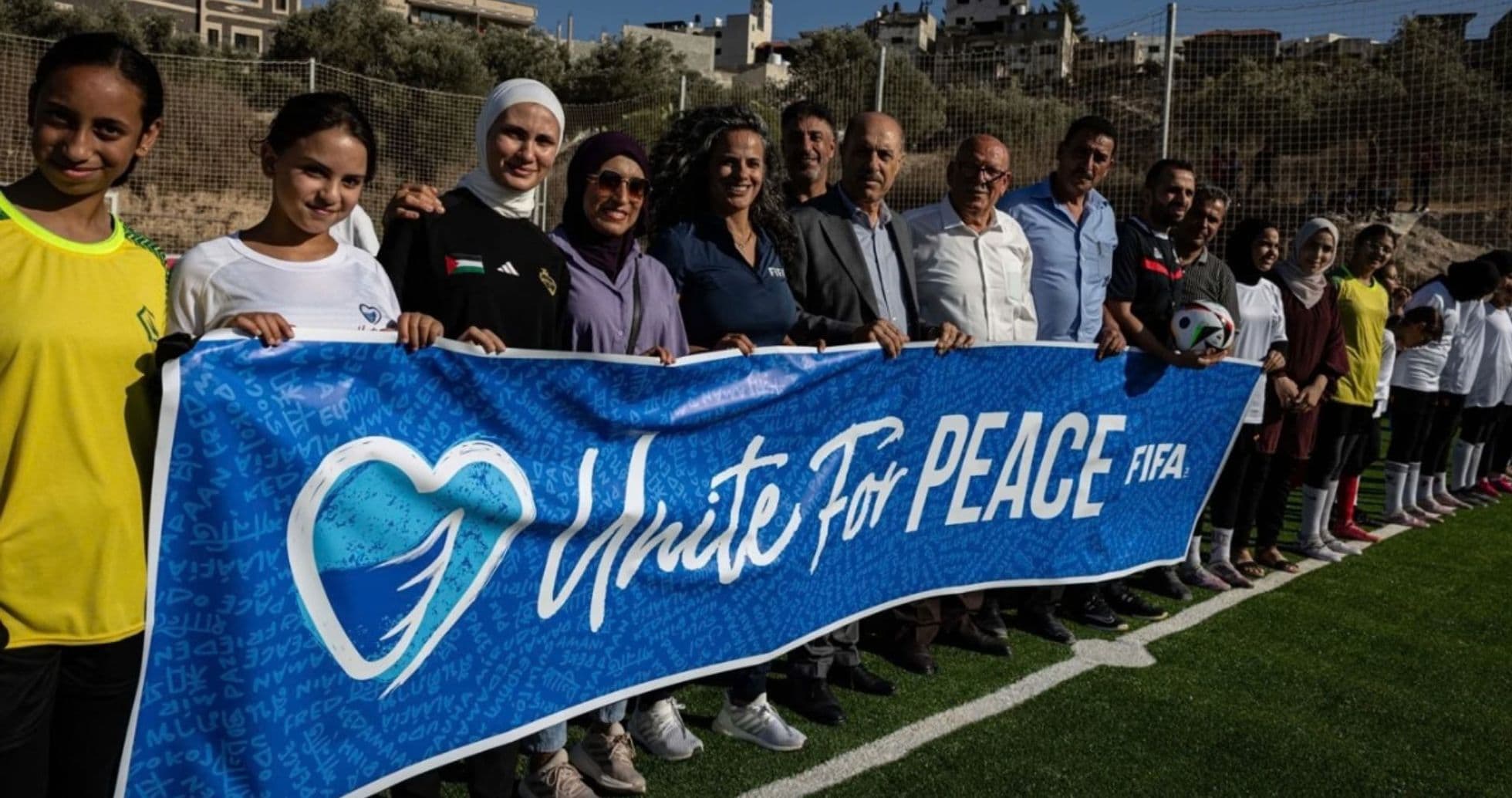
FIFA Opens New Football Arenas in Palestine to Support Youth in the West Bank

FIFA World Cup 2026: Complete List of Commentators and Presenters
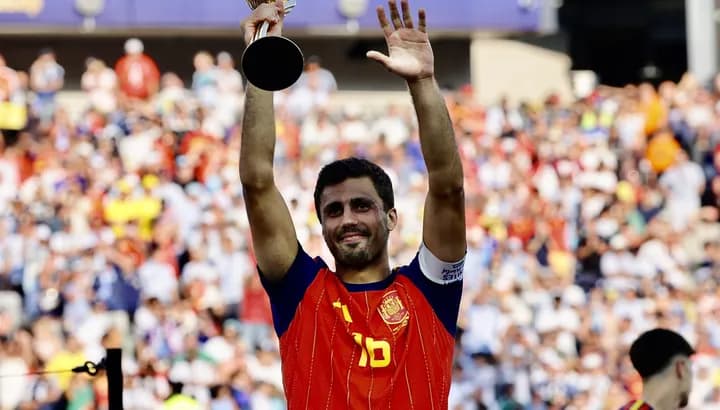
World Cup 2026 Best XI: Messi, Rodri, Mbappe Lead the Team of the Tournament

Spain's Tactical Mastery Secures Second World Cup Victory in 2026
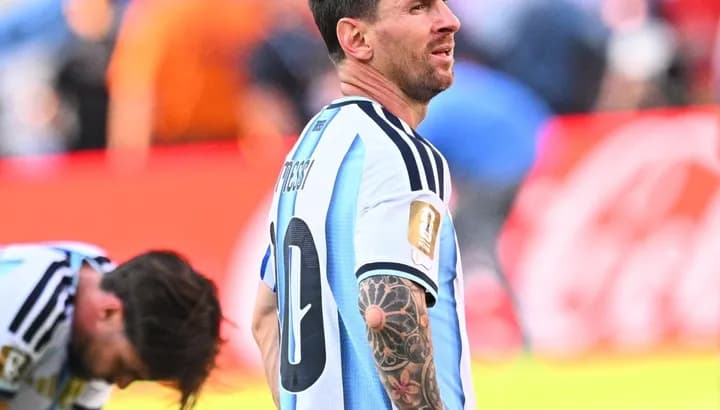
Top 10 Players of the 2026 World Cup: Mbappe or Messi at the Summit?
Gianni Infantino Responds to Critics Amid 2026 World Cup Celebrations