
FIFA Eases World Cup Water Bottle Policy for 2026
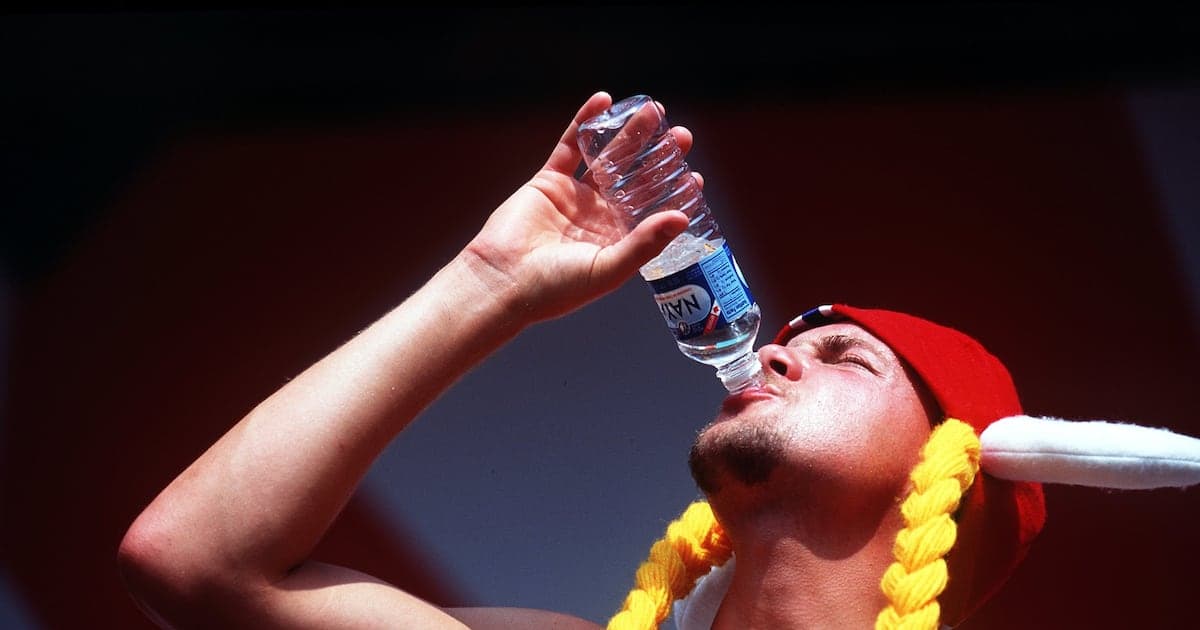
Fifa has rolled back part of its controversial World Cup water bottle clampdown, easing a policy that had drawn fire from fan groups, scientists and even the British prime minister.
In a fresh update for the 2026 tournament in North America, supporters will now be allowed to take one soft, plastic, factory-sealed disposable bottle of water – 20 ounces, or 590ml – into stadiums in the USA and Canada.
It marks a sharp shift from the position announced earlier in the week, when Fifa scrapped permission for reusable bottles and said only water bought inside venues would be allowed.
Until that change, ticket holders had been permitted to bring in an empty, transparent, reusable bottle of up to one litre. That option has not been restored. Reusables remain out. The only way to bring water in now is a single sealed disposable bottle.
World Cup 2026 chief operating officer Heimo Schirgi underlined the new line: “What is not allowed are hard-sided resealable water containers, which could pose a safety and security risk.”
That safety argument had been central to Fifa’s defence of the initial ban, the organisation insisting on Tuesday it was acting to “prevent risk and injury to players and attendees.”
The timing of the row is sensitive. Organisers are already under scrutiny over how they will protect fans from extreme heat at summer kick-off times across the vast North American host cities. Medical experts and supporter groups had warned that limiting access to water, or making it prohibitively expensive, would raise serious welfare concerns.
Then came a political punch. Keir Starmer, the British prime minister, used a radio interview on Friday to condemn the original move. Speaking to LBC, he called the policy “wrong” and said he “can’t help but think that it’s about making money.”
His criticism cut to the heart of supporter anger. Fans could not bring in their own plastic bottles, but they could buy water once inside. At a price. At last summer’s Club World Cup in the United States, where empty bottles were allowed through the turnstiles, water on sale in stadiums cost between £3 (€3.47) and £4.50.
Starmer linked that experience to a wider frustration over the cost of elite football. “The tickets themselves cost a fortune, far too expensive in my view,” he said. “So the ticket sales are too high. And this is the wrong policy.”
The backlash left Fifa facing a familiar accusation: that commercial priorities were being placed ahead of fan welfare. By allowing one sealed disposable bottle per supporter, the governing body has tried to find a middle ground between security concerns and public pressure.
Yet the compromise still locks out the reusable bottles many fans prefer on environmental grounds and for practical reasons at all-day events. The debate around safety, sustainability and the price of a basic bottle of water will not disappear just because the rules have shifted again.
With the World Cup returning to North America for the first time since 1994, this is supposed to be a showcase of modern, fan-friendly staging. The question now is whether the treatment of something as simple as drinking water becomes a symbol of progress – or of how far the game still has to go to put supporters first.
Related News

UFC 332 Preview: Natalia Silva vs. Wang Cong Fight Card, Odds, Start Time, and Details
Andy Roddick Responds to Andre Agassi’s Comments on Alexander Zverev at the Laver Cup

Knicks Prepare for Flexible Roles in Title Defense

Rui Hachimura Swaps Lakers Fans to Clippers in Surprising Jersey Exchange

Who Will Be the NBA's Next First-Time All-Stars? Top Picks and Long Shots for 2027

How Strong Is Your Team at Home? Check Out the 2026 Brasileirão Home Standings