
France v England: World Cup Bronze Medal Showdown
By the time the anthem plays in Arlington on Saturday, the spin will be in full flow. “Bronze medal.” “Podium finish.” “One last push.”
Strip it back and this is what it has always been: the World Cup match nobody truly wants until the whistle blows and pride takes over. France versus England. Deschamps versus Tuchel. A third-place playoff loaded with bruised egos, awkward goodbyes and careers at a crossroads.
Deschamps’ last stand
Didier Deschamps walked into Dallas as the man who had seen it all at World Cups. He walked out having been schooled.
He had talked up Spain as favourites, publicly and pointedly, and they lived up to the billing. La Roja drew on the same ruthless clarity that undid France at Euro 2024 and in the Nations League, then did it again on the biggest stage.
Mikel Oyarzabal’s penalty was ice-cold. Pedro Porro’s strike was the flourish of a player chasing the tournament’s individual honours. Between those two moments, France barely laid a glove on them.
Kylian Mbappe, once the tournament’s great terror, was reduced to half-chances and hopeful runs. France finished with an Expected Goals figure of just 0.31. For a side built on firepower, that number told its own story.
This was the night Deschamps broke the record for most World Cup matches as a manager. It should have been another step towards a final. Instead, it became the evening his tactical plan was ripped apart – and not just by pundits. Mbappe himself questioned the approach straight after the game.
Now the 57-year-old, heading out after a decorated reign, must close his France tenure in the match he never wanted to coach. One more team talk. One more line-up. One more chance to add a third World Cup bronze to the French collection, after podium finishes in 1958 and 1986.
Back then they beat West Germany 6-3 and Belgium 4-2, Just Fontaine scoring four in that riotous ’58 play-off. In 1982 they left empty-handed, losing to Poland. This time, the stakes are emotional rather than historic. Deschamps will not want his last act to be another flat, confused performance.
Tuchel under the microscope
Across the halfway line, Thomas Tuchel arrives in much the same mood. Battered. Questioned. And suddenly very mortal.
England’s semi-final in Atlanta began with such clarity. They refused to be dragged into Argentina’s dark arts, worked the flanks, and sliced the holders open when Anthony Gordon drilled them into the lead. It looked clever. It looked controlled.
Then England retreated.
Tuchel’s side invited Lionel Messi and his supporting cast to pick the lock. The eight-time Ballon d’Or winner accepted with relish, feeding Enzo Fernandez and Lautaro Martinez for two goals that felt inevitable long before they hit the net.
Another England inquest began before the players had even left the field. This is a team that still cannot clear the final hurdle against the true elite. Seven World Cup knockout ties against top-10 ranked nations. Seven defeats.
The pattern is becoming suffocating. England have now twice in this century led a World Cup semi-final and still gone out – Croatia in 2018, Argentina in 2026. For a federation that chose to extend Tuchel’s contract, the questions are no longer whispered.
He can still sign off with England’s second-best World Cup finish. That is the cold, statistical truth. Their only previous third-place games both ended in defeat – 2-1 to Italy in 1990, 2-0 to Belgium in 2018. A bronze medal here would be new ground in modern times.
Yet it would feel like consolation in the most hollow sense. This was a squad openly targeting the trophy. Instead, they arrive in Arlington nursing another semi-final scar and a grim recent record against France: just one win in nine, including that bruising quarter-final exit in 2022.
France: bruised, reshuffled, still dangerous
France’s preparation has been complicated by the sight no French or Arsenal supporter wanted to see. William Saliba, wincing and muttering “My back is gone” as he trudged off against Spain.
His long-standing back issue has flared again. No official bulletin is needed to know he will not be risked here. Crystal Palace defender Maxence Lacroix, who replaced him in the semi-final, is poised to start.
Deschamps had turned to Lacroix ahead of Ibrahima Konate, citing the Liverpool man’s poor form and discomfort on the left side of central defence. That balance call now runs through his back line. Konate could yet come in for Dayot Upamecano if Deschamps opts for one final tweak.
There was another scare in training when backup goalkeeper Brice Samba picked up a knock, but Mike Maignan will keep his place regardless. The changes will be in front of him, not behind.
Deschamps is expected to lean again on his blend of youth and stardust: Warren Zaire-Emery’s maturity in midfield, the craft of Rayan Cherki and Michael Olise, the fearless directness of Desire Doue, and Mbappe still prowling as the spearhead.
For all the criticism, this remains a side with enough talent to hurt anyone if the structure finally clicks.
England: patched up and playing for pride
Tuchel’s own defensive plans were shredded when Reece James, only just back from a hamstring injury, limped off with another muscular problem against Argentina. The full-back’s luck remains wretched.
Jarell Quansah returns from a two-game suspension and could be thrown straight in, but the likelier shuffle sees Djed Spence – England’s standout in the semi-final – move across to cover one flank. Nico O’Reilly is expected to reclaim his spot on the opposite side.
Jordan Henderson is still out with a wrist injury, though Tuchel otherwise has a full squad. That matters. He has shown little appetite for mass rotation and is expected to go strong again, chasing a statement win rather than a developmental exercise.
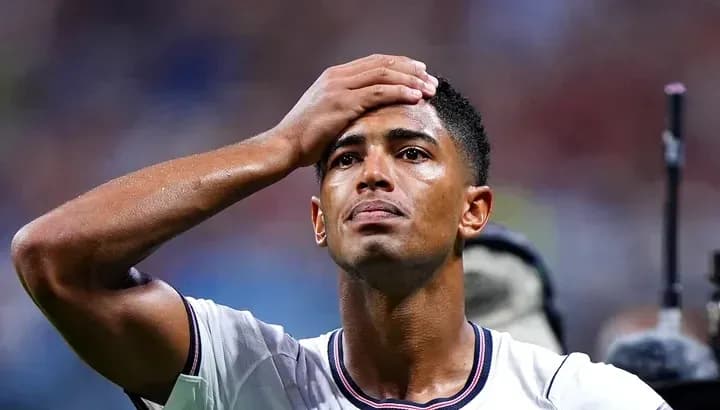
One cloud hangs over Jude Bellingham. Cameras caught him slapping the back of Valentin Barco’s head during Argentina’s celebrations, an incident that could yet draw disciplinary attention. For now, he is available and central to England’s attacking structure.
Behind Harry Kane, the trio of Gordon, Bellingham and Morgan Rogers offers movement and incision. Declan Rice anchors, with a rotating cast alongside him. On paper it is a side capable of stretching France, particularly out wide. On grass, England have yet to produce a complete 90 minutes in this tournament.
Where this will be won
Spain have already shown the world how to suffocate France: compress the space around Mbappe, control the ball, and force the French front line to live off scraps. England do not have Spain’s metronomic midfield or their collective press. Their route lies elsewhere.
Tuchel’s best chance is to attack the French full-backs, drag the centre-halves into uncomfortable channels, and keep the tempo high. When England played with ambition against Argentina, they looked like a side that belonged in the final. When they sank into their shell, they looked like every England side that has fallen short before.
France, meanwhile, will relish the extra day of rest. Physically and mentally, that matters after such draining semi-finals. With Deschamps stepping away, there is also the emotional charge of a farewell. Players respond to that. Sometimes fiercely.
This is not a game for cautious scripts. It is a game for wounded heavyweights trying to leave with something tangible in their hands.
On balance, France look better placed to do it. Their defence has been sturdier across the tournament, their attacking ceiling higher, and they carry the sharper edge when games become stretched. England, for all their promise, have yet to prove they can manage those moments against the very best.
One more night under the lights, then. One more meeting between neighbours who know each other too well.
France to climb onto the podium. England to leave with another nagging thought: how many times can a “nearly” generation circle the same mountain?
Related News
India's Record Chase of 406 Against West Indies Highlighted by Gill's 223 and Rohit's Century
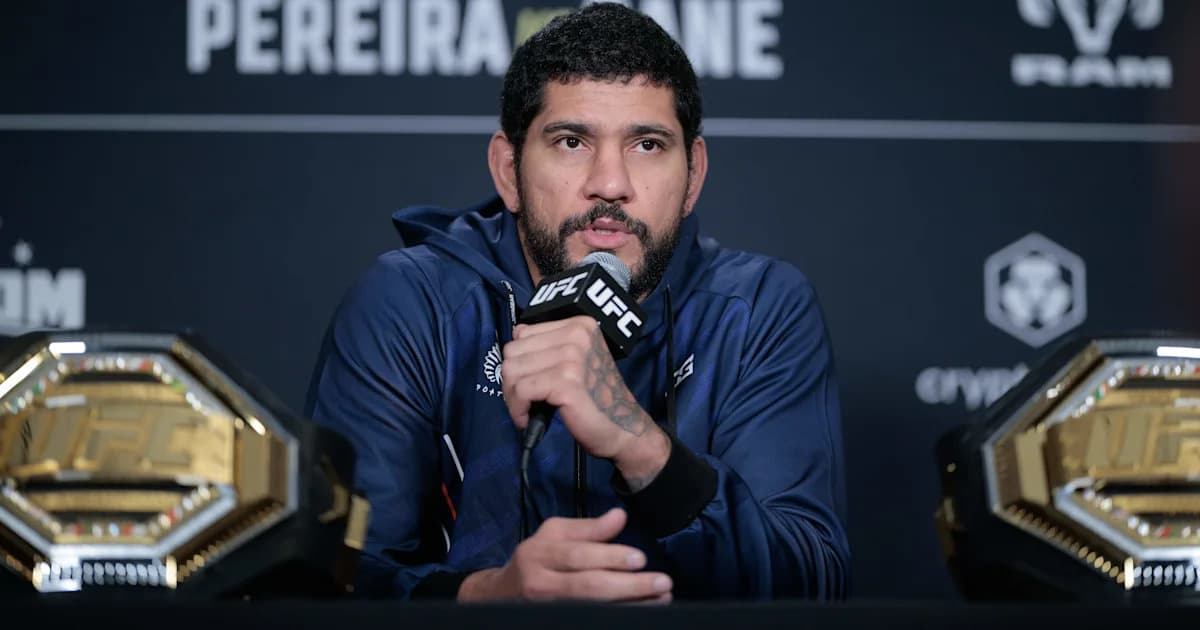
Alex Pereira Hints at Major UFC Bout: 'Big Challenge' Ahead
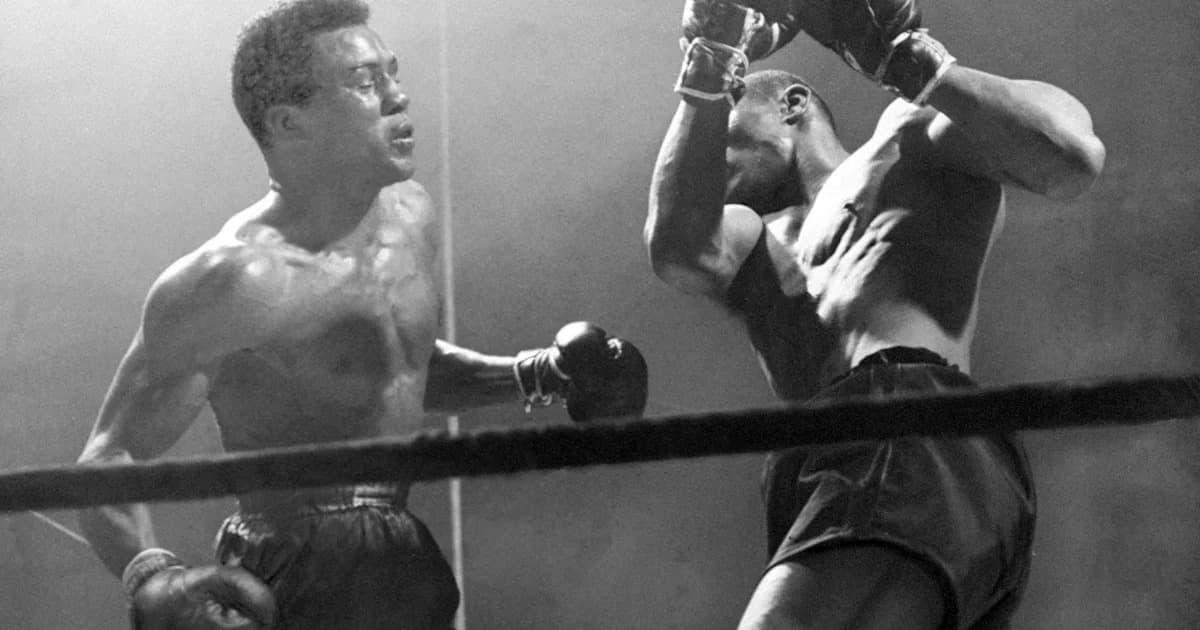
Three Hall of Famers, Ten Fights, 109 Rounds: The Forgotten Rivalry That Shaped Lightweight Boxing's Golden Era
Khamzat Chimaev and Colby Covington Set for RAF Abu Dhabi Title Clash in November
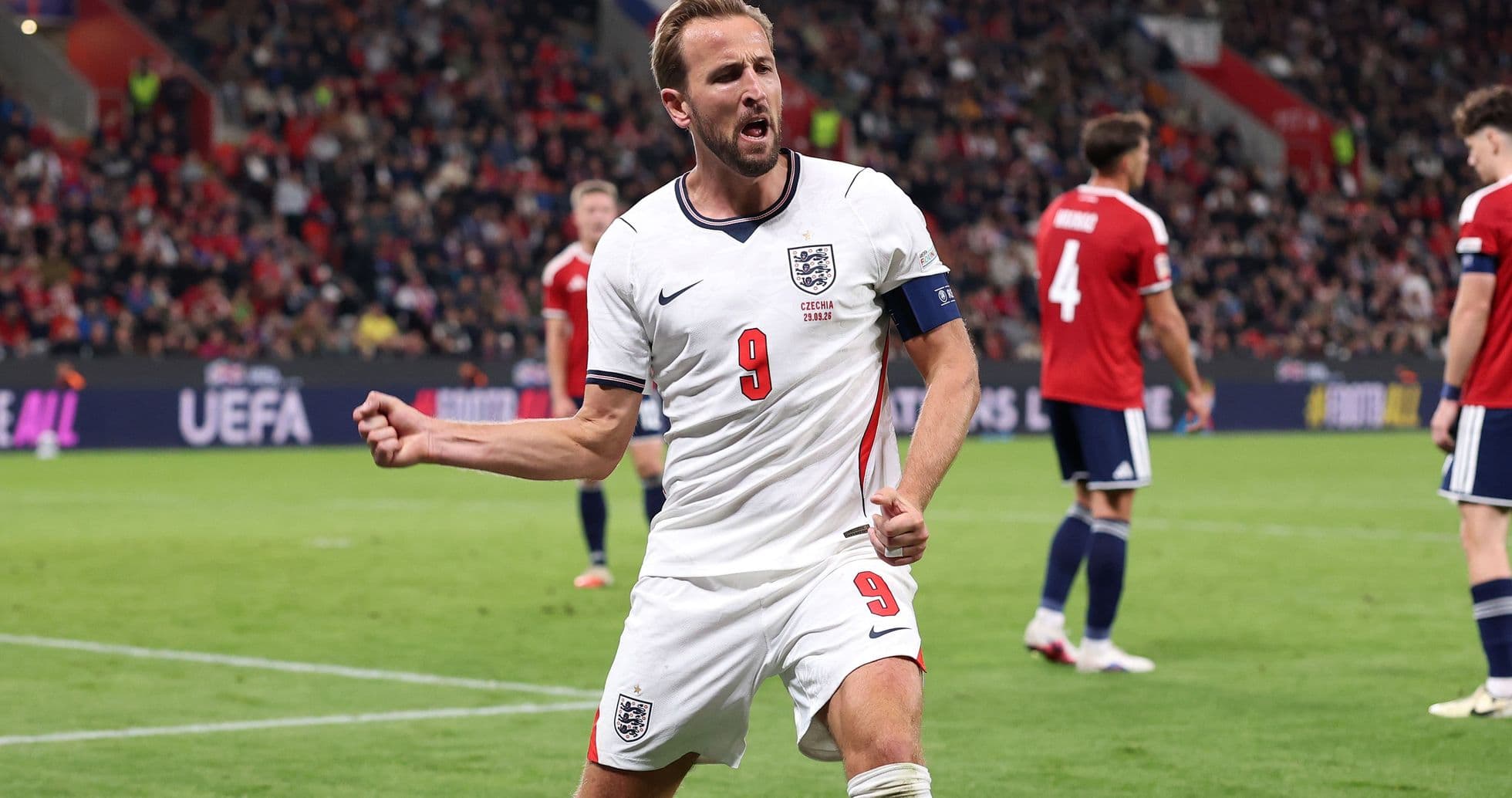
Thomas Tuchel Confident Harry Kane Will Join 100-Goal Club for England Soon
Cristiano Ronaldo Vows to Reveal Truth After Leaving Portugal Squad Amid Conflict