
France’s Tactical Domination Over Sweden in World Cup Match
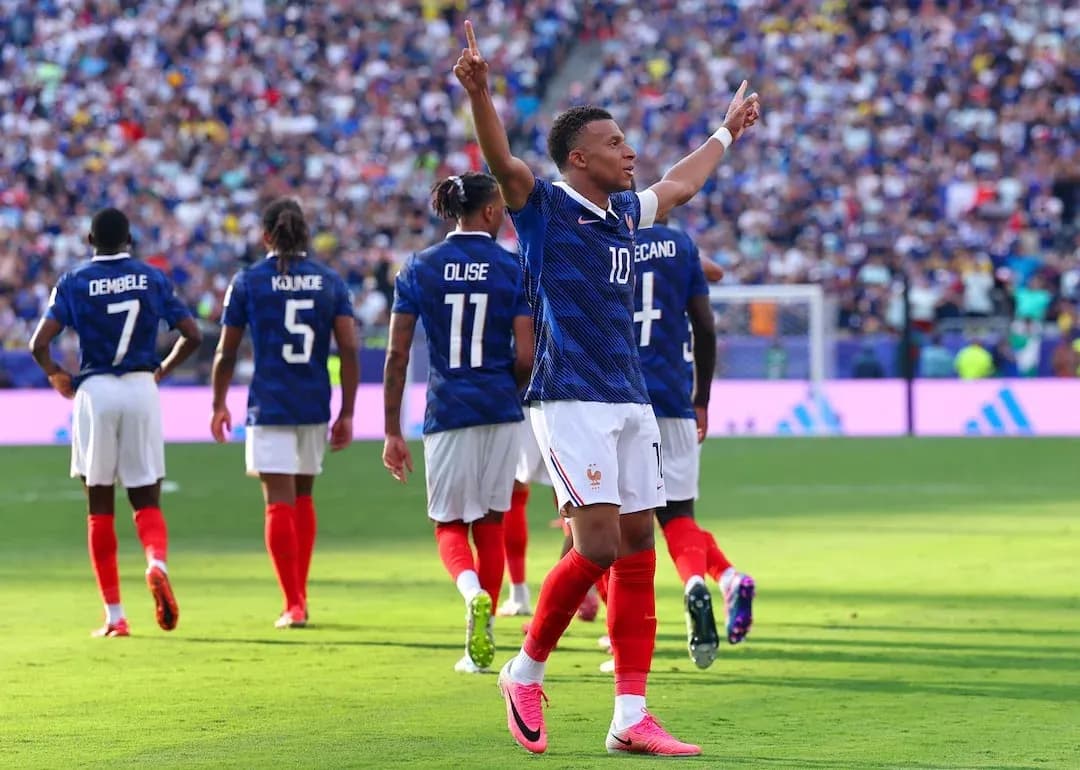
France’s 3-0 win over Sweden at MetLife Stadium in this World Cup Round of 32 tie was a tactical domination built on structural superiority, vertical threat from the three behind the striker, and a well-balanced double pivot. Didier Deschamps’ 4-2-3-1 controlled both territory and tempo, while Graham Potter’s 4-4-2 struggled to get pressure on the ball or protect the central lanes. The raw numbers – 61% possession, 25 total shots to 8, and a 3.17 vs 0.65 xG split – simply confirmed what the shape and patterns already showed on the pitch.
France’s base structure was clear: Mike Maignan in goal behind a back four of Jules Koundé, Dayot Upamecano, William Saliba and Lucas Digne; Aurélien Tchouaméni and Adrien Rabiot as the double pivot; Ousmane Dembélé (right), Michael Olise (central) and Bradley Barcola (left) supporting Kylian Mbappé as the lone striker. In possession this became a 2-3-5, with Koundé and Digne providing controlled width from deep, Tchouaméni dropping between or beside the centre-backs to start play, and Rabiot stepping higher to connect with Olise between the lines.
The key tactical mismatch came between France’s three advanced midfielders and Sweden’s flat 4-4-2 block. Lucas Bergvall and Yasin Ayari started as the central pair in front of the Swedish back four, with Anthony Elanga and Elliot Stroud wide and Viktor Gyökeres plus Alexander Isak up front. In this shape, Sweden often had only two central midfielders trying to screen passes into Olise, while Dembélé and Barcola held the wide midfielders deep and narrow. France repeatedly created a free man between the lines: either Olise in the No.10 pocket, or Mbappé dropping short, with Dembélé and Barcola pinning the Swedish full-backs.
France’s 16 shots inside the box underline how effectively they invaded the penalty area. They did not rely on hopeful crosses: instead, they used short combinations and diagonal runs. On the right, Koundé’s conservative positioning allowed Dembélé to receive high and wide, then drive infield onto his left, drawing defenders and freeing the half-space for Olise’s late arrivals. On the left, Barcola’s direct dribbling forced Gabriel Gudmundsson back, which in turn opened pockets for Mbappé to attack the channel between Gudmundsson and Victor Lindelöf.
The first-half pattern was one of patient French circulation followed by sudden vertical accelerations. With 551 passes at 88% accuracy, France moved Sweden from side to side until a gap appeared. Tchouaméni’s role was crucial: he rarely vacated the central lane, anchoring rest defence and allowing both full-backs to step into higher lines when needed. Rabiot, by contrast, oscillated between supporting the build-up and making underlapping runs beyond Barcola, which helped overload Sweden’s right side and pull their midfield line out of shape.
Sweden’s 4-4-2 press rarely bit. Gyökeres and Isak tried to angle their runs to screen passes into Tchouaméni, but France simply dropped him a line deeper or used Maignan as an extra outfield player to create a 3v2 at the back. Once France broke the first line, Bergvall and Ayari were forced to retreat rather than step out, wary of Olise and Mbappé between the lines. As a result, Sweden’s pressure line often collapsed into a mid-to-low block, ceding 61% of the ball and allowing France to dictate the rhythm.
Out of possession, France were equally well-drilled. Their 4-4-2 defensive shape emerged as Olise stepped up alongside Mbappé, with Dembélé and Barcola dropping to form a midfield four. This gave France strong horizontal coverage and allowed them to funnel Sweden’s build-up into wide areas. Sweden’s 8 total shots, only 3 on target, reflect how rarely they managed to access central finishing zones. Most of their threat came in transition when Elanga or Gyökeres could carry the ball into space, but France’s centre-backs, particularly Saliba, defended large spaces confidently, and Tchouaméni’s positioning cut off many early passes into the forwards.
The substitution pattern from Deschamps reinforced control rather than changing the structure. Malo Gusto (IN) came on for Jules Koundé (OUT), maintaining the same right-back profile but with fresh energy to defend transitions. Désiré Doué (IN) replaced Ousmane Dembélé (OUT), slotting into the right-sided role with license to drift inside. Theo Hernández (IN) for Lucas Digne (OUT) brought a more aggressive overlapping threat on the left, but France were already 3-0 up and could afford to push him higher. Later, Jean-Philippe Mateta (IN) for Michael Olise (OUT) gave a more classic No.9 presence, with Mbappé able to rest once Rayan Cherki (IN) replaced him, but the team’s basic 4-2-3-1 spacing remained intact.
Potter’s changes aimed to inject creativity and legs into midfield and attack. Besfort Zeneli (IN) came on for Elliot Stroud (OUT), adding more ball-carrying from wide. Taha Abdi Ali (IN) replaced Lucas Bergvall (OUT), trying to give Sweden more dynamism between the lines. Benjamin Nygren (IN) for Yasin Ayari (OUT) and Mattias Svanberg (IN) for Daniel Svensson (OUT) adjusted the balance between solidity and forward runs, while Gustaf Nilsson (IN) for Alexander Isak (OUT) offered a more physical reference up front. Yet the underlying structural issue remained: Sweden’s 4-4-2 struggled to cope with France’s overloads in central zones and half-spaces.
From a statistical perspective, the outcome was entirely aligned with the underlying numbers. France’s 3.17 xG from 25 shots, including 12 on target and 4 blocked, reflects sustained territorial dominance and high-quality chance creation. Sweden’s 0.65 xG from 8 shots shows that while they did fashion some moments – 7 of their attempts came from inside the box – they were largely forced into pressured or wide-angle efforts.
Goalkeeper performance underscores the tactical story. Mike Maignan (France) was asked to make only 3 saves, a testament to the protection offered by the structure in front of him and the way France controlled where Sweden could shoot from. Jacob Widell Zetterström (Sweden), by contrast, made 9 saves and still conceded three times; the Swedish goalkeeper’s workload highlights how frequently France broke into dangerous areas. Both keepers are credited with 1.16 goals prevented, indicating that Maignan’s interventions were quietly important despite the scoreline, while Widell Zetterström limited what could have been an even heavier defeat.
France’s defensive discipline – 14 fouls but no cards – showed a side comfortable committing tactical infringements without losing control. Sweden’s 10 fouls similarly stayed within bounds. The 9-1 corner count to France further illustrates the territorial tilt: France repeatedly pinned Sweden back, forcing clearances and last-ditch blocks, while Sweden rarely sustained pressure long enough to earn set-piece platforms.
Overall, this was a match where structure, spacing and role clarity allowed France to turn technical superiority into territorial and chance dominance. The 3-0 scoreline, the xG gap, and the passing and shooting volumes all align to paint the same picture: a controlled, methodical dismantling of a 4-4-2 that could neither press high effectively nor protect its own box.
Related News
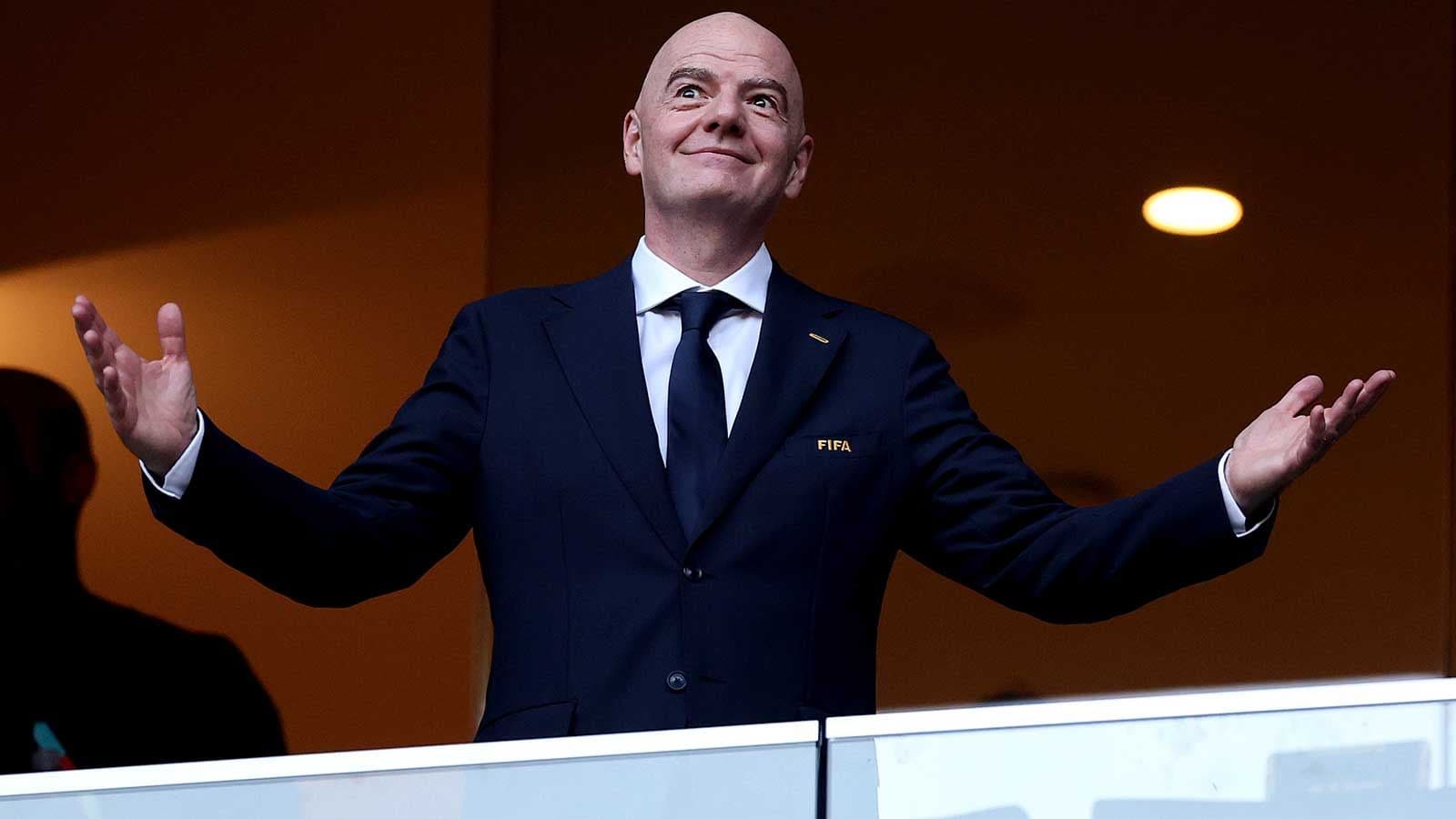
FIFA Dismisses COO Kevin Lamour After Criticizing Infantino’s World Cup Investment Plan
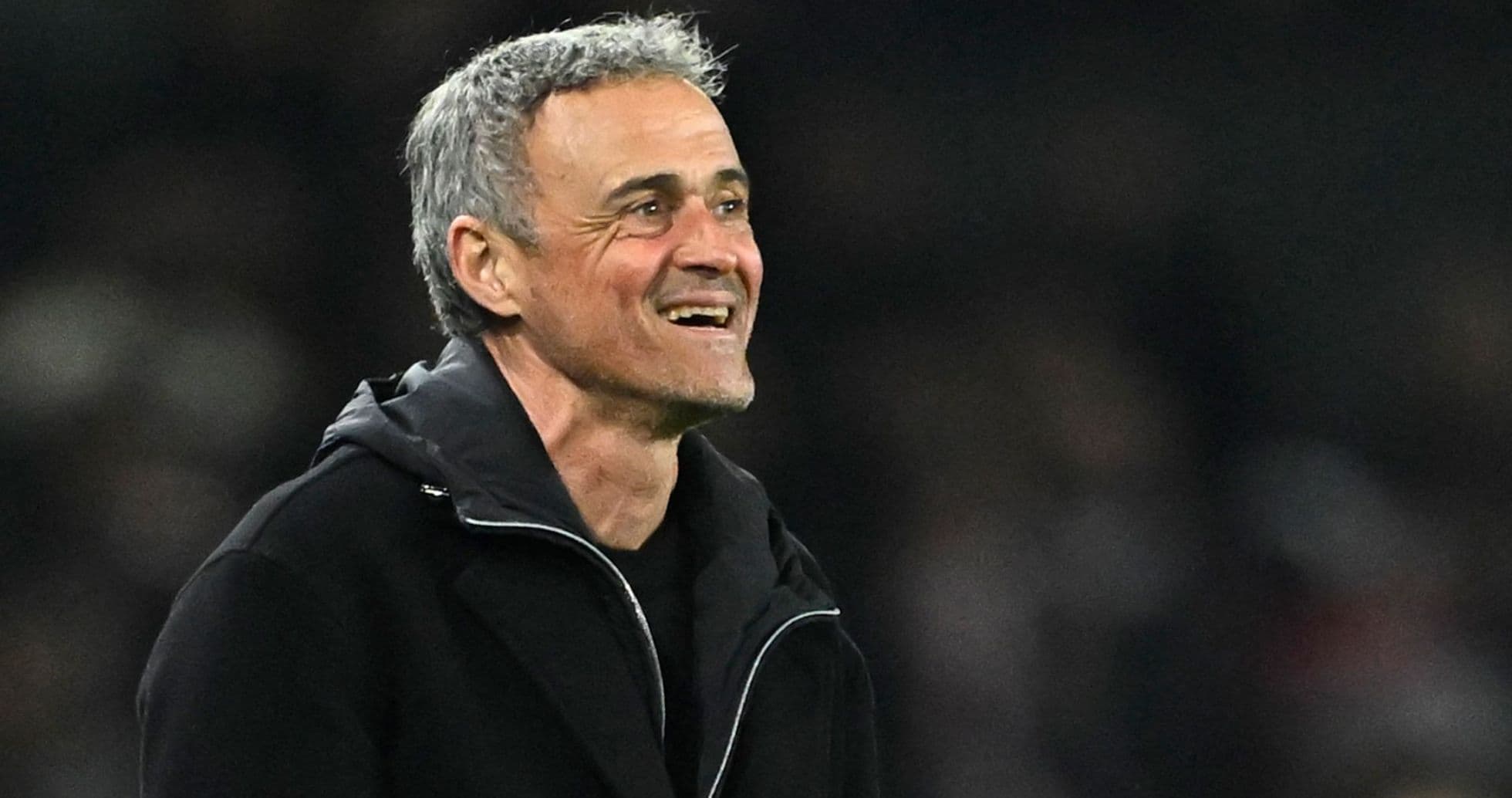
PSG Near €55m Deal to Sign World Cup Star Ferran Torres from Barcelona
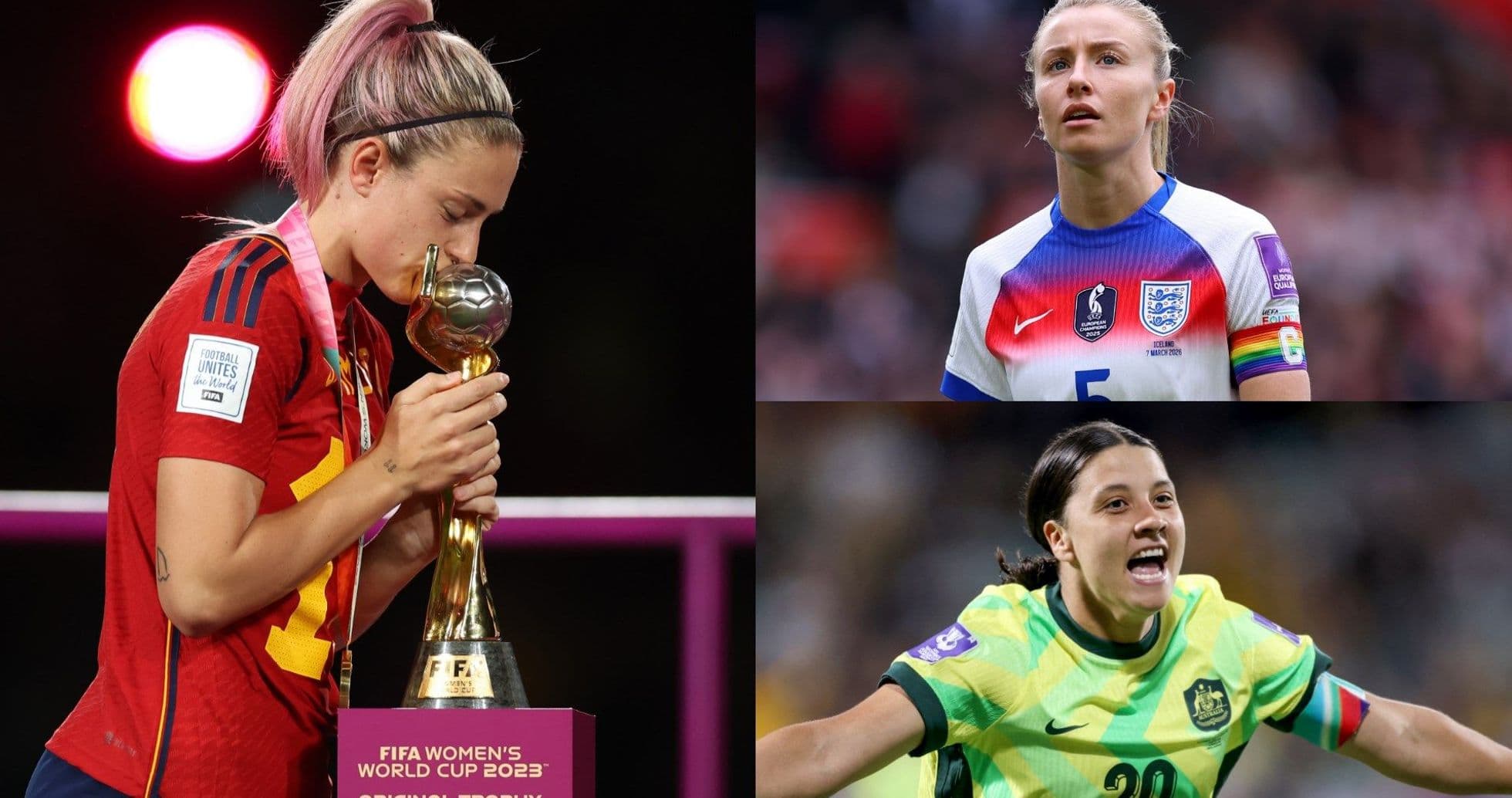
Qualified Teams for the 2027 Women’s World Cup in Brazil: Complete List

Premier League 2026-27 Season Preview: Arsenal's Title Defense, Fresh Faces, and What Lies Ahead
Carlo Ancelotti Supports Neymar’s World Cup Selection as Brazil Legend Retires
Leandro Paredes Returns to Action Just Days After World Cup Final Controversy