
Fulham 2025-26 Preview: A New Era Under Álvaro Arbeloa
Guardian writers’ predicted position: 15th
Last season’s position: 11th
Silva era ends, Fulham reset
Marco Silva’s departure after five years by the river felt inevitable long before it was confirmed. He had dragged Fulham back into the Premier League’s middle class, given them an identity, and made Craven Cottage a place where top sides could suffer. But he also made no secret of his frustration. He wanted European nights and heavier backing; the numbers on the balance sheet told a different story.
Under Silva, Fulham were fun. Spiky, awkward, occasionally chaotic, but fun. A group of undervalued players turned into a team that looked up the table, not down at the trapdoor. They fell short of Europe, yet rarely flirted with the relegation fight. For a club that has spent years yo-yoing, that stability was no small achievement.
Now the club have chosen a very different road.
Álvaro Arbeloa arrives with Real Madrid on his CV but little frontline managerial experience. This is not a like-for-like replacement. It is a pivot. A World Cup and Champions League winner replacing a coach who built his reputation in dugouts rather than dressing rooms.
Arbeloa does not come alone. Gonzalo García and César Palacios, both shaped in Madrid’s youth system under him, have followed. They share the same agency, the same footballing education and, now, the same London project. Links to Endrick and Thiago Pitarch have added to the impression that Fulham are becoming a satellite campus for the Bernabéu – a kind of Madrileño nursery on the Thames.
If that pipeline truly opens, Fulham change again. Not just a mid-table Premier League club, but a finishing school for Real Madrid talent. The upside is obvious. So is the risk.
From hard-bitten pros to polished prospects
Silva trusted experience. He built around hardened professionals, players who knew the league and its scars. Two of his lieutenants, Raúl Jiménez and Harry Wilson, have now gone. Jiménez, the old warrior up front. Wilson, who produced the best football of his career last season, has followed Silva’s path in one respect: he found a better offer, from Leeds.
The new strategy is clear: buy young, polish, and hope to sell high. Brentford, Brighton and Bournemouth have already turned that model into a competitive edge with data-driven precision. Fulham are trying to jump into that lane late, with a new coach, a new recruitment profile and a fanbase that has only just got used to mid-table comfort.
Can they match those peers in smart scouting and ruthless trading? Or does this tilt towards youth drag them back into the scrap at the bottom? An already enigmatic club has managed to become even harder to read.
Off the pitch: luxury, losses and limits
Craven Cottage has never looked glossier. The Riverside Stand, with its gleaming hospitality suites, completed its first full season in service and helped Fulham finish runners-up in the football business awards for stadium experience in May. Matchday at the Cottage can now feel like a high-end event as much as a football fixture.
The numbers behind the scenes are less glamorous. The 2024‑25 accounts showed a pre-tax loss of £44.5m. That figure was softened by the sale of João Palhinha in July 2024. There has been no comparable windfall since. Staff costs sit at 117% of turnover, a stark reminder of why Silva never got the transfer backing he craved.
The Khan family’s commitment is not in doubt on paper. Overall investment is estimated at about £900m. Yet the financial strain explains the pivot towards youth and resale value. Fulham need the Riverside Stand not just as a vanity project, but as a vital revenue stream to keep Premier League status sustainable.
Tension in the stands
The most expensive season ticket at Craven Cottage now costs £3,084, granting access to those plush Riverside facilities. It is the highest-priced season ticket in the Premier League. That figure has become a symbol of the disconnect between ownership and the core support.
Shahid Khan and his son Tony, vice-chair and director of football operations, have drawn increasing anger for price hikes and an approach many fans see as courting tourists at the expense of regulars. Stories of Khan’s superyacht Kismet – named superyacht of the year in 2025, its main salon modelled on Versailles and available to charter for more than $3m a week – have not helped the optics.
The accounts show heavy investment. The terraces see rising costs and a sense that the club’s soul is being tested. Fulham may be secure in the Premier League for now, but the relationship between owners and match-going fans is far less stable.
Arbeloa’s brief: youth, style and survival
Where Silva grafted his way into management after an unremarkable playing career, Arbeloa steps in with medals and memories from the game’s highest stage. He played among the elite, won everything, and retained the ear of Florentino Pérez, who even asked him to replace Xabi Alonso mid-season in the 2025‑26 campaign. That move never materialised. Instead, his first senior job away from Madrid is on the banks of the Thames.
At Real he was a respected youth coach. At Fulham, he is the face of a philosophical shift. Khan Sr has already underlined that Arbeloa “believes in giving young players a chance”, a pointed remark that frames the club’s new direction. The key, though, is not just youth. It is how they play.
Arbeloa’s belief in open, attacking football dovetails with Fulham’s recent identity. The Cottage crowd has grown used to front-foot games, even when it meant taking a few punches. On that front, there is continuity. The question is whether a novice Premier League manager can maintain that style while bedding in youngsters and keeping the club clear of trouble.
Gonzalo García: the headline act
Gonzalo García is the name on the back of the new shirt and the one carrying the weight of expectation. His reputation exploded at last summer’s Club World Cup, where he took the Golden Boot and earned comparisons with Raúl – praise that still carries serious weight at the Bernabéu.
He backed that up with goals in the Champions League against Juventus and Borussia Dortmund. Then the reality of Madrid’s galáctico ecosystem hit. With Vinícius Júnior and Kylian Mbappé occupying the limelight and the left-hand channel, García became a victim of the star system rather than its latest beneficiary.
In Spain, his calling card is his work without the ball. He presses, he harries, he runs. Those traits are essential for a forward in the Premier League, where centre-forwards are expected to defend from the front as much as finish. Fulham needed that energy. Last season, Rodrigo Muniz’s injuries left Jiménez to carry the load at centre-forward. The Mexican fought hard but the miles in his legs showed.
García is younger, fresher, and arrives with a glow of hype that can light up or burn. Fulham need him to handle both.
Numbers that demand a response
For all the attacking verve, Fulham’s underlying numbers last season told a story of fatigue. They fielded the oldest side in the Premier League. That age profile fed into a pressing game that barely existed by top-flight standards.
Silva’s team recorded the fewest high turnovers in the division – those moments when a side wins the ball back in the final 40 metres and launches a new open-play attack. Real Madrid are not famous for suffocating opponents high up the pitch, yet even they comfortably outperformed Fulham on that metric.
Arbeloa cannot ignore those figures. Younger legs should help. But does he push Fulham into a more aggressive press, risking space in behind, or maintain a more measured block and trust his forwards to make the difference? His answer will define the team’s shape – and possibly their season.
The next wave: Kusi-Asare and beyond
Jonah Kusi-Asare is another bet on the elite’s overflow. Fulham plucked him from Bayern Munich last summer, continuing the trend of mining super-club academies. Bayern insisted on a buy-back clause, a clear sign of how highly they rate a player first signed from AIK.
The Sweden Under-21 international made seven substitute appearances last season without scoring before his initial loan became a permanent move. The numbers do not jump off the page, but the profile does. At 6ft 5in, he offers something very different to García – a towering, mobile presence who can attack crosses, pin centre-backs and change the dynamic of a game late on.
Hayden Mullins, now Newport manager but formerly Fulham’s under-21 coach, saw the best of Kusi-Asare last season, watching him score five goals in six youth matches. The pathway is there. The opportunity, under Arbeloa, should be too.
World Cup echoes
The World Cup left its fingerprints on this squad. García made his debut for Spain in a pre-tournament friendly against Iraq but missed the final cut as La Roja went on to lift the trophy without him. Antonee Robinson enjoyed an excellent tournament for the USA, bombing on from left-back until the co-hosts fell in the last 16 to a Belgium side featuring Timothy Castagne.
Luc de Fougerolles, still waiting for a Premier League minute, showcased his composure and defensive instincts in Canada’s run to the knockout stages. And then there was Sander Berge. The Norwegian midfielder produced a commanding tournament as Norway reached the quarter-finals, underlining his importance as Fulham’s midfield anchor in a season of change.
These are not just nice stories. They are markers of a squad with international pedigree, even as the club leans into youth and potential.
An enigmatic season ahead
Fulham stand at a crossroads that feels oddly familiar and completely new at the same time. The club that once could not stop bouncing between divisions now looks relatively secure in the Premier League, yet has chosen a high-variance path: a rookie top-flight manager, a Real Madrid-flavoured recruitment drive, a younger squad, and an ownership model under scrutiny from its own fans.
The Guardian’s writers see them in 15th. Safe, but glancing nervously over their shoulders. If Arbeloa’s experiment with youth and attacking football clicks, that prediction may look cautious by spring. If it doesn’t, those same bold decisions could drag Fulham back into a fight they thought they had left behind.
Which version of Fulham emerges – the stylish finishing school for Europe’s elite, or the side scrambling for points in April rain – will define not just this season, but the club’s next chapter on the Thames.
Related News
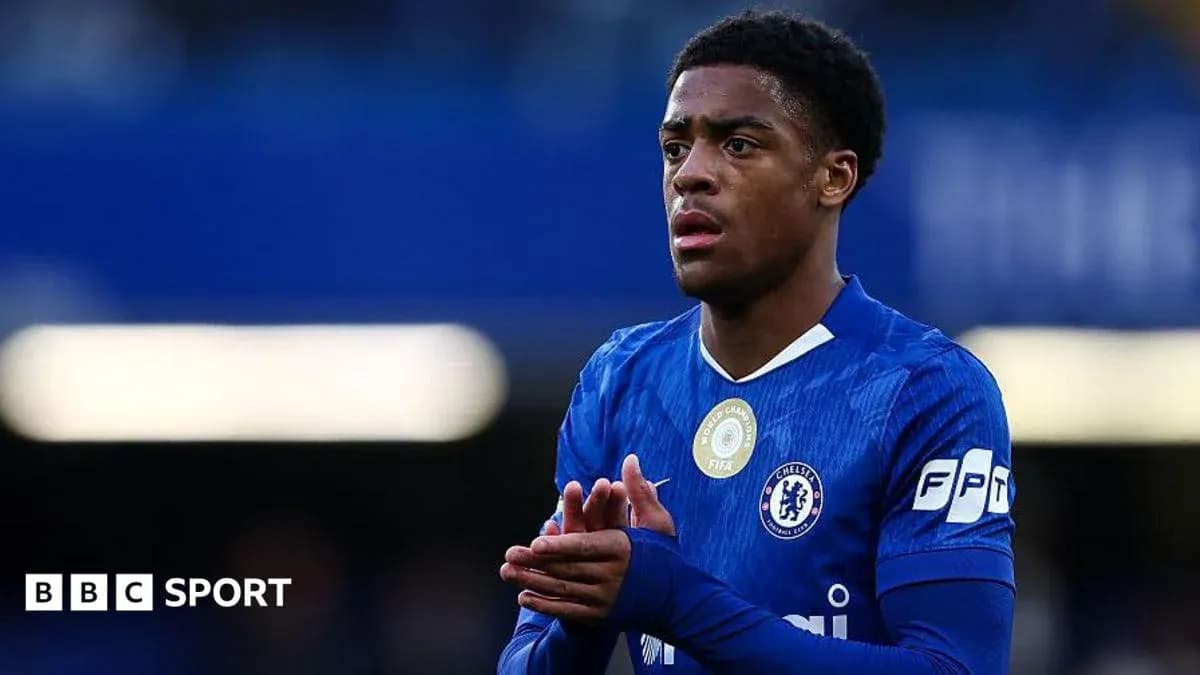
Portsmouth Sign Chelsea Starlet Ryan Kavuma-McQueen on Loan

Manchester City Targets Enzo Fernandez Amid Rodri Exit
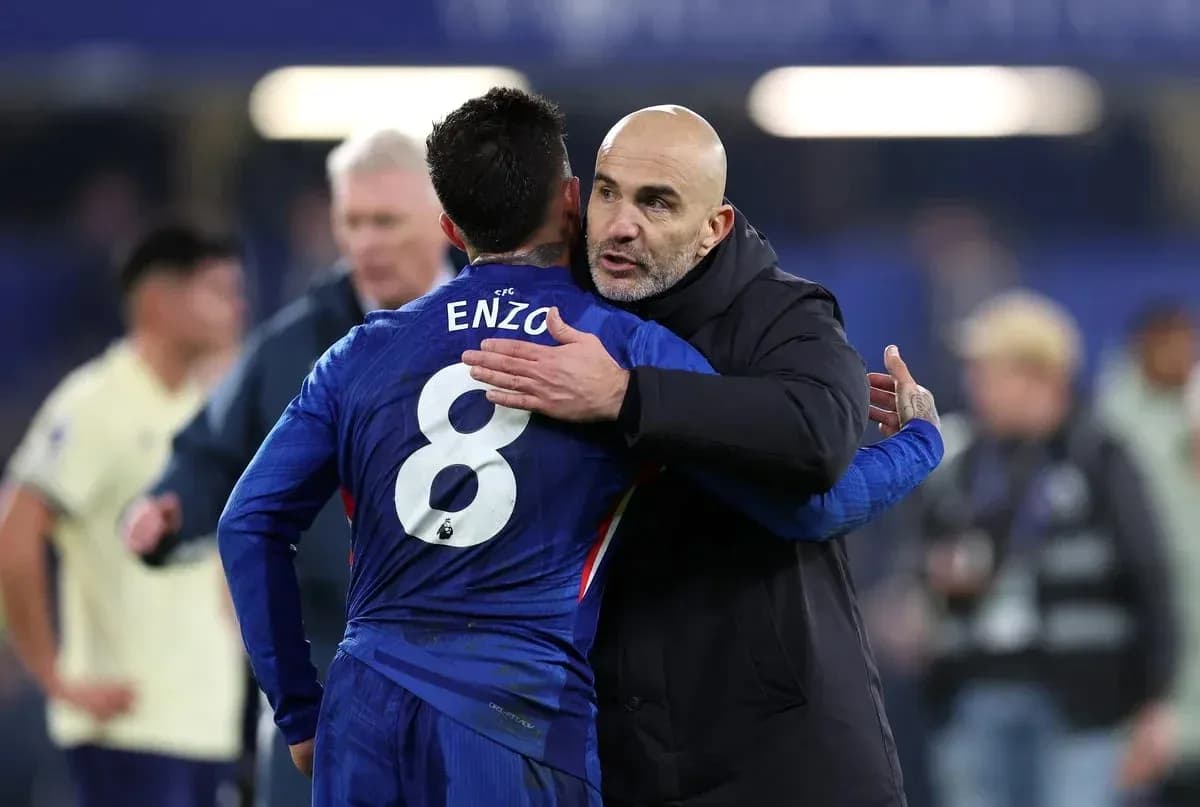
Maresca Dismisses Enzo Fernandez Transfer Amid Chelsea Deadline
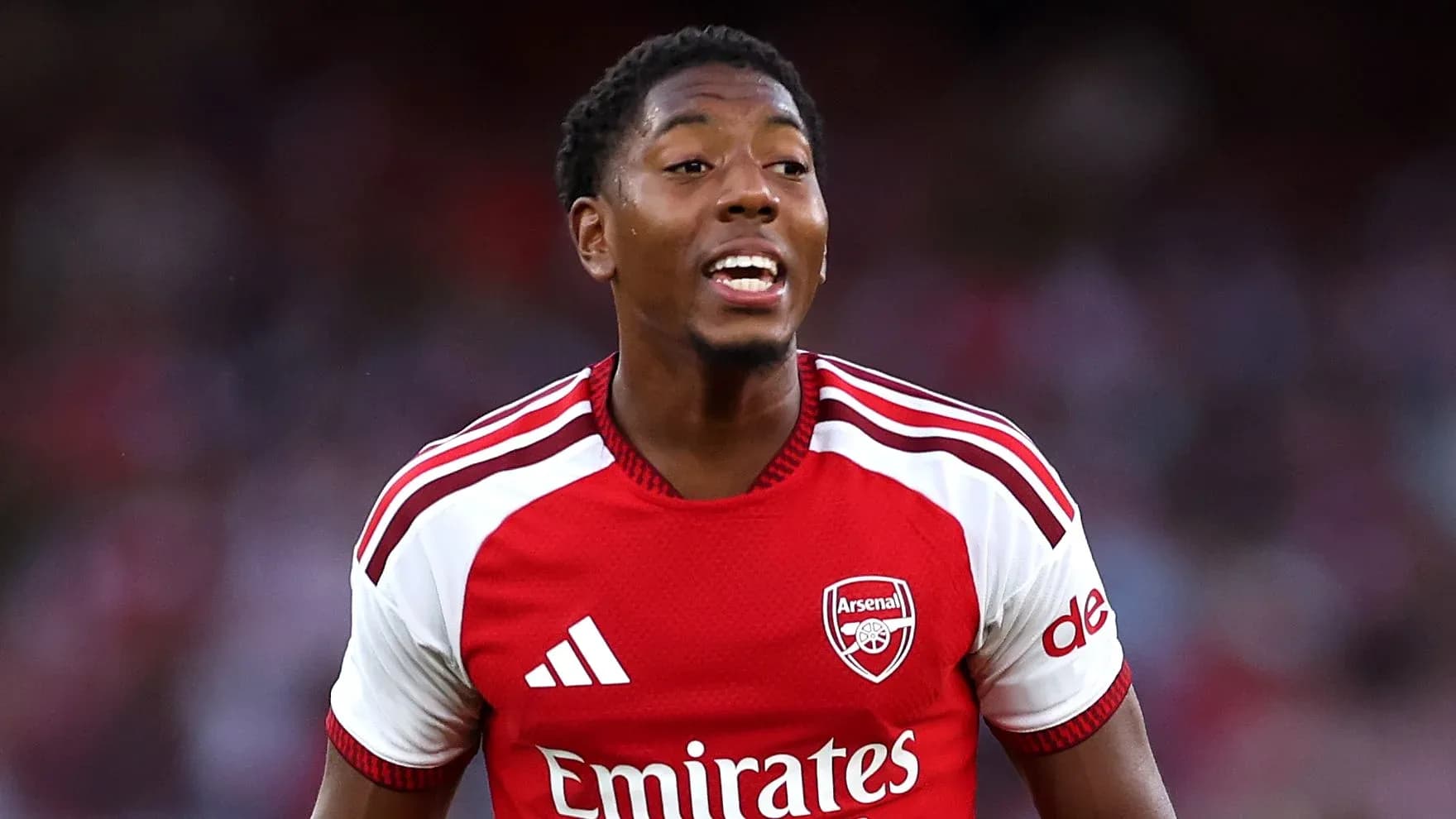
Jamie Carragher Critiques Arsenal's Decision on Myles Lewis-Skelly
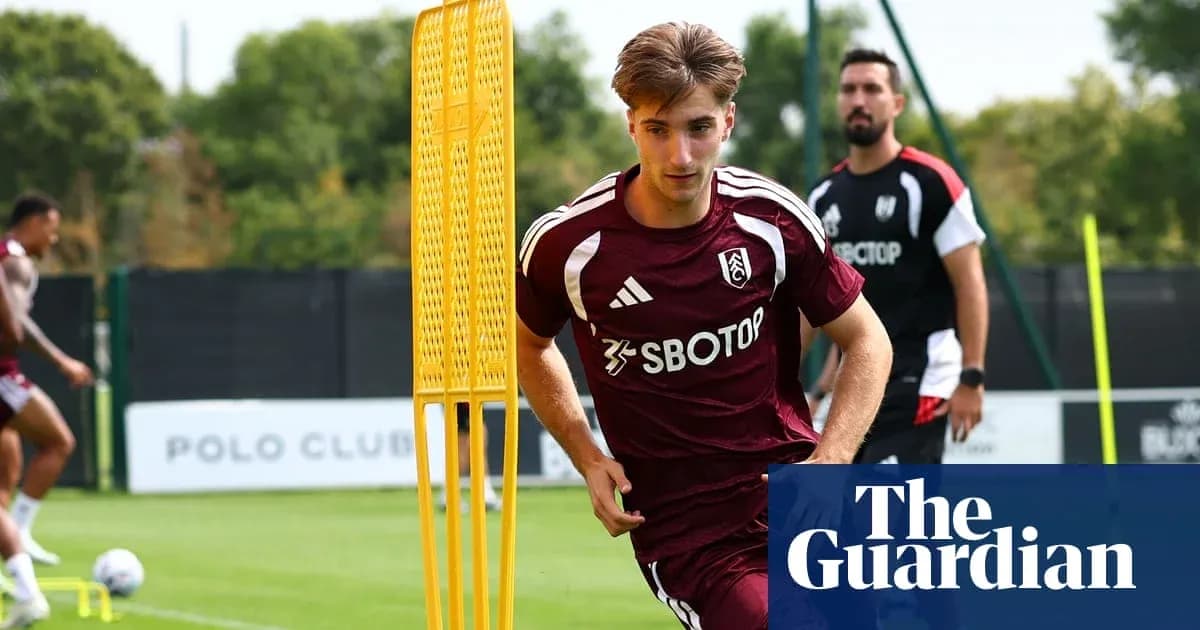
Fulham 2025-26 Preview: A New Era Under Álvaro Arbeloa

Julian Alvarez Commits to Atletico Madrid Amid Barcelona Interest