
Germany Faces Challenge to Retain Luka Vuskovic as Croatia Pursues Talent
Germany’s long-running struggle to hold on to its dual-national talents has a new, urgent chapter: Luka Vuskovic.
The 19-year-old Schalke midfielder, who only just broke into the first team with a debut against Bayern Munich, has caught the eye of the Croatian Football Federation. According to German outlet “Bild”, Croatia have stepped up their pursuit, leaning heavily on his Croatian roots and the fact he remains completely unattached at international level.
That detail is crucial. Vuskovic has never represented any country at youth level, nor has he played a single minute for the German senior side. As “SPOX” reports, that leaves the teenager with a clean slate and the freedom to choose between Germany and Croatia without any bureaucratic hurdles.
Whether the German Football Association have actually sat down with the player or his camp is still unknown. There is no confirmation of formal talks. But his rapid rise in Gelsenkirchen is turning quiet interest into a looming dilemma. Thrown into the spotlight with his first appearance against Bayern in the second round of the league season, Vuskovic suddenly looks like the kind of profile Germany cannot afford to ignore.
Schalke have already made their move. Last Thursday, the club announced a contract extension for the defensive midfielder until 2029. That decision followed a summer in which, according to reports, several 2. Bundesliga sides tried to lure him away. Schalke shut the door and nailed down his future at club level. His international future, though, is wide open.
A familiar problem for Germany
Vuskovic’s situation drops neatly into a pattern that is beginning to alarm German football. The national setup has watched a series of dual-national players slip away in recent years.
One of the clearest examples is right on Vuskovic’s doorstep in the Schalke dressing room. Team-mate Soufiane El Fouzi chose to represent Morocco, adding his name to a growing list of players who developed in Germany but pledged for another country. Can Uzun and Kenan Yildiz also turned their backs on the German pathway after time in the youth teams, opting instead to wear the Turkey shirt.
The tug-of-war extends beyond midfielders and playmakers. Paris Brunner, one of the most talked-about young forwards in the country, has not closed the door on another nation either. He received his first call-up to the Germany under-21 side on Friday, yet the Democratic Republic of the Congo are still in the frame. Their coach, Sebastien Desabre, has confirmed contact with the player’s parents and underlined that there will be no pressure on Brunner as he weighs up his options.
Not every story ends with Germany on the losing side.
Some wins in the talent race.
There have been successes that offer at least some relief in Frankfurt. Antonio Di Salvo, coach of the Germany under-21 team, recently expressed his satisfaction that Nnamdi Banks and Louai Ben Farhat have decided to stay on what he called the “German path”.
Banks had attracted interest from the United States and looked at one stage like another candidate to depart the system. Ben Farhat, meanwhile, has already played twice for Tunisia, but those outings came in non-official matches, meaning he still has the right under FIFA rules to switch allegiance. For now, both are committed to Germany.
The contrast is stark. Some talents are being tied down early, reassured, integrated, given a clear vision. Others, like Vuskovic, are being watched from a distance while rival federations move decisively.
Croatia’s interest has turned his case from a quiet file into a pressing issue. Schalke have done their part by locking him in until 2029. The question now is whether Germany will move with the same conviction before another promising prospect slips through their fingers.
Related News
Andoni Iraola Defends Florian Wirtz and Bradley Barcola
Raheem Sterling Pleads Guilty After Dangerous Driving Incident
Liverpool Stand Firm on Florian Wirtz Amid Bayern Munich Links
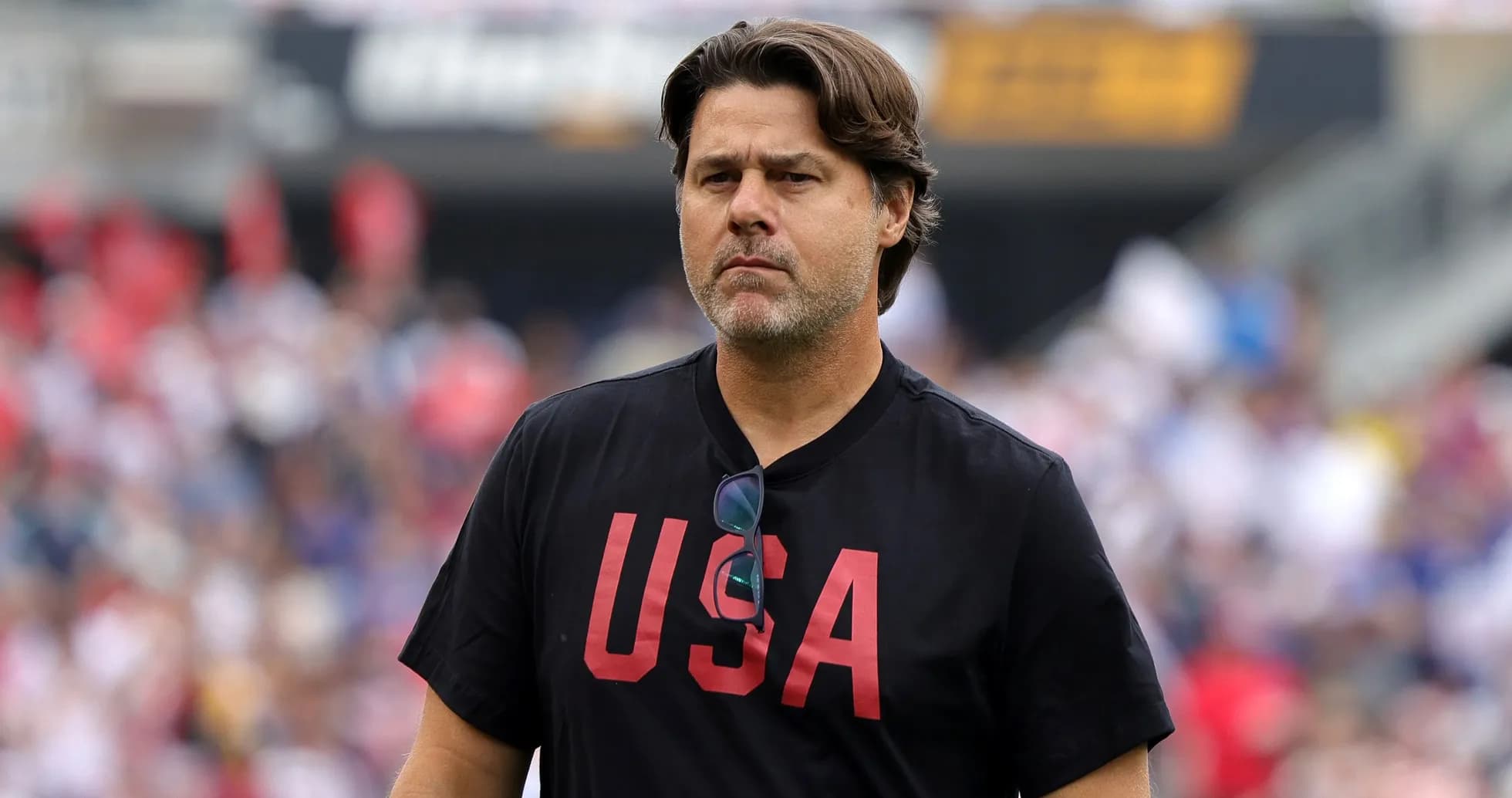
Augsburg Prodigy Banks Chooses Germany Over USMNT
Iraola Defends Wirtz and Barcola Ahead of Bournemouth Clash
Kylian Mbappé Leaves Nike for On Holding: A New Era in Football Boots