
Gornik Zabrze vs Fenerbahçe: Tactical Breakdown of the 1-1 Draw
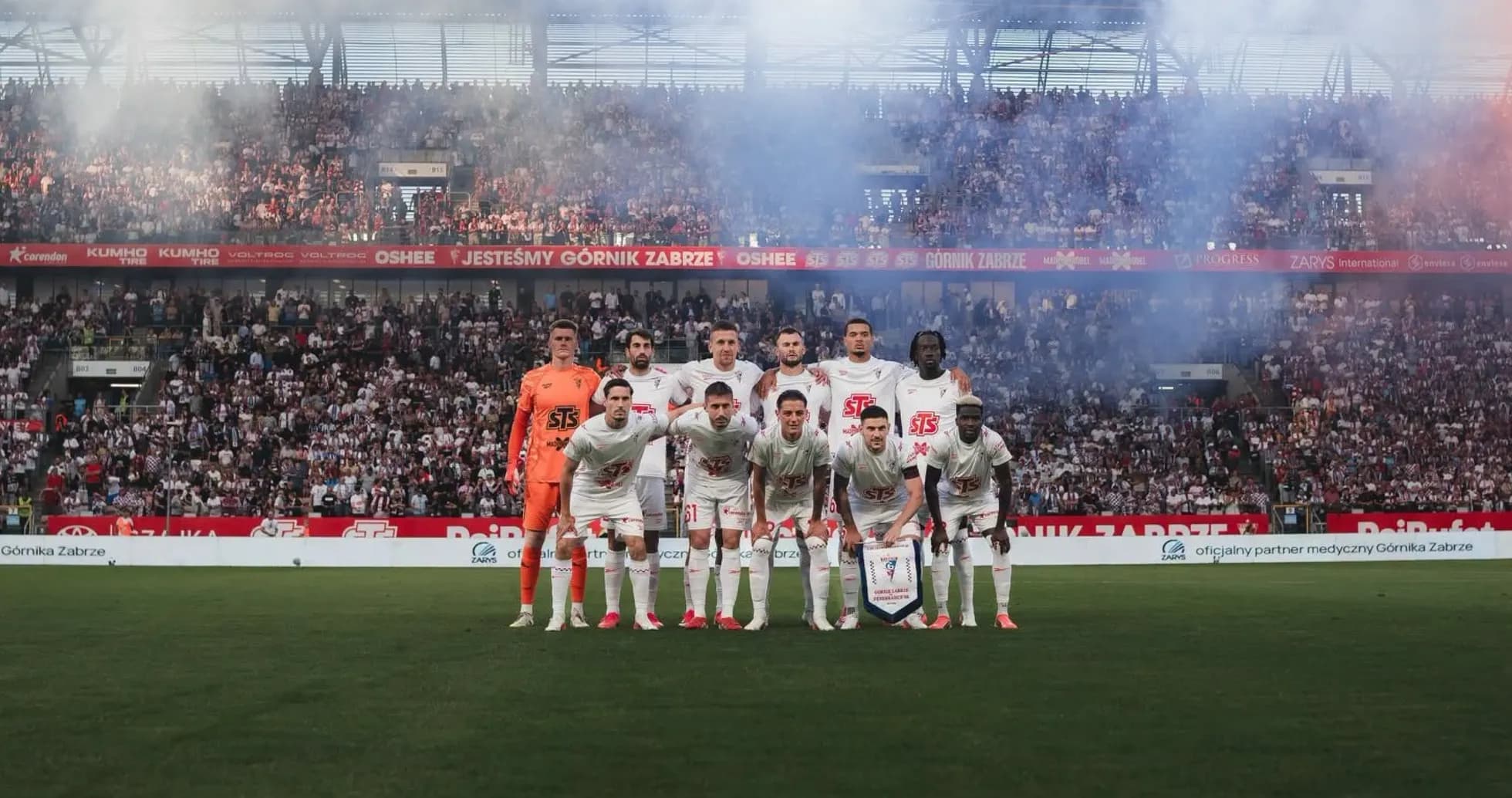
The 1-1 draw at Stadion im. Ernesta Pohla unfolded as a structurally rich tactical contest between Gornik Zabrze’s 4-1-4-1 and Fenerbahçe’s 4-2-3-1, with both sides leaning heavily into their identities: Gornik through vertical, wing-oriented surges and Fenerbahçe through possession control and half-space playmaking. Despite the parity on the scoreboard, the underlying patterns show a game where Gornik engineered higher-quality final actions, while Fenerbahçe dictated tempo and territory for long spells.
Gornik Zabrze's Structure
Gornik’s 4-1-4-1 was built around a clear single-pivot structure. Maximilian Dietz sat as the lone holding midfielder in front of a back four of Erik Janža, Josema, Rafał Janicki and Michal Sáček, with Kacper Urbański and Lukáš Sadílek as advanced interiors. Taofeek Ismaheel and Yvan Ikia Dimi operated as wide midfielders supporting Erik Prekop as the lone forward. Out of possession, this often flattened into a 4-5-1 mid-block, with the wide men dropping alongside the eights to narrow central lanes and force Fenerbahçe wide.
The statistical profile underlines how well this structure translated into chance creation. Gornik generated 15 total shots, with 6 on goal and 5 blocked, despite having slightly less of the ball (48% possession). The key detail is that only 5 of those attempts came from inside the box, meaning Gornik were prepared to shoot from range and use second balls rather than insist on deep box occupation. The 9 corner kicks they earned show how their directness and wing play repeatedly forced Fenerbahçe into last-ditch defensive actions.
Fenerbahçe's Approach
Fenerbahçe’s 4-2-3-1, with Fred and Mattéo Guendouzi as the double pivot, was designed to control rhythm. They completed 432 passes to Gornik’s 379, with a striking 372 accurate passes at an 86% success rate, compared to Gornik’s 297 accurate at 78%. That technical security underpinned their 52% possession and allowed them to circulate the ball patiently through the back line of Jayden Oosterwolde, Nathan Aké, Milan Škriniar and Nélson Semedo, before feeding the advanced line of Kerem Aktürkoğlu, Marco Asensio, İrfan Can Kahveci and Talisca.
Yet the shot map tells a different story. Fenerbahçe produced 14 total shots but only 2 on goal, despite 10 efforts coming from inside the box. This is a classic indicator of structural access without composure: they were repeatedly able to reach advanced zones but struggled to convert those touches into clean, on-target finishes. Gornik’s central defenders, Janicki and Josema, were crucial here, holding the line compactly and contesting every box entry, contributing to Fenerbahçe’s 5 blocked shots.
Goalkeeping and Substitutions
In goal, the numbers highlight the contrasting workloads. Philipp Schulze (Gornik Zabrze) was credited with just 1 save, reflecting how few of Fenerbahçe’s efforts truly tested him despite their territorial control and penalty goal. Conversely, Mert Günok (Fenerbahçe) had to make 5 saves, a clear sign that Gornik’s attacks, though less frequent in sustained possession, produced a higher volume of shots on target and more direct danger once they broke through the first press.
The rhythm of substitutions also reveals tactical intent. Fenerbahçe’s double change at 46' — İsmail Yüksek (IN) came on for Marco Asensio (OUT) and Mason Greenwood (IN) came on for İrfan Can Kahveci (OUT) — tilted their structure. Removing Asensio and Kahveci, both creative midfielders, in favor of a more box-to-box profile in Yüksek and a direct wide threat in Greenwood suggested a shift towards more vertical, transition-based attacks after the break, perhaps in response to Gornik’s growing threat on turnovers late in the first half.
Gornik’s 63' double change — Maksym Khlan (IN) came on for Maximilian Dietz (OUT) and Sondre Liseth (IN) came on for Erik Prekop (OUT) — subtly rebalanced their shape. Swapping the holding midfielder and the lone striker simultaneously pointed to fresh legs both in the first line of pressure and in the pivot zone, maintaining the intensity of their mid-block and their ability to stretch Fenerbahçe’s back four on counters. Later, at 73', Peter González (IN) came on for Yvan Ikia Dimi (OUT), freshening the right side and preserving their wide work rate as the game opened up.
Fouls and Discipline
On Fenerbahçe’s left, the 70' change of Anthony Musaba (IN) for Kerem Aktürkoğlu (OUT) added a more direct dribbler to attack space behind Gornik’s right-back, while at 80' Oğuz Aydın (IN) replaced Talisca (OUT), signaling a move away from a classic central target/creator towards more pace and depth running. The 88' substitution of Mert Müldür (IN) for Nélson Semedo (OUT) was both a fresh defensive option and a response to Semedo’s late yellow card, stabilizing the right flank in the closing minutes.
Discipline and duels also shaped the tactical story. Gornik committed 8 fouls to Fenerbahçe’s 15, but the home side collected 4 yellow cards, all on defenders and midfielders: Lukáš Sadílek for "Holding" at 11', Erik Janža for "Unsportsmanlike conduct" at 28', Rafał Janicki for "Unsportsmanlike conduct" at 66', and Josema for "Roughing" at 70'. This pattern reflects a deliberate edge in stopping transitions early and aggressively, particularly as Fenerbahçe tried to accelerate through central channels.
Fenerbahçe’s 5 yellow cards — Jayden Oosterwolde for "Tripping" at 41', Nélson Semedo for "Tripping" at 86', Mason Greenwood for "Roughing" at 90+1', Fred for "Unsportsmanlike conduct" at 90+2', and Mattéo Guendouzi for "Delay of game" at 90+3' — show a different tactical pressure. Their full-backs were repeatedly exposed to Gornik’s wide surges, leading to late challenges, while the stoppage-time cautions for Fred and Guendouzi underline a game state where Fenerbahçe were managing the draw and disrupting rhythm rather than chasing a winner.
Set Pieces and Final Thoughts
Set pieces were another key layer. Gornik’s 9 corner kicks to Fenerbahçe’s 7 underline how the home side turned their direct attacks into repeat dead-ball opportunities. With tall central defenders and a single striker, Gornik could load the box and use second phases around the edge, which helps explain their high number of blocked shots and attempts from outside the box. Fenerbahçe, meanwhile, used their corners more as structured rehearsals, but again the lack of shots on target suggests poor end-product on these routines.
In aggregate, the statistical verdict is of a balanced but asymmetrical contest. Fenerbahçe’s superior passing volume and accuracy, plus marginally higher possession, confirm their role as the ball-dominant side. Yet Gornik’s edge in shots on goal (6 to 2), more corners, and the heavier save burden on Mert Günok (Fenerbahçe) indicate that the Polish side turned their smaller share of possession into more incisive threats. The 1-1 scoreline in this UEFA Champions League 2nd Qualifying Round leg therefore reflects a clash of styles: Fenerbahçe’s control against Gornik’s verticality, with neither able to fully impose their plan for long enough to tilt the tie.
Related News
Luis Díaz Confident Bayern Munich Can Win Champions League
AFC Champions League Matchday One: Insights and Team Strategies
Vincent Kompany’s Bayern Munich Future Not Tied Solely to Champions League Success
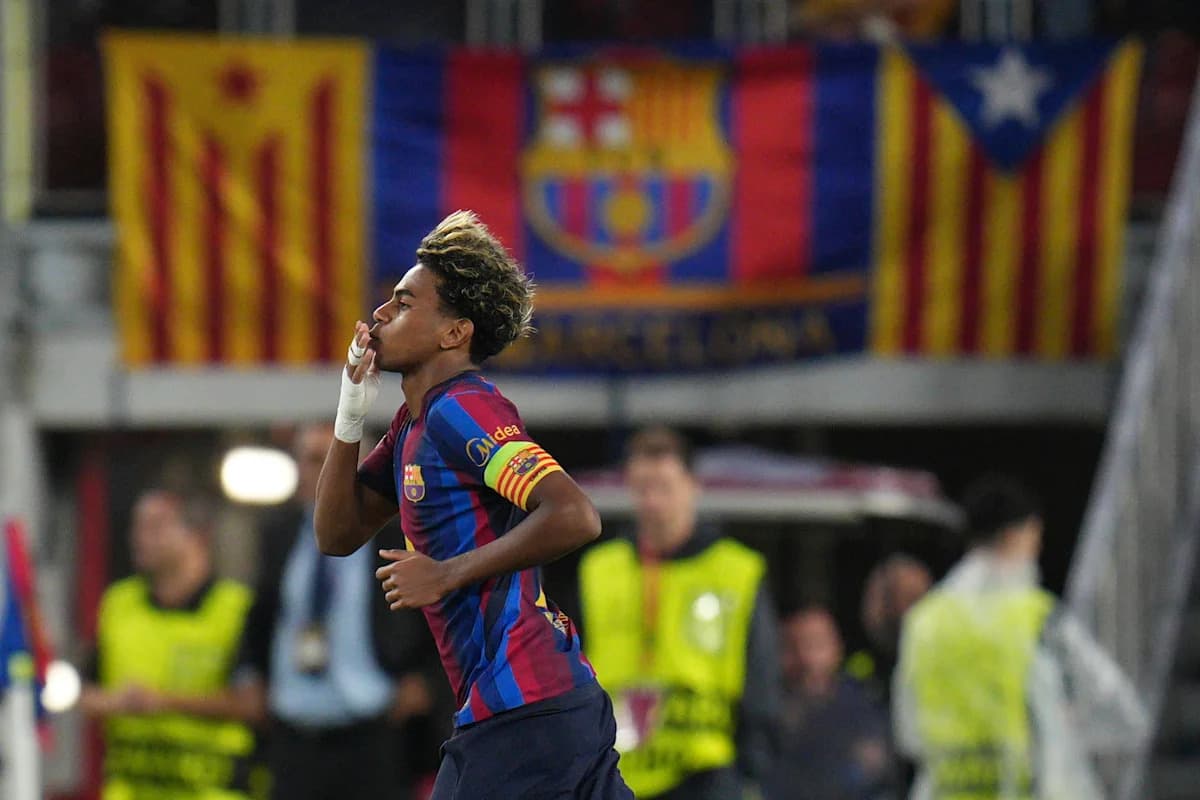
Barcelona’s Camp Nou to Host 2029 Champions League Final, Munich Confirmed for 2028
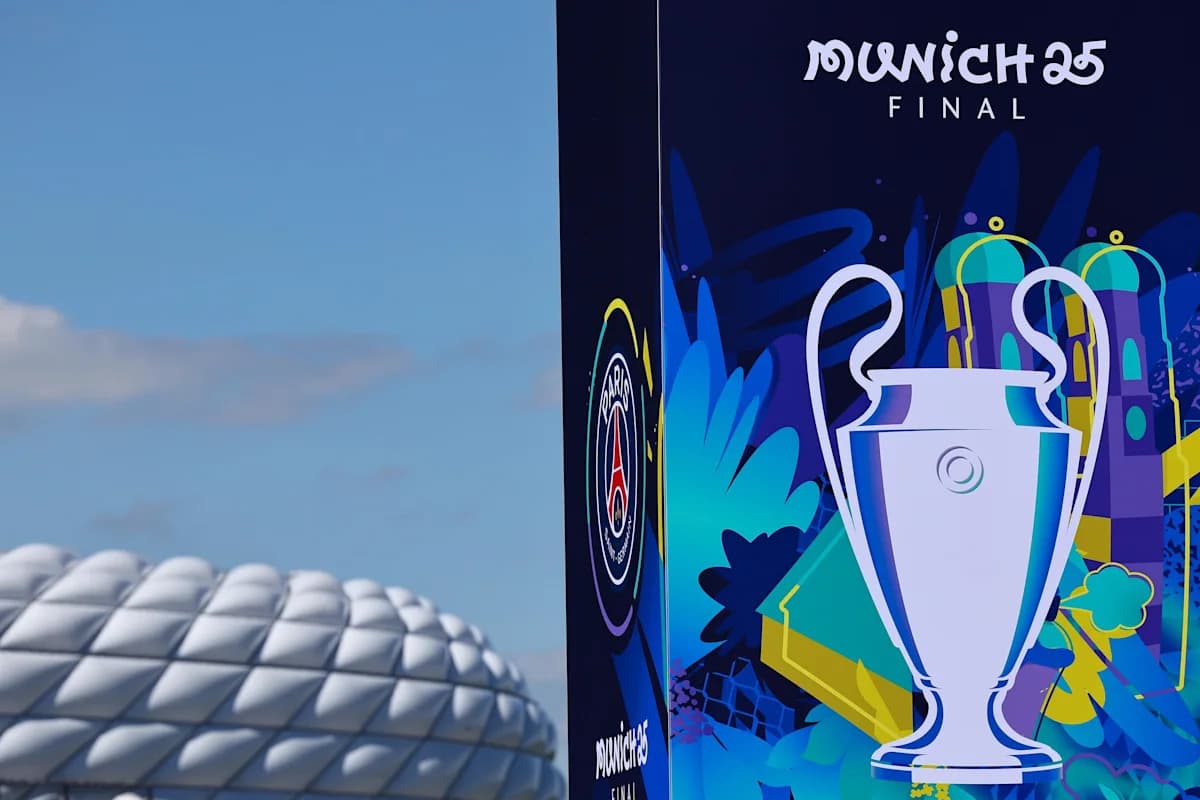
Bayern Munich's Allianz Arena Set to Host 2028 Champions League Final
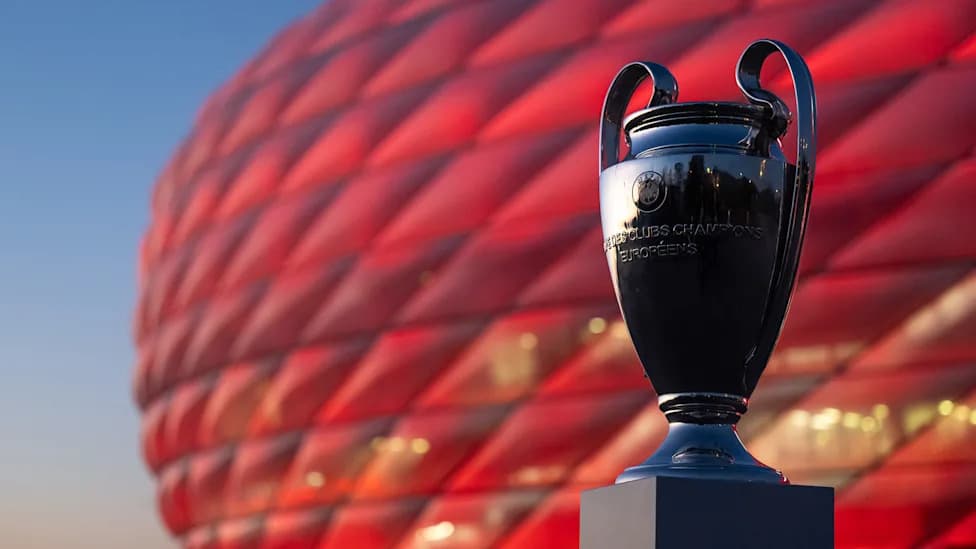
Allianz Arena to Host 2028 Champions League Final for Third Time