
GPA Advocates for Player Representation in Gaelic Games
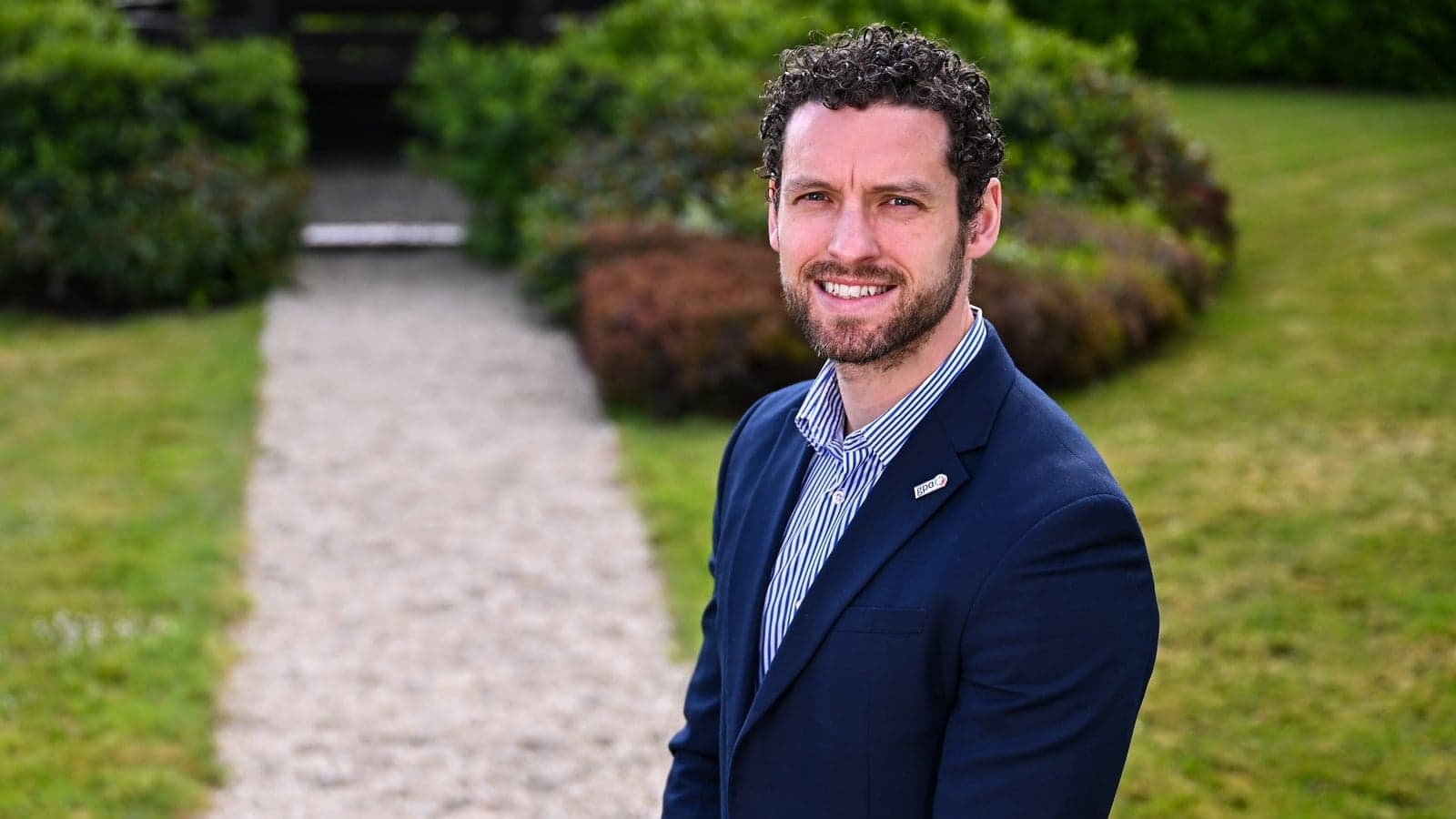
The Gaelic Players Association has laid bare its books and its ambitions – and both point in the same direction: power, and protection, for inter-county players.
According to its annual report, released this morning, the GPA channels a striking 97% of its revenue straight into player welfare and development. In an era when athletes increasingly question where the money goes, that figure is designed to land with force.
But the numbers are only half the story.
Players demand a louder voice
On Monday night, at the GPA’s AGM, delegates backed a motion that goes right to the heart of how Gaelic games are run. The players’ body wants “formal, structured player representation on all key decision-making bodies affecting inter-county players within integrated GAA structures such as Central Council, provincial councils and county boards.”
In simple terms: a seat at every table where their careers are shaped.
GPA chief executive Tom Parsons, speaking to RTÉ Sport, framed the financial headline as part of a bigger push.
“It’s very positive that 97% of revenue goes straight to supporting players,” he said. What struck him most on the night, though, was the clear demand for “greater player voice in the governance structures.”
Right now, the GPA has a seat on Central Council. That’s significant. It’s also, in their eyes, not enough.
When you scan the provincial councils, the county boards, the LGFA, the Camogie Association, the pattern changes. Player presence is thin. Parsons argued that this is out of step not only with Irish sport, but with the global trend of athletes pushing into the boardroom and the committee room, where calendars, policies and welfare frameworks are decided.
He stressed that the “athlete’s voice” must be central when it comes to competition structures and policy. For the GPA, good governance now means players sitting on “all these committees and boards and decision-making bodies,” not just a select few.
The message is clear: decisions affect athletes, so athletes must be in the room.
Money on the table, and where it goes
Behind that political push sits a detailed financial picture.
The report shows €4.35 million spent on player welfare and development in 2025, covering personal development coaching, career development programmes and educational supports. These are the schemes designed to prepare inter-county players for life during and after their playing days, an increasingly high-profile concern in an amateur code with professional demands.
On top of that, €3 million in annual grant funding came from Sport Ireland via the GAA. The GPA acts as the conduit for that government money, ensuring it reaches inter-county players.
Total revenue for the year stood at €7.6 million, a 1% increase on the previous year. That modest rise hides a shift in the balance: government grants climbed by 5%, while core GAA funding dropped by 6%.
GAA funding to the GPA fell from €3.17 million to €2.98 million. The GPA still leans heavily on the association, but the trend line shows more weight now carried by state support.
Despite the strong spend on programmes, the organisation reported an operating pre-tax loss of €59,401 and a post-tax loss of €65,881. Not a crisis, but a reminder that pushing resources towards players comes with tight margins.
Lean staff, heavy load
The GPA currently operates with 10 full-time employees. Around that core sits a further 18 fixed-term contracted staff who deliver the Ahead of the Game (Movember) programme, a mental health initiative that has become a key strand of the association’s work.
Those staffing costs are recharged to the GAA, as the association is the official recipient of Movember funding. It’s a neat illustration of the web of relationships now underpinning player welfare: charity, state, governing body and players’ union all intertwined.
Remuneration for the GPA’s key management personnel came to €250,181, down from €268,317 in 2024. At a time when the organisation is arguing that almost every euro must serve players directly, trimming top-level costs sends a pointed signal.
A growing stake in how games are run
Parsons pointed to the “value of the GPA in the governance structures of the GAA” as something already visible. The association is active, he said, in the committees and boards where it currently holds seats.
The next step is expansion – deeper into provincial councils, into county boards, into the LGFA and the Camogie Association – embedding player representation across the “wider Gaelic games family.”
The financial report shows where the money goes. The AGM motion shows where the power play is heading.
The question now is whether the traditional guardians of Gaelic games are ready to share more of that power with the people who actually take the field.
Related News
Carlos Alcaraz Urges an End to Matches Ending in the Early Hours
Carlos Alcaraz Criticizes Late US Open Finish After 3:30 a.m. Match
Jannik Sinner Set for ATP 500 Return in Beijing with Novak Djokovic Also Competing

Meet Iva Jovic: The American Tennis Prospect Making Waves
Flavio Cobolli Shares Insights on Practice Session with Jannik Sinner Ahead of Comeback

Till vs Romero: Fight Details, Undercard, and Viewing Info for This Weekend