
Heart Of Midlothian vs Sturm Graz: UEFA Champions League Qualifying Showdown

At Tynecastle Park, Heart Of Midlothian host Sturm Graz in the second leg of the UEFA Champions League 2nd Qualifying Round, needing a dramatic turnaround after a heavy first-leg defeat; the tie’s seasonal weight is clear, as progression here keeps the Champions League path alive, while elimination would immediately shift both clubs’ European ambitions into lower-tier competitions.
Head-to-Head Tactical Summary
The only recent meeting in the data came on 21 July 2026 at Merkur-Arena in Graz, where Sturm Graz, playing at home, beat Heart Of Midlothian 4-0. Sturm led 1-0 at half-time before adding three more goals after the break, underlining a clear physical and tactical superiority in that match and setting a daunting aggregate margin for Hearts to chase in Edinburgh.
Global Season Picture
- League Phase Performance: There is no group-stage or league-table data available yet for either side in this Champions League campaign, so their performance can only be inferred from the qualifying fixtures already played: Hearts have one away defeat with four goals conceded and none scored, while Sturm have one emphatic home win with four goals scored and none conceded.
- Season Metrics: In the league phase so far, Heart Of Midlothian have played 1 match, losing it 4-0 away. They have yet to score and are conceding an average of 4.0 goals per game. Their only recorded formation is a 4-2-3-1, and disciplinary data shows two yellow cards, both in the second half of that match. Sturm Graz, across their 1 match in this qualifying round, have used a 4-4-2, scoring 4.0 goals per game and conceding none, with a single yellow card in the second half. Both teams have no penalties taken so far. These early figures portray a Hearts side still searching for defensive stability and attacking threat, against a Sturm team that has started efficiently at both ends of the pitch.
- Form Trajectory: The form indicators are minimal but telling: Heart Of Midlothian’s form string is “L”, reflecting a single heavy defeat, while Sturm Graz’s “W” captures their solitary but dominant win. With only one competitive qualifier each, trajectories are short, but momentum clearly sits with Sturm, while Hearts must prove that the first leg was an outlier rather than a pattern.
Tactical Efficiency
Without a broader sample of matches, tactical efficiency has to be read from the stark contrast in early qualifying outcomes. Hearts’ choice of a 4-2-3-1 away from home produced neither attacking penetration nor defensive protection, as they allowed four goals and failed to score, suggesting issues in both their pressing structure and their defensive transitions. Sturm’s 4-4-2, by contrast, delivered balance: four goals scored, none conceded, and only one yellow card, indicating control rather than desperation. The early season metrics show Hearts with high concession and no attacking output, while Sturm combine strong goal production with a clean sheet. For the second leg, Hearts will likely need to tilt their structure forward, risking defensive exposure, whereas Sturm can afford to prioritize compactness, counter-attacks, and game management to protect a large aggregate lead.
The Verdict: Seasonal Impact
This result will heavily shape both clubs’ European narratives for 2026. If Heart Of Midlothian fail to overturn the deficit, their Champions League route ends at the qualifying stage, forcing an early reset of continental ambitions and pushing the strategic focus back onto domestic performance and potential progression via other European pathways. A comeback, however unlikely on the numbers so far, would transform their season, injecting confidence, revenue, and a higher competitive ceiling. For Sturm Graz, successfully defending their first-leg advantage would confirm their status as a disciplined, efficient qualifying side and keep them firmly on track for the Champions League proper, with all the financial and sporting implications that brings. Any collapse from such a strong position would not only end their Champions League push but also raise serious questions about their ability to manage high-stakes knockout situations later in the year.
Related News

Luis Díaz Confident Bayern Munich Can Win Champions League

AFC Champions League Matchday One: Insights and Team Strategies

Vincent Kompany’s Bayern Munich Future Not Tied Solely to Champions League Success

Barcelona’s Camp Nou to Host 2029 Champions League Final, Munich Confirmed for 2028
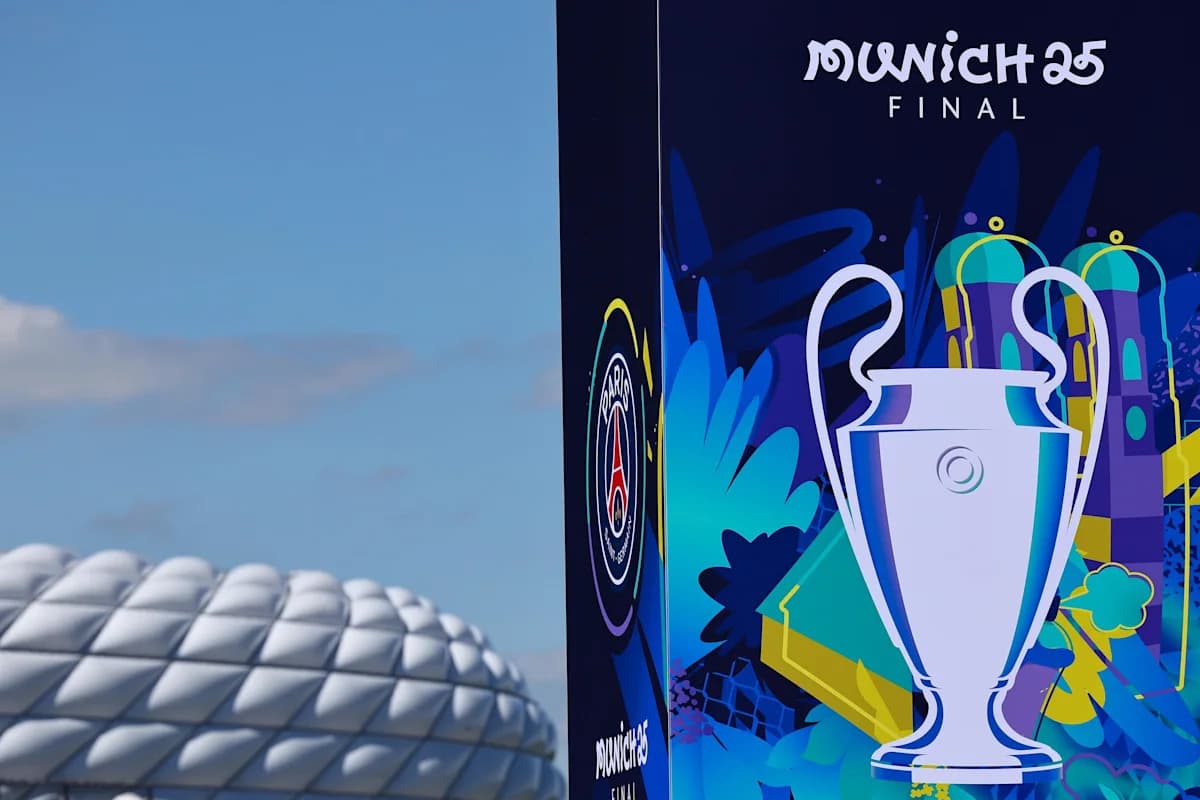
Bayern Munich's Allianz Arena Set to Host 2028 Champions League Final

Allianz Arena to Host 2028 Champions League Final for Third Time